MGMT Orthopedic Implants
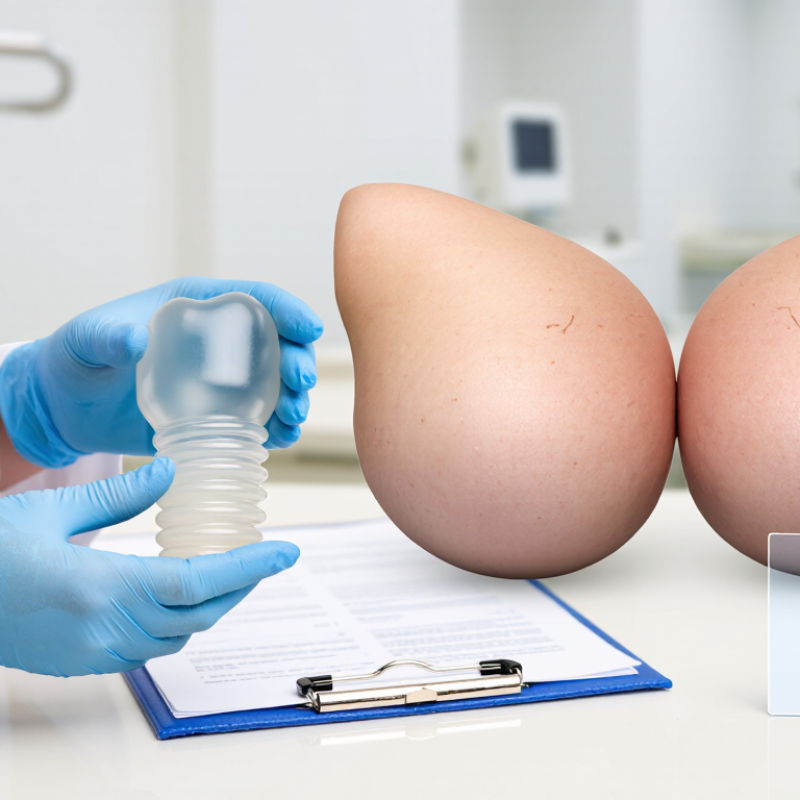
How can I extend the lifespan of my implants? It is a practical question, but there is no single maintenance trick. Breast implants are medical devices, not permanent accessories. Plastic surgeon William P. Adams Jr., MD, has emphasized, “Breast implants are not lifetime devices.” That reminder should shape every care decision.
Long-term implant care begins with an accurate surgical record. Keep the implant brand, model, size, placement, and operation date in a secure file. Bring this information to every future consultation. Your surgeon can then compare changes more effectively. Routine follow-up also matters, even when your breasts look normal. The FDA recommends appropriate imaging for silicone implants, including ultrasound or MRI, based on current guidance and medical advice.
Watch for practical warning signs. New firmness, swelling, pain, shape changes, rippling, or a sudden size difference deserves professional assessment. Do not diagnose yourself from online photographs. A quiet mirror does not prove everything is fine. It is easy to overlook gradual changes.
Protecting your general health may also support better outcomes. Avoid smoking, maintain a stable weight, and use suitable support during high-impact exercise. Protect healing tissue from unnecessary pressure, especially after revision surgery. These steps cannot prevent every complication. Nothing can.
The imperfect truth is that implant lifespan varies between patients. Surgical technique, implant type, aging tissue, pregnancy, weight changes, and personal health all influence future decisions. This guide explains realistic care habits, appropriate monitoring, and when expert evaluation becomes more important than reassurance.
What Determines the Long-Term Life of a Dental Implant?
A dental implant’s long-term life depends on more than the titanium fixture. Bone density, gum health, bite pressure, and daily cleaning all matter. A stable implant needs healthy tissue around it. When plaque remains near the gumline, inflammation can slowly damage supporting bone. This condition may develop without pain. That makes regular professional examinations important.
Daily care is practical, not complicated. Brush twice daily with a soft toothbrush, and clean beneath the crown with floss or an interdental brush. Your dentist may recommend a specific size after checking the implant space. Avoid using excessive force. A clean surface is helpful, but aggressive brushing can irritate the gums. Smoking, uncontrolled diabetes, and teeth grinding may also increase biological or mechanical risks.
The crown and the implant do not age in exactly the same way. The implant may remain stable while the crown becomes worn, chipped, or loose. A night guard can protect it when grinding is present. Follow-up visits allow clinicians to check bleeding, pocket depth, bite changes, and bone levels on dental images. There is no honest lifetime guarantee. Even excellent care cannot remove every risk. I would also question any promise that ignores maintenance, because small problems are easier to manage before chewing becomes uncomfortable.
A reliable implant-care routine starts with gentle cleaning, not forceful brushing. Use a soft-bristled toothbrush twice daily, especially around the gumline and implant crown. Angle the brush slightly toward the gums, and clean each surface for about two minutes. An interdental brush or water flosser can remove food from spaces that regular brushing misses. Your dental professional should recommend the safest size and technique for your mouth.
Tips: Clean at the same times each day. Keep a small brush for travel. Replace worn toothbrushes. Avoid using sharp objects around the implant. Do not ignore bleeding, swelling, bad taste, looseness, or persistent discomfort. These signs need professional assessment. A minor problem can become harder to manage when treatment is delayed.
The routine may feel repetitive. I sometimes rushed similar tasks in the past, and that is easy to admit. However, consistency matters more than complicated products. Limit habits that strain the implant, such as chewing ice or opening packages with your teeth. Attend scheduled examinations and professional cleanings, even when everything feels normal. Dental imaging may help identify bone or tissue changes that cannot be seen at home. Record any changes in comfort, bite, or gum appearance before your appointment.
2026 Best Implant Care: How Can I Extend Implant Life?
Implant stability depends on daily habits, not only the surgical result. Choose soft, nutrient-rich foods during early healing, such as eggs, yogurt, fish, beans, and cooked vegetables. These foods provide protein and minerals without forcing the healing area to work too hard. Avoid chewing ice, hard sweets, popcorn kernels, and sticky foods. Small fragments can irritate the gum around an implant.
After healing, a balanced diet still matters. Limit frequent sugary snacks and acidic drinks, which may inflame nearby tissues and increase plaque buildup. Drink water after meals. Brush gently with a soft-bristled toothbrush, then clean between teeth with an interdental brush recommended by your dental professional. Do not scrub aggressively. More pressure is not better.
Smoking can reduce blood flow and interfere with tissue health. Frequent alcohol use may also weaken consistent oral care. Night-time grinding deserves attention, especially when you wake with jaw soreness or notice worn teeth. A professionally fitted guard may protect the implant and surrounding teeth. Regular dental reviews can detect bleeding, swelling, looseness, or persistent bad taste early. A practical admission: perfect routines are rare. Missing one cleaning is not failure, but repeated neglect can become a serious problem. Never ignore a change around the implant.
2026 Best Implant Care: How Can I Extend Implant Life?
An implant can feel permanent, but it is not maintenance-free. Professional checkups help protect its long-term function. At each visit, a dental professional checks bleeding, pocket depth, gum recession, bite pressure, and crown stability. Small changes matter. A bleeding site may signal inflammation before pain appears.
The 2017 World Workshop consensus report described peri-implant mucositis and peri-implantitis as important biological complications. Reported rates vary widely because researchers use different definitions. A systematic review in Clinical Oral Implants Research reported approximately 94.6% ten-year survival for implant-supported single crowns. However, survival does not mean perfect health. It does not.
Many clinics recommend reviews every three to six months initially. The interval should reflect diabetes, smoking history, oral hygiene, bone support, and previous periodontal disease. During visits, radiographs may be compared with earlier images. Home care remains essential. Use a soft brush and suitable interdental cleaning tools. Clinicians often see patients clean the crown while missing bleeding around its base. That mistake is understandable, but it can delay treatment. Ask about nighttime grinding, too. Repeated loading may loosen components or affect supporting bone. European Federation of Periodontology guidance supports individualized supportive care, although no appointment guarantees lifelong function.
How Professional Checkups Help Prevent Implant Complications
Reported patient-level estimates indicate that peri-implant mucositis affects approximately 43% of patients, while peri-implantitis affects approximately 22%. Prevalence varies according to diagnostic criteria and follow-up time. Regular professional examinations can identify bleeding, plaque accumulation, pocket changes, and early bone loss before complications become more difficult to manage. A personalized recall interval, commonly every 3–6 months for higher-risk patients, supports long-term implant maintenance.
Data source: Derks and Tomasi, Journal of Clinical Periodontology, 2015. Estimates are not brand-specific and may vary between studies.
A loose implant is not normal. Neither is persistent bleeding. A 2022 European Federation of Periodontology guideline links peri-implant disease with bleeding, deeper pockets, and supporting bone loss. These changes may develop quietly before discomfort appears. A small red line around the crown deserves attention, especially when it returns after brushing.
Seek immediate implant evaluation if you notice movement, increasing pain, pus, facial swelling, fever, or a persistent bad taste. Numbness, difficulty swallowing, or swelling that spreads also requires urgent medical attention. A loose crown may only need repair, but implant movement can indicate failed integration or advanced bone loss. Do not tighten it yourself. Avoid chewing on that side, and contact your dental provider.
The numbers are reassuring, but not permission to ignore symptoms. A long-term systematic review reported roughly 94.6% implant survival at ten years. Yet a widely cited review in the Journal of Clinical Periodontology estimated peri-implantitis affected about 22% of implants. Survival does not mean trouble-free function. I once assumed painless implants were safe; that assumption needs correction. Dentists usually combine probing, bite assessment, and radiographs because one test can miss early changes. A six-month recall may be suitable for some patients, while smokers, diabetes patients, and those with previous gum disease may need closer monitoring. The exact interval should be individualized.
Choose soft, nutrient-rich foods such as eggs, yogurt, fish, beans, and cooked vegetables. They provide protein and minerals with limited chewing. Healing needs patience.
Avoid ice, hard sweets, popcorn kernels, and sticky foods. Small fragments can irritate the gum around the implant. Chew on the opposite side when advised.
Brush gently with a soft-bristled toothbrush. Use an interdental brush recommended by your dental professional. Heavy pressure can damage tissues.
Frequent sugary snacks and acidic drinks may increase plaque and irritate nearby tissues. Drink water after meals. Daily choices matter more than occasional treats.
Smoking can reduce blood flow and weaken tissue healing. Frequent alcohol use may disrupt consistent oral care. Cutting back helps, but professional advice remains important.
Grinding may place strong pressure on the implant and surrounding teeth. Jaw soreness or worn teeth can be warning signs. A professionally fitted guard may help.
Contact a dental professional if the implant moves, pain increases, or pus appears. Facial swelling, fever, spreading swelling, or swallowing difficulty require urgent attention. Do not tighten anything yourself.
Some patients may need reviews every six months. Smokers, people with diabetes, or those with previous gum disease may need closer monitoring. The interval should fit your condition.
Not always. Early disease can develop quietly, even without discomfort. I once assumed painless meant safe; that assumption needs correction.
Usually, one missed cleaning is not failure. Repeated neglect can become a serious problem. Perfect routines are uncommon, but returning to care matters.
The long-term success of a dental implant depends on bone support, healthy gum tissue, proper bite alignment, oral hygiene, and consistent professional care. To answer the question, “How can I extend the lifespan of my implants,” begin with a daily routine that includes gentle brushing, cleaning between teeth and around the implant, and using recommended tools without applying excessive pressure. Regular dental checkups and professional cleanings can remove hidden plaque, monitor the surrounding bone, and identify early signs of inflammation or mechanical problems.
A balanced diet can also protect implant stability. Choose nutrient-rich foods and avoid habits such as chewing ice, biting hard objects, smoking, or neglecting nighttime grinding. Pay attention to warning signs including persistent bleeding, swelling, discomfort, looseness, bad taste, or changes in the way your teeth meet. Prompt evaluation can prevent minor concerns from developing into serious complications and help maintain comfortable, reliable implant function for many years.
