MGMT Orthopedic Implants MGMT Orthopedic Implants

Can I Exercise Safely With Orthopedic Implants?

Time:2026-05-22 Author:Oliver
0%

The question, "Can I exercise with orthopedic implants?" concerns many individuals post-surgery. Orthopedic implants, such as joint replacements and plates, enhance mobility. However, individuals often worry about the safety of physical activity. Reports from the American Academy of Orthopaedic Surgeons indicate that over 600,000 knee and hip replacement surgeries occur annually in the U.S. alone. Many patients want to return to active lifestyles.

Engaging in exercise post-implantation can be challenging. Each implant type presents unique considerations for physical activity. For instance, some patients may experience discomfort or limitations. Key insights from a recent study highlighted that 70% of patients fear re-injury while exercising. Understanding the right type of exercise is crucial. Low-impact activities are typically safer and can support recovery.

It is vital to involve a healthcare provider in exercise decisions. Personalized advice based on individual conditions can greatly enhance safety. While exercising, reflections on one's physical limits are essential. Safe, guided activities can boost confidence. However, caution is necessary, as it is critical to listen to one’s body.
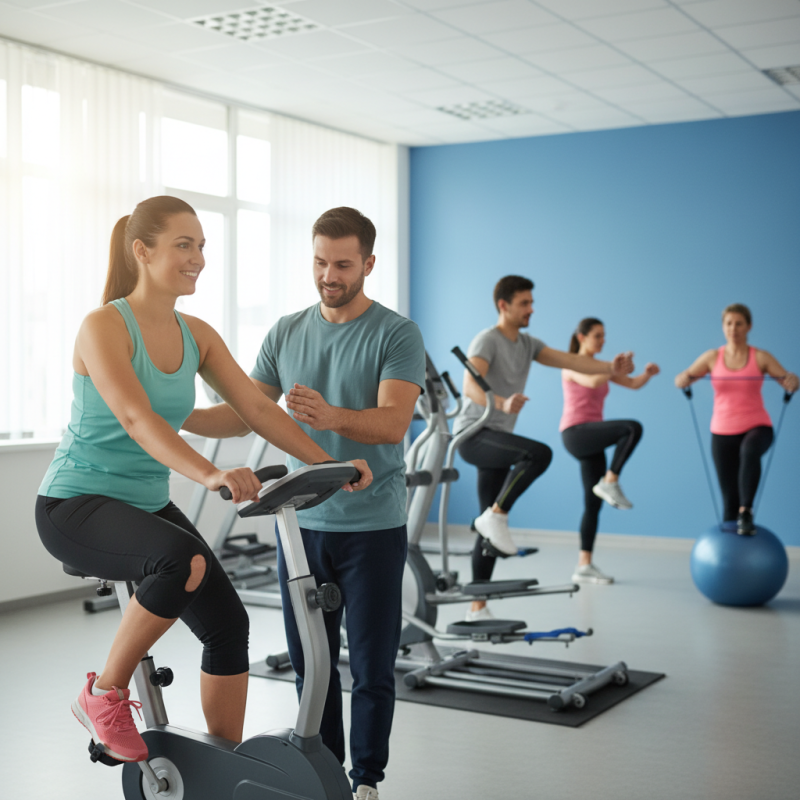
Can I Exercise Safely With Orthopedic Implants?

Understanding Orthopedic Implants and Their Functions

Orthopedic implants are devices surgically placed to support broken bones or replace joints. They can include plates, screws, rods, and artificial joints, each serving a unique purpose in restoring function and mobility. These implants enable doctors to stabilize fractures and help patients recover faster. With the right guidance, individuals with these implants can often return to an active lifestyle.

However, exercising with orthopedic implants requires caution and understanding. Patients should consult their orthopedic surgeons before beginning any exercise regimen. The type and location of the implant significantly influence the level of activity one can safely pursue. Some may find they can engage in low-impact activities like swimming or walking, while others may need to avoid high-impact sports altogether. It is crucial to listen to your body and adapt your fitness routine based on how you feel.

Adjusting to life with an orthopedic implant can be challenging. Some people feel frustrated, as they navigate limitations while trying to stay active. It is essential to find a balance between pushing oneself and respecting one's body's signals. Continuous self-reflection can lead to better choices and a more sustainable approach to exercise.

Assessing Your Fitness Level Before Starting Exercise

Before starting any exercise with orthopedic implants, it is crucial to assess your fitness level. Many people underestimate the impact of their implants on physical activity. Understanding your current capabilities will help prevent injuries and ensure a safe return to exercising.

A study from the American Academy of Orthopaedic Surgeons suggests that nearly 60% of individuals with implants experience limitations in mobility. This statistic highlights the importance of a tailored exercise plan. A proper assessment should include flexibility, strength, and endurance tests. Consulting with a healthcare professional can provide guidance based on specific needs.

**Tips for safe exercise:**

1. Start slow. Begin with low-impact activities such as walking or swimming.
2. Monitor your pain. Pain shouldn’t be ignored. Adjust your routine if discomfort arises.
3. Set realistic goals. Focus on gradual improvement rather than rapid progress to avoid setbacks.

Regular check-ins with a physical therapist can further enhance your confidence. Rely on their expertise to fine-tune your exercises based on progress. Remember, your body may react differently than before. Adjustments should be expected, and it’s okay to take time to adapt.

Exercise Safety with Orthopedic Implants

This chart illustrates the perceived safety levels of different types of exercises among individuals with orthopedic implants, based on a survey of 100 participants. The data highlights which exercises are commonly considered safe to perform.

Recommended Exercises for Individuals with Orthopedic Implants

When considering exercise with orthopedic implants, one must prioritize safety and effectiveness. Many patients worry about potential complications. According to a study published in the Journal of Orthopedic Research, about 60% of individuals with implants experience improved mobility through appropriate exercise.

Low-impact activities are often recommended. Swimming and cycling are great choices. These exercises minimize stress on the joints. Balance training, like tai chi, helps prevent falls. A recent report indicates that individuals engaging in regular light exercise have a significantly lower risk of complications.

However, it is crucial to listen to your body. Always consult your healthcare provider before starting any new program. Some might experience discomfort even with approved activities.

Strength training can also be beneficial, but caution is key. Using resistance bands is a safer option than heavy weights. Studies show that gradual increases in intensity aid recovery without jeopardizing the integrity of the implant. However, not all implants react the same way. Pay attention to any pain or swelling during workouts. Reflecting on your limits is vital for long-term health.

Precautions and Safety Tips for Exercising with Implants

Exercising with orthopedic implants can be safe, but caution is essential. Always consult your healthcare provider before starting any exercise program. They can give personalized advice based on your specific situation. Understanding your implant's limitations is crucial. Each type of implant has its own set of guidelines for physical activity.

Start slowly and pay attention to your body's signals. Low-impact exercises like walking or swimming are often recommended initially. Gradually increase intensity as tolerated. Be mindful of any pain or discomfort during workouts. If something feels off, stop and reassess. Sometimes, a specific movement may not be suitable for you.

Focus on strength and flexibility training. This can help support your joints and improve your overall endurance. Modify exercises as needed to accommodate your implant. Use softer surfaces for high-impact movements if required. Keeping a fitness journal can help track progress and note any issues. This reflection is vital for adapting your routine effectively.

Consulting Healthcare Professionals About Your Exercise Plan

When dealing with orthopedic implants, consulting healthcare professionals is essential. They provide tailored advice based on your specific situation. Each patient's needs are unique, especially after surgery. Only a qualified professional can assess your implant and physical condition accurately.

Tips: Always keep an open line of communication with your doctor. Share your exercise goals and concerns. They may suggest modifications to help you stay active safely.

Incorporating exercise into your routine can enhance recovery. A physical therapist can develop a personalized plan that matches your abilities. Engage in low-impact activities, like swimming or cycling, to minimize joint stress. Remember, it's okay to feel unsure initially. Listen to your body and adjust accordingly.

Tips: Start slow and monitor your responses to new activities. If something feels wrong, don't hesitate to seek advice. Regular follow-ups with your healthcare team can ensure you stay on track.

Can I Exercise Safely With Orthopedic Implants? - Consulting Healthcare Professionals About Your Exercise Plan

Exercise Type Safety Level Recommended Duration Consultation Required
Walking High 30-60 minutes No
Swimming Very High 30-45 minutes No
Cycling Moderate 20-40 minutes Yes
Weight Training Varies 15-30 minutes Yes
Yoga High 30-60 minutes No
Running Low 20-30 minutes Yes

FAQS

: What type of exercises are safe for individuals with orthopedic implants?

: Low-impact activities like swimming and cycling are recommended. They reduce stress on joints and promote mobility.

How does exercise affect individuals with implants?

Many individuals report improved mobility. About 60% see benefits when engaging in appropriate, safe exercises.

Is strength training advisable for those with orthopedic implants?

Yes, but caution is necessary. Use resistance bands instead of heavy weights to lessen injury risks.

What should I do if I feel discomfort during exercise?

It's important to listen to your body. If you experience pain or swelling, stop and consult your healthcare provider.

How can I create an exercise plan post-surgery?

Consult a healthcare professional. They can tailor an exercise regimen to fit your unique recovery needs.

Why is communication with healthcare providers important?

Open communication helps align exercise goals with safety. Share your concerns, and they may suggest helpful modifications.

How should I approach new exercises?

Start slowly and pay attention to how your body reacts. If anything feels off, seek professional guidance promptly.

Can balance training be beneficial?

Yes, balance exercises like tai chi can improve stability and reduce fall risks, particularly for those with implants.

Conclusion

When considering the question, "Can I exercise with orthopedic implants?" it is essential to understand the nature and functions of these devices. Orthopedic implants are designed to support and stabilize bones following injury or surgery. Before beginning any exercise regimen, individuals should assess their fitness levels to determine appropriate activities that accommodate their specific conditions.

Recommended exercises often include low-impact activities such as walking, swimming, and cycling, which can promote strength and flexibility without straining the implants. However, it’s crucial to follow specific precautions and safety tips, such as avoiding high-impact exercises and listening to your body’s signals. Consulting healthcare professionals is also vital to devise a safe and effective exercise plan tailored to individual needs, ensuring that physical activity enhances recovery and overall well-being.

Oliver

Oliver

Oliver is a seasoned marketing professional with a wealth of expertise in driving brand awareness and engagement. With a deep understanding of our company's product offerings, he consistently delivers high-quality content that enriches our professional blog. His insights not only shed light on......