MGMT Orthopedic Implants
Orthopedic implants can restore stability, replace damaged joints, and help fractured bones heal. Yet plates, screws, rods, and joint components do not all follow the same timeline. When a healed fracture leaves a screw pressing beneath the skin, or a replaced joint becomes painful years later, patients may ask: “When do orthopedic implants need to be removed?” The answer depends on the implant, the original condition, symptoms, imaging, and overall health—not simply how long the device has been in place.
Removal is not automatically safer than leaving an implant alone. The American Academy of Orthopaedic Surgeons (AAOS) notes that infection affects roughly 1% to 2% of joint replacement patients. Infection may require surgery, but treatment can involve implant retention, exchange, or removal; the choice depends on clinical findings. Pain, loosening, breakage, skin irritation, and interference with bone healing may also prompt evaluation. A visible bump is not proof that surgery is necessary. Sometimes the implant is innocent.
This guide explains warning signs, typical tests, and how clinicians weigh the risks of removal against the risks of retention. AAOS guidance and clinical studies can inform the discussion, but population figures cannot predict one person’s outcome. A surgeon may review X-rays, examine the affected area, and consider infection tests before recommending a plan. The details matter: a small plate near the ankle is not the same as a hip replacement. Even with careful assessment, the decision can involve uncertainty—and that deserves an honest conversation.
2026 How to Know When Orthopedic Implants Need Removal?
Types and Purposes of Orthopedic Implants
Orthopedic implants support, replace, or stabilize bones and joints. Their purpose depends on the injury or condition. Plates and screws often hold a broken bone in position while it heals. A surgeon may use a metal rod, called an intramedullary nail, inside a long bone to provide support. Small parts matter. Pins and wires can temporarily secure smaller bones or bone fragments, sometimes beneath the skin and sometimes exposed for later removal.
Joint replacements serve a different purpose. They replace damaged surfaces in the hip, knee, or shoulder, and are generally intended to remain in place. Spinal implants, such as rods and screws, may help stabilize the spine during healing or after certain procedures. Some implants are temporary; others are not. Removal depends on the device, the original reason it was placed, healing, symptoms, and imaging findings. Pain, irritation, infection, or a loose implant may prompt medical assessment, but discomfort alone does not prove removal is needed. A clinician familiar with the surgery can weigh the risks of leaving an implant against those of another procedure. The distinction can be less clear than patients expect.
2026 How to Know When Orthopedic Implants Need Removal?
New or worsening pain around a plate, screw, or joint implant deserves medical evaluation, especially if it persists after activity or wakes you at night. Swelling, warmth, redness, tenderness, or reduced movement can also signal a problem. Pain is a clue, not a verdict. These symptoms may have other causes, and removal is not always the right treatment.
Watch for drainage, a wound that will not close, fever, new skin breakdown, or an implant becoming visible. Seek prompt care. The CDC estimates that surgical-site infections affect about 1%–3% of people undergoing surgery; this is a general surgical estimate, not an implant-specific risk. Even so, infection around an implant needs timely assessment. A clinician may examine the area and order imaging or blood tests before discussing treatment.
Tips: Note when symptoms began and what makes them worse. Take your temperature if you feel unwell. Do not try to press, adjust, or remove hardware yourself. A small change can matter, though symptoms do not always point neatly to one cause.
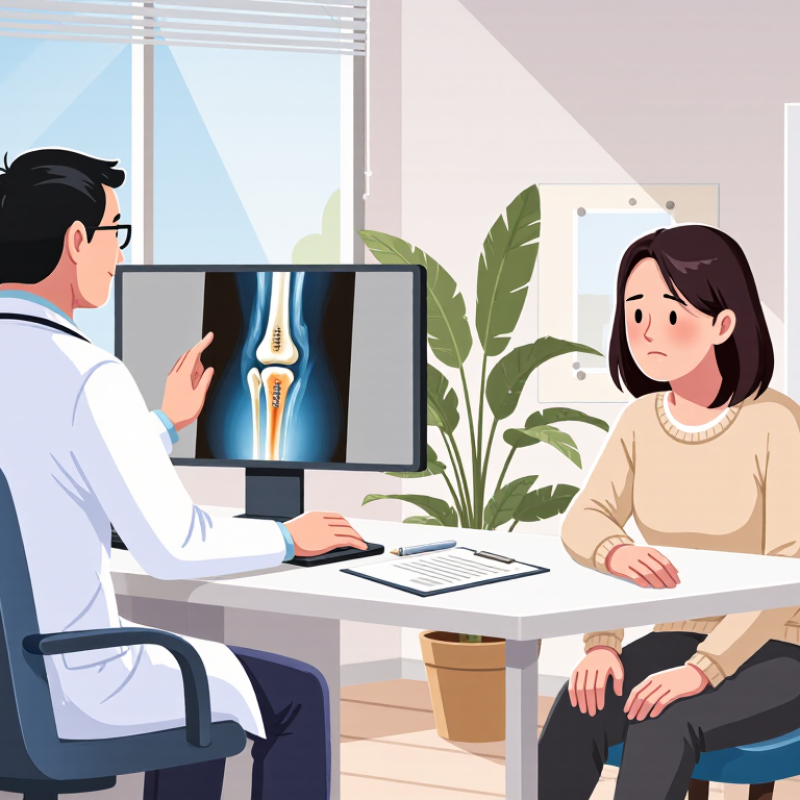
When an orthopedic implant causes pain, swelling, stiffness, or reduced movement, doctors look for a pattern rather than relying on one symptom. They ask when discomfort began, whether it worsens with activity, and if the skin feels warm or looks red. Small details matter. A brief examination may include checking tenderness, joint motion, strength, and the nearby skin.
Doctors review the original operation and follow-up records, then may order X-rays or other imaging. These can show whether a bone has healed, an implant has shifted, or surrounding bone has changed. Blood tests may be considered when infection is suspected; no single result confirms it. The findings must fit the person’s symptoms and medical history. Sometimes the picture remains unclear.
Removal is not automatic. If the implant is stable and symptoms are mild, monitoring or other treatment may be safer. Doctors weigh likely benefits against risks such as infection, bleeding, nerve injury, or weakening bone during removal. They also consider the implant’s design and whether the bone can remain stable afterward. A careful discussion should cover alternatives, expected recovery, and what could happen if the implant stays in place. There is no perfect test; decisions are made case by case with an orthopedic specialist.
An orthopedic implant does not need removal simply because it is still inside the body. Surgeons may recommend removal when an implant is infected, broken, loose, or causing persistent pain after a fracture has healed. A plate that rubs beneath the skin near an ankle, for example, may irritate shoes and surrounding tissue. Infection needs prompt medical assessment. The decision is rarely tidy.
Removal may also be considered when imaging shows the bone has healed and hardware clearly matches ongoing symptoms. In children, a surgeon may discuss removal if an implant could affect growth. Suspected metal sensitivity is uncommon and needs careful evaluation; symptoms alone cannot confirm it. Sometimes removal is not the safest choice. Surgery can cause infection, bleeding, nerve injury, or a new fracture, and some implants are difficult to remove. A clinician weighs symptoms, examination findings, imaging, healing, and the risks of another operation.
Tips: Note when pain occurs, such as during stairs, sleep, or shoe wear. Bring prior scans and a medication list to your appointment. Ask whether the bone is fully healed, what improvement removal may offer, and what recovery involves. Don’t stop here: persistent redness, drainage, fever, or rapidly worsening pain warrants prompt medical advice.
Removal is not always a simple repeat of the original operation. Your surgeon will review your symptoms, imaging, implant location, and overall health before discussing whether removal is appropriate. Some implants are buried beneath bone or scar tissue, which can make the procedure more involved than expected. You may have blood tests or updated X-rays, and you’ll receive instructions about eating, medicines, and transportation on surgery day. Ask what activity limits will apply. Plan for help.
After surgery, soreness, swelling, and bruising around the incision are common. The exact recovery depends on the implant, the operation, and whether bone needs time to strengthen. You may go home the same day, but some procedures require an overnight stay. Follow your care team’s guidance on wound care, walking, lifting, and returning to work; don’t use someone else’s recovery timeline as a rule. Small steps matter. Contact your clinician for worsening pain, spreading redness, fever, drainage, or new numbness. Removal may not eliminate the original discomfort, and surgery has risks, including infection, bleeding, or bone injury. Recovery can feel uneven, which is worth discussing at follow-up visits.
| Situation or concern | What it may mean | How removal is considered | What to expect |
|---|---|---|---|
| Pain or irritation near the implant | Prominent plates or screws can sometimes irritate nearby skin, tendons, or other soft tissues. Pain can also come from the original injury, arthritis, infection, or another cause. | A clinician examines the area and may use X-rays or other imaging to assess the implant and bone. Removal is considered only if the implant is judged to be a likely cause and the expected benefits outweigh the risks. | Removing an implant does not guarantee pain relief. The amount and duration of activity restriction depend on the implant location, bone condition, and procedure. |
| Fracture has healed | Many plates, screws, rods, and nails are designed to remain in place after a fracture heals and cause no problems. | Routine removal is generally not necessary for every healed fracture. If removal is being discussed, the surgeon confirms that the bone is sufficiently healed and considers the type and location of the hardware. | Even after healing, removal creates new surgical wounds and screw holes in bone. Temporary activity limits may be advised while these areas recover. |
| Infection is suspected | Increasing redness, warmth, swelling, drainage, fever, or worsening pain can be signs of infection, although symptoms need medical assessment. | Prompt evaluation is important. Treatment may include tests, antibiotics, wound care, and sometimes surgery. Whether hardware is removed depends on factors such as infection severity, implant stability, and whether the bone has healed. | Infection-related treatment can be more involved than planned removal and may require additional procedures or a longer recovery. Seek urgent medical advice for concerning symptoms. |
| Implant is loose, broken, or has shifted | Imaging may show a change in implant position or integrity. This can be related to healing, bone quality, or mechanical stress. | A surgeon reviews symptoms and imaging to determine whether the implant is affecting stability or needs revision. A broken implant does not automatically mean it must be removed immediately. | If the bone has not healed adequately, treatment may involve repair or replacement rather than simple removal. The recovery plan depends on the underlying problem. |
| Growth or age-related considerations | In children, some implants may be positioned near growth areas or intended for temporary use. The plan can differ from that for adults. | The treating orthopedic specialist considers the child’s growth, bone healing, implant type, and original treatment plan. Timing should be individualized rather than based on a fixed age or date. | Follow-up visits help monitor healing and growth. Activity restrictions after removal vary with the procedure and the child’s recovery. |
| Preoperative assessment | The surgical team needs to understand the implant’s location, the reason for removal, general health, medications, and whether the bone is healed. | Assessment may include a physical examination, review of imaging and medical history, and discussion of anesthesia, benefits, alternatives, and possible complications. | Patients should follow their care team’s instructions about medicines, eating and drinking, transportation, and preparing for surgery. |
| Removal procedure | Many removals are performed through an incision over or near the implant, but complexity varies. Scar tissue, bone growth over the implant, or damaged screws can make removal more difficult. | The procedure may be done as day surgery or require a hospital stay, depending on the implant, the patient, and the surgical plan. Anesthesia is selected by the care team. | Possible risks include infection, bleeding, nerve or blood-vessel injury, incomplete removal, persistent symptoms, and fracture. The surgeon discusses risks specific to the case. |
| First days after surgery | Some soreness, bruising, and swelling around the incision are common after surgery. | The care team provides instructions for wound care, pain control, follow-up, and whether a dressing or support is needed. | Keep the wound care plan and activity instructions provided by the surgical team. Contact the care team for worsening pain, spreading redness, drainage, fever, or other concerning changes. |
| Return to walking, work, and exercise | Recovery time varies with the implant’s location, the size of the procedure, the patient’s health, and whether bone healing or reconstruction is also required. | The surgeon sets any weight-bearing, lifting, driving, work, and sports restrictions. There is no single recovery timeline that applies to all implant removals. | Resume activities gradually and only as advised. Follow-up visits help the team check the incision, symptoms, and progress before increasing activity. |
Important: Orthopedic implants do not automatically need removal once healing is complete. Decisions should be made with an orthopedic clinician after considering symptoms, imaging, implant location, bone healing, and the risks of another operation. This table is general information and is not a substitute for personalized medical advice.
New or worsening pain, swelling, warmth, redness, tenderness, or reduced movement should be discussed with a clinician. Pain is a clue, not a verdict.
Contact a clinician promptly for drainage, fever, a wound that will not close, new skin breakdown, or visible hardware. Don’t wait it out.
They ask when symptoms began and what worsens them. They may examine the skin, tenderness, strength, and joint movement.
Doctors may review earlier records and order X-rays or other imaging to assess healing, implant position, and nearby bone. Blood tests may be considered if infection is suspected.
No. If the implant is stable and symptoms are mild, monitoring or another treatment may be safer. The answer is not always clear.
A clinician may discuss removal if an implant is infected, broken, loose, or linked to persistent pain after a fracture heals. For example, an ankle plate may rub against shoes.
Another operation can cause infection, bleeding, nerve injury, or a new fracture. Some implants are difficult to remove, and bone stability matters.
Bring prior scans and a medication list. Ask whether the bone has healed, what improvement removal might offer, and what recovery may involve.
No. Suspected sensitivity is uncommon and needs careful evaluation. Symptoms can have other causes, which is easy to overlook.
Orthopedic implants such as plates, screws, rods, and joint replacements help stabilize bones, support healing, or restore movement. Many remain in place permanently, while others may be considered for removal after the bone has healed. When do orthopedic implants need to be removed? Possible reasons include persistent pain, irritation, restricted movement, infection, loosening, or an implant interfering with nearby tissue. These symptoms do not always mean removal is necessary, so medical evaluation is important.
A doctor may review the patient’s history, examine the affected area, and use imaging or other tests to assess healing and implant condition. Removal may be recommended when an implant causes ongoing problems or presents a specific medical concern; in other cases, monitoring is appropriate. The decision depends on the individual’s health, the original injury, and the risks of another procedure. Patients can discuss anesthesia, expected recovery, activity limits, and potential complications with their care team before deciding.
