MGMT Orthopedic Implants
In recent years, the role of spinal implants has gained significant attention in the medical field. These implants play a crucial role in enhancing spinal stability. But how do implants help with spinal stability? The answer lies in their design and function. They provide essential support to weakened or injured vertebrae. This support helps maintain the proper alignment of the spine.
Many patients experience chronic back pain. For these individuals, implants can offer a path to relief. They replace damaged discs or stabilize fractured vertebrae. As a result, patients often report improved mobility and decreased pain. However, the journey to recovery is not always straightforward. Some may face challenges during rehabilitation. The time it takes to adapt to the implants varies among individuals.
Understanding how these devices work improves patient outcomes. They can significantly enhance one's quality of life. Yet, it's essential to approach any medical solution with caution. Each case is unique. Consulting with healthcare professionals is imperative. Their expertise ensures that patients receive the best possible care tailored to their needs.
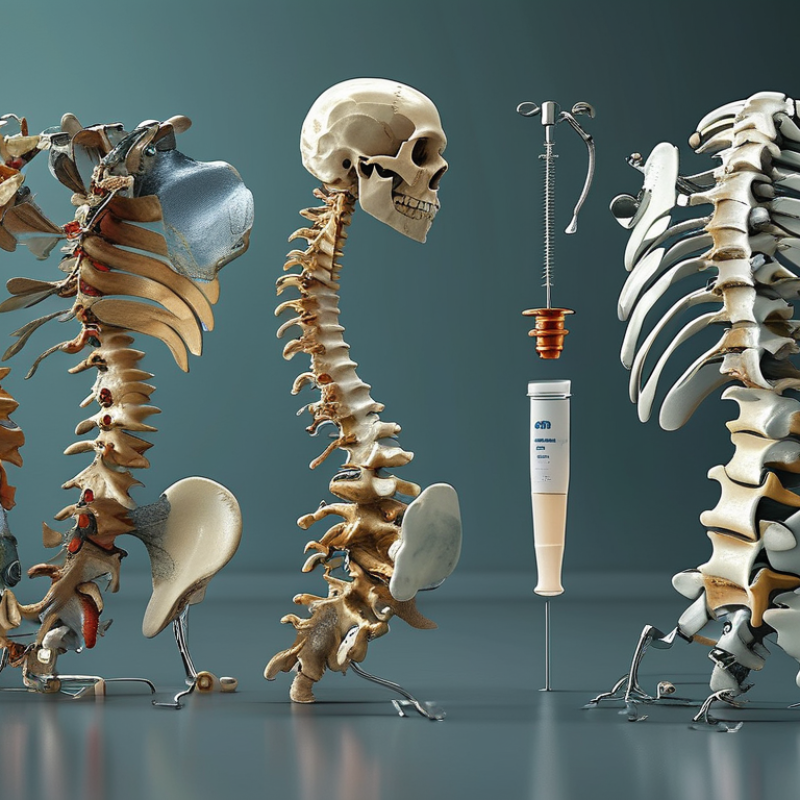
Spinal implants play a crucial role in enhancing spinal stability, which directly contributes to overall health. These medical devices are often used to support weakened vertebrae or correct spinal deformities. According to a 2021 industry report, spinal implants are estimated to reach a market value of over $15 billion by 2025, highlighting their growing importance in orthopedic and neurosurgical practices.
The primary purpose of spinal implants is to stabilize the spine during recovery from injury or surgery. They are designed to provide support to the spine, allow for proper healing, and reduce pain. Various types of implants include rods, screws, and cages. A survey by the American Academy of Orthopaedic Surgeons found that 78% of patients reported a significant reduction in pain following spinal fusion surgery involving implants. However, not all patients experience the same level of success.
While the benefits of spinal implants are clear, there are also drawbacks and risks to consider. Complications can arise, such as infections or implant rejection. A 2020 study indicated that about 10% of patients experience postoperative complications. It is essential for patients to weigh these factors carefully and discuss them with their healthcare provider. Understanding each implant’s specific purpose can help patients make informed decisions regarding their treatment options.
Spinal implants play a critical role in enhancing spinal stability. These devices help support and stabilize the spine after injury or surgery. Various types of implants are used, each designed for specific conditions. For instance, rods and screws can hold vertebrae together during healing. They provide a solid structure, which is crucial for recovery.
Another common type is interbody fusion devices. These implants fit between vertebrae and promote bone growth. A successful fusion can lead to pain relief and improved mobility. However, complications can arise if the fusion does not occur. Surgeons must select the right implant based on individual needs. Some patients may experience discomfort or failures in the implants, requiring further evaluation.
More advanced options include dynamic stabilization devices. These allow for some movement while providing support. The goal is to maintain spinal function while achieving stability. Although these devices offer benefits, they also present challenges. Each type of implant has its pros and cons, revealing the need for tailored approaches in surgery. Balancing risks and benefits is essential for optimal outcomes.
Implants play a crucial role in enhancing spinal stability. They are designed to provide support to the vertebrae and maintain proper alignment. This helps to distribute mechanical loads evenly across the spine. By reinforcing weakened areas, implants can significantly reduce the risk of further injury. They work by utilizing materials that mimic the natural structure of bones, allowing for better integration.
One mechanism by which implants enhance stability is through the promotion of spinal fusion. When placed correctly, they encourage the growth of bone cells around them. This process creates a more rigid structure, improving overall spinal integrity. Additionally, implants can prevent excessive movement between spinal segments. This limits pain and allows for smoother motion, crucial for daily activities.
Nevertheless, implant procedures are not without challenges. Complications may arise, such as infection or misalignment. Surgeons need to carefully assess each case to determine the best approach. It is vital for patients to discuss potential risks and benefits thoroughly with their medical professionals. The journey to improved spinal health requires time, patience, and collaboration between doctors and patients.
| Mechanism | Description | Impact on Spinal Stability | Clinical Benefits |
|---|---|---|---|
| Structural Support | Implants provide added structural integrity to the spinal column. | Increases load-bearing capacity and reduces micromotion. | Improves recovery time and enhances mobility post-surgery. |
| Alignment Correction | Helps in correcting spinal deformities and uneven alignments. | Restores natural curvature and posture. | Reduces pain and improves overall quality of life. |
| Stabilization | Prevents excessive movement between vertebrae. | Minimizes risks of further injury and enhances stability. | Supports long-term spinal health and function. |
| Bone Integration | Implants encourage bone growth around them, stabilizing the area. | Facilitates the fusion of vertebrae and increases resilience. | Enhances biomechanical stability and reduces complications. |
| Customized Fit | Implants can be tailored to fit individual spinal anatomy. | Ensures optimal support and performance. | Improves surgical outcomes and patient satisfaction. |
Implants play a significant role in enhancing spinal stability. Improved spinal stability leads to better overall health. It can reduce pain, increase mobility, and prevent further injury. A stable spine supports the entire body, helping distribute weight evenly. This reduces stress on discs and joints. With enhanced stability, daily activities become easier.
One key benefit is decreased chronic pain. Many people suffer from back issues. Stabilizing the spine can significantly lessen discomfort. It allows individuals to engage more in physical activities. Staying active is essential for long-term health. Movement boosts circulation and strengthens muscles.
Tips: Focus on posture. Good posture supports spinal alignment. Engaging your core muscles can also enhance stability. Regular exercise, including stretching, keeps the spine flexible. Remember, however, that everyone's body is different. Reflect on your own health needs and avoid pushing beyond limits. Balance is crucial for optimal well-being.
Spinal implant surgery can improve stability. However, the potential risks associated with this procedure must be carefully considered. According to a study published in the Journal of Spinal Disorders, complications can arise in up to 20% of cases. These complications include infection, implant failure, and nerve damage. Understanding these risks is crucial for anyone considering surgery.
Patient selection is vital for the success of spinal implants. Factors like age, overall health, and the specific condition being treated play significant roles. Research from the North American Spine Society indicates that patients over 65 face higher risks of complications. This age group also experiences longer recovery times.
Surgeons must communicate the possible outcomes and adjustments required post-surgery. Follow-up care is essential to monitor healing and prevent issues. Inadequate post-operative support can lead to serious complications. The decision for spinal surgery should always involve a thorough discussion of risks and benefits between patients and their healthcare providers.
: Spinal implants stabilize the spine during recovery and reduce pain.
They improve spinal stability, leading to better mobility and reduced chronic pain.
Common types include rods, screws, and cages utilized for spinal support.
About 78% of patients report significant pain reduction post-surgery.
Complications can include infections, implant rejection, and nerve damage.
Patients over 65 may face higher complication risks and longer recovery periods.
Follow-up helps monitor healing and prevents complications from inadequate support.
Patients should consider risks, benefits, and their specific health conditions.
No, outcomes vary; not all patients will experience similar success.
Focus on good posture, engage core muscles, and maintain regular exercise.
Spinal implants play a crucial role in enhancing spinal stability, contributing significantly to better health outcomes for patients. These devices are designed to support the spine during surgical procedures, providing stability through various types such as rods, screws, and cages. The mechanisms by which implants enhance spinal stability involve immobilizing vertebrae or correcting deformities, thereby allowing for proper alignment and function of the spine.
Improved spinal stability can lead to numerous health benefits, including reduced pain, increased mobility, and a lower risk of further injury. However, potential risks and considerations, such as infection and implant failure, must also be taken into account. Understanding how implants help with spinal stability is essential for patients considering spinal surgery, as it highlights the importance of these devices in achieving long-term health and well-being.
