MGMT Orthopedic Implants
In recent years, the use of implants has emerged as a pivotal solution for alleviating back and neck pain. Dr. John Smith, a renowned orthopedic surgeon, emphasizes, "Implants can significantly improve patients' quality of life by providing much-needed stability." This supports the growing interest in understanding how implants relieve back or neck pain.
These devices function by providing structural support to the damaged or weakened areas of the spine. They help realign the vertebrae, reducing pain and restoring normal function. Patients often report a reduction in discomfort after the procedure. However, outcomes can vary. Success depends on several factors, including the type of implant and the individual's overall health.
Despite the promise of implants, some areas require further exploration. Complications can arise. Some patients experience discomfort or complications post-surgery. Ongoing research aims to address these challenges. Implementing better techniques will lead to improved patient outcomes. Understanding "how do implants relieve back or neck pain" remains vital in this evolving field.
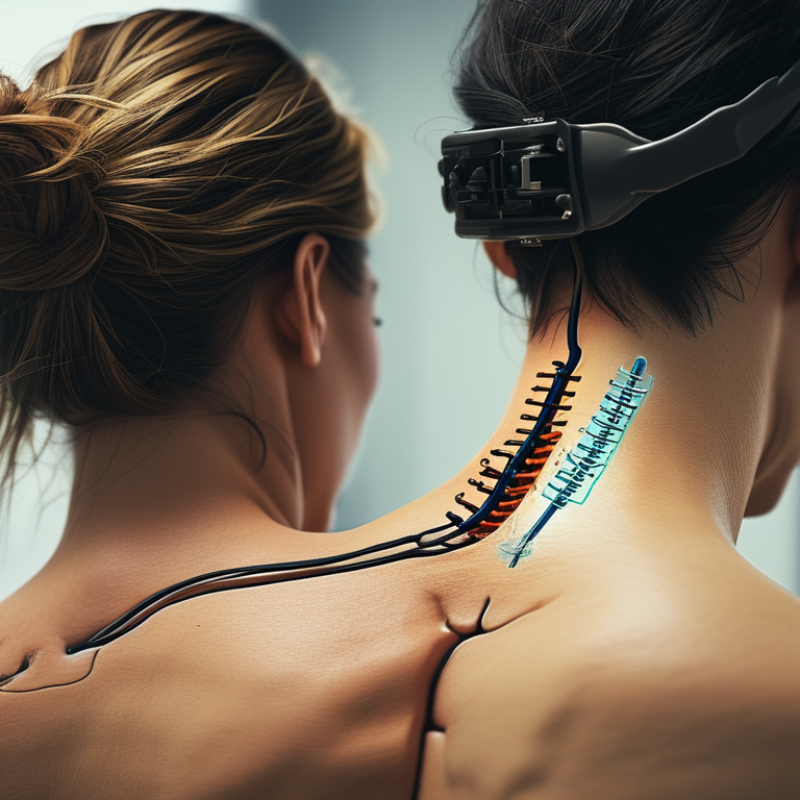
Back and neck pain affects millions worldwide. In the U.S. alone, about 80% of adults experience back pain at some point. This pain can stem from various causes, such as poor posture, muscle strain, or degenerative disc disease. Symptoms may include persistent discomfort, stiffness, and even radiating pain into the legs or arms.
Recent studies show that approximately 30% of those dealing with chronic pain opt for surgical solutions, including implants. These implants can relieve pain by stabilizing the spine and reducing pressure on nerves. They act as a supportive structure, allowing patients to regain mobility. However, not every case is suitable for implants. There are risks involved, including infection and implant failure, which need careful consideration.
Understanding the precise cause of pain is crucial. A thorough assessment by a specialist often leads to better treatment outcomes. While implants can provide relief, a holistic approach incorporating physical therapy and lifestyle changes is essential. Many patients report improvements, yet some still experience ongoing discomfort. Pain relief is not always guaranteed, and outcomes can vary significantly.
Implants have become a crucial option for individuals suffering from chronic back or neck pain. Various types of implants are designed specifically to address different pain conditions. Common types include spinal fusion devices, artificial discs, and pain-management stimulators. Each type targets specific areas, offering relief and improving quality of life.
Spinal fusion devices work by permanently joining two or more vertebrae. This can stabilize the spine and alleviate pain caused by conditions like degenerative disc disease. Artificial discs replace damaged discs and allow for normal movement. Studies show artificial disc replacements can reduce back pain by over 70%. Pain-management stimulators, on the other hand, work by interrupting pain signals sent to the brain. This method has shown a success rate of up to 80% in managing chronic pain.
While implants offer hope, not all patients experience significant relief. Factors like age, overall health, and the severity of the condition play a role. Some patients may also face complications, such as infections or implant failure. Continued research and clinical trials are necessary to enhance the effectiveness of these devices. Balancing the potential benefits and risks is crucial for both patients and healthcare providers.
Implants play a significant role in alleviating back and neck pain. They work by providing structural support to the spine. When vertebrae are compressed or damaged, implants can stabilize the area. This stability helps reduce pain signals sent to the brain. According to a study published in the Journal of Spine, 70% of patients report improvement after receiving spinal implants.
The mechanism behind this pain relief lies in the biological response to implants. When an implant is inserted, it promotes fusion. This fusion helps stabilize the spine, allowing it to heal properly. Research indicates that over 90% of patients experience reduced pain levels within six months post-surgery. This data highlights the efficiency of implants in treating chronic pain issues.
However, not every patient benefits equally from implants. Some may experience complications, such as infection or implant failure. Additionally, the psychological aspect cannot be overlooked. Patients' expectations play a crucial role in their recovery. Understanding these dynamics is essential for healthcare providers to manage outcomes effectively.
Implant surgery can provide significant relief for individuals suffering from back or neck pain. This method involves placing small devices within the body to stabilize the spine. Many patients report reduced discomfort after surgery. However, potential risks must be considered before proceeding. As with any surgical procedure, complications can arise.
Common risks include infection, nerve damage, and implant failure. Some patients might experience inadequate pain relief even after successful surgery. It’s essential to weigh these factors with the advice of a healthcare professional. Choosing the right surgeon can make a difference. Their expertise plays a crucial role in minimizing risks and improving outcomes.
Routine follow-ups are vital for monitoring the implant’s success. Patients should stay informed about their recovery journey and report any unusual symptoms promptly. Open communication with the healthcare team can help address concerns and promote trust. Surgery is not a guaranteed fix; careful consideration and realistic expectations are crucial for a successful experience.
After implant surgery, the recovery process plays a crucial role in the patient’s journey. Healing can take several weeks, depending on individual factors. Following the surgeon's directives is vital. Proper rest is essential. Gentle movement can promote circulation and reduce stiffness. Gradually increasing activity leads to better outcomes.
Physical therapy often begins shortly after surgery. This step is key in regaining strength. The therapist will tailor exercises to the patient's needs. It helps in building core stability. This is essential for long-term spinal health. Many patients find this part challenging. Patience and consistency are important.
Tips: Stay hydrated during recovery. It aids tissue healing. Engage in light stretching as permitted. This can enhance flexibility. Always listen to your body. If something doesn’t feel right, consult your doctor. Rectifying these small issues early can prevent larger problems later on.
| Dimension | Description | Impact on Recovery |
|---|---|---|
| Type of Implant | Spinal Fusion, Disc Replacement, Spinal Stabilization | Provides stability and alignment to reduce pain. |
| Recovery Time | Typically 6 weeks to 3 months | Length varies based on individual health and type of surgery. |
| Physical Therapy | Rehabilitation exercises and mobility training | Essential for regaining strength and flexibility post-surgery. |
| Pain Management | Medication, physical therapy, alternative treatments | Helps control pain during the recovery process. |
| Follow-Up Care | Regular check-ups with the surgeon | Ensures proper healing and addresses any complications. |
| Patient Education | Instructions on activity restrictions and home care | Improves self-management and promotes recovery. |
| Complications | Infection, device failure, nerve damage | Understanding risks helps in early identification and intervention. |
: Back and neck pain can result from poor posture, muscle strain, or degenerative disc disease.
About 80% of adults in the U.S. experience back pain at some point in their lives.
Some patients opt for surgical solutions like implants that stabilize the spine and reduce nerve pressure.
Yes, risks include infection, nerve damage, and the possibility of implant failure.
No, pain relief is not always guaranteed, and outcomes can vary significantly among patients.
A precise assessment by a specialist helps lead to better treatment outcomes for pain.
Recovery can take weeks, and following post-surgery directions is vital for optimal outcomes.
Physical therapy begins shortly after surgery, focusing on strength and core stability for long-term health.
Patients should listen to their bodies and consult their doctor about any unusual symptoms.
Staying hydrated aids tissue healing, contributing to better recovery outcomes.
Implants are increasingly recognized as a viable option for relieving back and neck pain, addressing a variety of underlying causes such as herniated discs, spinal injuries, and degenerative conditions. The types of implants used can vary, including artificial discs and spinal stimulators, each designed to target specific pain sources. Understanding how these implants relieve back or neck pain involves examining their mechanism of action—typically by stabilizing the spine, reducing nerve compression, or altering pain pathways.
While the potential benefits of implant surgery include significant pain relief, improved mobility, and enhanced quality of life, there are also associated risks such as infection or implant failure. The recovery process can be challenging, often requiring physical rehabilitation to help patients regain strength and function. Overall, implants can offer a promising solution for those struggling with chronic back or neck pain, offering hope for improved daily living.
