MGMT Orthopedic Implants
When facing the question, "Can I lift heavy objects with orthopedic implants," individuals often find themselves at a crossroads. The body, with its newfound modifications, presents unique challenges. The decision isn't merely about strength; it's about safety. Lifting heavy items may seem necessary in daily life, but it can strain healing tissues and joints.
Many people wonder about their limits after surgery. Each implant and recovery journey is different. Factors like age, implant type, and overall health shape these decisions. It's crucial to rely on medical expertise during this process. Professional guidance helps ensure that patients do not push their boundaries too soon.
Listening to one's body is vital. Pain signals and discomfort should never be ignored. Many underestimate the risks of lifting heavy weights. Reflection on personal situations can lead to safer choices. Seeking advice from orthopedic specialists is essential. Their experience provides a clear pathway toward a safe recovery. Understanding one's limits can enhance long-term well-being.
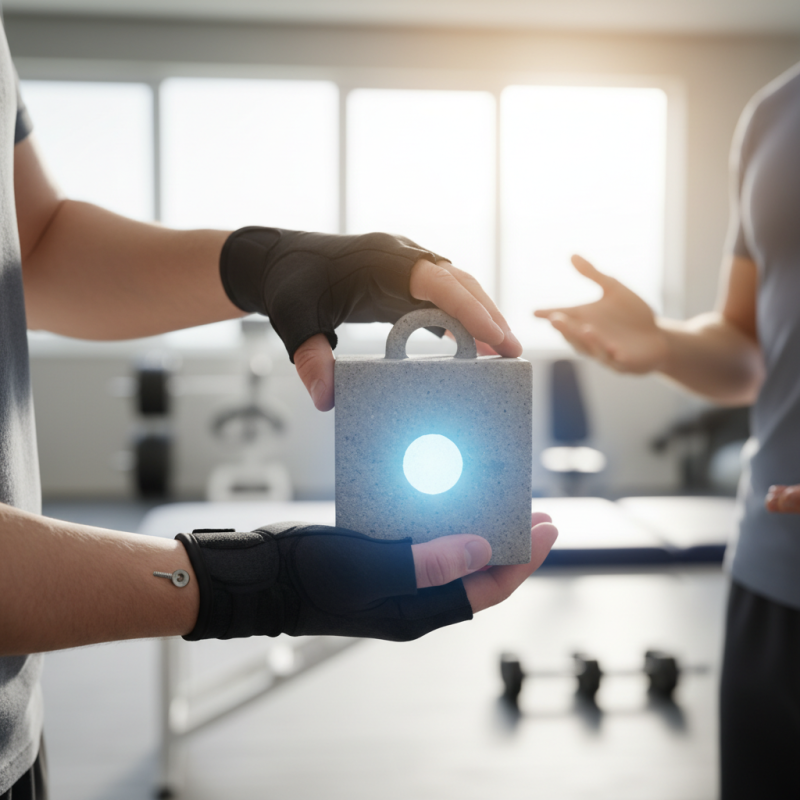
Orthopedic implants play a crucial role in modern medicine. They are designed to restore functionality and mobility to patients with injuries or conditions affecting bones and joints. These implants come in various forms, including plates, screws, and joint replacements, all tailored to meet specific needs. According to the American Academy of Orthopaedic Surgeons, over 1 million knee and hip replacements are performed annually in the United States alone. This growing number highlights the importance of understanding how orthopedic implants work.
The design of these implants has advanced significantly. Materials like titanium and polyethylene offer durability and biocompatibility. They provide stability and are less likely to be rejected by the body. However, patients often have questions about lifting heavy objects post-surgery. Experts suggest a gradual return to such activities. The American College of Rheumatology notes that the healing process varies, and while some may feel ready sooner, caution is necessary. Individual factors, including age and overall health, can influence recovery, emphasizing the importance of tailored advice from health professionals.
Despite advancements, challenges remain. Some patients experience limitations or discomfort. Learning to adapt daily activities is crucial for those with implants. Data from recent studies indicate that inappropriate lifting can result in complications, reinforcing the idea that safety cannot be compromised. It’s essential to listen to your body and consult with doctors regularly to ensure the best outcomes.
When considering lifting heavy objects with orthopedic implants, various factors come into play. One critical element is the type of implant used. Research indicates that titanium implants can withstand significant stress compared to other materials. For example, a study published in the Journal of Orthopedic Research highlights that titanium devices have a fatigue limit of around 900 MPa. This means they can handle substantial loads, but personal circumstances vary.
Another factor is an individual’s overall physical condition. A study from the American Academy of Orthopaedic Surgeons found that patients with good muscle strength have better outcomes post-surgery. Strength training can improve stability around the joints. However, lifting heavy items too soon after surgery may lead to complications. Many orthopedic surgeons recommend a gradual return to activity, allowing for recovery and adaptation.
Lastly, age and underlying health conditions also influence lifting ability. Older adults or those with chronic illnesses may require tailored lifting guidelines. It's essential to discuss personal circumstances with a healthcare professional. They can provide insights on suitable weights and techniques. Listening to one's body is crucial; ongoing pain or discomfort is a signal to reassess lifting habits.
After orthopedic surgery, lifting heavy objects can pose risks. It is crucial to follow specific guidelines for safe lifting. According to the American Academy of Orthopaedic Surgeons, patients should wait at least six to eight weeks post-surgery before attempting to lift heavy objects. This waiting period allows for adequate healing of the surgical site and reduces the risk of complications.
When you do return to lifting, proper technique is vital. Use your legs, not your back. Keep the load close to your body. Also, avoid twisting your torso while lifting. Studies suggest that improper lifting can lead to reinjury in 20% of patients with orthopedic implants. Staying mindful of how much weight you lift is essential. Start with lighter loads and gradually increase to avoid straining your body.
Listening to your body is also crucial. Pain is an indicator that something isn't right. If you feel discomfort when lifting, reevaluate your technique or the weight you're handling. Consulting with a physical therapist can provide tailored advice. This expertise can help you transition back to lifting safely and effectively, ensuring your recovery remains on track.
Lifting heavy objects with orthopedic implants raises significant risks. Implants, no matter how well-designed, can compromise stability. Fractures or dislocations are possible if heavy weights are lifted too soon after surgery. The connection between the bone and implant may weaken over time, increasing the potential for injury.
Even with a doctor's approval, caution is essential. Some activities might seem safe but pose hidden dangers. For instance, lifting awkwardly can strain surrounding muscles. This could lead to tears or sprains. Awareness of body mechanics is crucial. Small, frequent tasks can sometimes be more challenging than a one-time lift.
Listening to your body is key. If you feel pain during any activity, stop immediately. Reflect on your limitations and adapt your routines. Seek guidance from healthcare providers about safe lifting techniques. Every person's recovery differs; being cautious is not a sign of weakness. Rather, it shows a commitment to long-term health.
When considering lifting heavy objects with orthopedic implants, consulting a healthcare provider is crucial. Many patients underestimate the risks associated with their implants. According to data from the American Academy of Orthopaedic Surgeons, around 95% of patients report wanting to resume physical activity post-surgery. However, opinions vary widely on what constitutes safe lifting.
Health professionals often emphasize the importance of individual assessments. Factors such as the type of implant, overall health, and activity level can significantly influence safety. For instance, a report by the Journal of Orthopaedic Research highlights that inadequate post-surgery guidance may lead to complications for 30% of patients who resume heavy lifting too soon. A bespoke recovery plan tailored to one’s unique situation can help mitigate risks.
Moreover, knowing when to listen to expert advice is essential. The nuances of recovery can be complex. Many people may feel ready to lift but may not fully grasp the implications. A detailed discussion with an orthopedic specialist can provide vital insights into when to safely incorporate heavy lifting into routines. Engaging with healthcare providers helps ensure that patients are well-informed about potential risks and safe practices moving forward.
: Wait at least six to eight weeks post-surgery. This allows proper healing.
Use your legs for lifting. Keep the load close to your body and avoid twisting.
Improper lifting can lead to reinjury in 20% of patients with orthopedic implants.
Stop immediately and reevaluate your technique. Pain indicates something may be wrong.
They offer tailored advice considering your implant type, health, and activity levels.
Yes, small tasks may strain muscles unexpectedly. Being cautious is essential.
Listen to your body and seek guidance from healthcare providers on lifting safely.
Around 95% of patients express a desire to return to physical activities.
Yes, many may feel ready but don’t fully understand the risks involved.
Reflect on your limitations and adjust your lifting activities accordingly.
The article "Can I Lift Heavy Objects with Orthopedic Implants Safely?" provides valuable insights into the functionality of orthopedic implants and their impact on lifting capabilities. It explores key factors that influence the ability to lift heavy objects, such as the type of implant used, healing progress, and individual physical condition. The article offers guidelines for safe lifting post-surgery, emphasizing the importance of adopting proper techniques and understanding personal limitations.
Additionally, it outlines the potential risks involved in lifting heavy objects while using implants, including the possibility of injury or implant failure. The significance of consulting a healthcare provider is underscored, advising when and why patients should seek professional guidance to ensure safe practices. Overall, the article addresses the crucial question, "Can I lift heavy objects with orthopedic implants?" by outlining the necessary precautions and considerations for those with such medical devices.
