Orthopedic implant surgery is a critical procedure for many patients suffering from joint issues or injuries. This process involves carefully placing an implant to restore mobility and alleviate pain. Statistics from the American Academy of Orthopaedic Surgeons show that around 2 million joint replacement surgeries occur in the United States each year. These numbers underscore the importance of understanding what happens during orthopedic implant surgery.
Dr. Susan Kim, an orthopedic surgeon at the Mayo Clinic, states, “Informed patients experience better outcomes.” She emphasizes that knowing the surgery's steps can ease patient anxiety and enhance recovery. During the operation, surgeons remove damaged bone and tissue. They then position the implant precisely, using advanced imaging technology for guidance.
However, potential complications exist, such as infection or implant failure. Recovery is not instantaneous; rehabilitation plays a vital role in healing. Patients can face setbacks, and it’s crucial for both them and surgeons to recognize these challenges. Overall, understanding what happens during orthopedic implant surgery can help patients prepare better, ensuring a more successful journey toward recovery.
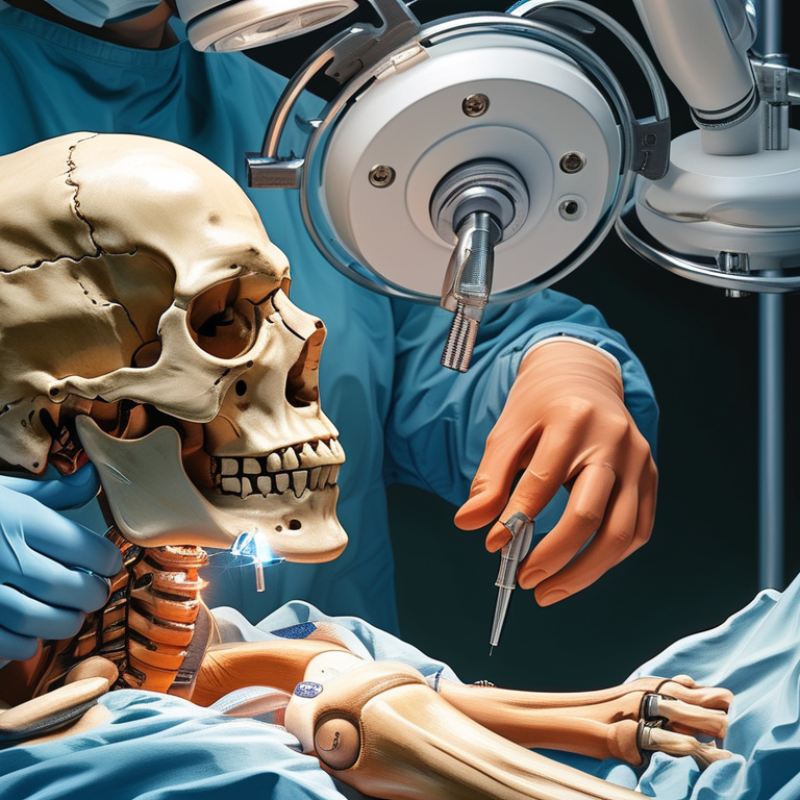
Overview of Orthopedic Implant Surgery
Orthopedic implant surgery has become a pivotal aspect of modern medicine. This procedure mainly focuses on replacing or supporting damaged bones and joints. Reports indicate that over 1 million joint replacement surgeries are performed annually in the United States alone. These implants can restore mobility and improve the quality of life for countless patients.
During the surgery, surgeons work meticulously to insert the implant into the bone. The entire process can take several hours. While most patients experience significant improvements, complications may arise. For instance, infections and implant failures happen occasionally, which underscores the importance of skilled surgical techniques. A study revealed that nearly 2% of patients may face complications post-surgery.
Recovery is another critical phase where careful monitoring is crucial. Rehabilitation often requires physical therapy, and recovery times can vary significantly. Some patients fully regain function within months, while others may experience challenges. Patient education and realistic expectations play a vital role in this process. Understanding the risks involved can help patients make informed choices.
Preoperative Preparations for Surgery
Preoperative preparations for orthopedic implant surgery are crucial for a successful outcome. Patients typically undergo thorough medical evaluations. This may include imaging tests like X-rays or MRIs. Surgeons assess the patient's health history and any pre-existing conditions. Blood tests help identify any risk factors. These evaluations ensure that the procedure is safe and effective.
Communication is key during this stage. Surgeons discuss the operation's specifics, including potential risks. Patients should ask questions. Understanding the process can alleviate anxiety. Patients are advised to refrain from certain medications, especially blood thinners. They might receive guidelines on eating and drinking before surgery.
Emotional readiness is often overlooked. Patients may feel anxious or uncertain. It’s essential to address these feelings. Support from family and friends can be beneficial. Engaging in relaxation techniques may help. Remember, every detail can make a difference. Overlooking one small aspect could impact recovery.
Preoperative Preparations for Orthopedic Implant Surgery
Step-by-Step Procedure of Implantation
Orthopedic implant surgery involves careful planning and execution. The procedure typically begins with patient evaluation. The medical team assesses the patient's condition and decides the best approach. Imaging studies, like X-rays or MRIs, help visualize the injury or joint. This stage is critical; any oversight can lead to complications later on.
Once approved, the patient undergoes anesthesia to ensure comfort. The surgeon makes an incision near the affected area. This incision is strategic to minimize tissue damage. After accessing the bone or joint, the surgeon prepares the site for the implant. This includes cleaning the area and sometimes reshaping bone surfaces. The implant is then inserted, requiring precision and expertise.
After placement, the surgeon closes the incision with sutures. The recovery phase starts immediately, but it varies for each patient. Physical therapy often follows to restore function. Patients may experience pain and swelling, which is normal. Managing expectations and understanding the healing process is essential. Each step, while carefully planned, may not go perfectly, inviting reflection on individual experiences.
Postoperative Care and Recovery Process
Postoperative care is crucial after orthopedic implant surgery. Patients typically stay in the hospital for a few days. During this time, healthcare providers monitor vital signs closely. Pain management is a key focus. Pain may be managed through medications, but side effects should be discussed. It’s important to communicate openly about discomfort.
Once discharged, patients often receive specific instructions. Wearing a brace or using crutches may be necessary to ensure proper healing. Physical therapy usually begins within a few weeks. Early movement helps reduce stiffness but should be balanced. There’s a risk of pushing too hard, which can hinder recovery.
Follow-up appointments are essential to assess healing. Patients might feel anxious about their progress. They may wonder if they are doing everything right. It’s natural to have doubts, but regular check-ups can help alleviate concerns. Support from family and friends plays a key role in the recovery journey. It’s important to have a solid support system during this time.
What Happens During Orthopedic Implant Surgery Explained? - Postoperative Care and Recovery Process
| Data Dimension |
Details |
| Surgery Type |
Total Joint Replacement |
| Common Implants Used |
Knee, Hip, Shoulder |
| Average Surgery Duration |
1.5 to 3 hours |
| Anesthesia Type |
General or Regional Anesthesia |
| Postoperative Hospital Stay |
1 to 3 Days |
| Physical Therapy Start |
Within 24 Hours Post-Surgery |
| Full Recovery Time |
3 to 6 Months |
| Common Risks |
Infection, Blood Clots, Implant Failure |
| Follow-up Visits |
1, 3, and 6 Months Post-Op |
Potential Risks and Complications of the Surgery
Orthopedic implant surgery can offer significant benefits, yet it carries potential risks and complications. According to the American Academy of Orthopaedic Surgeons, complications can occur in about 2% to 5% of surgeries. Infection stands as one of the most severe risks. Post-surgical infections can lead to prolonged hospital stays and additional surgeries for treatment. It's essential to recognize early signs, such as increased pain, redness, or swelling around the implant area.
Another notable risk is implant failure, which may result from improper placement or biomechanical overloading. Studies indicate that approximately 10% of implants may fail within 10 to 15 years, depending on various factors like patient activity levels and overall health. Patients should be made aware that ongoing monitoring is crucial. Regular check-ups help identify issues before they escalate.
Tips: Follow your surgeon's post-operative care instructions closely. Adhering to activity restrictions is key. Maintaining a healthy weight can also reduce stress on the implant. It's crucial for patients to evaluate their lifestyle choices post-surgery to minimize risks effectively. Always discuss your concerns and medical history thoroughly before proceeding.
Conclusion
Orthopedic implant surgery is a complex medical procedure aimed at correcting musculoskeletal issues through the insertion of medical devices. In the preoperative phase, patients undergo thorough evaluations and preparations to ensure their readiness for surgery, which includes imaging studies and consultations. During the surgery, a step-by-step procedure is followed where the damaged joint or bone is accessed, and the implant is precisely placed to restore function.
Postoperative care and recovery are crucial, as they involve monitoring the surgical site, managing pain, and initiating rehabilitation to regain mobility. It's important to understand what happens during orthopedic implant surgery, as there are potential risks and complications that patients should be aware of, such as infection or implant failure. Overall, this surgery can significantly improve the quality of life for individuals with severe orthopedic conditions.
 MGMT Orthopedic Implants
