Are orthopedic implants permanent? This question looms large for many patients facing joint issues. Dr. Emily Carter, a leading orthopedic surgeon, states, "While implants can provide significant relief, permanence isn't guaranteed." Her insight sheds light on a complex reality.
Orthopedic implants, like artificial joints, are often seen as a definitive solution. However, many factors affect their longevity. Patients’ age, activity level, and overall health can impact how well these implants function over time. Failure or complications can arise, leading to the need for revisions or replacements.
The promise of a pain-free life is enticing, but it is essential to recognize the limitations. Implants require ongoing care and monitoring. They may not last for a lifetime in every case. Real experiences vary, and some patients find themselves facing unexpected challenges. Thus, when considering, "Are orthopedic implants permanent?" it's crucial to engage in open discussions with healthcare professionals. Understanding the risks can shape better patient expectations and outcomes.
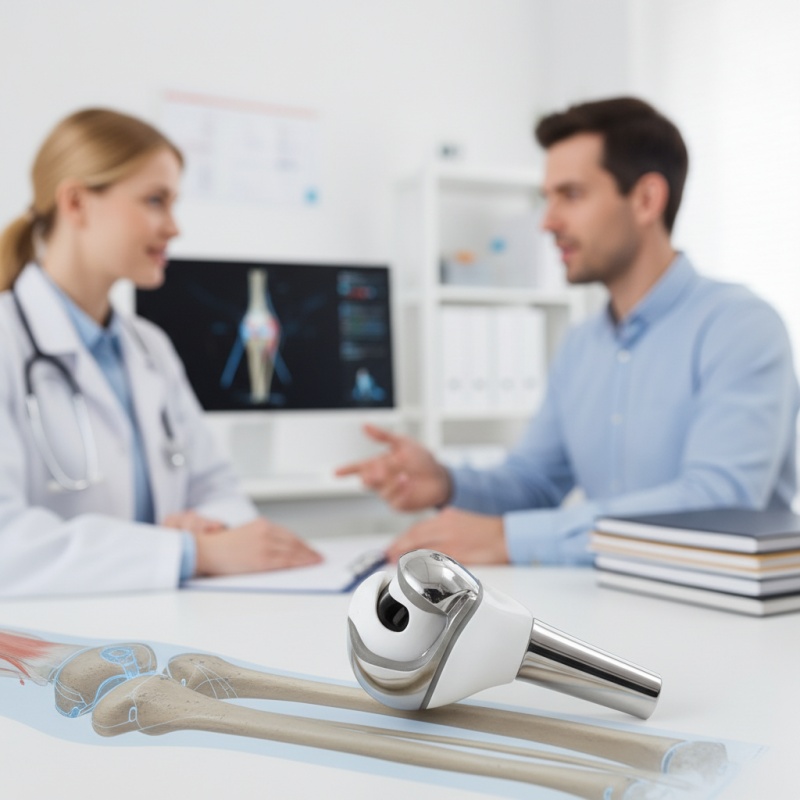
Understanding Orthopedic Implants: Definition and Types
Orthopedic implants are innovative solutions for various joint issues. They include devices like screws, plates, and artificial joints. These implants help restore function and relieve pain for patients suffering from conditions like arthritis or fractures. The materials used in these implants are typically biocompatible, allowing them to integrate well with the body.
Several types exist, specific to different joints. For instance, knee implants can be total or partial, depending on the damage. Hip implants may utilize ceramic or metal materials. Each type is designed for durability and optimal performance. However, the longevity of these implants can vary, and patients must be aware that not all implants last a lifetime.
Patients should reflect on their unique conditions. Factors like age, activity level, and overall health can influence the effectiveness of an implant. Proper aftercare and rehabilitation are essential to ensure the best results. Despite the advancements, outcomes can be unpredictable, and some may require revision surgeries. Understanding these nuances is crucial for informed decision-making.
Common Joint Issues Addressed by Orthopedic Implants
Orthopedic implants play a significant role in addressing various joint issues. Conditions like osteoarthritis and severe fractures often require these devices for effective treatment. Osteoarthritis, a degenerative joint disease, leads to pain and reduced mobility. Implants can replace damaged cartilage or bone, offering relief and improved function.
Additionally, trauma cases, such as fractures, may necessitate fixation devices. These implants help stabilize broken bones, ensuring proper healing. They provide structural support during recovery. While they often lead to successful outcomes, not all patients enjoy a complete fix.
Some may experience complications or persistent pain. Regular follow-ups and adjustments may be needed to optimize their functionality.
Joint-related surgeries utilizing implants are common. However, the permanence of these solutions can vary. Some patients find that implants wear out or loosen over time. This leads to the need for revisions. Reflecting on these aspects is essential for patients considering orthopedic options. Proper consultation with specialists will help set realistic expectations for outcomes.
The Procedure: How Orthopedic Implants Are Installed
The installation of orthopedic implants involves several critical steps. Initially, a detailed assessment is conducted. X-rays or MRIs help assess joint damage. This ensures that the right type of implant is selected. The procedure usually occurs in a sterile operating room. An anesthetic is administered to keep the patient comfortable.
Once ready, the surgeon makes a precise incision. They carefully expose the joint area to insert the implant. Failure to align the implant correctly can lead to complications. After placing the implant, the surgeon closes the incision. Stitches or staples secure the skin. Recovery will vary based on the individual and the implant type.
Tips: Always discuss your specific condition with your surgeon. Understanding the risks involved is essential. Additionally, ensure that you follow post-operative care instructions closely. Regular follow-ups can help monitor healing. These steps are crucial for the success of the procedure.
Are Orthopedic Implants Permanent Solution for Joint Issues? - The Procedure: How Orthopedic Implants Are Installed
| Aspect |
Details |
| Type of Implants |
Metallic, Polymer, Biological |
| Common Uses |
Knee Replacement, Hip Replacement, Trauma Fixation |
| Installation Procedure Duration |
1 to 3 hours depending on the complexity |
| Recovery Time |
6 weeks to several months for full recovery |
| Success Rate |
80% to 95% depending on the type of implant and procedure |
| Potential Complications |
Infection, Implant Failure, Allergic Reaction |
| Long-term Outcomes |
Many experience pain relief and improved functionality |
Longevity and Maintenance of Orthopedic Implants
Orthopedic implants play a crucial role in treating joint issues. However, their longevity varies depending on several factors. Most implants can last from 10 to 20 years, but some may need replacement sooner due to wear or complications. Patient age, activity level, and overall health significantly influence implant durability.
Maintenance is essential for optimal function. Regular check-ups with a healthcare provider are necessary. Early identification of problems can prevent more significant issues later on. Patients should also monitor for any unusual symptoms, such as swelling or pain. Lifestyle choices impact implant longevity too. A balanced diet and regular exercise enhance outcomes but can be challenging for some.
Despite advancements in technology, no implant is truly permanent. Patients may face revisions or replacements as time goes on. Understanding these realities can lead to better management of expectations and health outcomes. It is essential to stay informed and be proactive about joint health.
Potential Risks and Complications of Orthopedic Implants
Orthopedic implants are often seen as a permanent fix for joint issues. However, they come with potential risks and complications. Surgical placement of these implants doesn't guarantee success for every patient. Infection is a common concern. It can arise shortly after surgery or even years later.
Patients may also experience implant failure. This can happen due to wear and tear or improper alignment. Some may face chronic pain despite the surgery. A clear understanding of these risks is crucial for anyone considering surgery. Healing varies greatly from person to person. A tailored recovery plan is essential.
Tips for managing risks include:
- Always discuss potential complications with your surgeon beforehand. Knowledge is power.
- Follow postoperative instructions closely. This aids recovery and reduces complications.
- Stay engaged with your healthcare provider. Regular check-ups help catch early signs of issues.
Being informed and proactive can make a difference. It's vital to weigh the benefits against the potential risks. Satisfaction with orthopedic implants is varied. Each patient's response is unique.
FAQS
: Orthopedic implants address issues like osteoarthritis and severe fractures. They restore function and relieve pain.
Implants can replace damaged cartilage or bone. This leads to improved mobility and less discomfort.
Implants stabilize broken bones, providing support during healing. They are crucial in trauma cases.
Not every patient experiences full recovery. Some may have ongoing pain or complications after surgery.
Risks include infection, implant failure, and chronic pain. These can occur anytime after the procedure.
Discuss risks with the surgeon, follow post-op instructions, and stay engaged with healthcare providers.
Implants can wear out or loosen, potentially requiring revisions. Regular check-ups are important.
Reflecting on outcomes helps set realistic expectations. Each patient's experience can be quite different.
Implants may not always be permanent fixes. Awareness of this variability is crucial for patients.
Healing varies greatly from person to person. A tailored recovery plan can enhance healing success.
Conclusion
Orthopedic implants are medical devices used to address various joint issues, such as arthritis and fractures. These implants come in several types, each designed to support or replace damaged joints. The installation procedure involves surgical intervention, where the implant is precisely positioned to restore joint function. While many patients experience significant relief and improved mobility, it is crucial to understand whether these devices are permanent solutions. The question "Are orthopedic implants permanent?" arises as their longevity can vary based on multiple factors, including the type of implant and the patient's lifestyle.
Maintenance is key to maximizing the effectiveness of orthopedic implants, as they may require monitoring and occasional adjustments. Despite their benefits, potential risks and complications, such as infection or implant failure, cannot be overlooked. Overall, while orthopedic implants can provide long-term solutions to joint issues, their permanence is subject to individual circumstances and ongoing care.
 MGMT Orthopedic Implants
