MGMT Orthopedic Implants
Are orthopedic implants permanent? The honest answer depends on the implant, the patient, and what “permanent” really means. A titanium hip stem may remain in the body for decades, while a knee replacement can gradually wear under repeated movement. Some spinal hardware stays in place indefinitely, yet it may be removed if it causes pain, infection, or another complication. Permanent is not always the same as lifelong.
Buyers should look beyond a product brochure. Ask about the implant’s materials, expected service life, warranty limits, revision rates, and clinical evidence. A surgeon should also explain how age, bone quality, body weight, activity level, and medical conditions may affect performance. For example, a highly active patient may place greater stress on a joint replacement than someone with lighter daily movement. A loose screw, worn bearing, or damaged surrounding bone can change the treatment plan.
Details matter.
No implant can promise a perfect outcome. Even well-established devices may require monitoring, imaging, rehabilitation, or future revision surgery. That possibility can feel unsettling, especially when advertisements use confident language. It is worth questioning those promises. Product approval does not guarantee that every patient will experience the same result.
Reliable decisions come from conversations with qualified orthopedic specialists and careful review of current evidence. Buyers should record the implant’s exact name and model, keep follow-up appointments, and report new swelling, instability, warmth, drainage, or increasing pain. The goal is not simply to find an implant that lasts forever. It is to choose an appropriate device, understand its limitations, and plan responsibly for the years ahead.
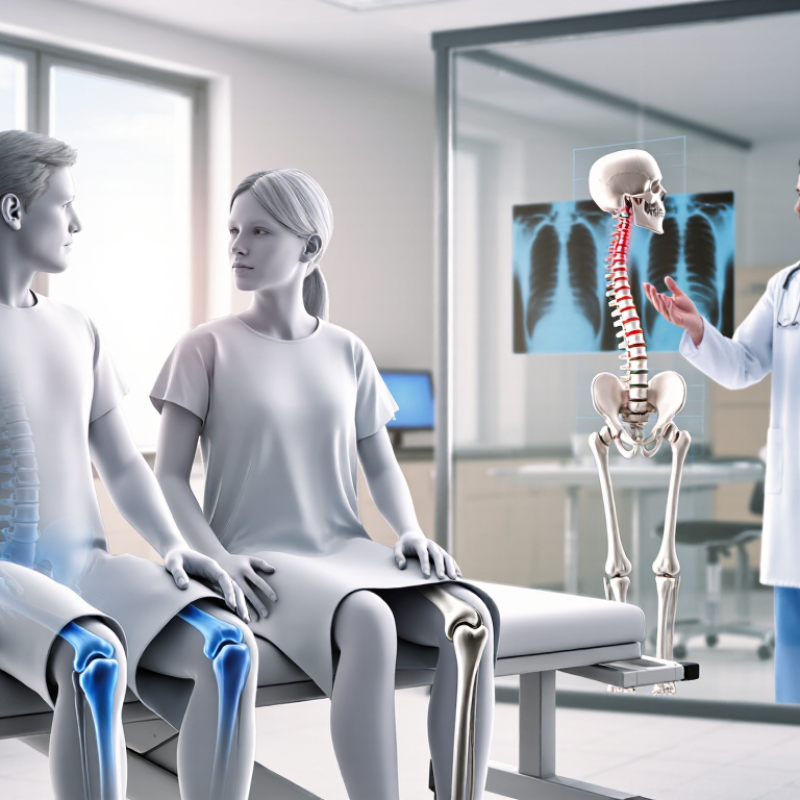
Orthopedic implants are medical devices placed inside or on the body to support damaged bones, joints, or soft tissues. They include plates, screws, rods, pins, spinal cages, and artificial hips or knees. Some remain outside the joint and stabilize a fracture while bone heals. Others replace worn surfaces and restore smoother movement.
The need is substantial. The World Health Organization estimates that 1.71 billion people live with musculoskeletal conditions worldwide. Osteoarthritis, fractures, sports injuries, and age-related bone loss often reduce walking ability and independence. An implant can realign a broken bone, reduce pain, or help a joint carry daily loads. It does not create a normal joint. It creates a safer mechanical environment.
“Permanent” can mislead. A metal plate may stay for life, but a surgeon may remove it after healing if it causes irritation. Joint replacements can also wear, loosen, or require revision. The UK National Joint Registry’s 21st Annual Report tracks more than three million hip and knee replacement procedures, showing how widely these devices are used and monitored. Registry data also demonstrates that outcomes vary with age, diagnosis, surgical technique, activity, and implant position.
Buyers should ask about the material, expected service life, imaging compatibility, follow-up schedule, and revision risks. A lower price alone says little about long-term suitability. The uncomfortable part is that no implant guarantees permanent comfort.
Orthopedic implants are not automatically permanent. Their useful life depends on implant type, patient activity, bone quality, surgical technique, and follow-up care. A hip or knee replacement commonly lasts 15 to 20 years, although some perform longer. A 2019 Lancet analysis found that about 58.7% of total hip replacements remained unrevised after 25 years. Total knee replacements showed stronger long-term results, with approximately 82% surviving that period.
Registry data offers a practical reality check. The Australian Orthopaedic Association National Joint Replacement Registry reports revision rates by age, joint, fixation method, and diagnosis. Younger patients often face higher lifetime revision risk because they place more cycles of stress on the implant. Spinal cages, rods, plates, and screws may stay in place permanently, but they do not guarantee permanent pain relief or spinal stability. Some fracture plates and screws are removed after healing; others remain unless irritation or infection develops. Timing varies widely.
Numbers can mislead.
Buyers should ask for five-year and ten-year revision data, not only laboratory wear results. The UK National Joint Registry also shows that implant survival differs between designs and patient groups. These reports are valuable, but they cannot predict one individual’s outcome. Even a well-designed implant may loosen, wear, fracture, or require revision. My practical concern is often overlooked: the implant may last, while surrounding bone and soft tissue change. Clear documentation, qualified surgical care, and long-term monitoring matter as much as the device itself.
Are Orthopedic Implants Permanent? What Buyers Need to Know
Factors That Can Affect Implant Lifespan and Performance
Orthopedic implants are not automatically permanent. Their lifespan depends on biology, mechanics, surgical accuracy, and daily loading. A hip, knee, plate, or spinal device may perform for decades, but no calendar promise is reliable. That uncertainty matters when comparing treatment options.
Bone quality strongly affects fixation and stability. Osteoporosis, poor nutrition, smoking, and certain medical conditions can slow healing. Excess body weight may increase stress on weight-bearing implants. Repetitive impact, heavy lifting, and high-intensity sports can also accelerate wear. Even ordinary movement matters when repeated thousands of times.
Surgical alignment is critical. A small imbalance can create uneven pressure, discomfort, or premature loosening. Implant material, design, and surface condition also influence performance. Infection remains a serious concern, even when the original procedure seemed successful. New swelling, warmth, drainage, instability, or persistent pain needs prompt medical assessment.
Follow-up care is practical, not optional. Scheduled imaging can reveal migration, fracture, or wear before symptoms become severe. Patients should discuss activity limits, bone health, medication effects, and realistic replacement risks with a qualified orthopedic professional. A common assumption deserves correction: “permanent” often means long-lasting, not indestructible. Lifespan estimates can be useful, but they are still estimates. Individual results vary, sometimes unexpectedly.
Reported long-term implant survival decreases gradually over time. The chart shows pooled estimates for total hip and total knee replacements, illustrating why implant lifespan depends on patient factors, activity level, surgical technique, implant positioning, wear, infection, bone quality, and overall health.
These are population-level estimates, not a guarantee for an individual patient. Modern implants can last decades, but some require revision earlier because of wear, loosening, fracture, infection, instability, or changing patient needs. Source: Evans et al., The Lancet, 2019, systematic review and meta-analysis of joint replacement survival.
Pain after an orthopedic implant should not automatically be called “normal.” New or worsening pain deserves medical attention, especially after a symptom-free period. The American Academy of Orthopaedic Surgeons reports that infection affects roughly 1% to 2% of primary joint replacements. Redness, warmth, drainage, fever, or chills can signal infection. Sometimes, the signs are subtle.
Mechanical problems may appear differently. A new clicking sound, instability, limb-length change, reduced movement, or difficulty carrying weight can indicate loosening, wear, fracture, or dislocation. Sudden calf swelling, chest pain, or breathing difficulty requires urgent medical care. Do not massage a swollen leg or wait for the pain to disappear.
The 2024 National Joint Registry annual report shows that revision risk varies by joint, implant design, surgical factors, and patient characteristics. An implant is not automatically permanent. Many remain functional for decades, but no registry result predicts one person’s outcome. The U.S. Food and Drug Administration also notes that adverse-event reports cannot establish true complication rates or prove causation. That limitation matters.
Keep a simple symptom record. Note pain location, walking distance, swelling, temperature, and when symptoms began. Bring imaging reports and implant information to an orthopaedic clinician. A physical examination, X-ray, blood test, or advanced scan may be needed. One imperfect assumption is common: a quiet implant is not always a healthy implant. Regular follow-up still matters.
An orthopedic implant is not automatically permanent. Its expected lifespan depends on the joint, materials, surgical technique, bone quality, activity, age, and overall health. Some implants function for decades, while others require earlier revision. “Permanent” is often a planning term, not a guarantee. That distinction matters when comparing treatment options and future costs. Ask the orthopedic team what replacement risks are realistic for your specific case.
Follow-up care does not end when the incision heals. Appointments may include wound checks, movement testing, strength assessment, and X-rays. The schedule varies, but many patients receive early reviews and periodic monitoring. Keep copies of imaging reports and surgical details. They can help if you change doctors or need care while traveling.
Report increasing pain, warmth, swelling, drainage, fever, new instability, or reduced movement promptly. Small changes can be clinically important.
Implant replacement may become necessary because of loosening, wear, infection, fracture, instability, or repeated pain. However, pain alone does not prove implant failure. Examination and imaging usually guide the decision. Recovery from revision surgery can be longer and more demanding than the original procedure.
Ask about bone loss, expected rehabilitation, temporary restrictions, and possible complications. I would not assume one follow-up schedule fits everyone. Personal risk, evidence, and honest discussion should shape the plan.
They support damaged bones, joints, or soft tissues. Plates and screws can stabilize fractures during healing. Artificial joints can restore smoother movement. They create a safer mechanical environment, not a normal joint.
Not automatically. Some remain in the body for decades. Others may loosen, wear, or need revision. A plate might stay permanently or be removed after healing. “Permanent” is not indestructible.
Poor bone quality can weaken fixation. Smoking, poor nutrition, and some illnesses may slow healing. Extra body weight increases stress on weight-bearing implants. Repeated impact, heavy lifting, and intense sports may accelerate wear.
Yes. Small alignment errors can create uneven pressure. This may cause discomfort or early loosening. Implant design, material, and surface condition also influence performance. Results vary between individuals.
Ask about materials, expected service life, imaging compatibility, and revision risks. Discuss bone health, activity limits, medication effects, and future costs. A lower price alone proves little. I would not treat a sales estimate as medical certainty.
Follow-up may include wound checks, movement testing, strength assessment, and X-rays. Imaging can identify migration, fracture, or wear before serious symptoms appear. Keep copies of imaging reports and surgical details. They may help when changing doctors or traveling.
Seek medical advice for increasing pain, warmth, swelling, drainage, or fever. New instability and reduced movement also matter. Small changes can be clinically important. Do not simply wait.
Revision may be considered for loosening, wear, infection, fracture, instability, or repeated pain. Pain alone does not prove implant failure. Examination and imaging usually guide the decision. Revision recovery can be longer and more demanding. That possibility deserves honest planning.
Are orthopedic implants permanent? The answer depends on the type of implant, its location, the patient’s health, activity level, and how well the surrounding bone and tissue respond. Orthopedic implants are medical devices used to stabilize, replace, or support damaged joints and bones. Some may function effectively for many years, while others can experience wear, loosening, fracture, infection, or changes in the surrounding bone over time. Joint replacements, plates, screws, and spinal devices each have different expected lifespans and performance considerations.
Buyers should understand that implant durability is not guaranteed and that regular follow-up care is essential. New or worsening pain, swelling, reduced movement, instability, unusual sounds, fever, or changes around the surgical area may require medical evaluation. If an implant no longer performs properly, a healthcare professional may recommend monitoring, treatment, or revision surgery. Before choosing an implant, patients should discuss expected longevity, risks, maintenance, replacement possibilities, and follow-up requirements with a qualified medical provider.
