In the field of surgery, understanding how is minimally invasive surgery different from open surgery is essential. Both techniques serve the same purpose but vary significantly in approach and recovery. Minimally invasive surgery typically involves smaller incisions. This leads to less trauma for the patient, reducing pain and recovery time. Open surgery, on the other hand, requires larger incisions, which can result in longer healing periods.
The differences extend beyond just incision size. Instruments used in minimally invasive procedures are distinct. They often include specialized cameras and tools designed for precision. This technological edge can enhance outcomes but may also present challenges. Surgeons must possess specific skills and training for these intricate procedures. Open surgery may provide a clearer view of the operating area, yet it may also lead to extended hospitalization.
Patients often question the best option for their conditions. While minimally invasive methods offer numerous benefits, not every case is suitable for this approach. Reflecting on these factors is crucial for informed decision-making.
Understanding Minimally Invasive Surgery: Definitions and Techniques
Minimally invasive surgery (MIS) has revolutionized the medical field. This technique uses small incisions instead of larger cuts required in open surgery. Surgeons utilize special instruments and cameras to conduct procedures with precision. Patients often experience less pain and a quicker recovery time.
There are various techniques involved in MIS. Laparoscopy, for instance, allows surgeons to operate through tiny incisions using a camera, known as a laparoscope. Robotic-assisted surgery takes this a step further. Surgeons control robotic tools for enhanced accuracy. Each technique has its unique benefits and challenges.
Yet, it is important to note that not all conditions are suitable for MIS. Some patients may require more traditional open surgery for complex issues. Each patient's case must be evaluated carefully. As surgical technology evolves, the role of minimally invasive techniques continues to grow, but there remains room for improvement and adaptation in diverse medical situations.
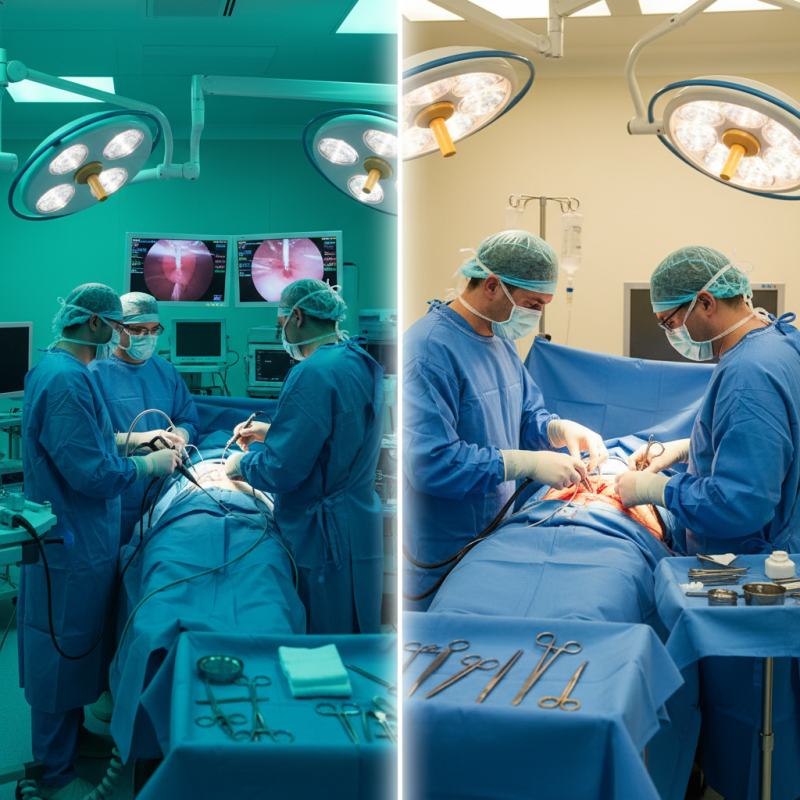
Comparison of Minimally Invasive vs. Open Surgery
Overview of Open Surgery: Procedures and Applications
Open surgery is a traditional surgical technique that involves large incisions. It provides direct access to organs and tissues. This approach is often utilized in complex procedures, such as heart surgery, abdominal surgery, and orthopedic operations. According to a recent report by the American College of Surgeons, over 60% of surgical procedures performed in hospitals are open surgeries.
Surgeons are trained to manage complications associated with open surgery, which can include infection and longer recovery times. On average, patients may face a hospital stay of 4 to 7 days after an open surgery. In contrast, minimally invasive surgeries often allow patients to return home within 24 hours. However, open surgery may still be necessary in cases where extensive tissue manipulation is required.
Tips: Opt for a pre-operative consultation to discuss the specific procedure's risks and recovery timelines. Understanding the surgical approach can affect your recovery mindset. Always inquire about alternatives and outcomes based on your medical history.
Key Differences in Surgical Approach and Patient Recovery
Minimally invasive surgery (MIS) and open surgery represent two distinct approaches to treating various medical conditions. MIS often involves smaller incisions, which leads to reduced pain post-operation. This can significantly shorten hospital stays. In contrast, open surgery typically requires larger incisions. As a result, patients might experience more discomfort and a longer recovery period. However, open procedures allow for greater visibility and access, which can be crucial in complex cases.
Recovery times differ considerably between these two surgical techniques. Patients who undergo MIS often resume daily activities within days. They experience less trauma to surrounding tissues, which accelerates healing. Open surgery, however, may result in longer recovery times, often several weeks. Patients frequently need more intensive care and monitoring. Complications like infections or slow-healing wounds are more common in open surgeries. These factors can impact not just physical health, but also mental well-being.
Both methods have their pros and cons. The choice of technique often depends on the complexity of the condition being treated. Surgeons assess each case individually, considering patient health and potential outcomes. This personalized approach showcases the importance of expertise in making surgical decisions, highlighting the need for patient education throughout the process.
China Top 10 Differences Between Minimally Invasive and Open Surgery
| Aspect |
Minimally Invasive Surgery |
Open Surgery |
| Surgical Technique |
Uses small incisions and specialized instruments |
Involves larger incisions to access the surgical area |
| Recovery Time |
Shorter recovery time (days to weeks) |
Longer recovery time (weeks to months) |
| Pain Levels |
Generally less pain |
More postoperative pain |
| Scarring |
Minimal scarring |
More prominent scarring |
| Blood Loss |
Less blood loss during surgery |
Higher risk of blood loss |
| Hospital Stay |
Shorter hospital stay |
Longer hospital stay |
| Risk of Infection |
Lower risk of infection |
Higher risk of infection |
| Precision |
Higher precision due to camera guidance |
Variable precision depending on surgeon's technique |
| Technique Adaptability |
Works for various small procedures |
Suitable for complex and large operations |
| Cost |
Generally higher initial costs due to technology |
Lower initial costs but higher overall due to longer recovery |
Comparative Analysis of Risks and Complications
Minimally invasive surgery (MIS) has become increasingly popular compared to open surgery, primarily due to its reduced recovery time and lower complication rates. According to recent reports from the American College of Surgeons, MIS can lower postoperative complications by up to 30%. Such procedures typically involve smaller incisions and less tissue damage, which speeds up recovery and minimizes risks.
However, MIS is not without its challenges. The learning curve for surgeons can be steep. Surgeons require specialized training and experience to perform these techniques effectively. A report from the National Institutes of Health highlights that up to 5% of patients may still experience complications, such as insufficient access or difficulties in visualization. This can lead to a prolonged recovery or, in some cases, conversion to open surgery.
Tip: Always consult with a qualified surgeon to discuss the potential risks and benefits of your specific condition. Each patient is unique, and what works for one may not be suitable for another. Regular follow-ups are essential to catch any issues early on. While minimally invasive options are promising, the mastery of these techniques remains a critical factor in a successful outcome.
Cost Considerations: Minimally Invasive vs Open Surgery
When considering the cost of minimally invasive and open surgery, several factors come into play.
Minimally invasive procedures typically result in lower hospital stays. Patients may leave the hospital within a few days. In contrast, open surgeries often require longer recovery times. This extended stay can significantly raise overall treatment costs.
The upfront cost of minimally invasive surgery may be higher due to advanced technology use. However, savings accumulate over time. Reduced recovery periods and fewer complications lead to lower post-operative care expenses. Patients can return to work sooner, further minimizing lost income. Open surgeries may appear cheaper at first glance, but hidden costs can add up.
Many doctors and patients weigh these financial aspects. Budget constraints can influence choices. However, decision-making should also involve long-term health outcomes. Minimally invasive surgery could lead to better recovery quality, impacting overall life satisfaction. Regular consultations with healthcare professionals are essential. They offer vital insights into potential costs versus benefits. Balancing financial implications with health outcomes is crucial for effective surgical planning.
FAQS
: MIS uses small incisions instead of larger cuts in traditional surgery. It offers less pain and quicker recovery.
Laparoscopy uses tiny incisions and cameras. Robotic-assisted surgery enhances precision with robotic tools.
Yes, complications can occur. Up to 5% of patients may face issues like insufficient access or longer recovery.
Complex conditions often require open surgery for better access and tissue manipulation. Each case is different.
MIS patients may leave the hospital within 24 hours. Open surgery often demands a 4 to 7-day hospital stay.
The learning curve can be steep. Surgeons need training for effective technique use to reduce complications.
Yes, complications may arise despite lower rates. Risks include extended recovery or conversion to open surgery.
Discuss risks, recovery timelines, and explore alternative surgical approaches based on individual medical history.
Regular follow-ups are crucial. They help catch any issues early and ensure a smooth recovery process.
The effectiveness of MIS depends heavily on surgeon experience. Mastery of techniques remains essential for success.
Conclusion
Minimally invasive surgery (MIS) and open surgery are two distinct surgical approaches with notable differences. How is minimally invasive surgery different from open surgery? MIS involves smaller incisions, allowing for quicker recovery times and reduced pain post-operation, while open surgery requires larger incisions, which may lead to longer recovery periods and higher risk of complications. The techniques in MIS include laparoscopic and robotic-assisted surgeries, which contrast with traditional open procedures that have been used for many years.
When considering the key differences, factors such as surgical approaches, patient recovery, risks, complications, and cost are crucial. Minimally invasive techniques generally result in fewer complications and lower overall hospital costs compared to open surgery. Understanding these differences helps patients make informed decisions regarding their surgical options, ultimately aiming for better outcomes and enhanced quality of life.
 MGMT Orthopedic Implants
