MGMT Orthopedic Implants
The longevity of orthopedic implants is influenced by various factors, one of which is patient weight. As the prevalence of obesity rises, understanding how weight affects the life of orthopedic implants becomes crucial. Research from the Journal of Orthopaedic Research indicates that excessive body weight can increase the mechanical stress on implants, leading to a higher failure rate.
Additionally, studies demonstrate that patients with a BMI over 30 face a 20% greater risk of implant complications compared to those within a normal weight range. How does weight affect the life of orthopedic implants? This question is critical for both orthopedic surgeons and patients. Increased stress from added weight can lead to loosening, wear, or even fracture of the implant components. Observations from clinical outcomes highlight a need for careful patient selection and counseling regarding weight management before and after surgery.
Despite advancements in implant technology, the impact of weight remains a significant challenge. The durability of materials may not compensate for the additional force exerted by heavier patients. Ongoing research aims to address these issues, yet, the connection between weight and implant longevity warrants constant attention.
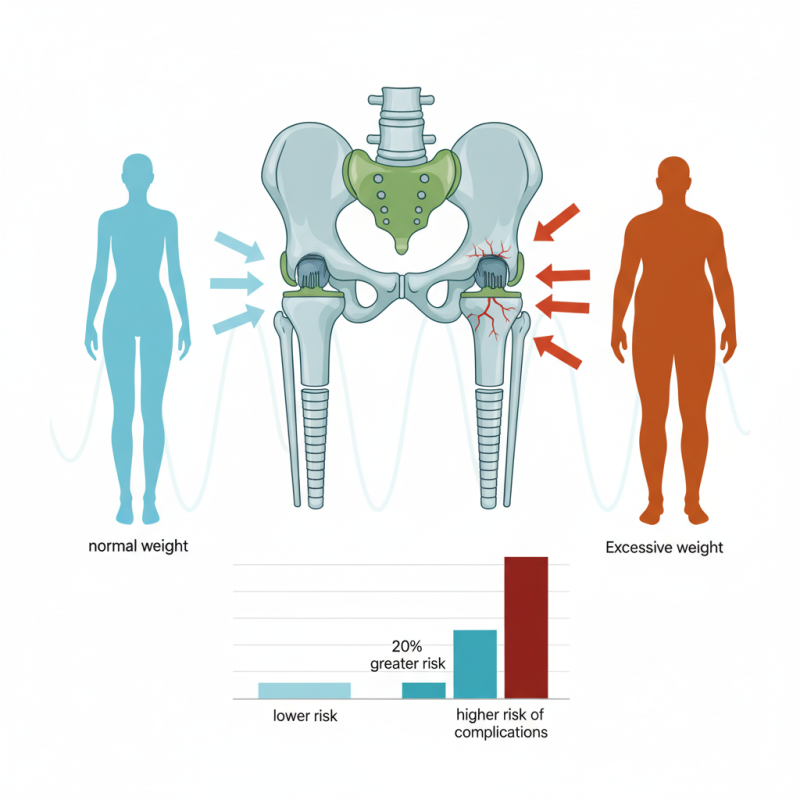
Weight plays a crucial role in the longevity of orthopedic implants. Excess body weight can put additional stress on these devices. Studies indicate that heavier patients experience higher rates of implant failure. A report from the American Academy of Orthopedic Surgeons highlights that morbid obesity increases complications by up to 30%. This underscores the need for careful weight management.
Additionally, the type of implant and procedure also matter. Research shows that patients with a body mass index (BMI) over 35 have a twofold risk of implant failure compared to those with a BMI under 30. This suggests that weight management is vital before and after surgery. Even minor weight reductions can improve outcomes.
However, the relationship between weight and implant longevity is not solely linear. Factors like activity level and bone quality are also influential. Not all patients respond the same way. Some may maintain implant stability despite being overweight. Decisions should be individualized, considering both risks and benefits. Understanding these dynamics is essential for ongoing research and patient care.
Weight has a significant impact on the longevity of orthopedic implants. The forces exerted on an implant change based on a patient’s body weight. Studies show that increased weight can lead to higher stress on the implant. This can accelerate wear and tear, impacting the device's performance. For instance, a report from the American Academy of Orthopaedic Surgeons reveals that every additional 10 kg of body weight can add an estimated 30% more stress to knee implants.
Biomechanical forces are crucial in understanding how weight affects implant stress distribution. When a person carries excess weight, altered dynamics occur at the implant site. There can be uneven stress distribution, leading to potential failure points. Research indicates that almost 25% of patients with obesity experience complications post-surgery. This statistic raises concerns about the need to consider weight management for those seeking orthopedic interventions.
Challenges remain in optimizing implant design and material to better withstand higher forces from heavier patients. Advanced materials may offer improvements, yet they are not wholly immune to the impacts of excess weight. Continuous research is vital to find solutions that enhance longevity and reliability. Maintaining a healthy weight could be key to prolonging implant lifespan. More attention to this factor can lead to better outcomes for patients across all demographics.
Research shows that patient weight has a significant impact on orthopedic implant longevity. Clinical studies often reveal a clear correlation between increased body weight and higher implant failure rates. Heavier patients often experience more stress on their joints. This added pressure can lead to earlier wear and tear on orthopedic devices.
One study found that patients with obesity had a twofold increase in the likelihood of implant failure. This research raises important questions about patient selection for surgeries. Surgeons may need to consider a patient’s weight as a critical factor before proceeding. Weight management could play a vital role in improving outcomes.
However, these findings bring complexities. Not all overweight patients face the same risks. Factors like activity level and overall health also contribute to implant success. It’s essential to look beyond weight alone. In the end, more research is needed to fully understand these relationships. Addressing weight could help minimize complications and enhance patient experience.
This chart demonstrates the relationship between patient weight (in kg) and the failure rates of orthopedic implants (in percentage). As the patient weight increases, the failure rates of the implants tend to rise, indicating a significant correlation.
When considering the longevity of orthopedic implants, weight-bearing capacity stands out. Different materials have distinct weight-bearing limits. Common options include titanium, cobalt-chromium alloy, and polyethylene. Each material exhibits varying levels of strength and fatigue resistance. For example, titanium is lightweight yet strong, making it a popular choice for load-bearing applications.
User experiences often reveal an essential truth. Not every implant can support the same weight. Some patients report discomfort or complications. This disparity raises concerns about assessing individual weight limits. A personalized approach may be necessary. Factors like activity level and overall health should be considered.
Material fatigue is another crucial aspect. Over time, implants endure constant load cycles. Even robust materials can suffer wear. This reality often leads to a need for revision surgeries. Therefore, ongoing monitoring of implant performance is vital. Patients should engage in open discussions with their healthcare providers about their unique circumstances and potential risks.
| Implant Type | Weight Capacity (kg) | Longevity (Years) | Material Used | Failure Rate (%) |
|---|---|---|---|---|
| Hip Implant | 150 | 15 | Titanium Alloy | 5 |
| Knee Implant | 130 | 20 | Cobalt-Chromium | 4 |
| Spinal Fusion Implant | 180 | 25 | PEEK (Polyether Ether Ketone) | 3 |
| Shoulder Implant | 130 | 15 | Titanium Alloy | 6 |
| Ankle Implant | 120 | 10 | Stainless Steel | 7 |
Weight management is crucial for enhancing the durability of orthopedic implants. Excess weight can place additional stress on implants. This can lead to complications and reduce the lifespan of these devices. Patients should focus on strategies for effective weight management.
Regular physical activity plays a key role. Engaging in low-impact exercises can improve strength without overwhelming joints. Additionally, a balanced diet rich in nutrients supports overall health. Proper hydration also aids recovery and strengthens bones.
Tips for successful weight management include setting realistic goals and tracking progress. Small, achievable targets can encourage consistency. Seeking support from healthcare professionals can provide guidance tailored to individual needs. Reflecting on habits helps identify areas for improvement, ensuring a proactive approach to maintaining a healthy weight.
: Heavier patients often face higher implant failure rates due to increased joint stress.
Studies show that obese patients have a twofold increase in implant failure likelihood.
No, individual risks can vary based on activity level and overall health.
Common materials include titanium, cobalt-chromium alloy, and polyethylene, each with unique properties.
Different materials have specific limits, impacting their longevity and patient comfort.
Regular low-impact exercises and a balanced diet can reduce stress on implants and enhance health.
Over time, constant loads can lead to wear, necessitating possible revision surgeries.
Setting realistic goals, tracking progress, and seeking professional support can greatly assist.
It helps identify potential issues early, allowing for timely interventions and discussions with healthcare providers.
Reflecting on habits can reveal areas for improvement, promoting a healthier lifestyle.
The article "How Does Weight Impact the Longevity of Orthopedic Implants?" explores the intricate relationship between patient weight and the durability of orthopedic implants. It delves into biomechanical forces that illustrate how excess weight can alter stress distribution on implants, potentially leading to early failure. Furthermore, clinical studies are highlighted, demonstrating a correlation between patient weight and increased implant failure rates, suggesting that heavier patients may face greater risks.
Additionally, the article discusses the material science aspect, emphasizing the weight-bearing capacities of common orthopedic implants and how these might be affected by patient weight. To promote better outcomes and enhance implant durability, effective weight management strategies are proposed, underscoring the importance of addressing weight not only for overall health but also for prolonging the lifespan of orthopedic devices. Ultimately, understanding how does weight affect the life of orthopedic implants is crucial for improving patient care and implant success rates.
