MGMT Orthopedic Implants
MGMT Orthopedic Implants
MGMT Orthopedic Implants
Explore our CE-marked, titanium and stainless steel orthopedic instruments, intramedullary systems, and specialized surgical hardware manufactured to ISO 13485 standards.
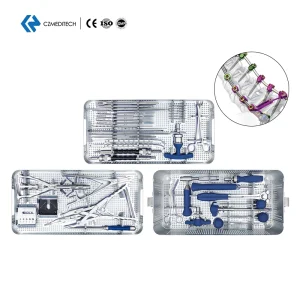
Orthopedic Titanium Pedicle Screw Instrument Set 6.0mm Spinal Pedicle Screw Instrument Set
View Technical Specs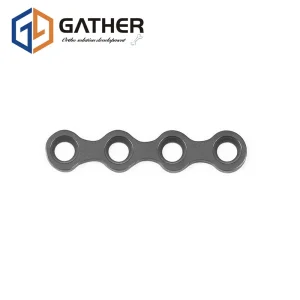
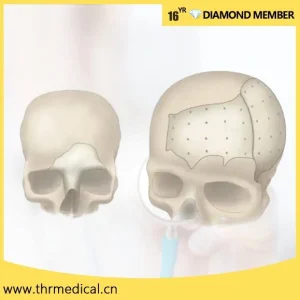
Trauma Implant Micro Straight Maxillofacial Trauma Plate 1.5mm Screw 0.6mm Thickness Skull Mini Bone Plate
View Technical Specs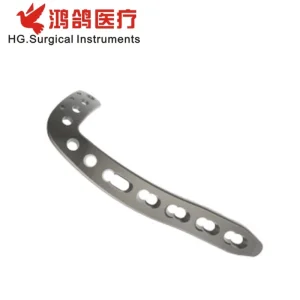
Orthopedic Implant Locking System-Large Fragment Lower Limb Locking Plate Orthopedic Implant Instrument
View Technical Specs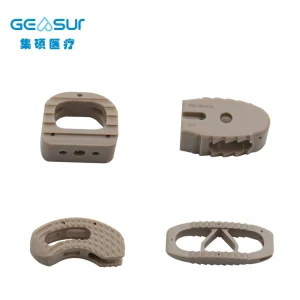
China Manufacturer Titanium Coating Surgical Instrument Set Orthopedic Kit Spine Implant Tlif Lumbar Interbody Fusion Peek Cage System
View Technical Specs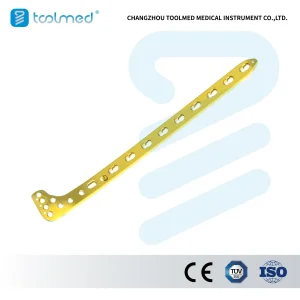
Hot Saling Proximal Lateral Tibia Locking Plate, Bone Plate, Orthopedic Implant
View Technical Specs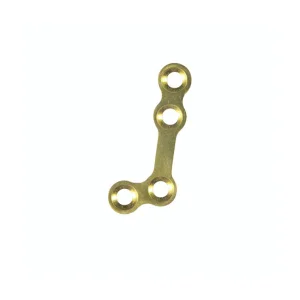
Orthopedic Maxillofacial Orthognathic 1.0 Sagittal Split Fixed 4 Holes Plate Implant
View Technical SpecsAn in-depth analysis of load-sharing intramedullary fixation, stress shielding mitigation, and surgical outcomes in complex diaphyseal fractures.
Intramedullary nailing has solidified its position as the gold standard for treating long bone fractures of the lower and upper extremities. In modern orthopedic trauma surgery, managing complex diaphyseal and metaphyseal fractures demands implants that balance structural rigidity, biomechanical elasticity, and minimal soft-tissue disruption. As global healthcare infrastructure expands and trauma cases resulting from high-velocity industrial accidents and aging demographics increase, the demand for high-performance, CE Certified Intramedullary Nails Manufacturers & Suppliers has escalated rapidly.
Unlike extramedullary bone plates that reside on the tensile surface of long bones and act as load-bearing structures, an intramedullary nail is positioned along the neutral axis of the bone shaft. This central alignment minimizes the bending moment arms significantly, reducing the stress exerted on both the implant and surrounding cortical tissue. Key advantages include:
Leading medical device contract manufacturing partners engineer anatomically contoured intramedullary systems tailored for specific long bones:
Designed for retrograde or antegrade insertion, engineered with anatomical bow angles (R1500mm-R2000mm radius) to minimize anterior cortical impingement during insertion into the femoral canal.
Utilizing multi-planar proximal and distal locking options (including dynamic and static configurations) to achieve torsional stability in complex proximal third or distal tibial segment fractures.
Compact, high-strength nails designed for delicate upper-arm diaphyseal fractures and complex calcaneal-talotibial arthrodesis procedures requiring rigid axial compression.
MGMT - Your Preferred Medical Instruments Contract Manufacturing Partner
As a leading OEM/ODM manufacturer specializing in orthopedic instruments, we are your one-stop shop for comprehensive medical device contract manufacturing solutions. Our expertise lies in crafting highly efficient, innovative, and fully customized orthopedic medical devices. By leveraging advanced technologies and a deep understanding of industry needs, our divisions will partner with you to refine your designs, improving performance and reducing cost while ensuring compliance with established and emerging regulations. Trust us to transform your concepts into state-of-the-art orthopedic products that enhance patient care and drive your business forward.
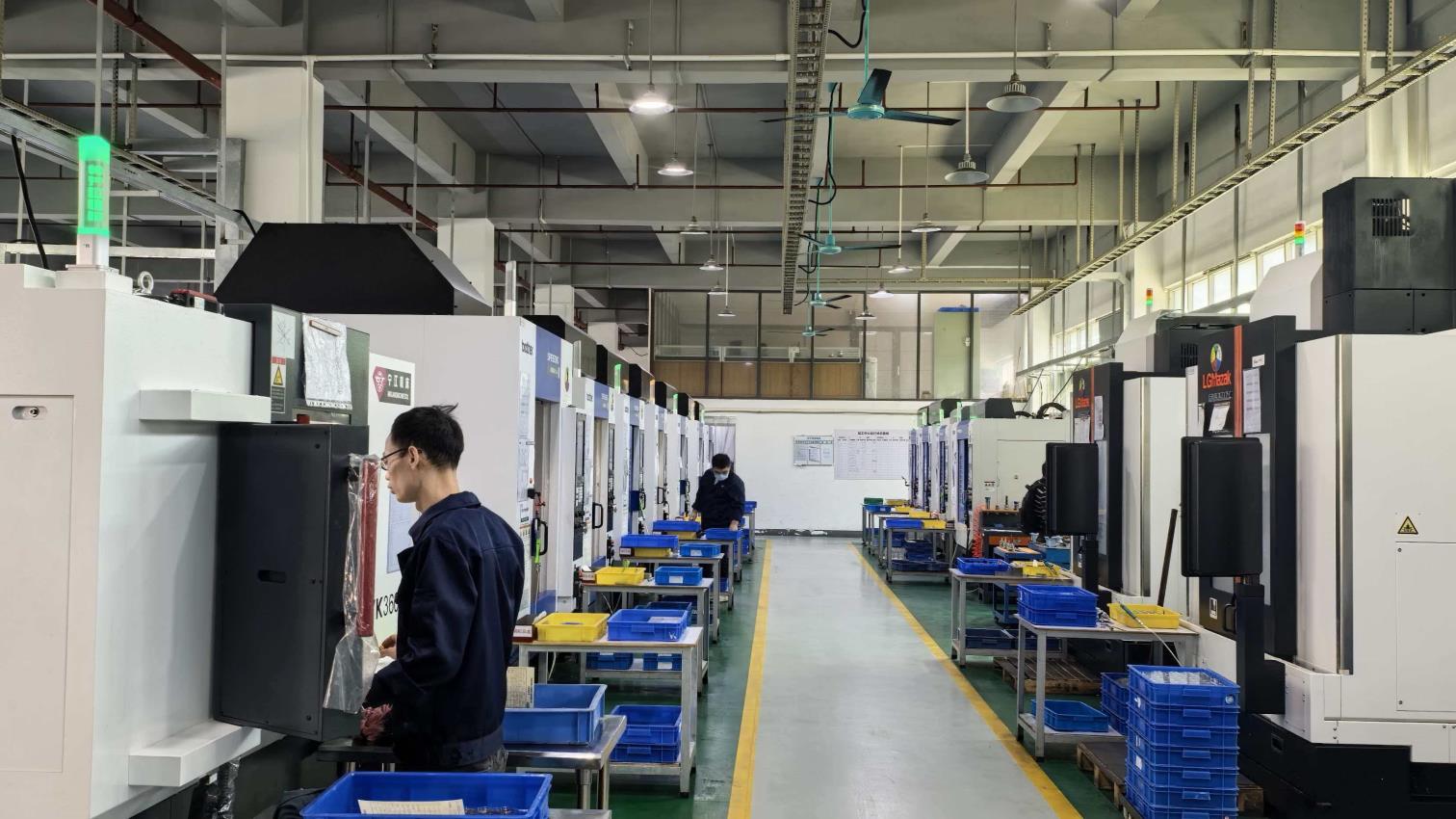
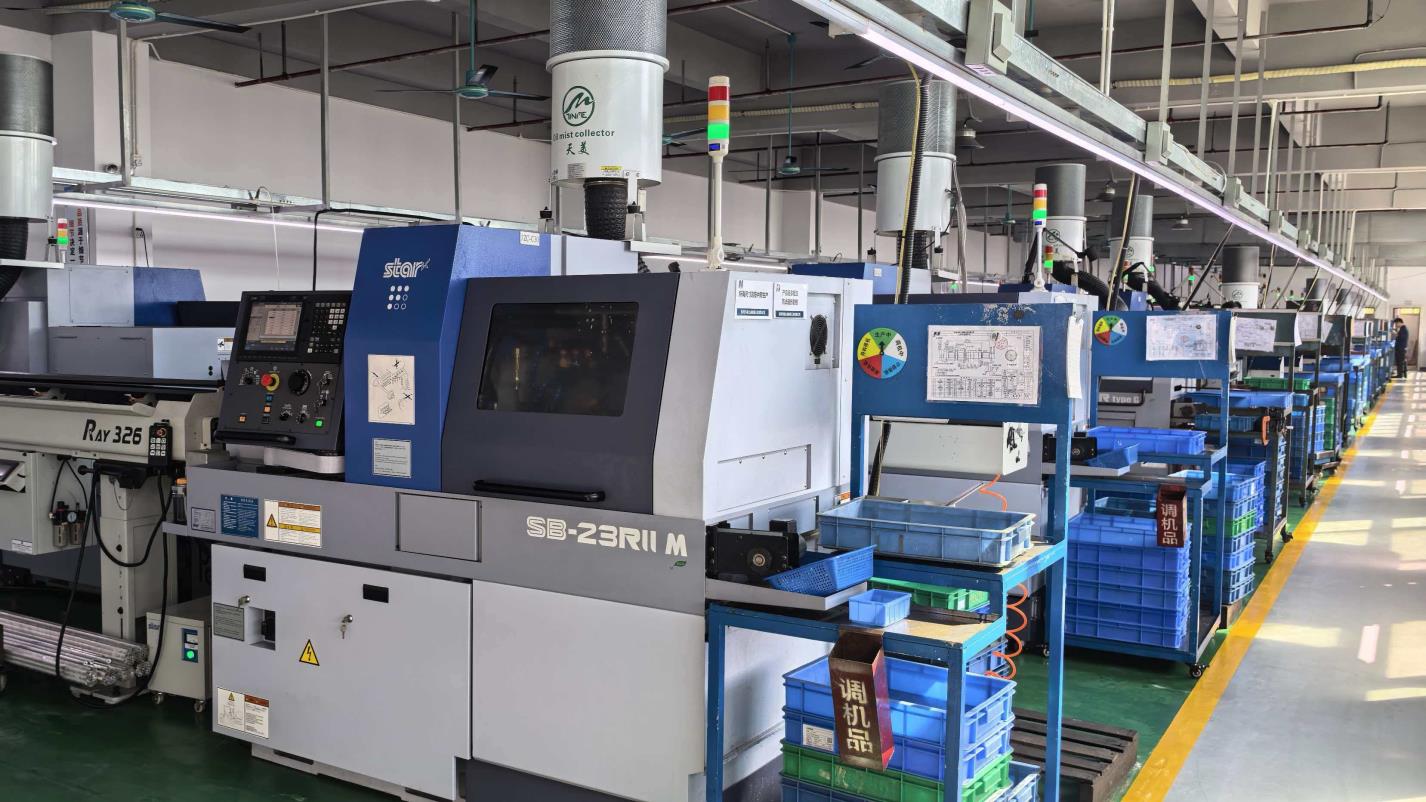
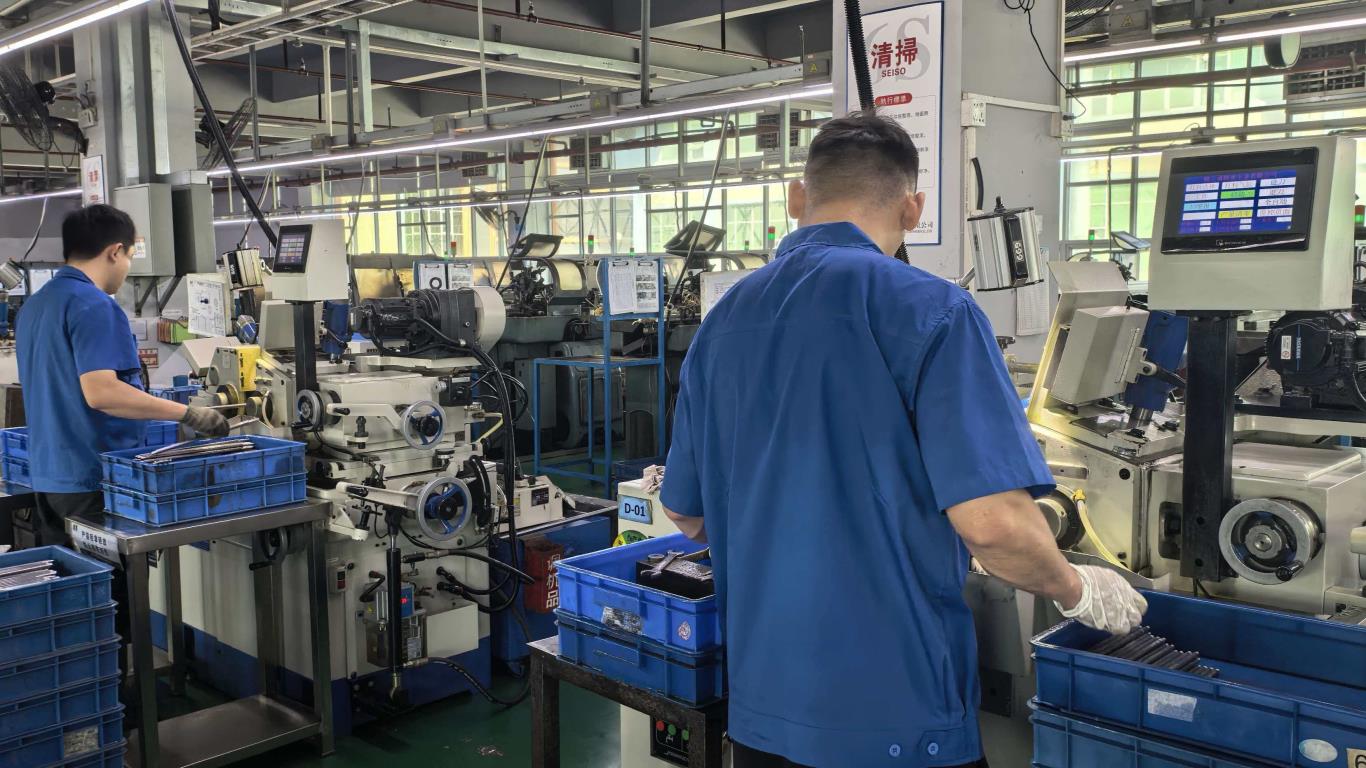
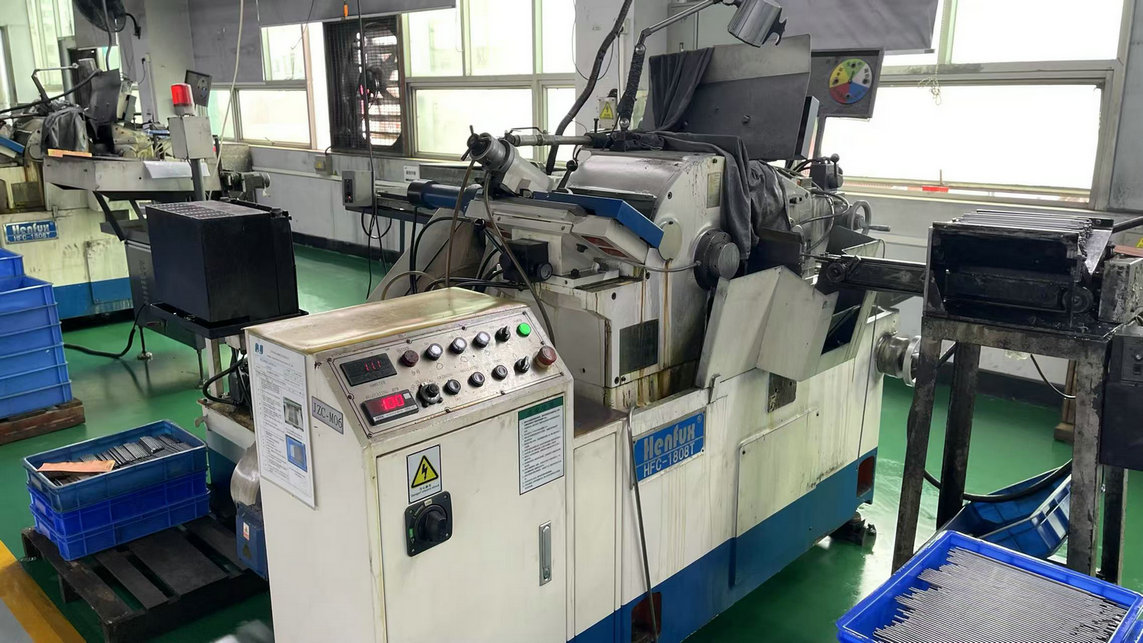
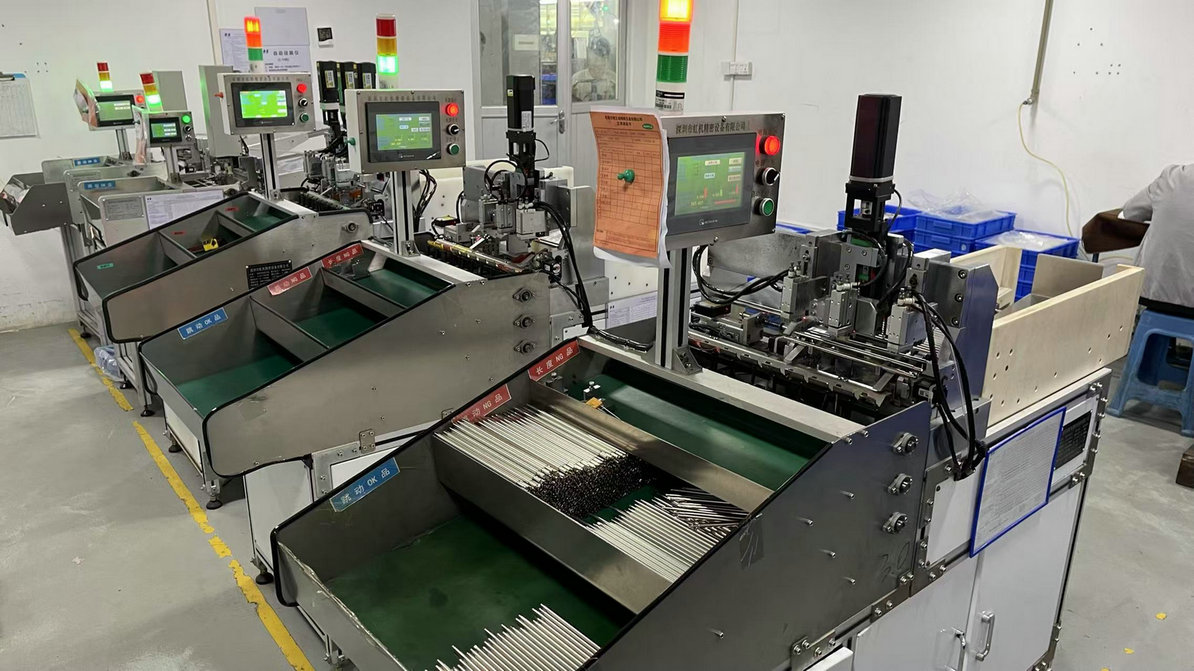
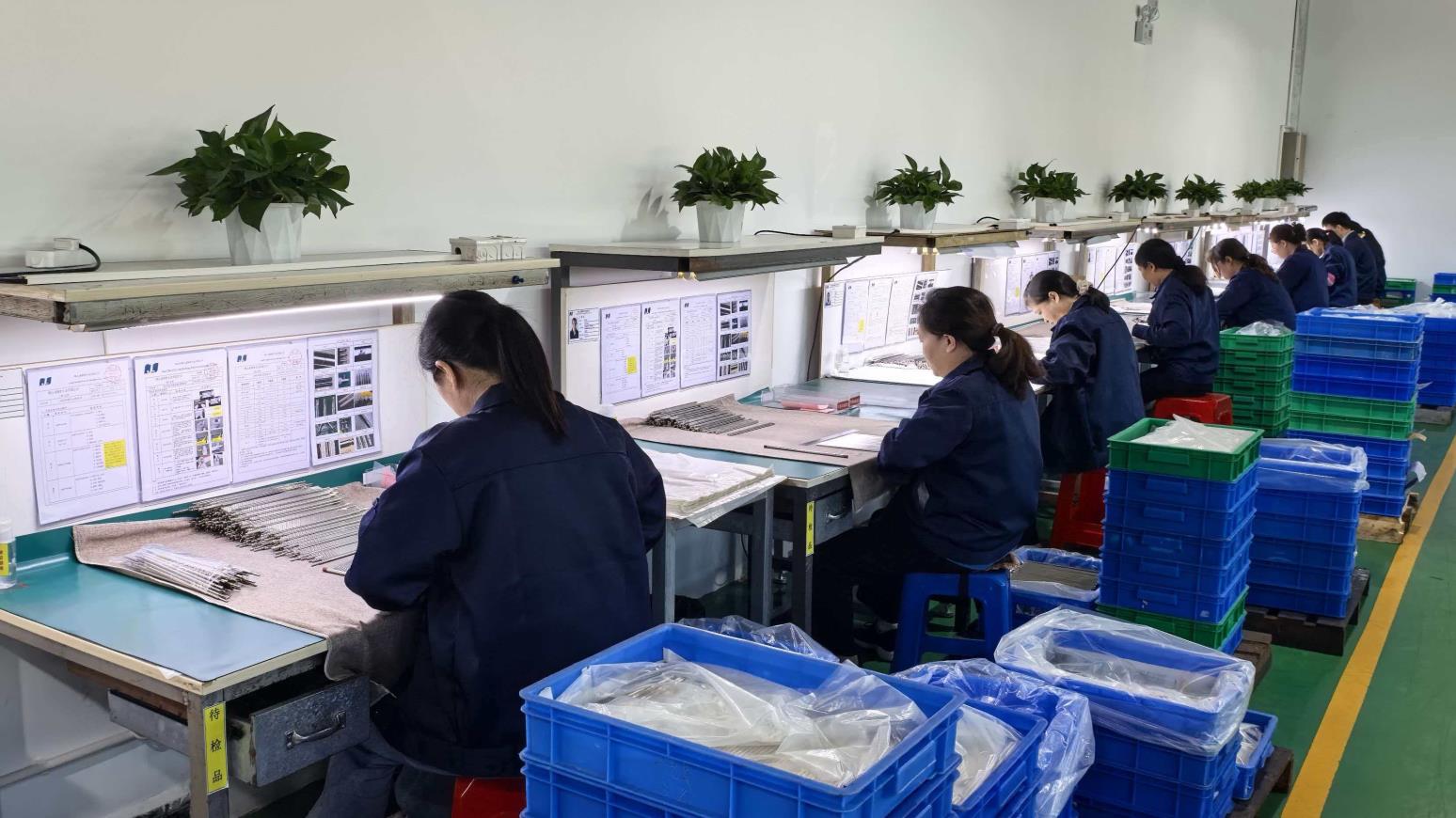
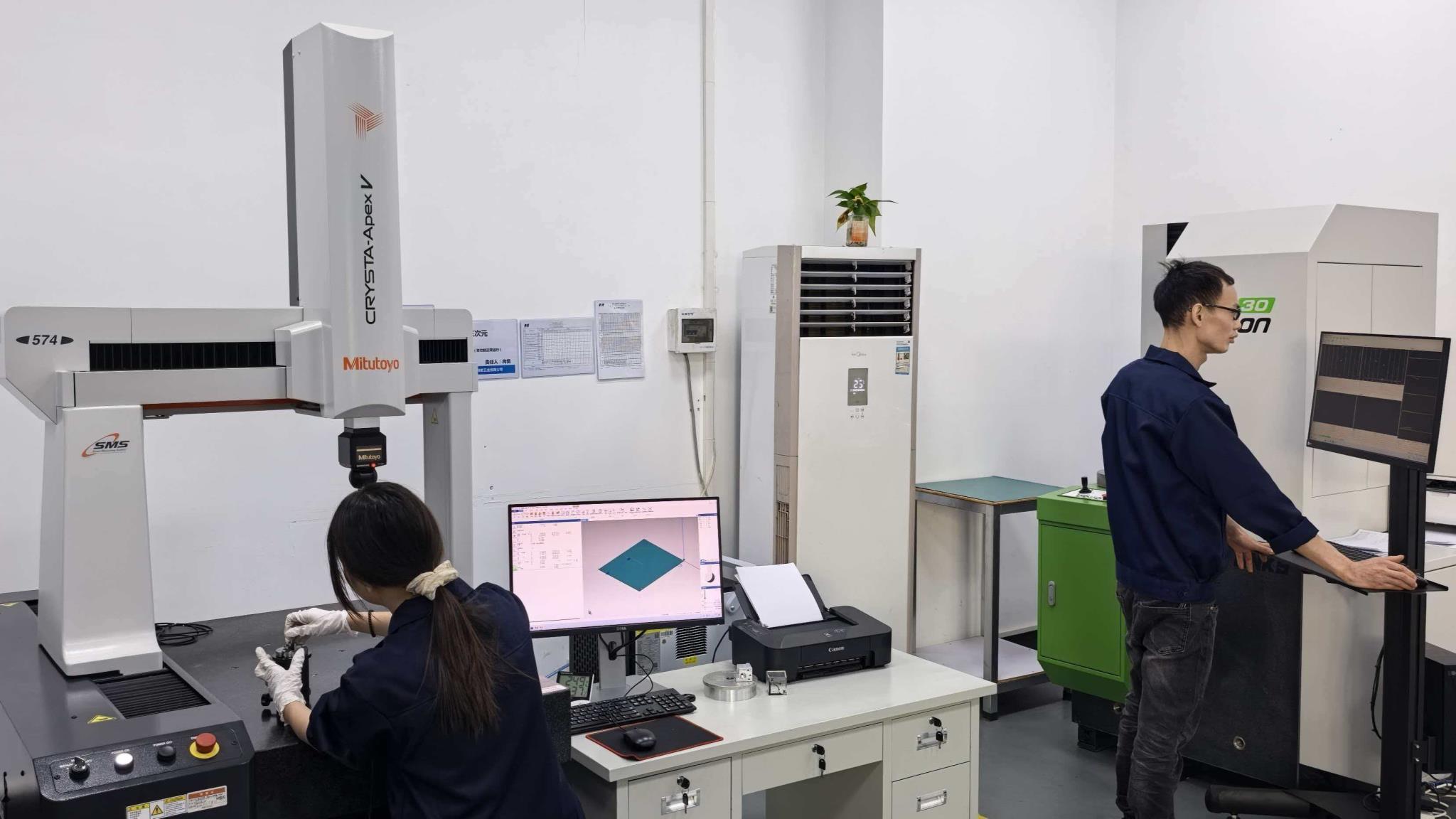
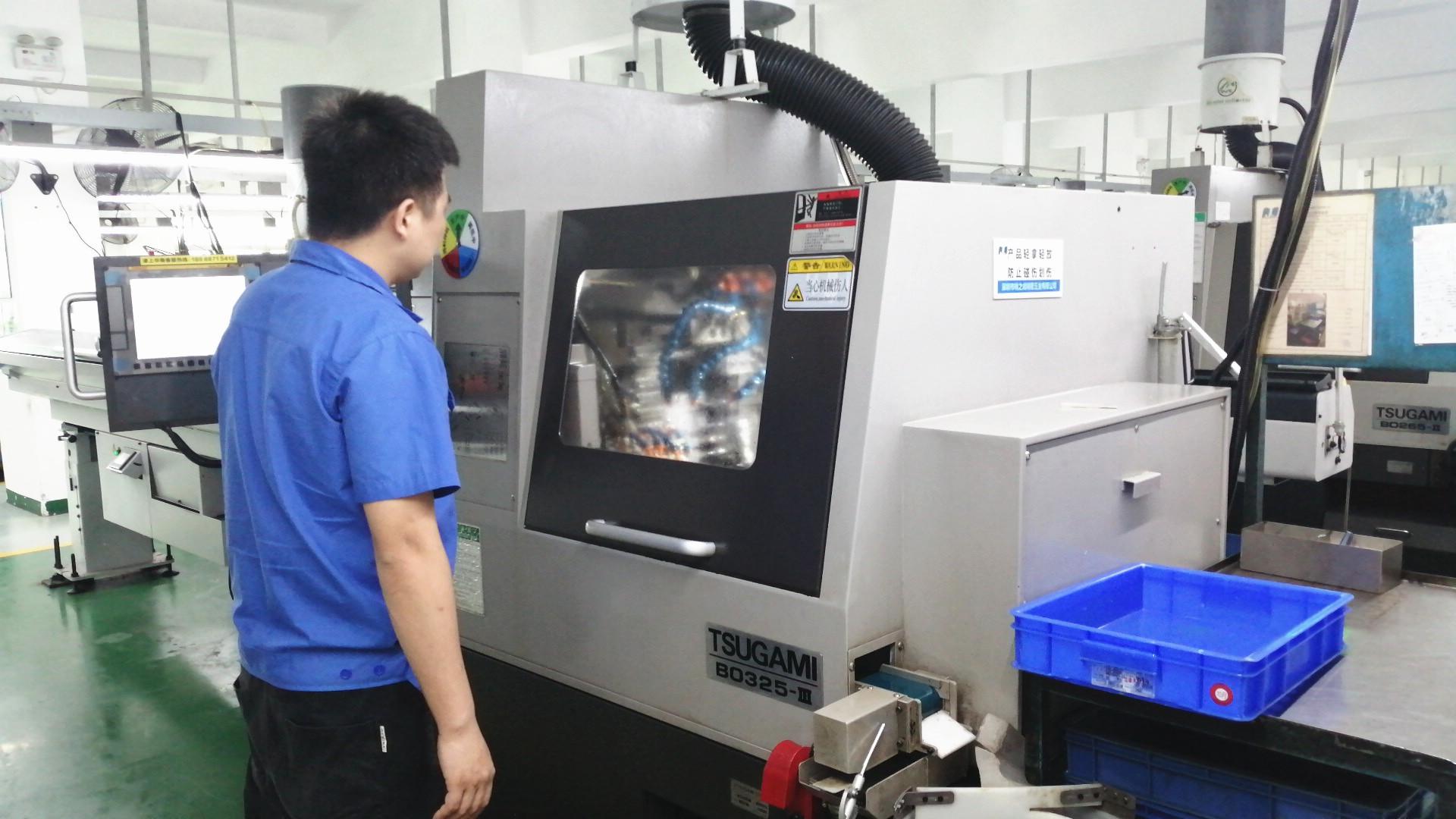
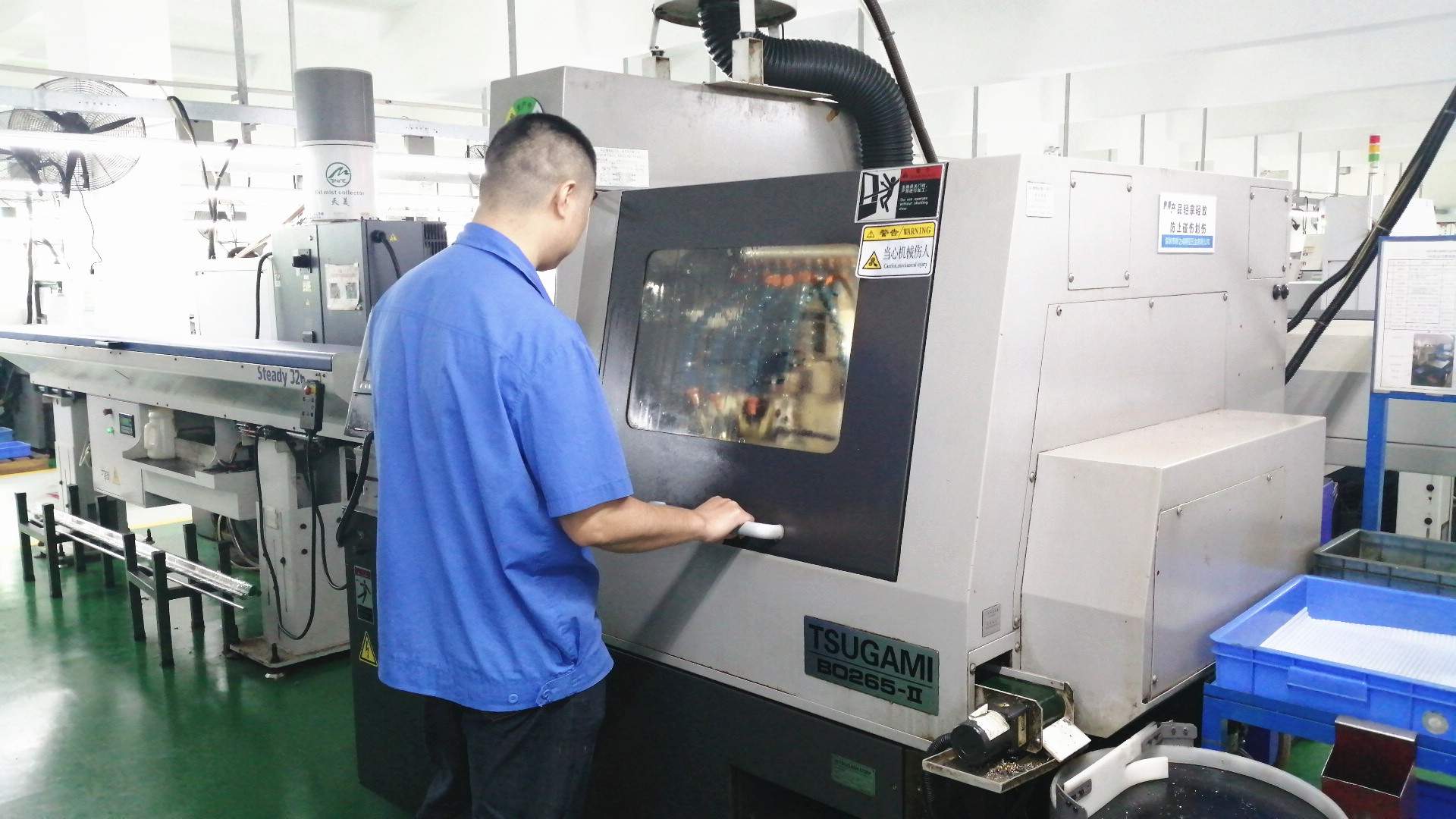
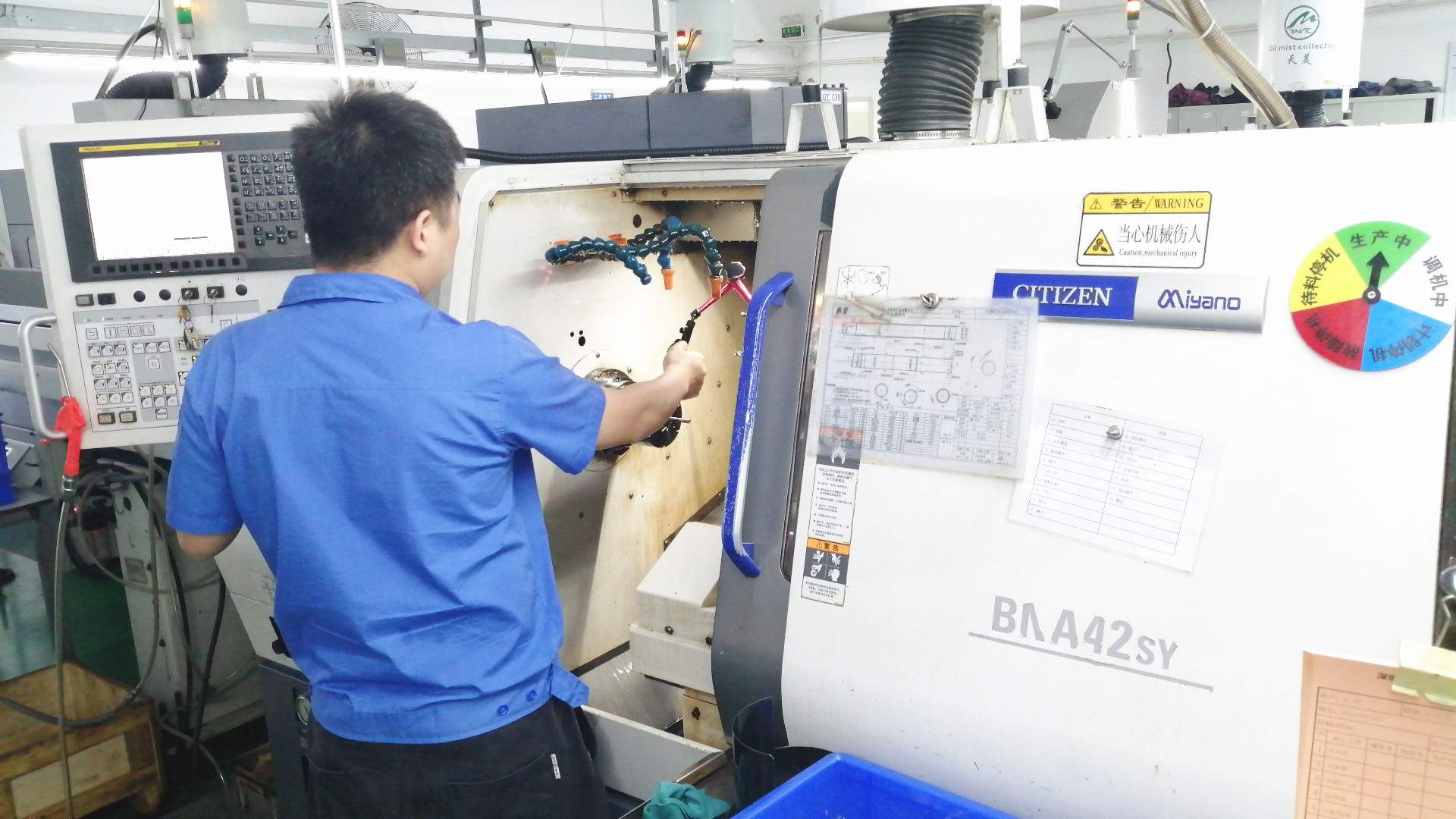
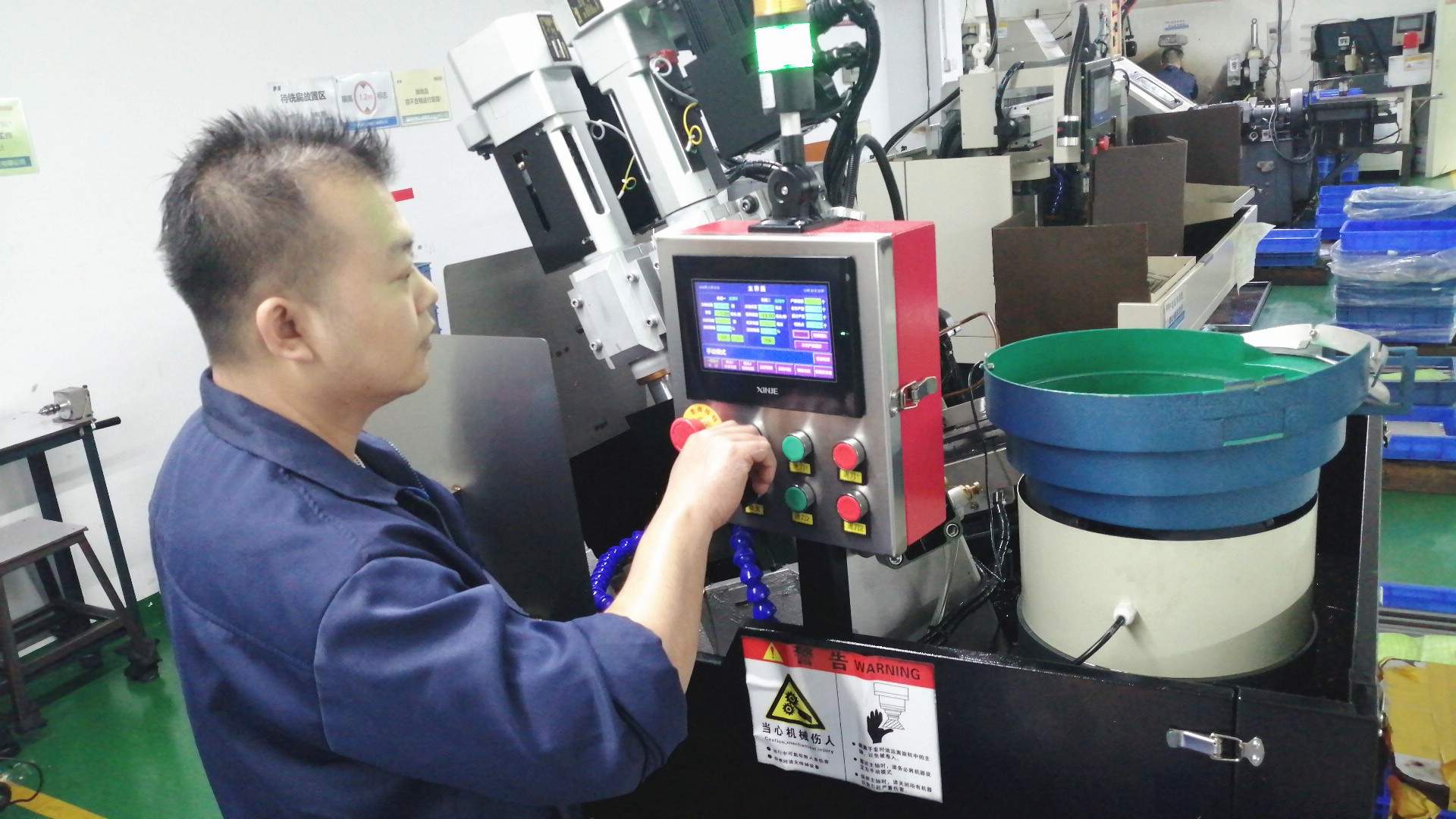
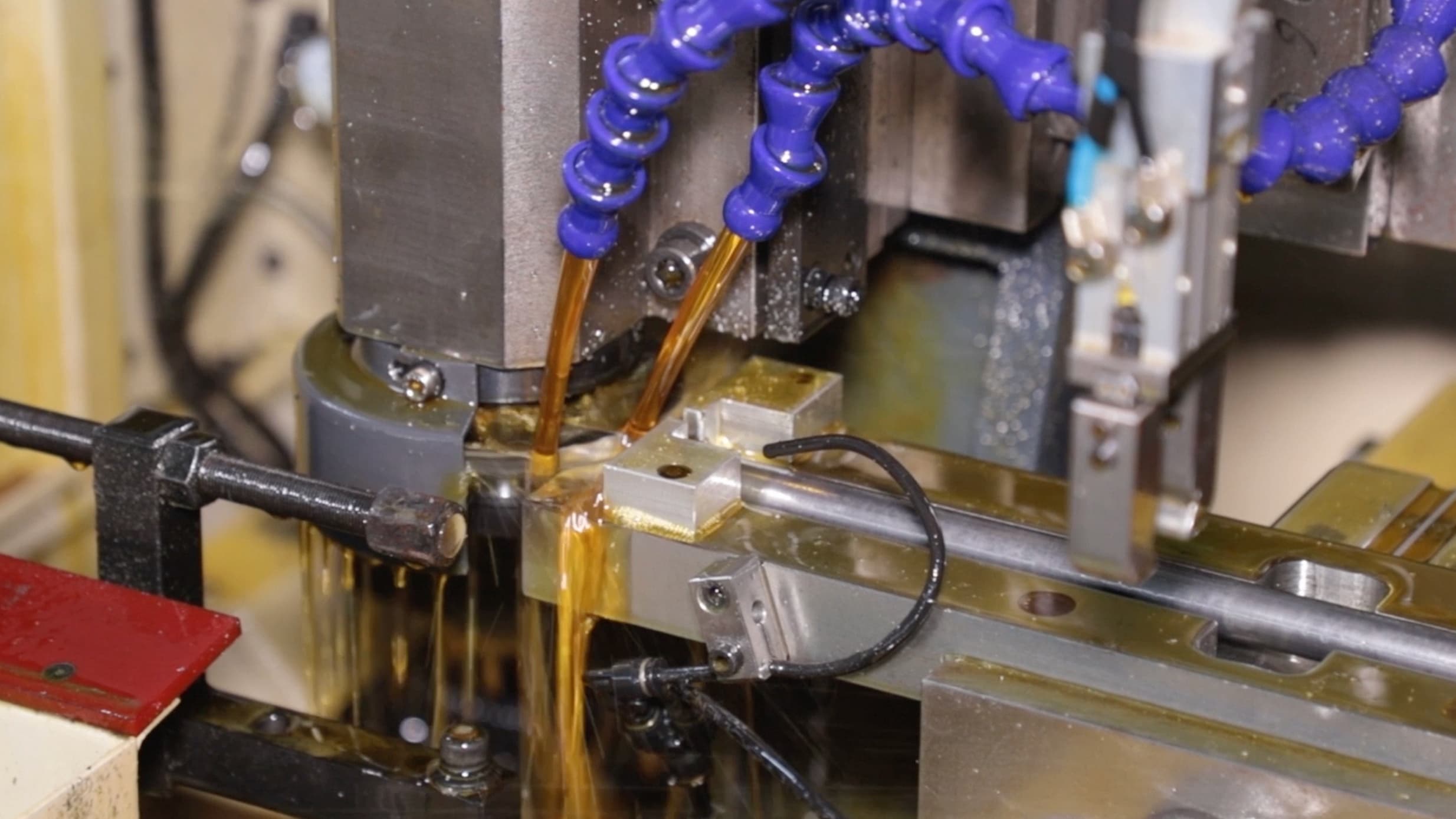
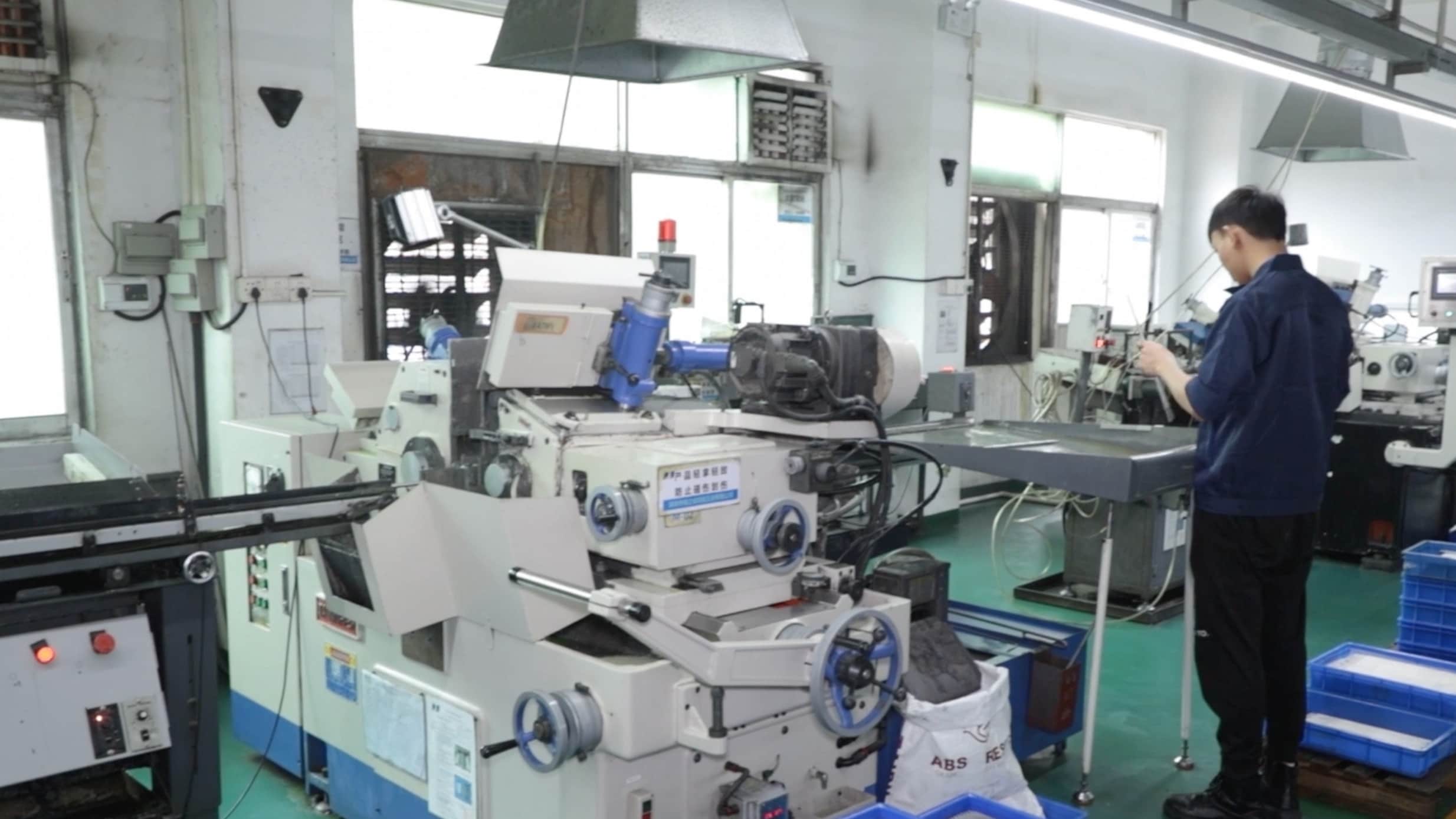
MGMT invests strategically in state-of-the-art manufacturing technologies to deliver unmatched precision machining capabilities for orthopedic medical instruments. Our commitment to innovation spans advanced CNC systems, five-axis machining centers, and automated inspection tools, enabling us to achieve micron-level tolerances critical for medical device accuracy.
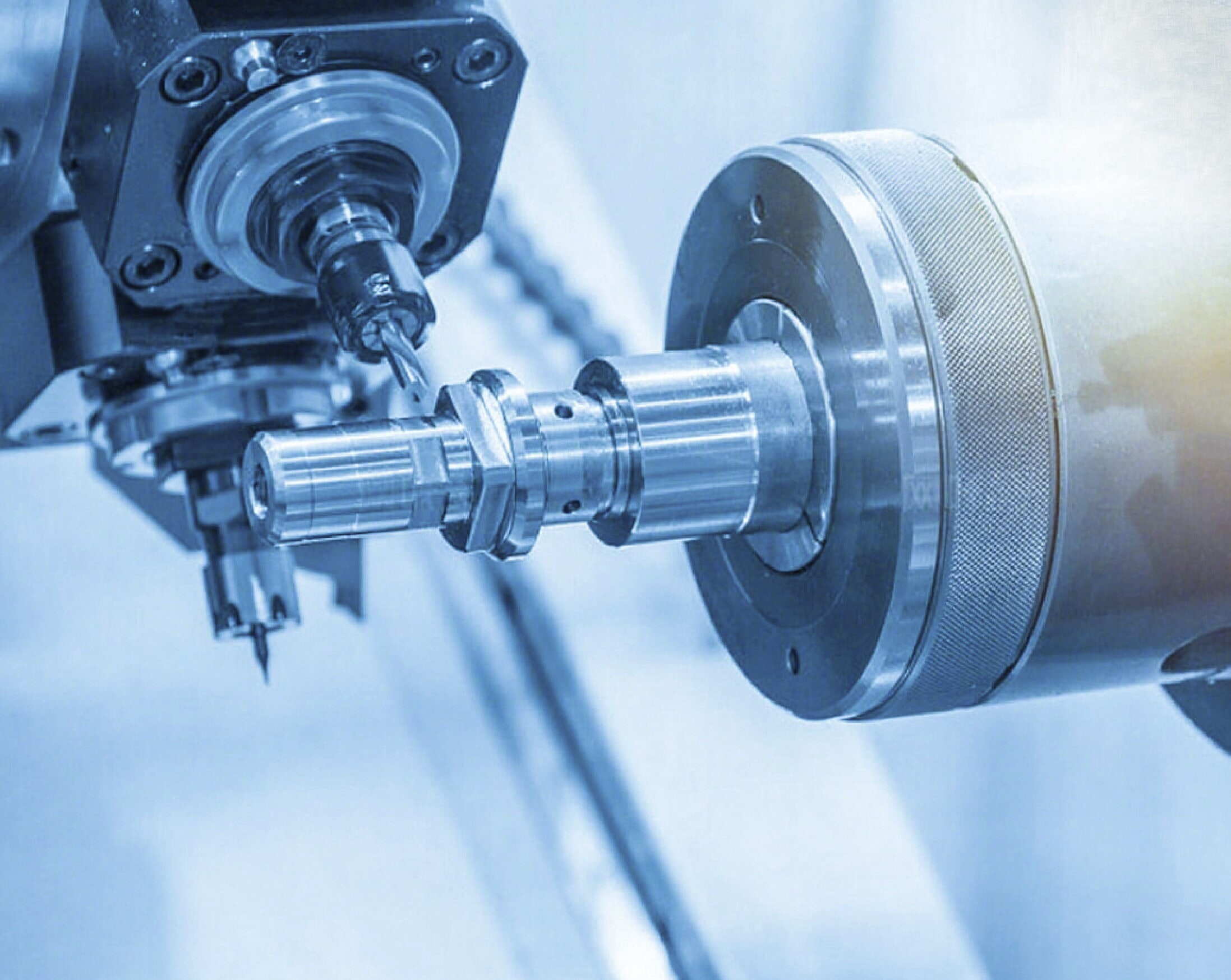
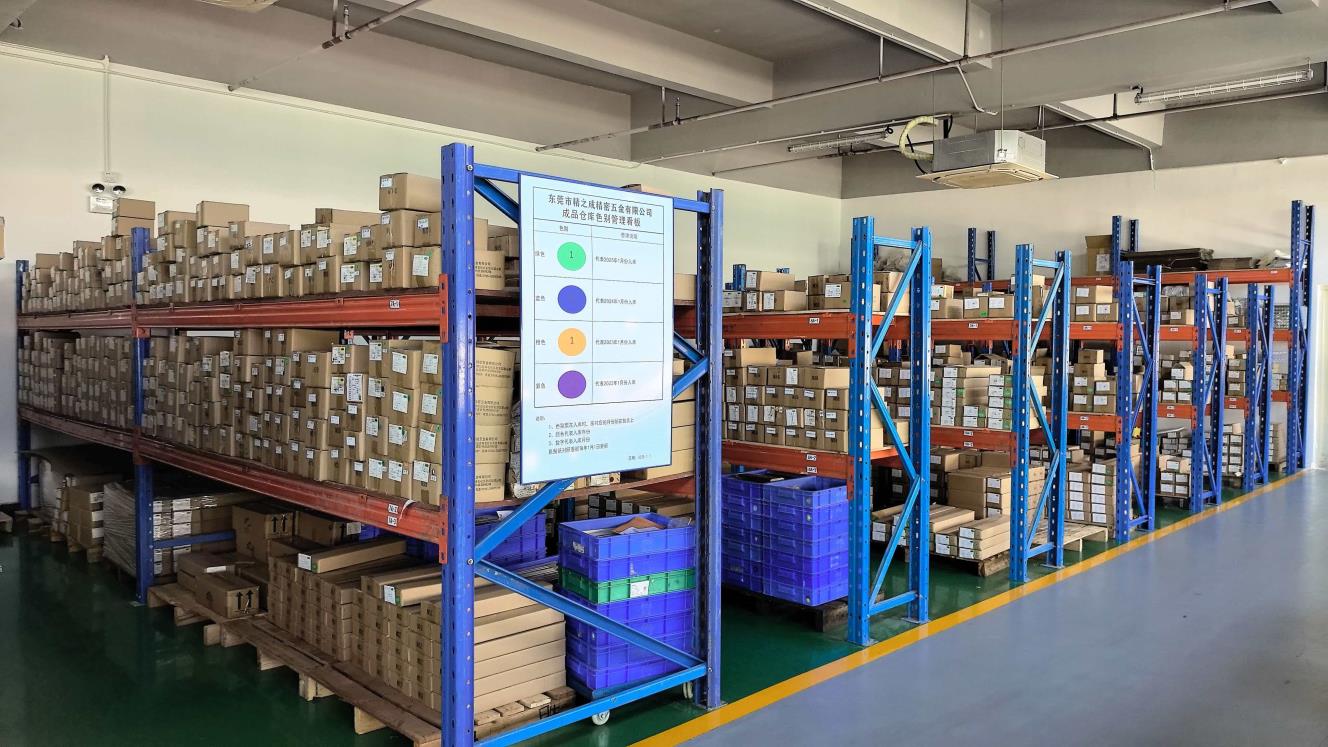
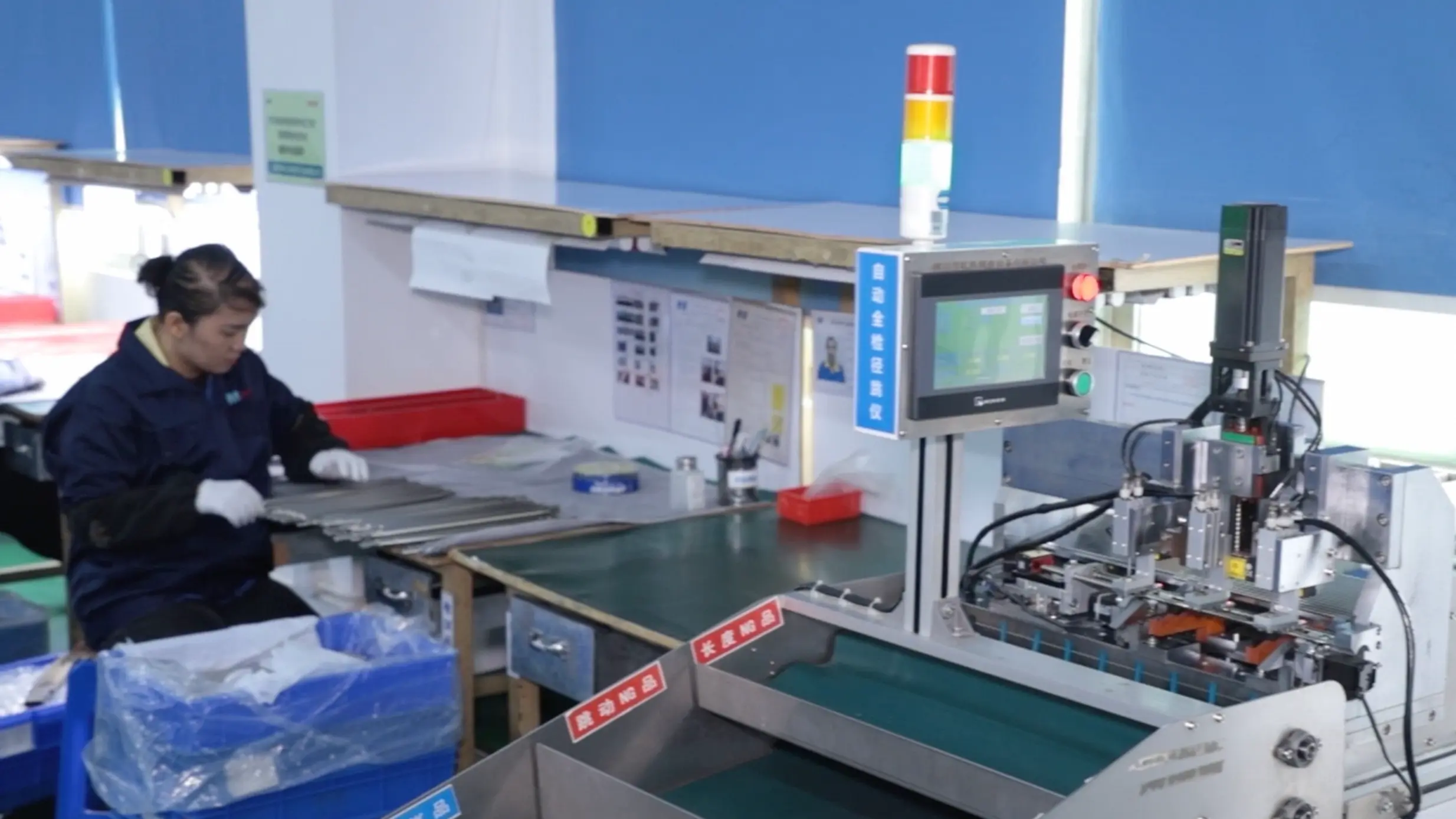
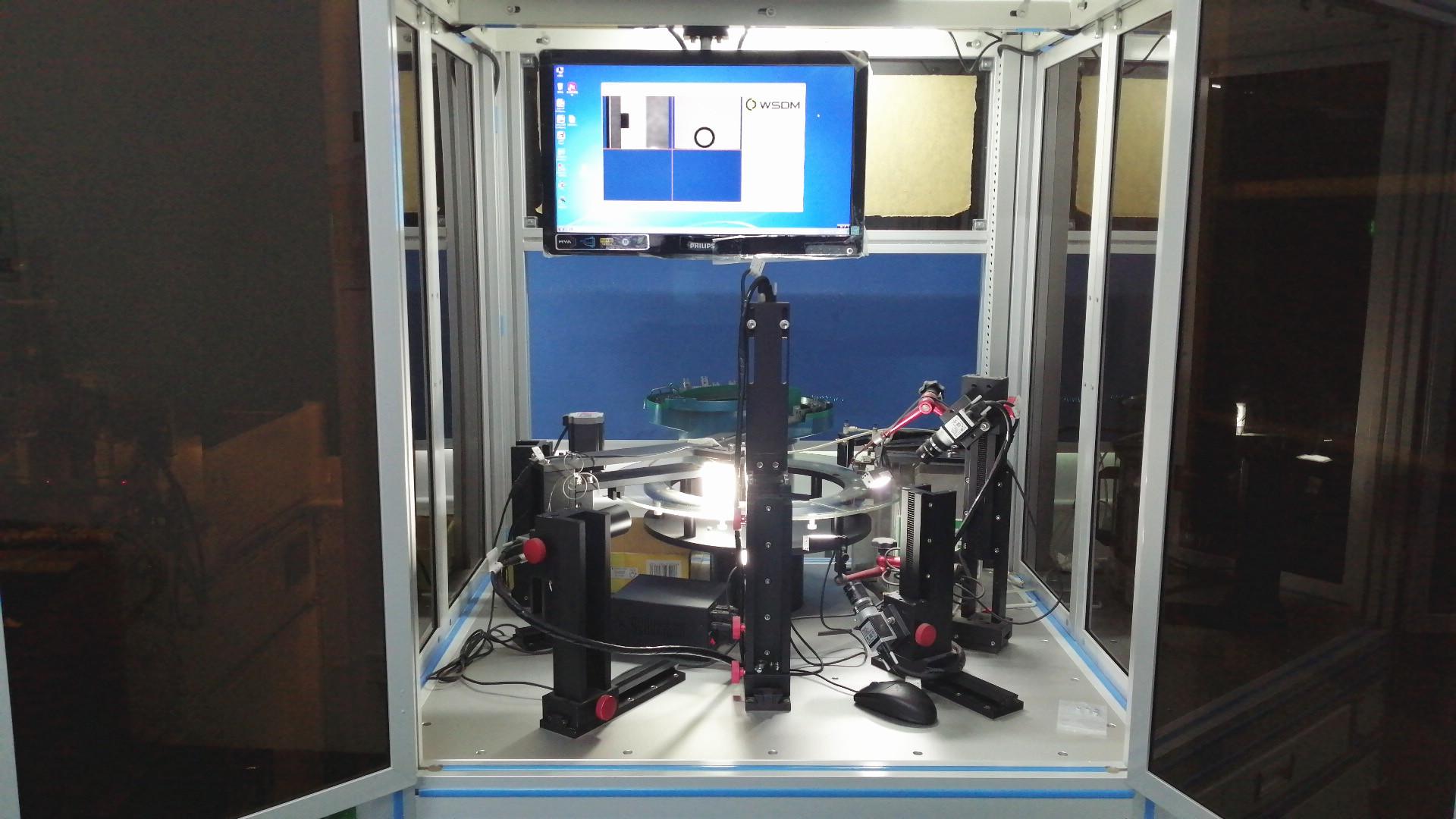
Our vertically integrated approach—from design validation to rapid prototyping—accelerates time-to-market while adhering to ISO 13485 standards. Whether machining multi-faceted components or micro-machined features requiring high precision, we leverage automated quality control systems (e.g., CMM inspection) to ensure every part meets rigorous medical device requirements.
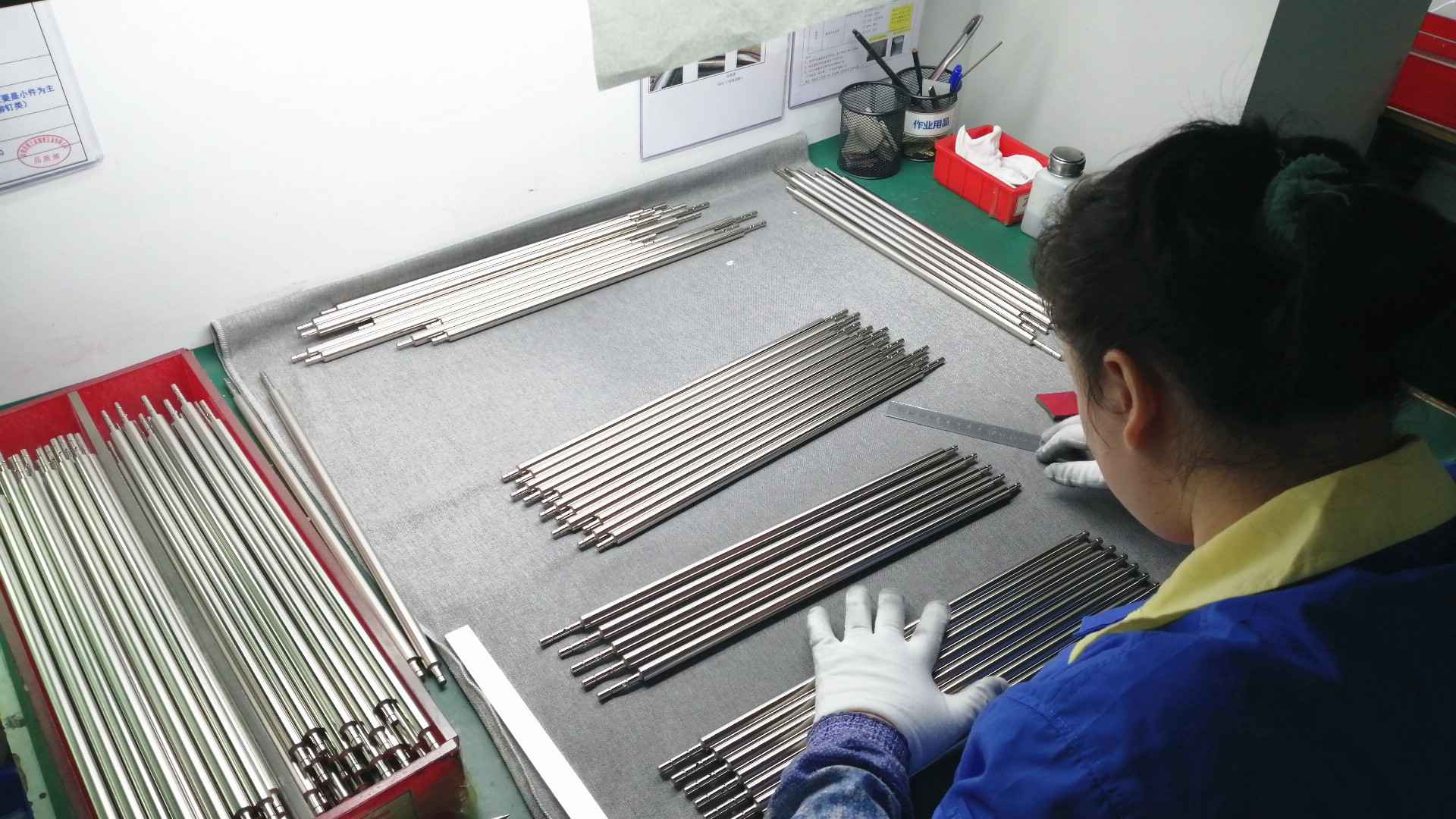
A rigorous comparative analysis of implant alloys, bio-compatible surface treatments, and mechanical strength testing standards.
The operational success of an intramedullary implant depends heavily on raw material metallurgy and surface treatment chemistry. Implants must withstand millions of dynamic loading cycles without fatiguing, while maintaining biocompatibility to avoid non-union or metal-sensitivity reactions.
| Property Parameter | Titanium Alloy (Ti-6Al-4V ELI / ASTM F136) | Stainless Steel (316LVM / ASTM F138) |
|---|---|---|
| Elastic Modulus (GPa) | 110 GPa (Closer to cortical bone ~18-22 GPa) | 210 GPa (Higher rigidity, potential stress shielding) |
| Tensile Strength (MPa) | ≥ 860 MPa | ≥ 860 MPa (Cold worked) |
| Fatigue Limit (Cycles) | > 5,000,000 cycles at 300Nm cyclic torque | > 5,000,000 cycles at 280Nm cyclic torque |
| MRI Compatibility | Excellent (Minimal artifact distortion) | Moderate (Noticable magnetic artifact shadow) |
| Corrosion Resistance | Superior (Passive TiO₂ stable oxide layer) | High (Passivated Chromium Oxide film) |
| Surface Anodization | Type II Electrochemical Anodization (Gray/Color) | Electropolished Passivation |
Manufacturing intramedullary nails requires deep hole drilling (gun drilling) to create central cannulations through curved titanium rods without compromising wall-thickness uniformity. Key engineering considerations include:
How verified contract manufacturers ensure global market access through comprehensive technical documentation, risk analysis, and cleanroom protocols.
Navigating the global regulatory landscape requires OEM manufacturers to maintain strict compliance structures. Under European Union Regulation (EU) 2017/745 (MDR), intramedullary nails are classified as Class IIb long-term surgical invasive implants (or Class III in custom configurations), necessitating robust Clinical Evaluation Reports (CER) and comprehensive technical files.
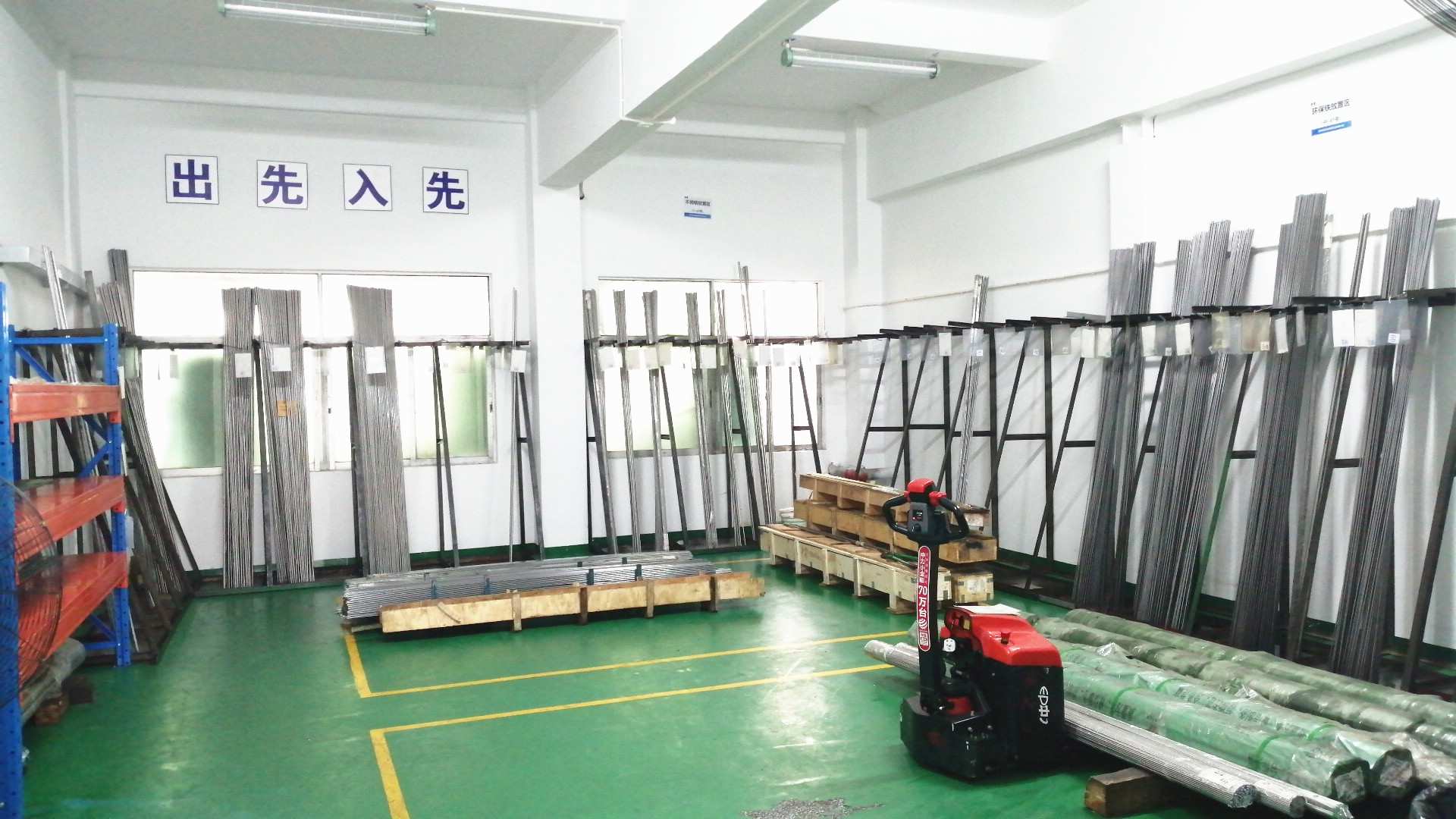
Every phase of production—from raw titanium bar receipt to final cleanroom packaging—is governed by a full ISO 13485 Quality Management System featuring automated CMM and optical CCD verification.
Formal risk analysis conducted across product design, manufacturing workflows, cleanroom packaging, and surgical handling to eliminate failure modes such as screw loosening, nail bending, or fatigue fracture.
Laser-etched Unique Device Identifiers (UDI) directly on implants and instruments provide full lot-level and serial-level traceability back to specific raw material melt certificates (EN 10204 3.1).
Adapting intramedullary nail geometry to patient anatomy across dynamic trauma and reconstructive surgical settings.
Precision manufacturing ensures surgical adaptability across diverse clinical settings worldwide, matching specific anatomical challenges with tailored mechanical solutions:
In polytrauma patients or cases with concurrent ipsilateral neck fractures, surgical entry point decisions govern implant selection. Antegrade femoral nails utilize a piriformis fossa or trochanteric entry point, while retrograde nails enter via the intercondylar notch. OEM contract manufacturers produce dual-mode locking designs to allow retrograde supracondylar stabilization or antegrade subtrochanteric reconstruction using the same core system.
Traditional infrapatellar entry can result in anterior knee pain and malalignment during distal third tibial fractures. Modern intramedullary nail systems feature dedicated suprapatellar instrumentation, keeping the knee in semi-extension to facilitate anatomical reduction, simplify C-arm fluoroscopy imaging, and avoid soft-tissue tension during insertion.
In complex cases of non-union or large segmental bone loss following severe open trauma, custom-length cannulated nails integrated with antibiotic-loaded bone cement (PMMA) spacers provide critical mechanical stability while preventing persistent osteomyelitis prior to secondary bone grafting.
Forecasting smart implants, bioresorbable alloys, and patient-matched 3D additive manufacturing trends in trauma care.
Integration of micro-strain sensor nodes and passive RFID/telemetry modules inside nail cannulations to continuously measure micro-motion and bone union progress without invasive secondary procedures.
Developing load-bearing Mg-Zn-Ca bioabsorbable alloys for pediatric and lower-load intramedullary fixation, eliminating the need for hardware removal surgeries after healing.
Hybrid manufacturing combining 5-axis CNC machining with 3D metal printing to produce custom porous trabecular titanium zones along the nail shaft for enhanced osseointegration.
Expert insights covering biomechanical design, regulatory documentation, contract manufacturing, and quality control standards.
Explore our full range of interlocking nails, pedicle screw systems, sports medicine implants, and specialized surgical instrumentation.
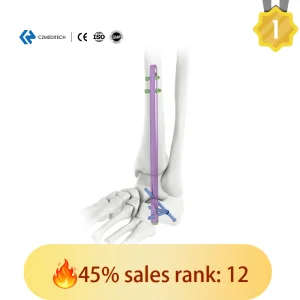
Hindfoot Fusion Ankle Intramedullary Nail Titanium Interlocking Nail Exporters Hospital Surgical Equipment
View Technical Specs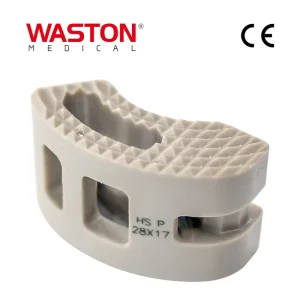
Factory Direct Sales Disposable Surgical Neulen Laminoplasty Inter Pedicle Screw Orthopaedic Instrument Implant Cage03 System
View Technical Specs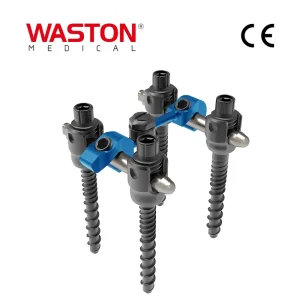
Zero-X Disposable Surgical Neulen Laminoplasty Inter Pedicle Multi Axial Screw Orthopaedic Instrument Implant Spinal Fixation System
View Technical Specs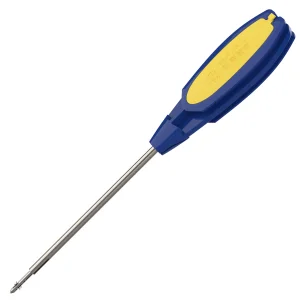
Sports Medicine Suture Anchor Arthroscopy Mini Suture Anchor with Needle Titanium Suture Anchor
View Technical Specs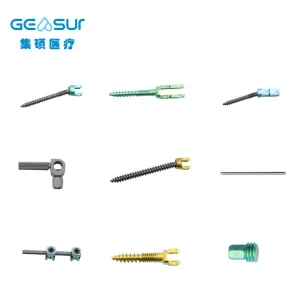
Titanium Alloy Spine Pedicle Screw Domino Connector Surgical Instrument Orthopaedic Implant Posterior Spinal Internal Fixation 5.5 System
View Technical Specs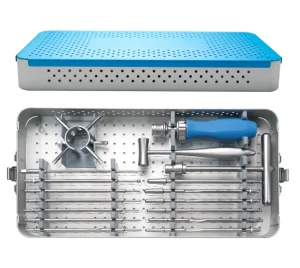
Acl Interference Screw for Knee Arthroscopy Peek Screw Interference Screw Instrument Set
View Technical Specs