MGMT Orthopedic Implants
MGMT Orthopedic Implants
MGMT Orthopedic Implants
Explore our CE & ISO 13485 certified micro-fixation hardware and surgical implant lines built for global distributors.
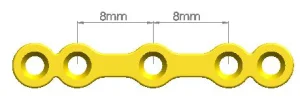
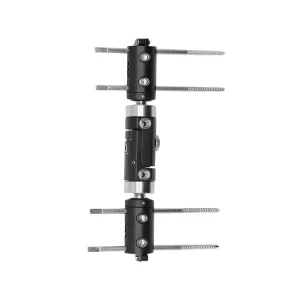
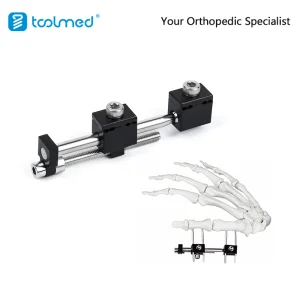
A comprehensive breakdown of technical requirements, structural trends, and supply dynamics in global cranio-maxillofacial (CMF) surgery.
Key structural factors driving global preference for Chinese CMF OEM/ODM contract manufacturing.
Chinese exporters leverage Grade 5 Titanium (Ti-6Al-4V ELI) and Pure Titanium (Grades 1–4) conforming strictly to ASTM F136 and ISO 5832-3 standards. These materials offer optimal strength-to-weight ratios, low magnetic susceptibility for post-op MRI clarity, and superior osseointegration capabilities.
Vertically integrated industrial clusters enable full control over raw material procurement, 5-axis high-speed milling, automated deburring, and Type II anodization. This creates a 40% to 60% cost optimization advantage over Western OEMs, empowering international distributors to expand profit margins.
Utilizing state-of-the-art Swiss-type automatic CNC lathes and 5-axis machining centers, Chinese manufacturers execute complex geometry plates with micro-screw threads (1.0mm to 2.4mm outer diameter), delivering zero-drift bone plate alignment during surgical placement.
From bio-resorbable polymers to AI-assisted patient-specific implants (PSI).
Standard stock bone plates are increasingly supplemented by custom 3D-printed titanium implants constructed via Selective Laser Melting (SLM). By transforming patient DICOM CT data into precise 3D mesh structures, custom implants drastically reduce intraoperative bending time and lower infection rates in complex mandibular and orbital floor reconstructions.
Polyetheretherketone (PEEK) is rapidly gaining traction in cranial reconstruction and non-load-bearing maxillofacial cosmetic augmentation due to its elastic modulus mirroring human cortical bone. However, Titanium locking plates retain their dominance in high-load mandibular fixation and traumatic fracture stabilization.
Surgeons are prioritizing mini-plates and micro-plates with plate profiles under 1.0mm to prevent soft tissue palpability and mucosal irritation, especially in pediatric facial trauma and midface orthognathic surgeries.
Designed for versatile performance across diverse surgical indications.
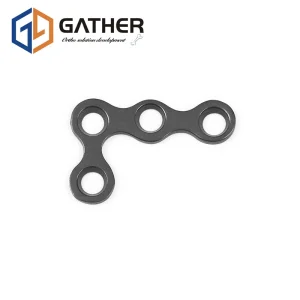
Midfacial trauma often involves complex zygomaticomaxillary fractures and orbital floor blowouts. Titanium mesh sheets (0.4mm–0.6mm thickness) and contoured L/T-plates provide structural contouring without impeding vascularization.
High-stress zones require rigid double-plate or heavy-duty reconstruction locking systems (2.0mm to 2.4mm system) capable of withstanding peak bite forces along Champy’s lines of osteosynthesis.
In corrective jaw surgery (Le Fort I, II, III osteotomies and Bilateral Sagittal Split Osteotomy), pre-bent or easily malleable titanium mini-plates ensure rigid skeletal fixation post-repositioning.
Post-tumor resection demands modular reconstruction plates with sliding screw tracks to integrate vascularized free fibula flaps into the defect site with high biomechanical stability.
Vertically Integrated OEM/ODM Orthopedic & Maxillofacial Manufacturing Infrastructure
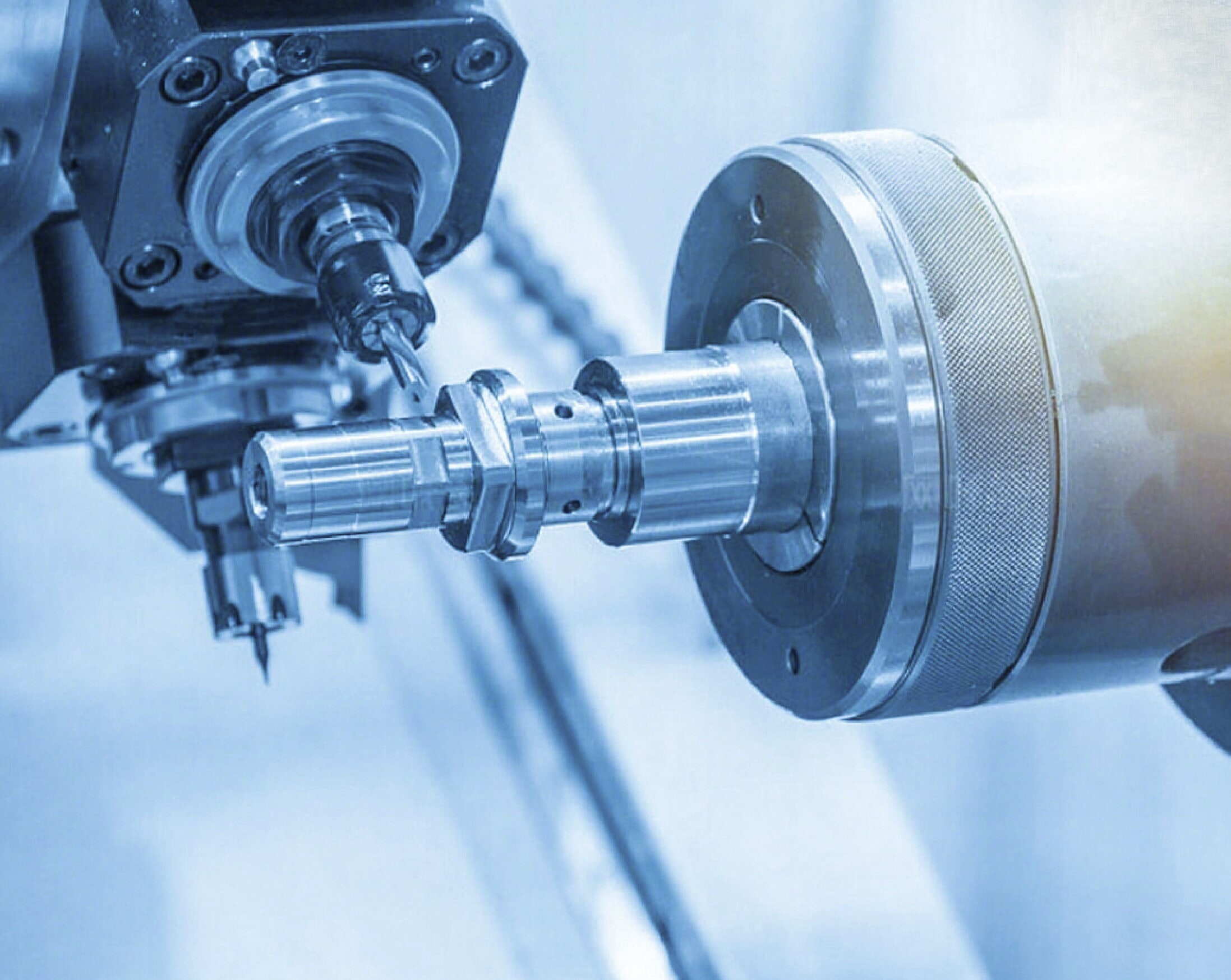
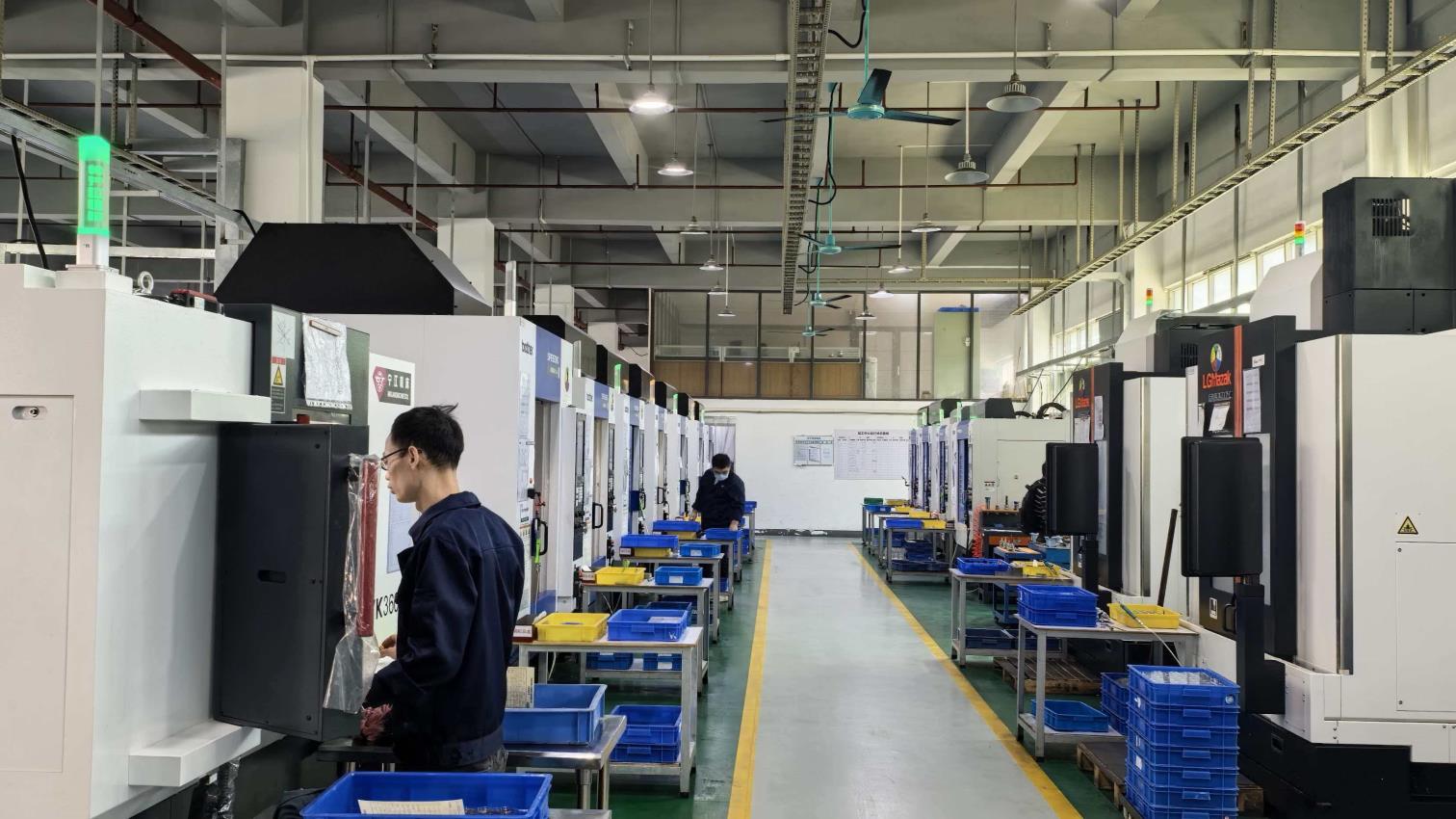
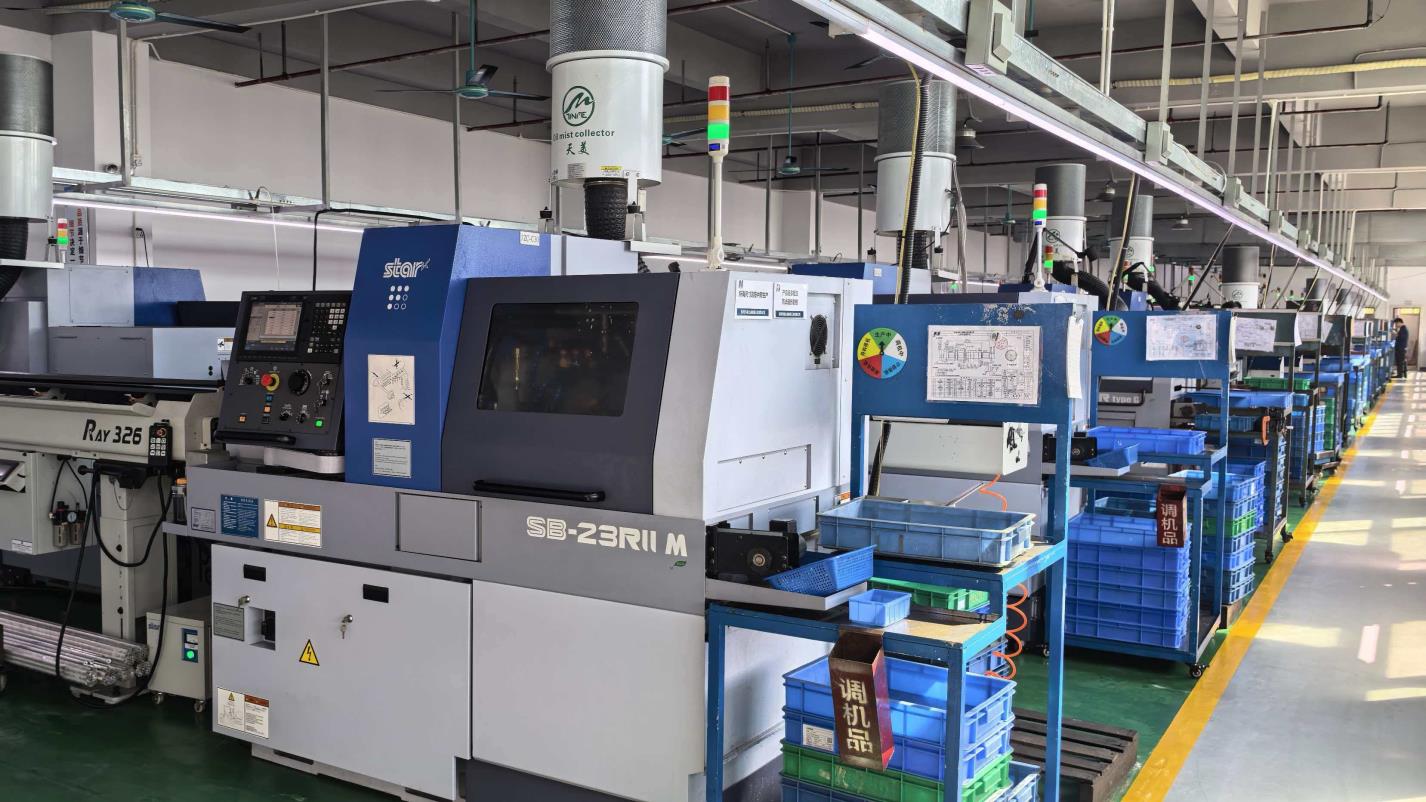
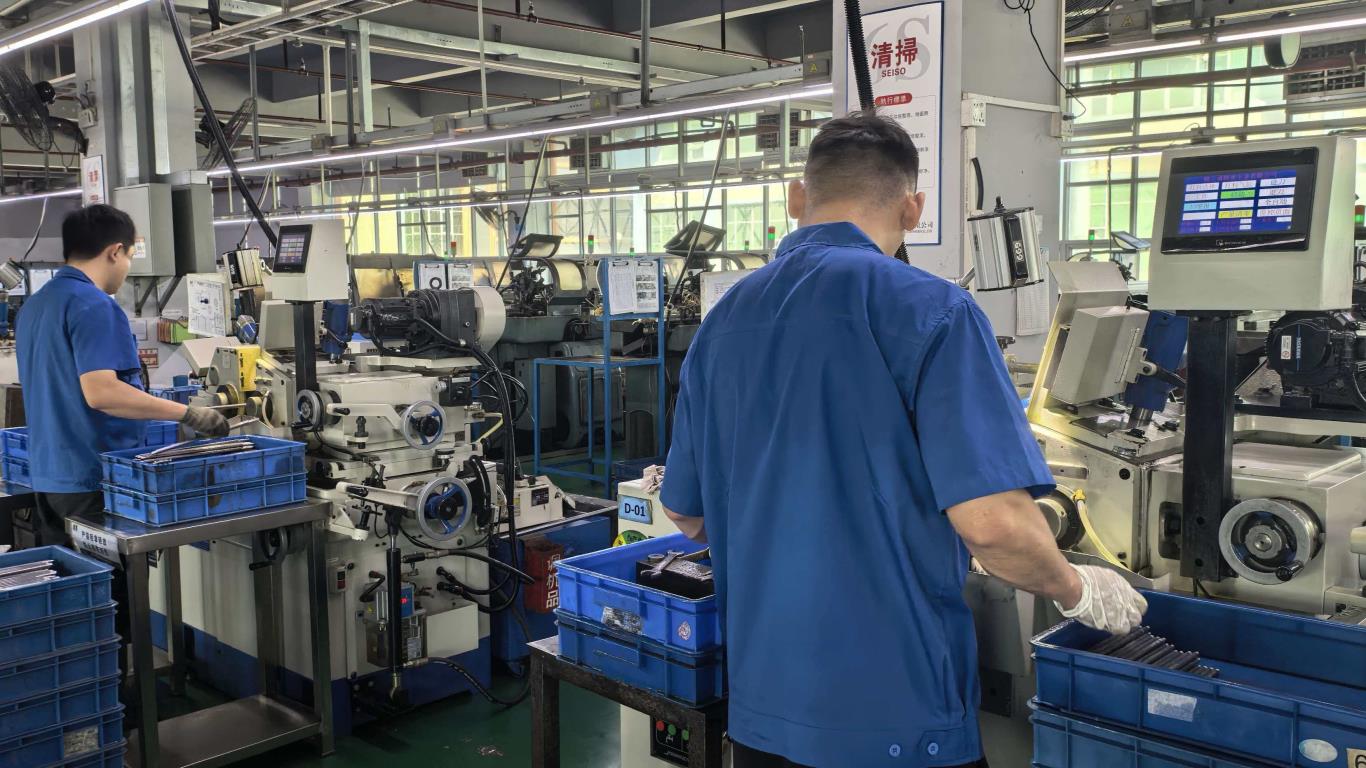
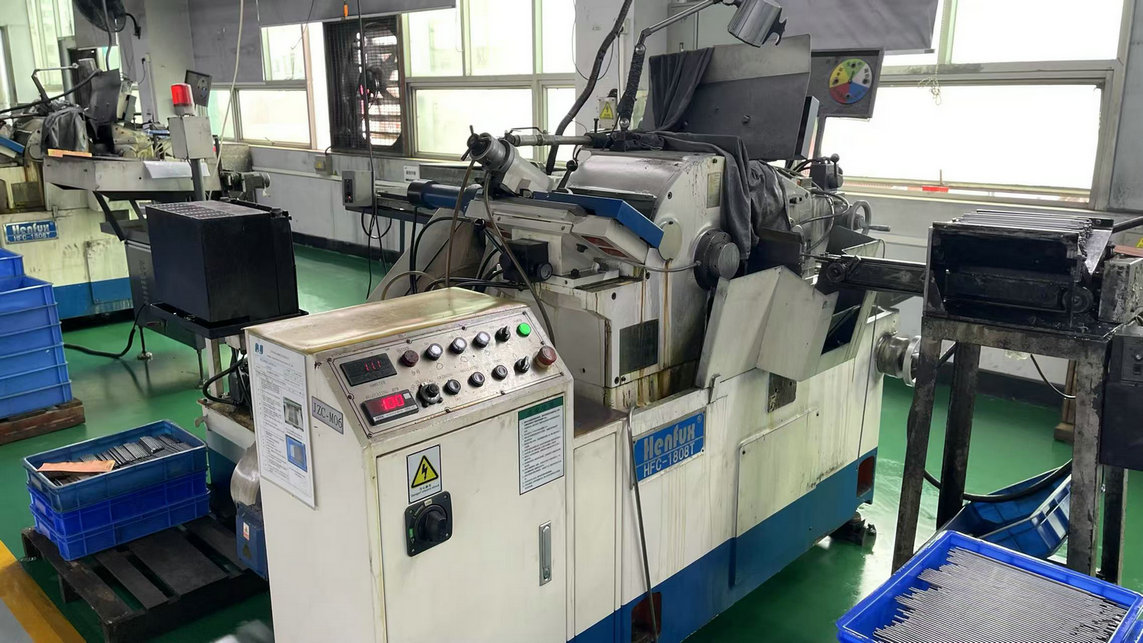
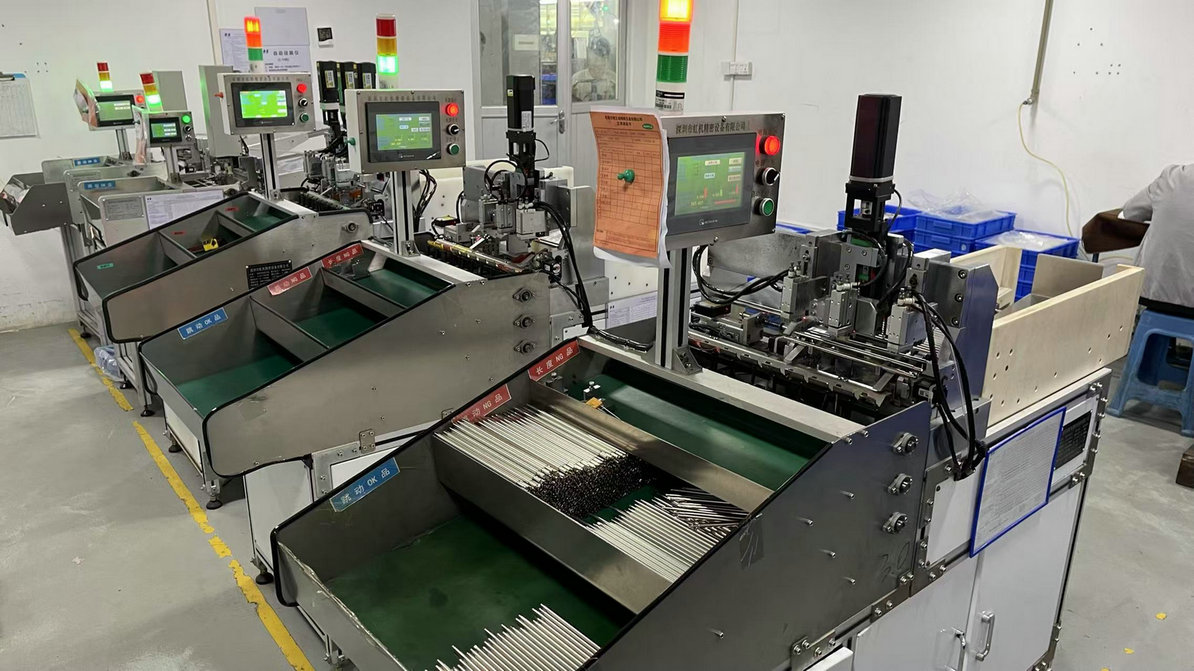
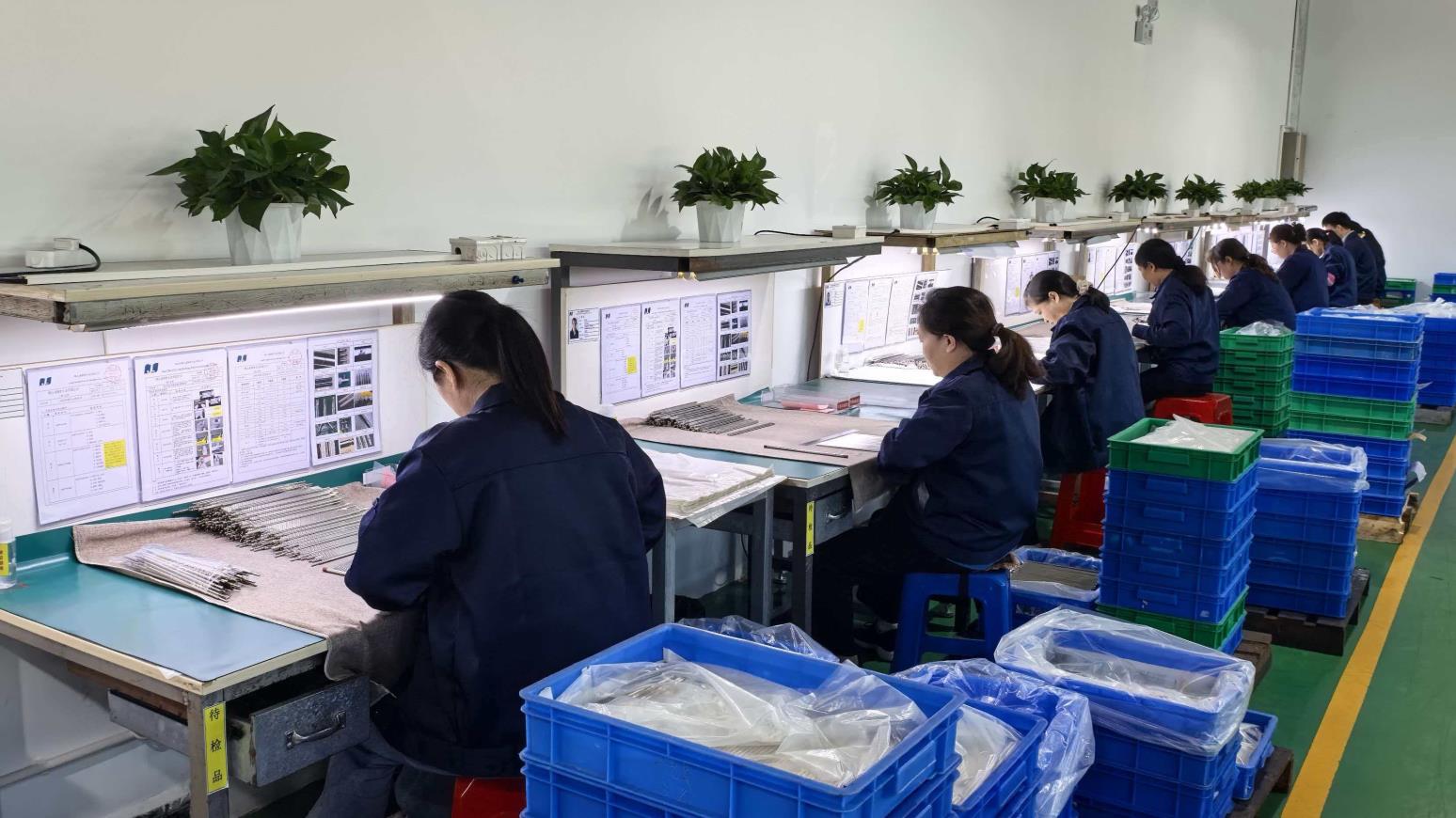
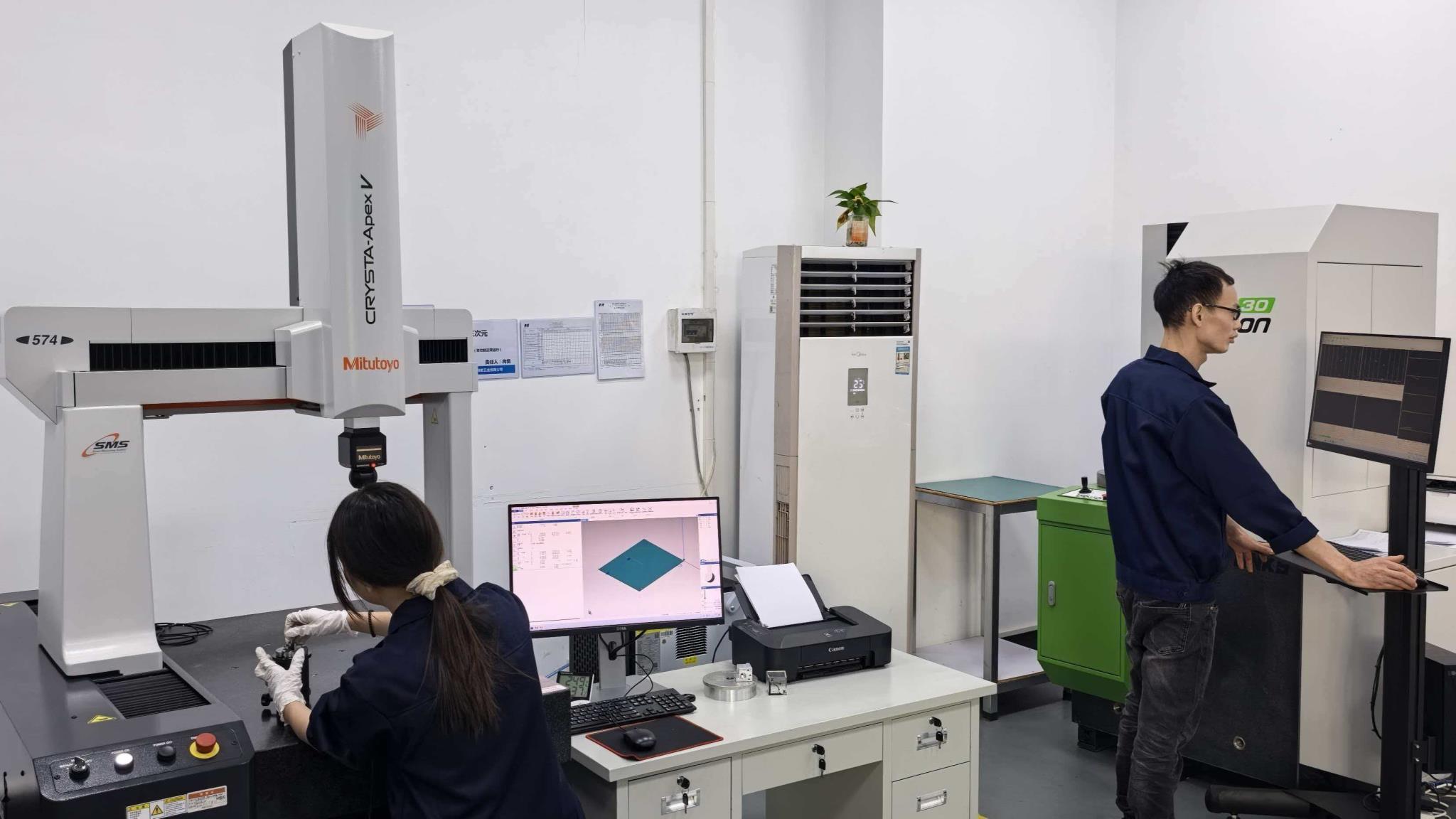
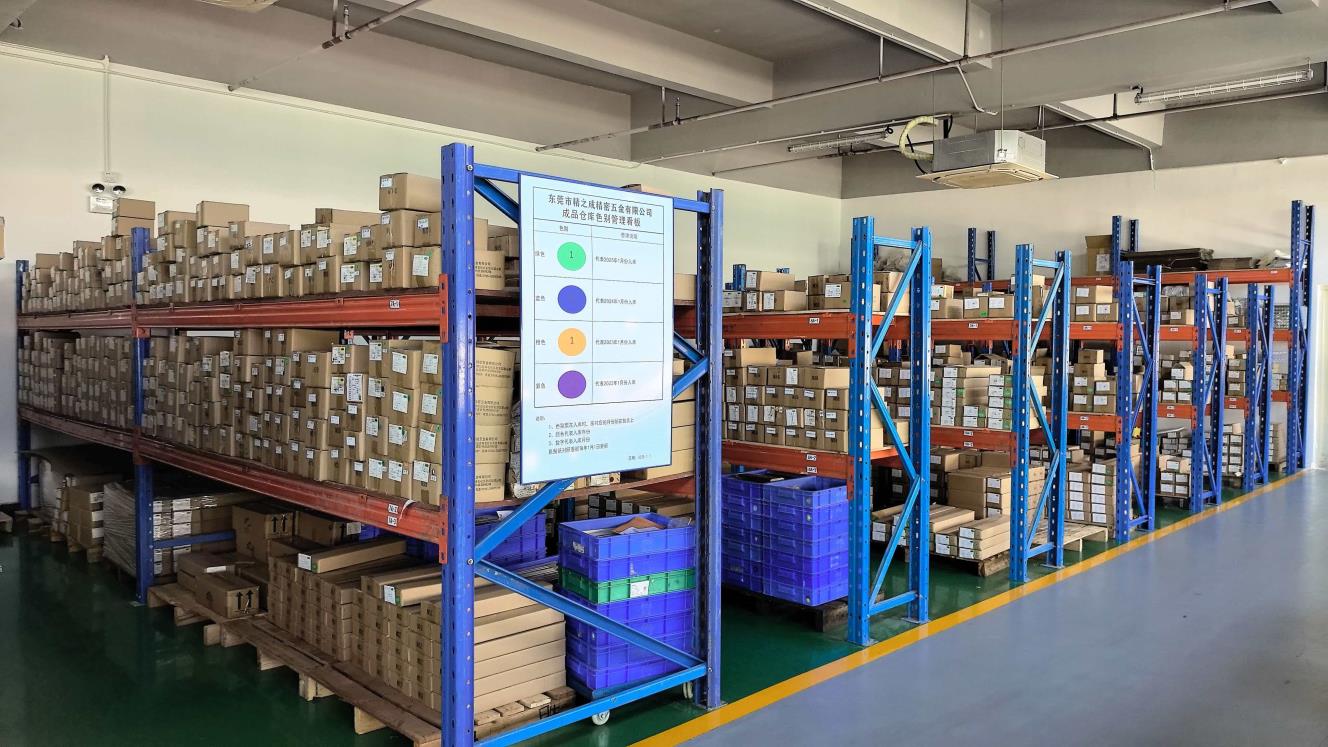
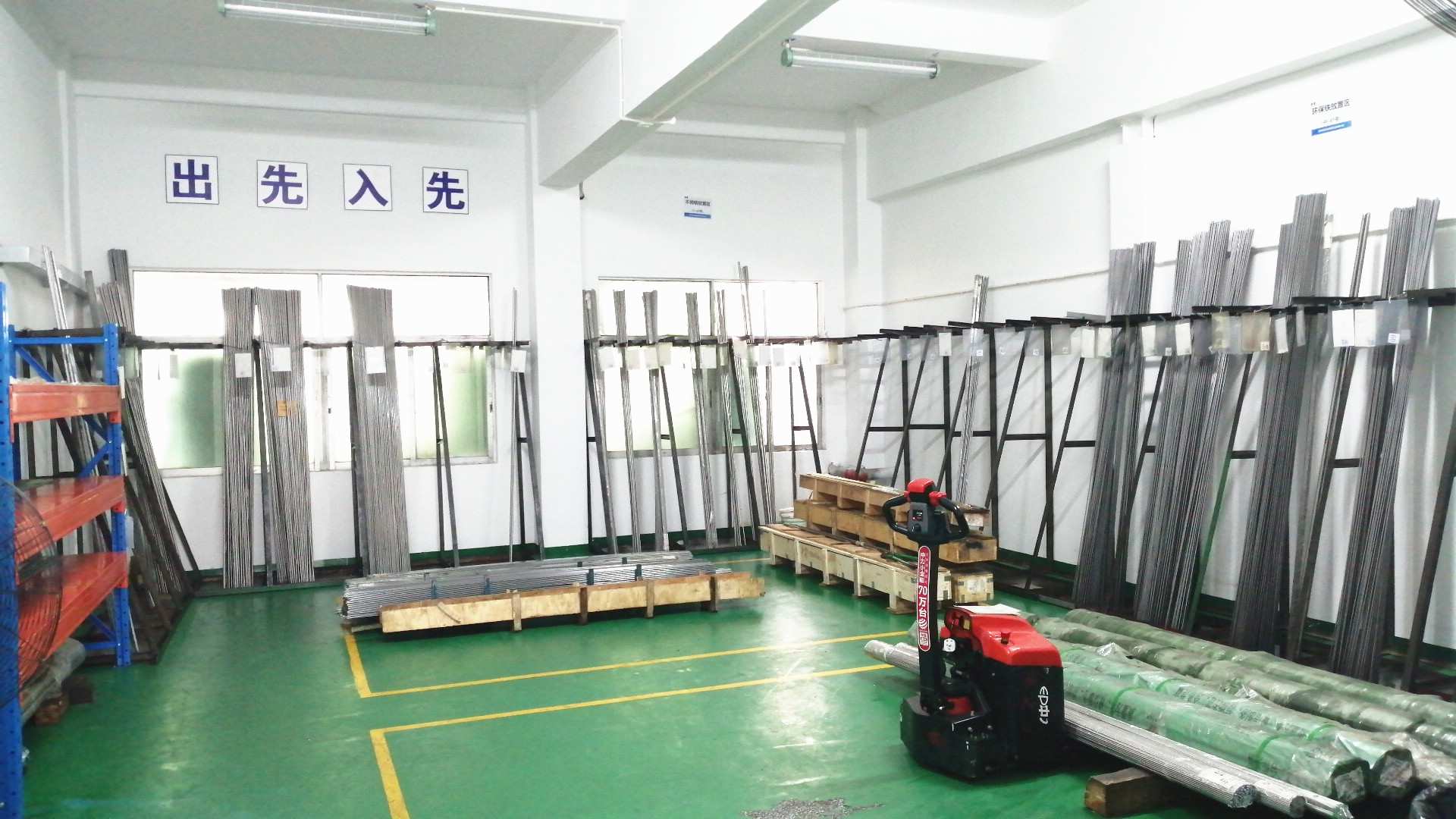
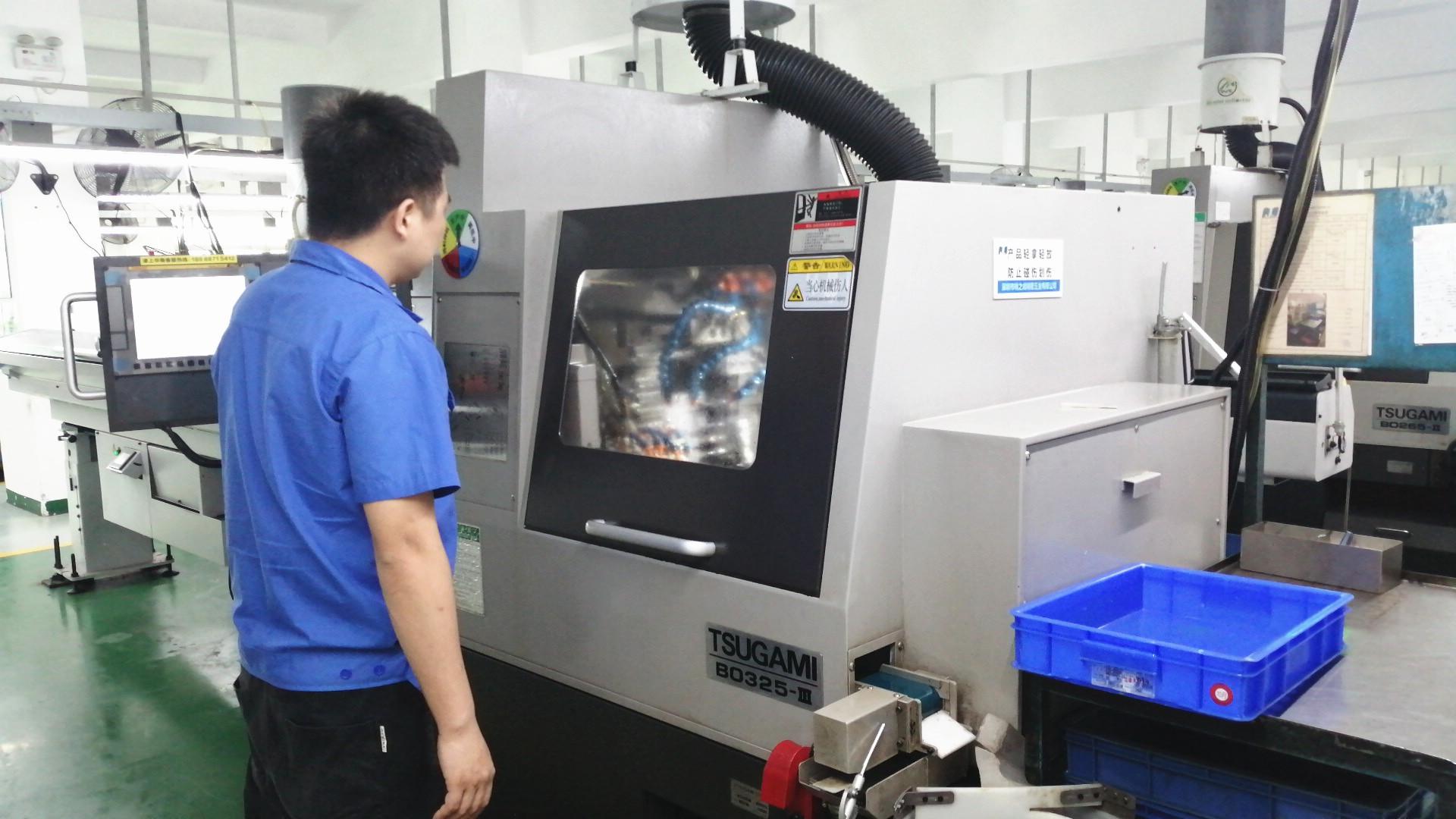
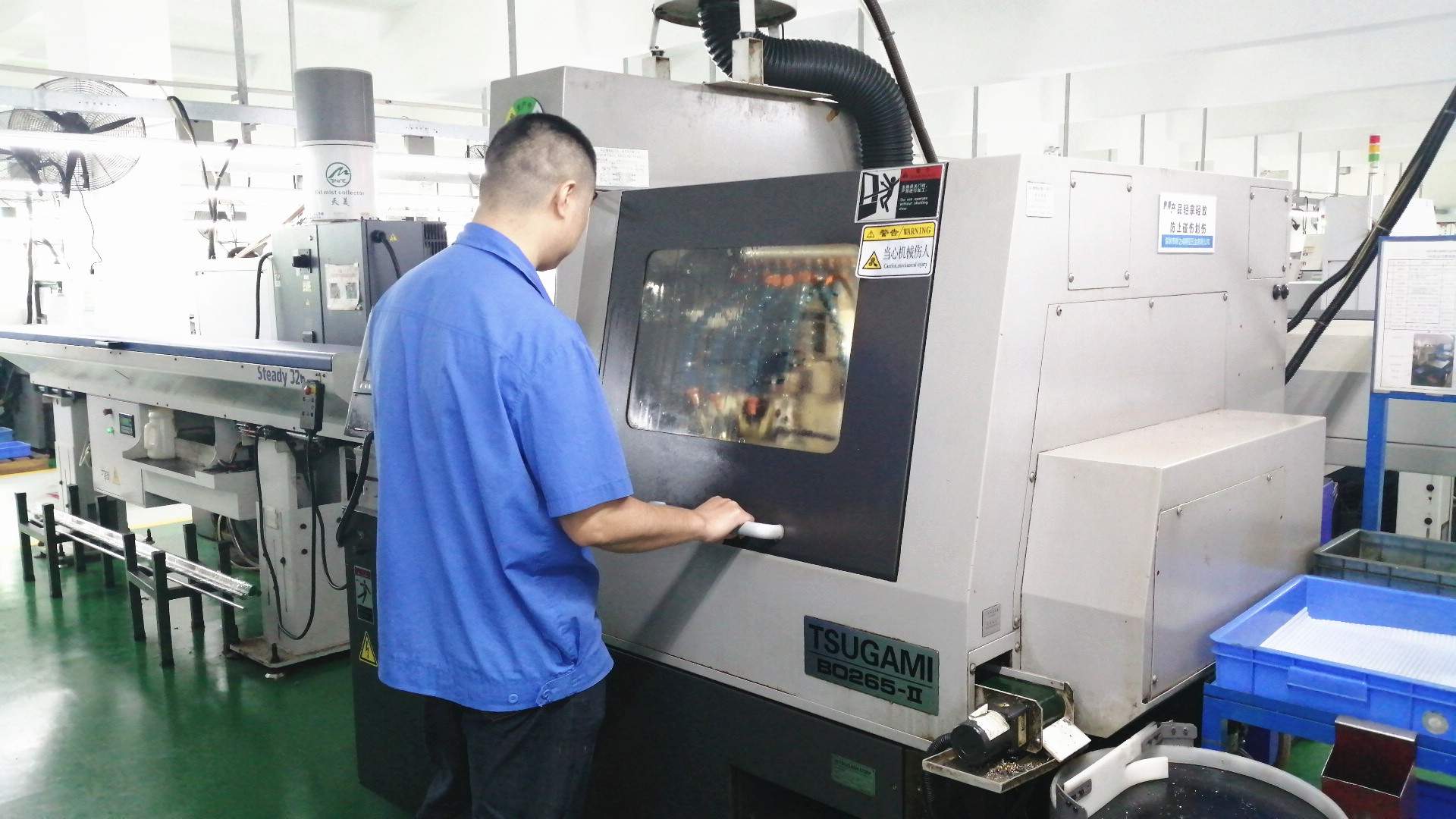
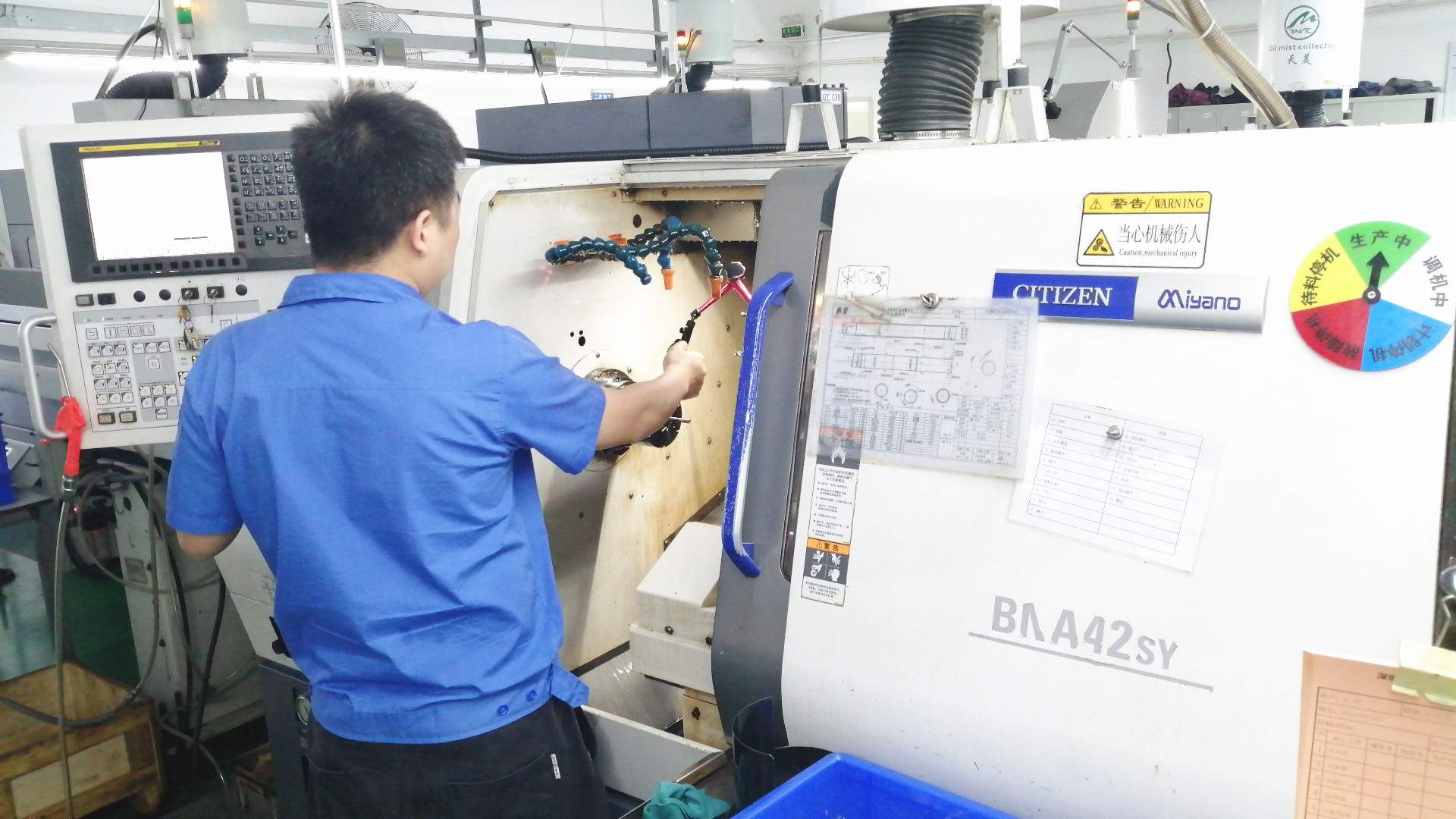
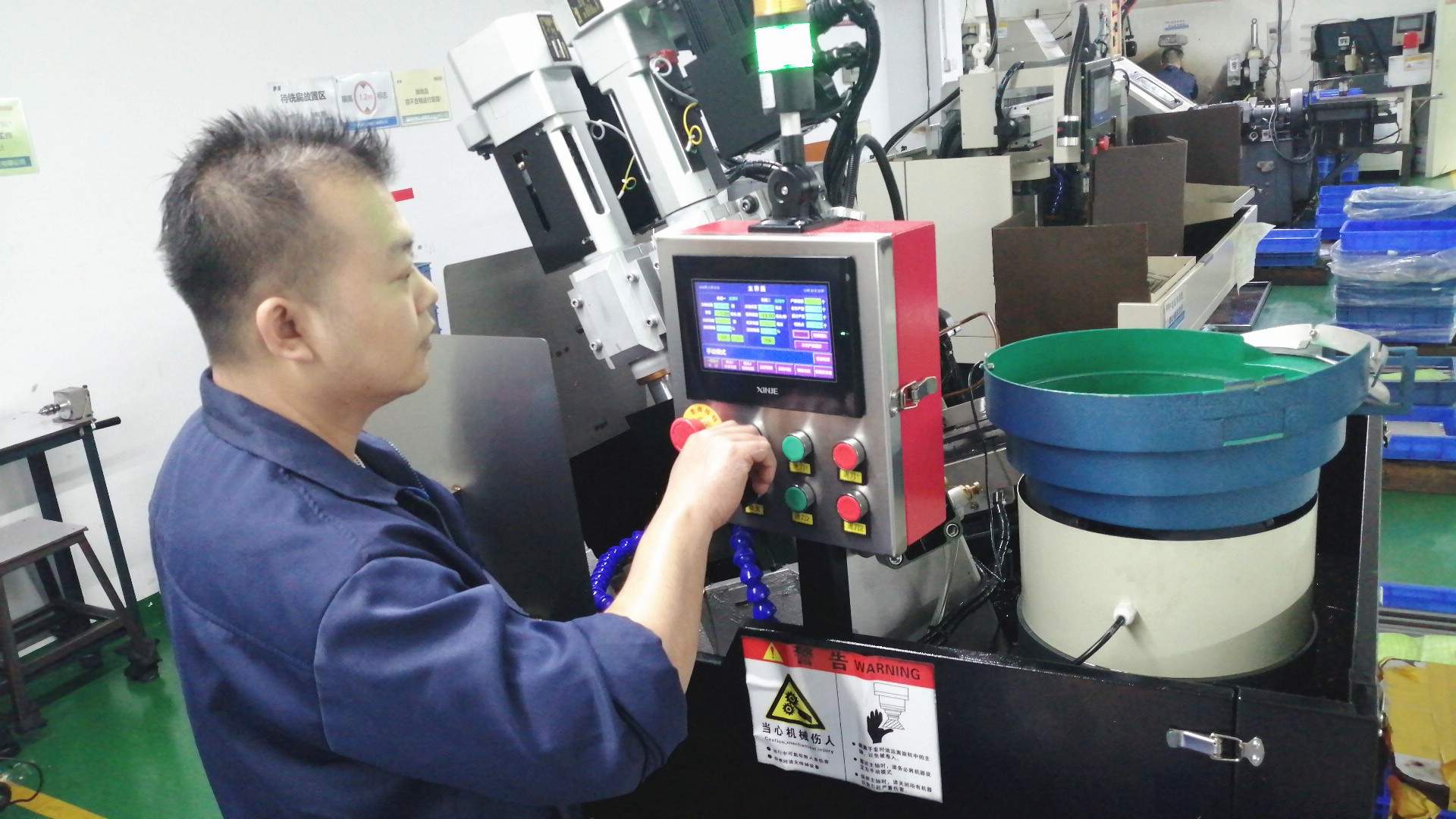
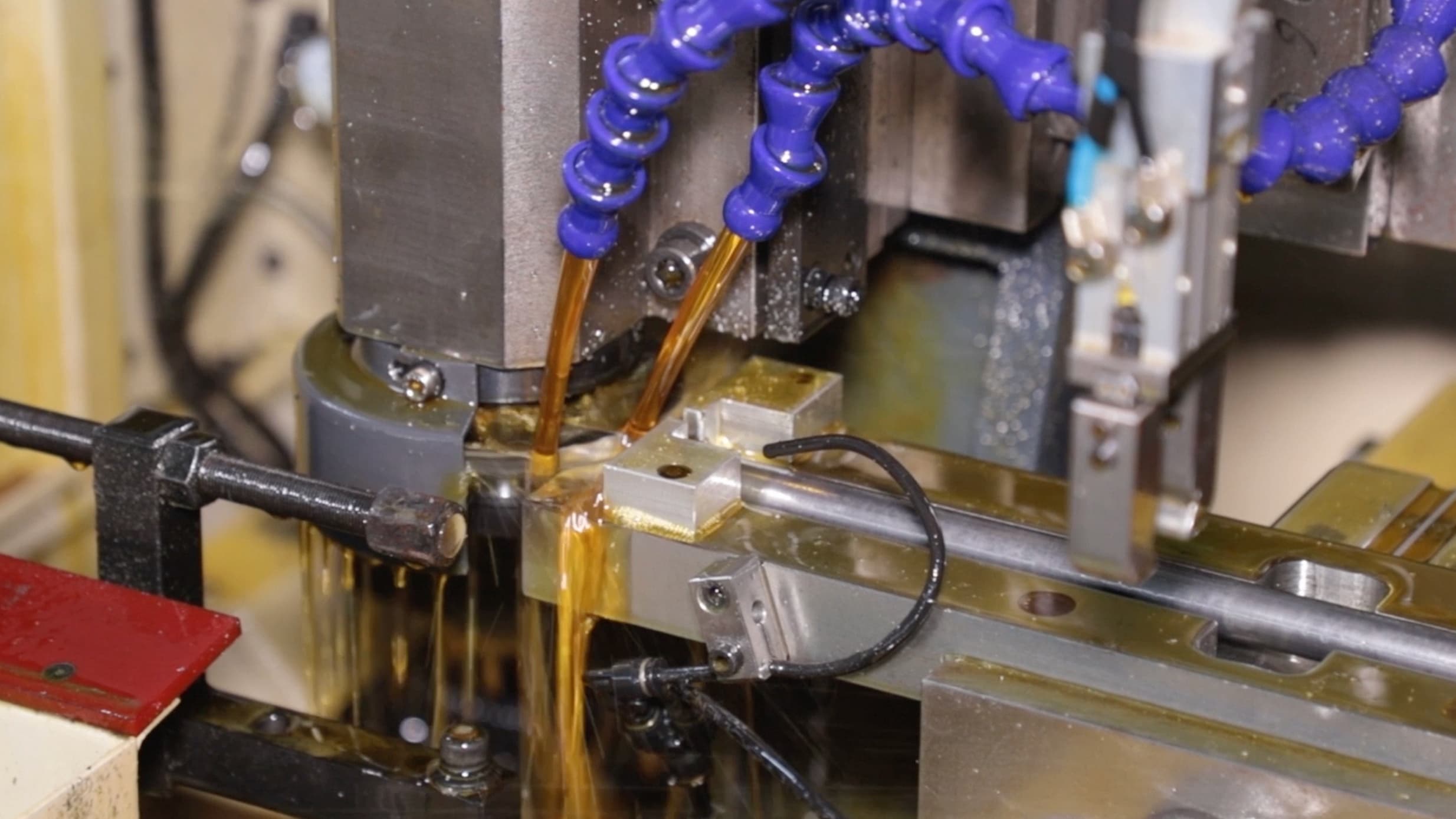
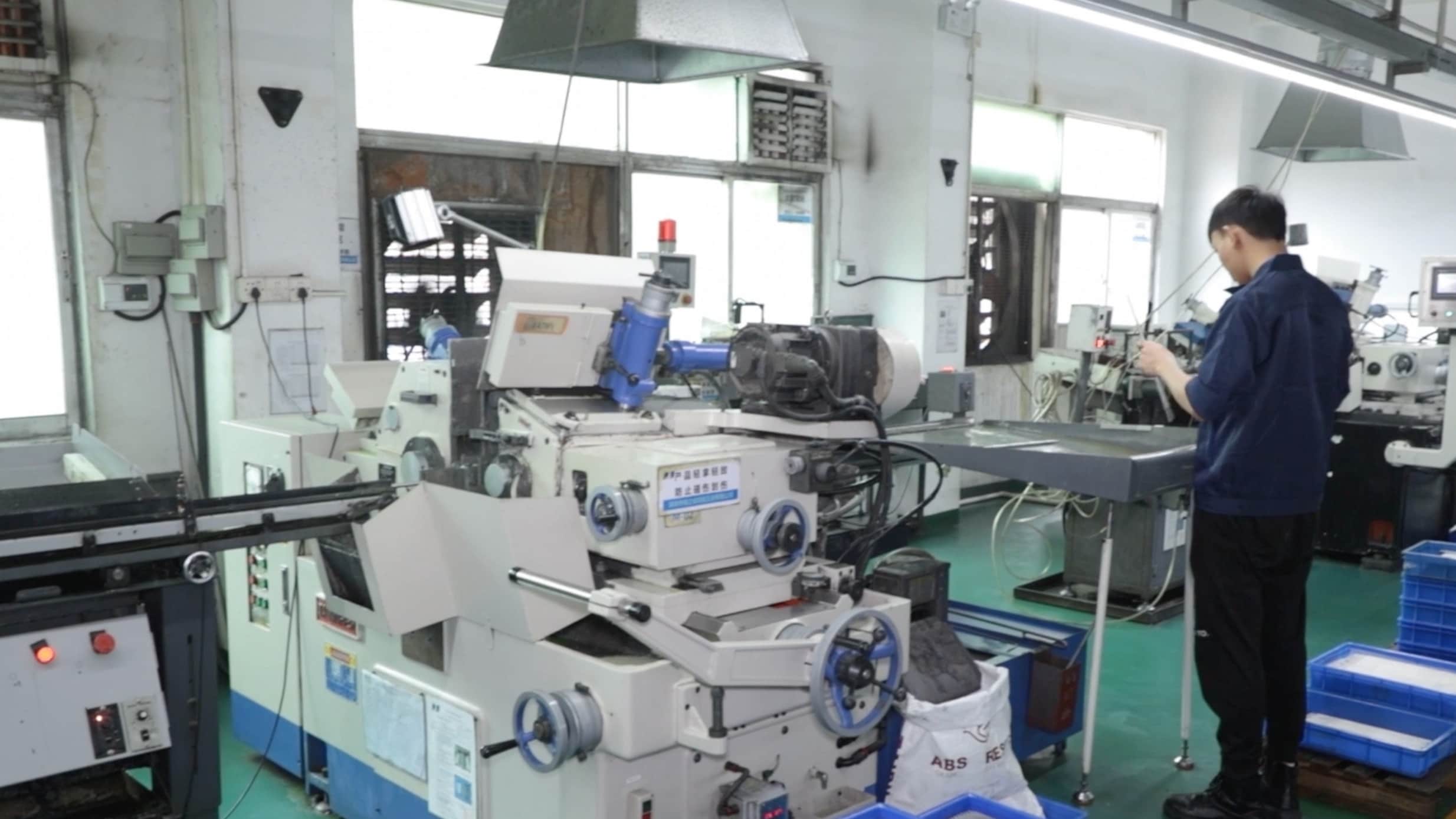
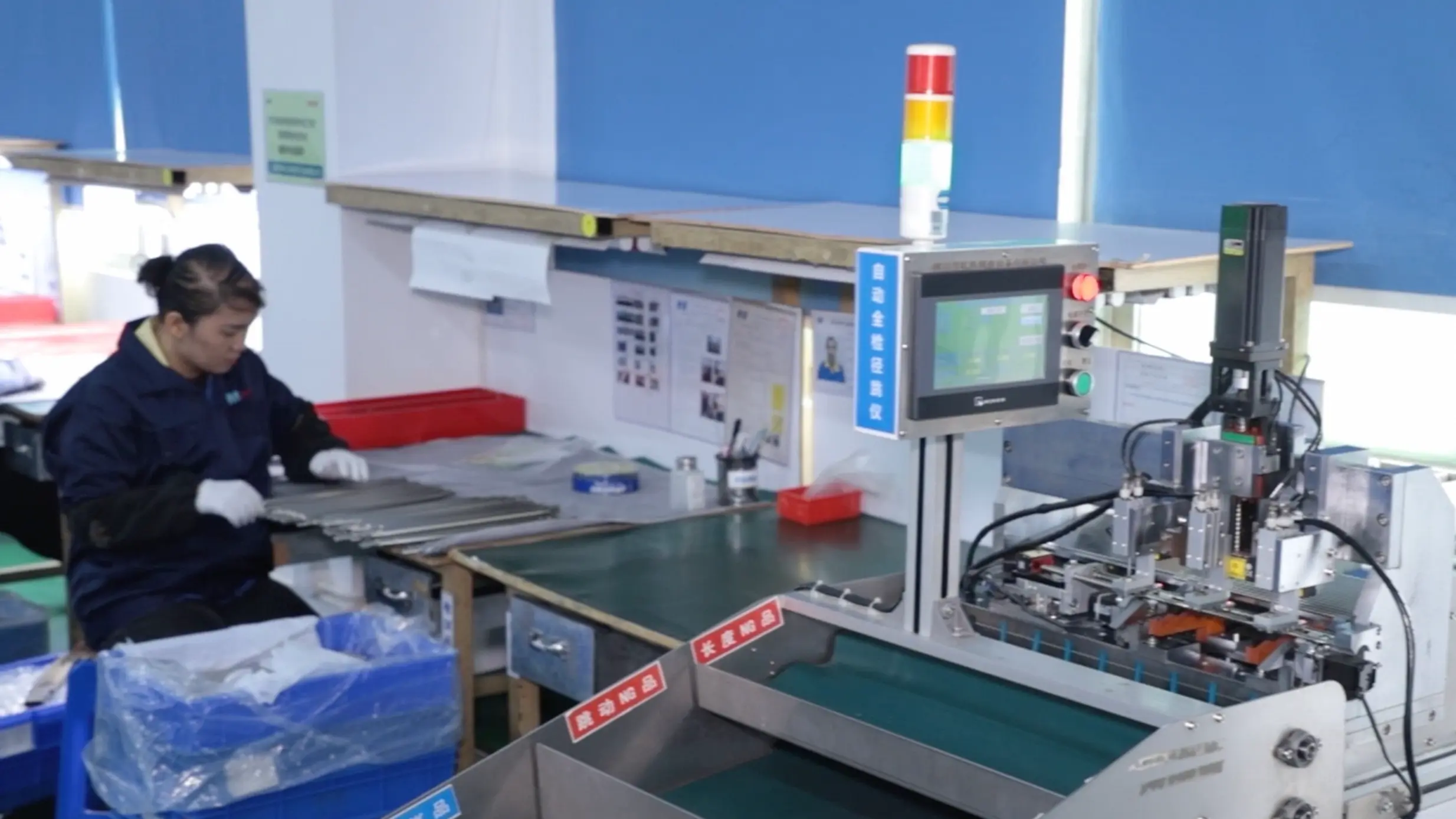
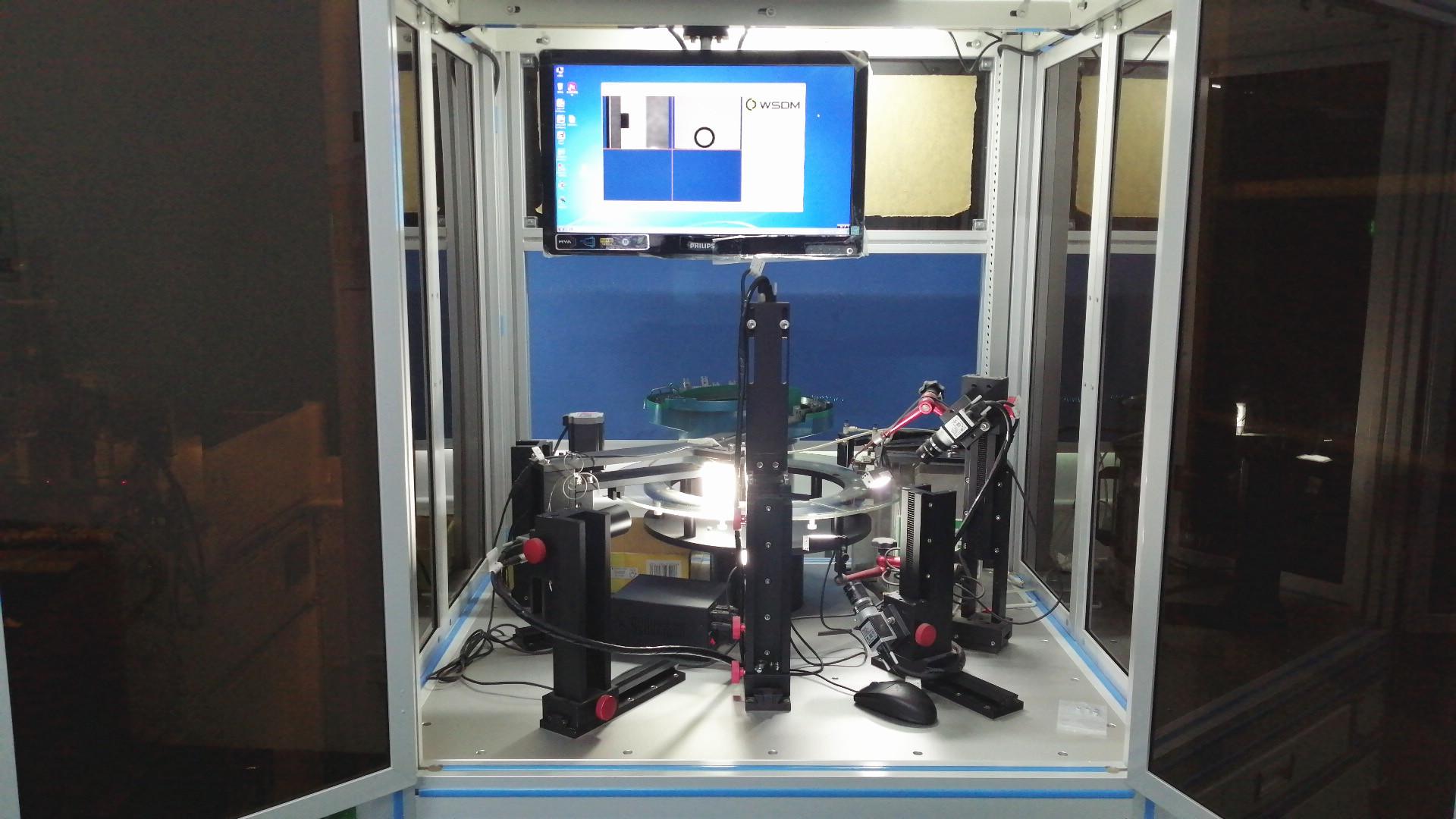
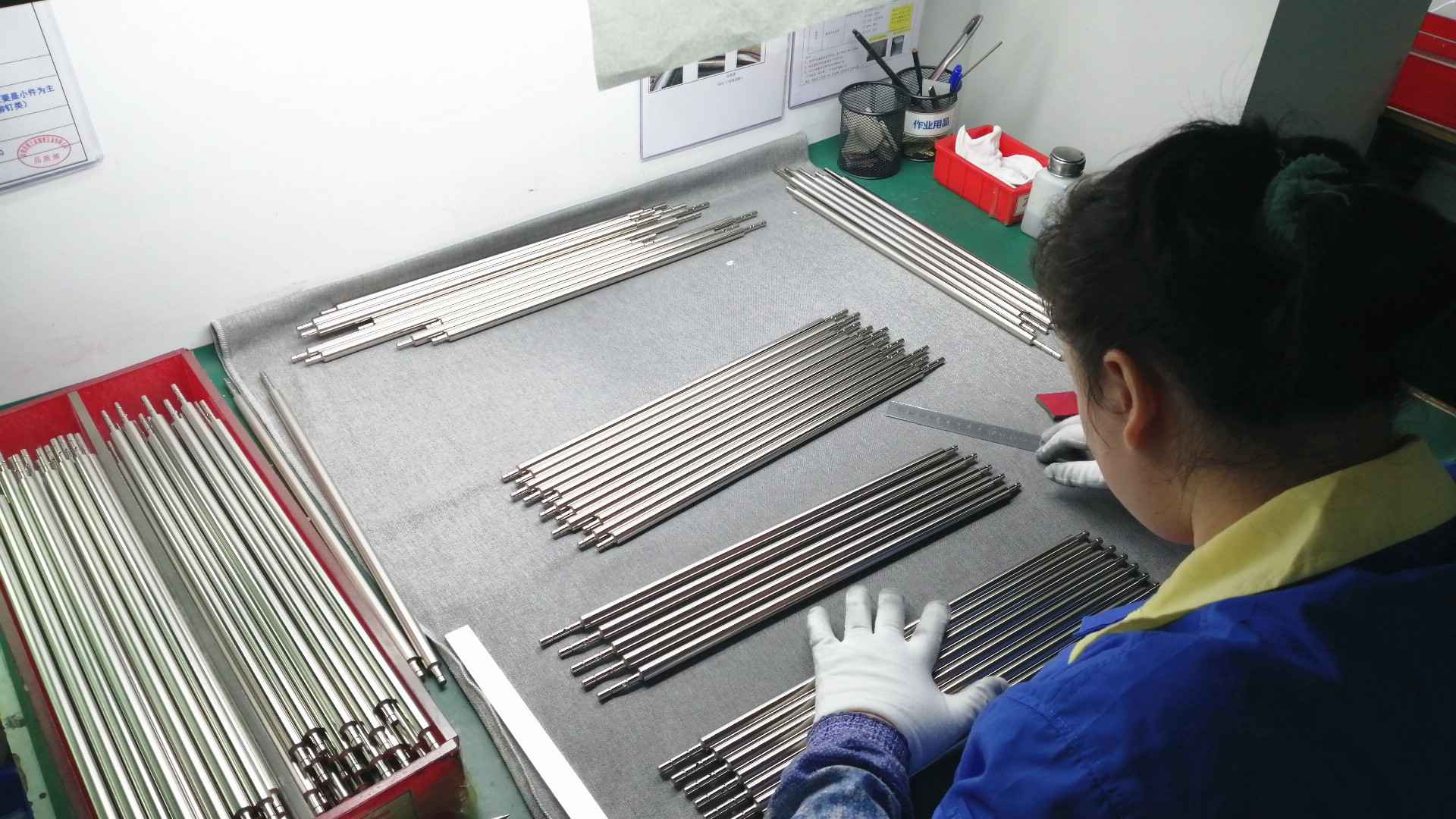
Streamlining supply chain risk and regulatory pathways for medical device brand owners worldwide.
Our biomedical engineering unit provides Finite Element Analysis (FEA) to simulate biomechanical fatigue under masticatory loads, optimizing plate thickness and screw hole positioning before cutting metal.
Rapid turnaround on physical pre-production samples within 7–14 days. Seamless scalability from micro-batch clinical trial lots to multi-thousand unit wholesale production runs.
In-house electrochemical color anodization (Type II), ultrasonic cleaning, and ISO Class 7 cleanroom pouch sealing ensure products arrive sterile or ready for autoclave processing.
Crucial benchmarks international hospital purchasing groups and medical distributors use to qualify suppliers.
Expert answers to key technical, regulatory, and commercial procurement queries.
Explore our broader catalogue of external fixators, spinal instruments, and orthopedic components.