MGMT Orthopedic Implants
Explore our precision-engineered medical devices, trauma fixators, and specialized surgical instrument sets manufactured to exact global tolerances.
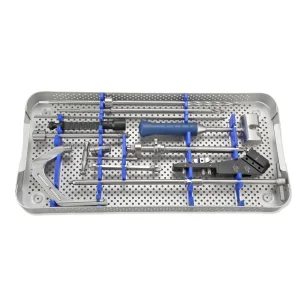
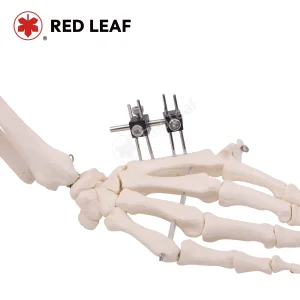

Analyzing surgical volume growth, mechanical failure modalities, demographic shifts, and market opportunities for international B2B orthopedic buyers.
Revision Total Knee Arthroplasty (RTKA) represents one of the most demanding sub-specialties within total joint reconstructive surgery. Unlike primary Total Knee Arthroplasty (TKA)—which benefits from standard joint architecture and predictable bone stock—revision knee procedures address compromised osseous structures, joint instability, severe soft tissue imbalance, and massive bone loss resulting from primary implant failure.
Driven by an aging global population, growing rates of obesity, and an increasing volume of primary TKAs being performed on younger, more active patients, the global demand for Revision Knee Systems is surging exponentially. Clinical registry data across North America, Europe, and the Asia-Pacific region indicates that up to 12.5% of primary total knee replacements will ultimately require revision intervention within a 15- to 20-year timeframe.
The successful outcome of complex revision knee surgery hinges upon achieving primary fixation and establishing long-term joint stability. Modern revision knee system architecture relies on modularity, enabling orthopedic surgeons to tailor the implant construct intraoperatively according to specific patient anatomy and bone defect severity, classified under the Anderson Orthopaedic Research Institute (AORI) criteria.
Available in fluted, slotted, and smooth geometries (Ti-6Al-4V ELI titanium alloy). Stems bypass compromised metaphyseal bone to anchor securely within the cortical diaphyseal canal, transferring load and reducing stress at the joint interface.
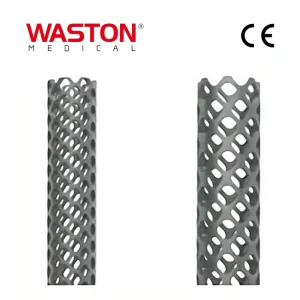
Highly porous titanium structures engineered using additive manufacturing (3D printing) or plasma-sprayed coatings. Designed to restore zone 2 metaphyseal bone defects (AORI Type II & III) and promote biological osteointegration.
Modular distal/posterior femoral wedges and step-cut/half-wedge tibial blocks. Engineered from high-strength CoCrMo or titanium alloys to instantly fill asymmetrical bone deficits and reconstitute the natural joint line.
Precision manufacturing must align with surgical classification systems to ensure that off-the-shelf and customizable components meet precise mechanical demands:
| AORI Defect Level | Bone Stock Condition | Required System Modality | Implants & Instruments Engineered |
|---|---|---|---|
| Type I | Intact metaphyseal bone with minor localized loss. | Standard Posterior Stabilized (PS) or Condylar Constrained (CCK). | Standard modular stems, thin femoral/tibial augments. |
| Type II (A/B) | Damaged metaphyseal bone loss in one (A) or both (B) condyles/tibial plateaus. | Modular CCK System with offset stem couplings. | Thick step augments, porous metaphyseal sleeves, long fluted stems. |
| Type III | Deficient metaphyseal bone with major loss of collateral ligament attachment. | Rotating Hinge Knee (RHK) System. | Structural titanium porous cones, customized hinged mechanisms, diaphyseal locking stems. |
As a leading OEM/ODM manufacturer specializing in orthopedic instruments, we are your one-stop shop for comprehensive medical device contract manufacturing solutions.
Our expertise lies in crafting highly efficient, innovative, and fully customized orthopedic medical devices. By leveraging advanced technologies and a deep understanding of industry needs, our divisions will partner with you to refine your designs, improving performance and reducing cost while ensuring compliance with established and emerging regulations. Trust us to transform your concepts into state-of-the-art orthopedic products that enhance patient care and drive your business forward.
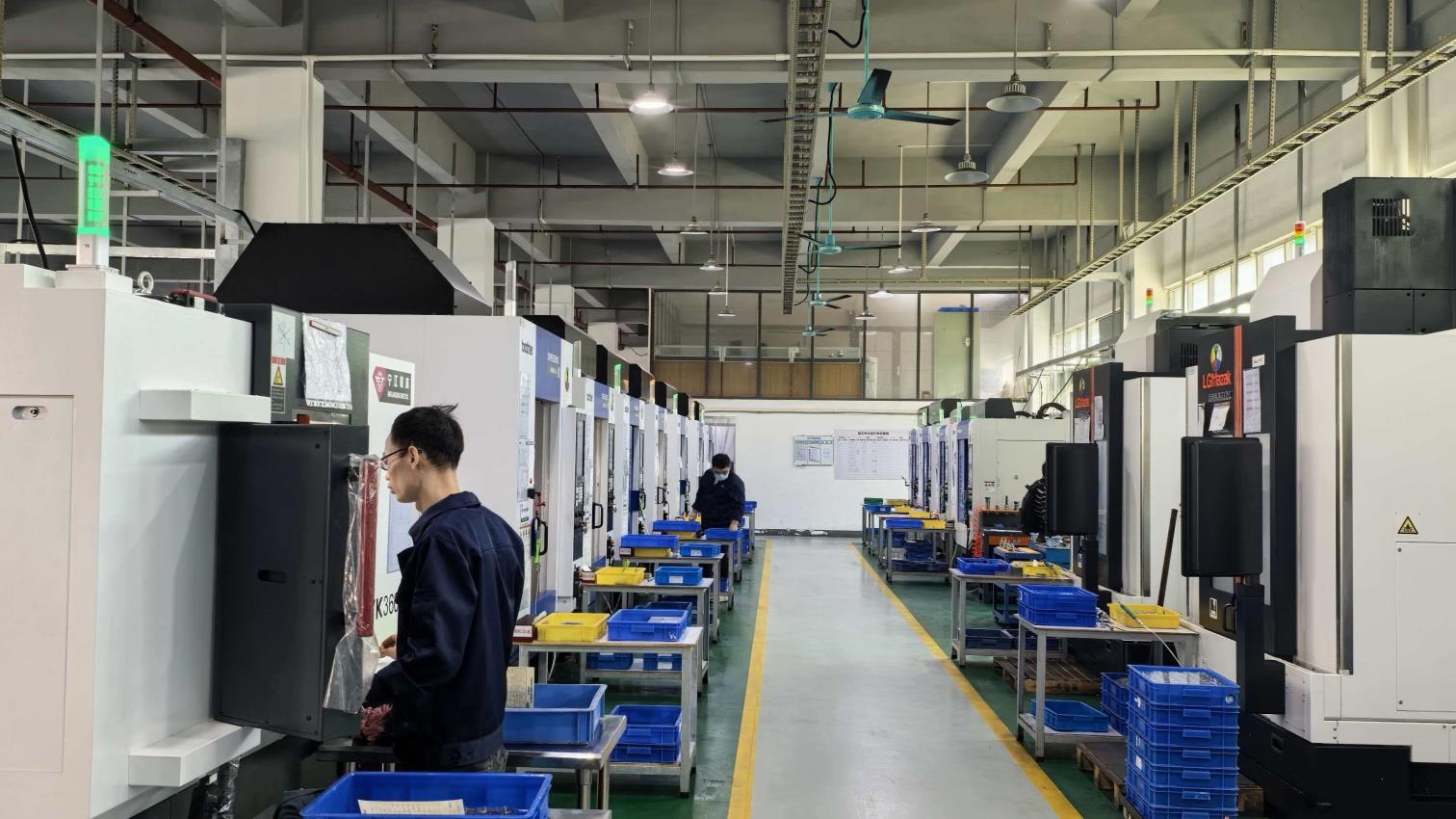
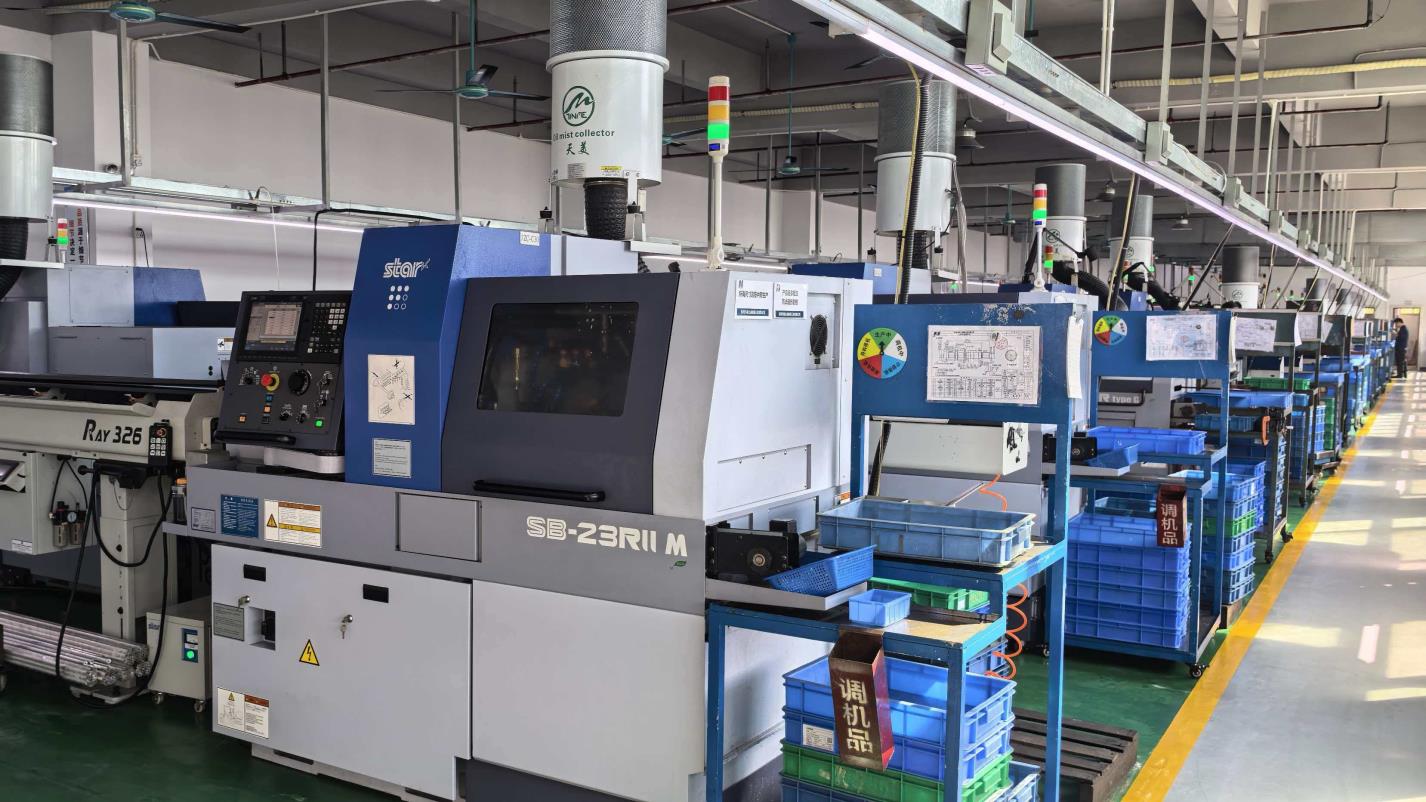
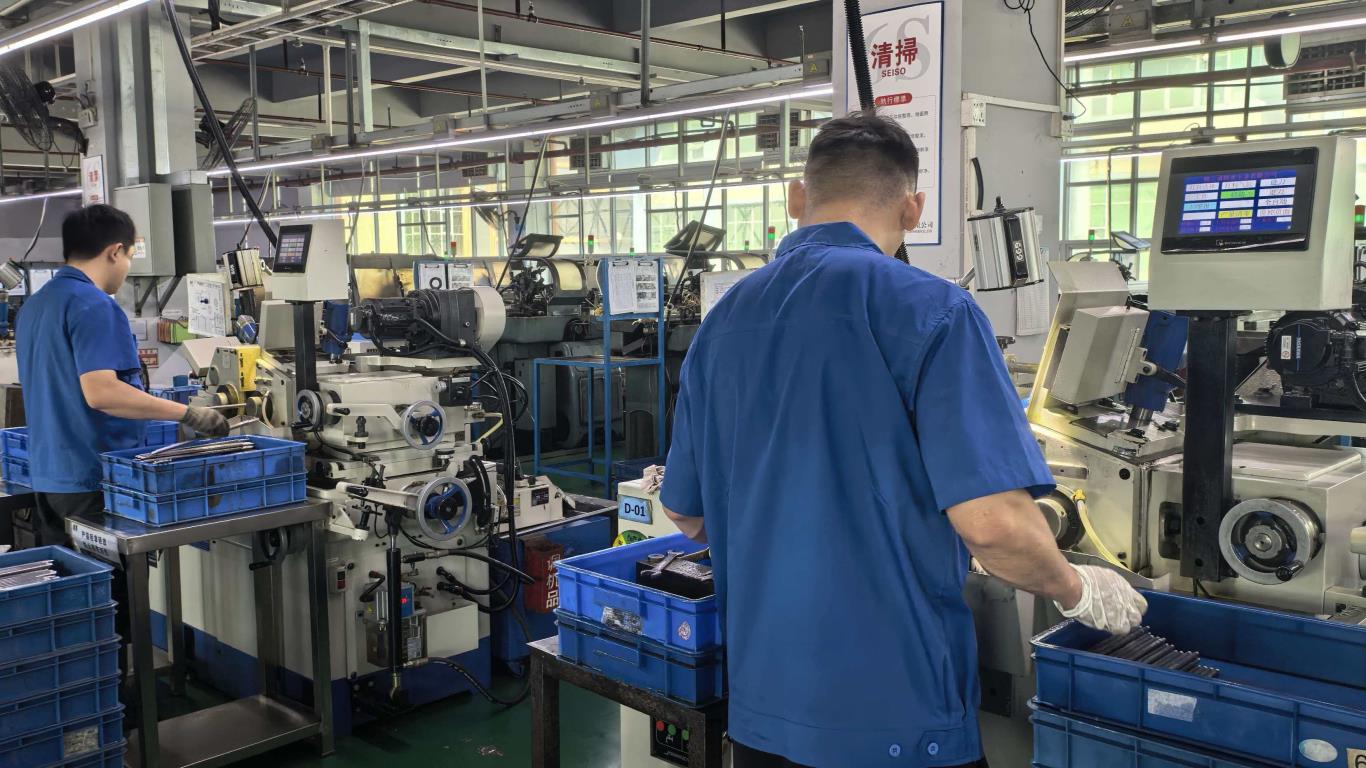
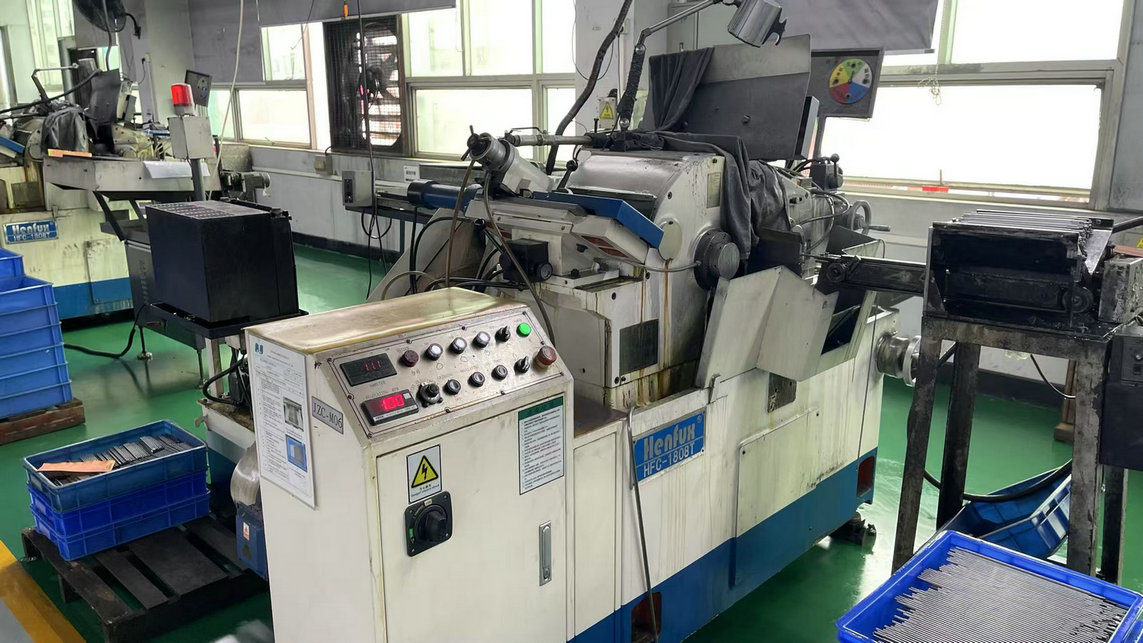
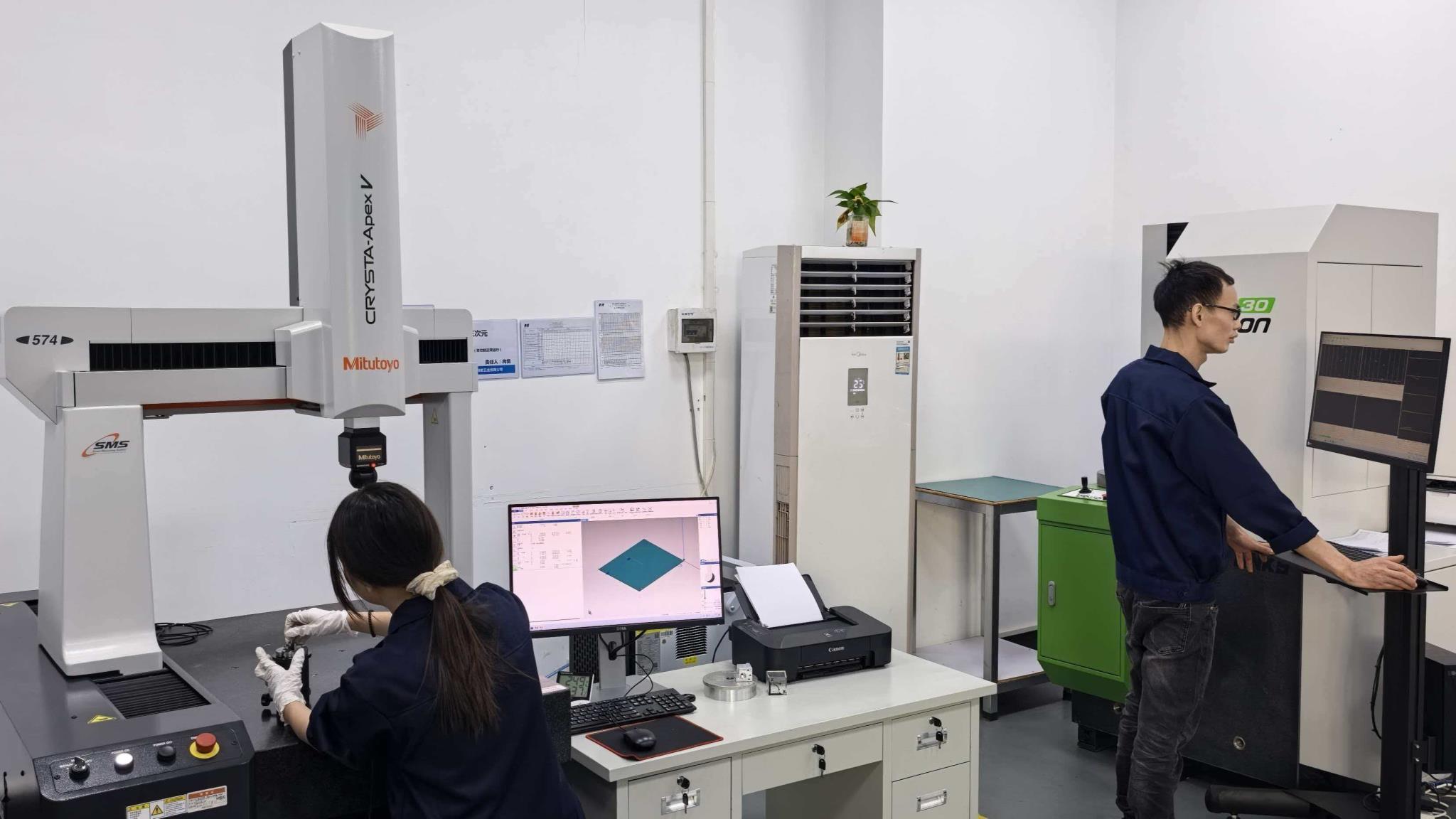
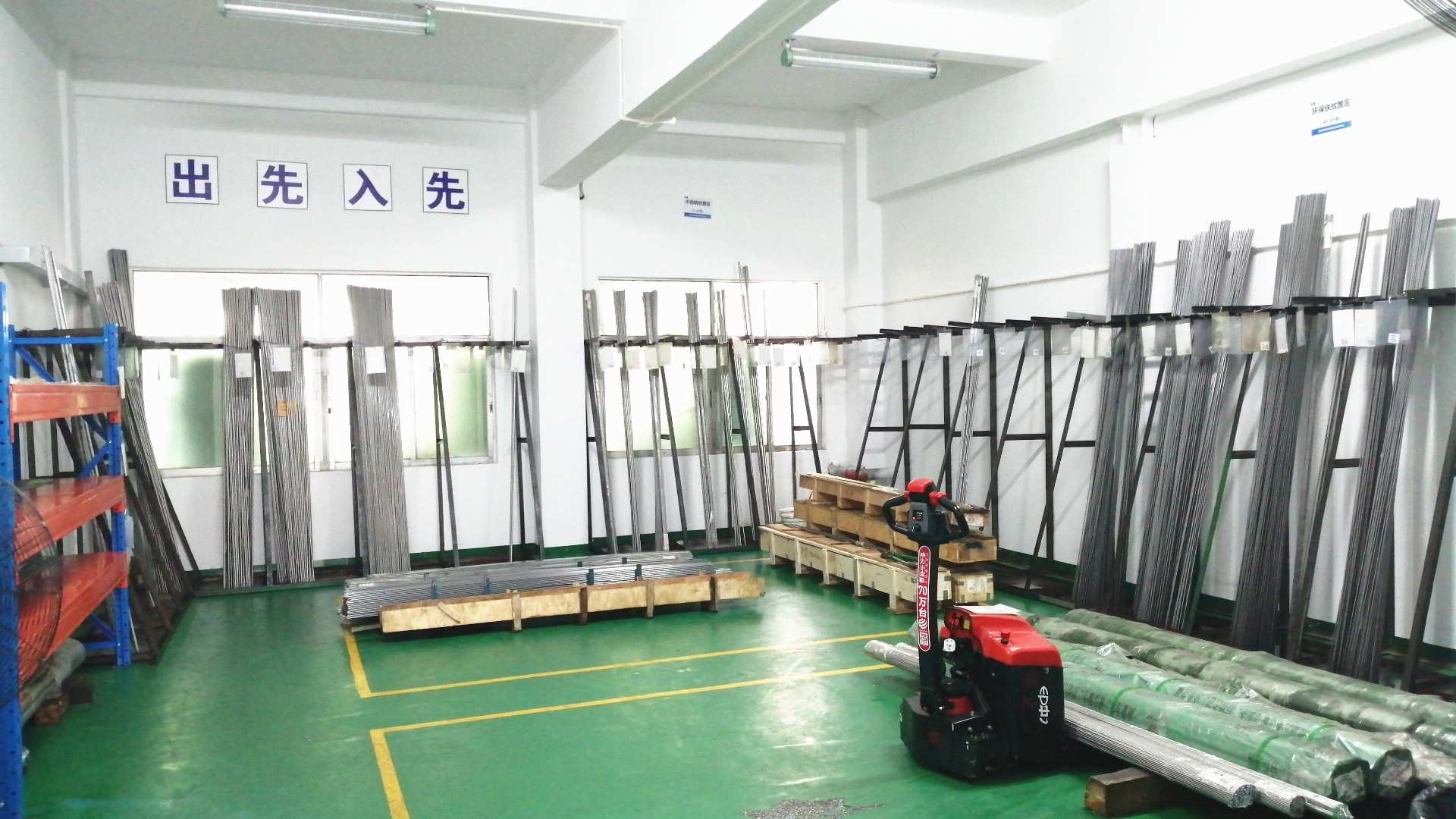
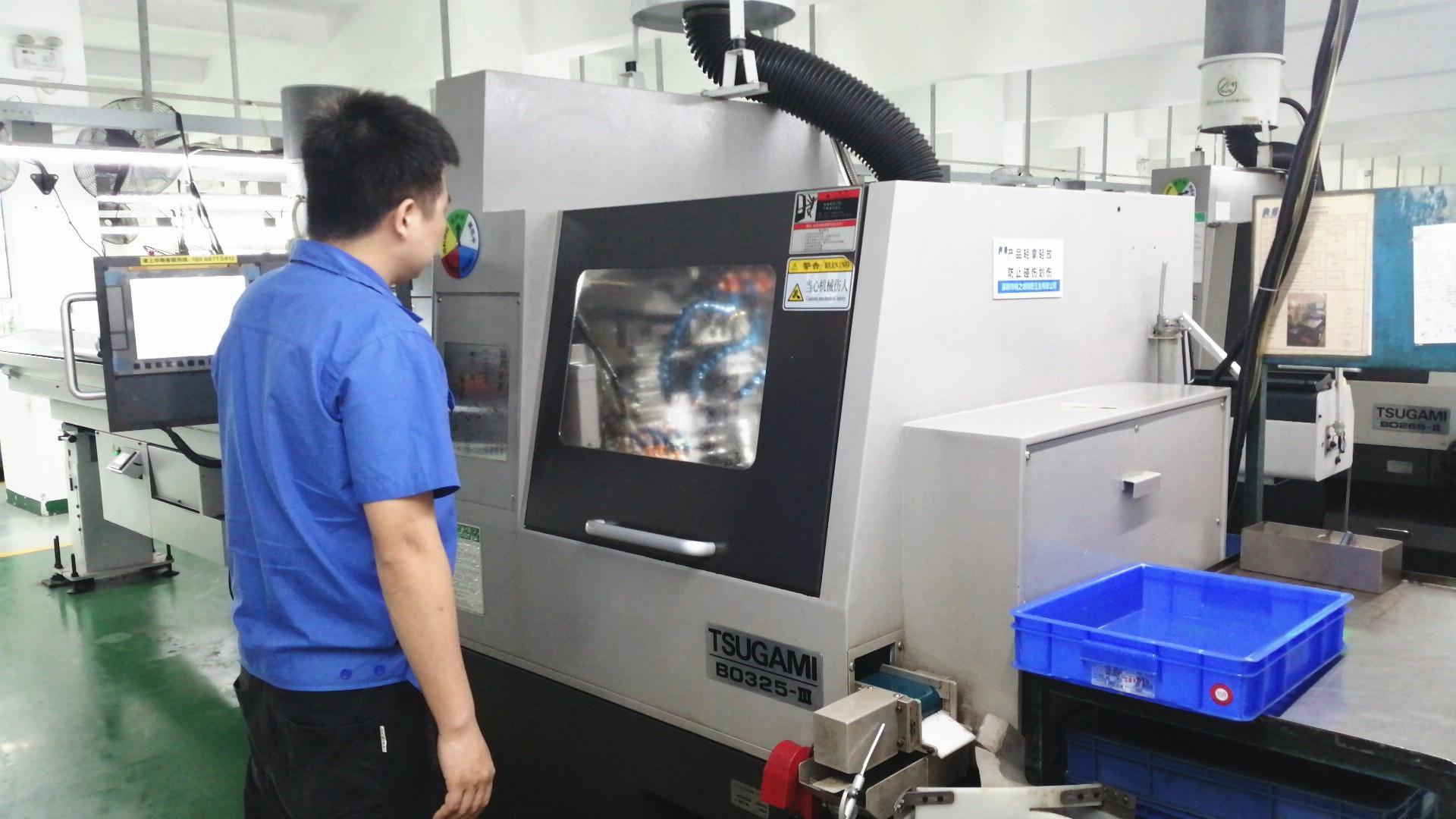
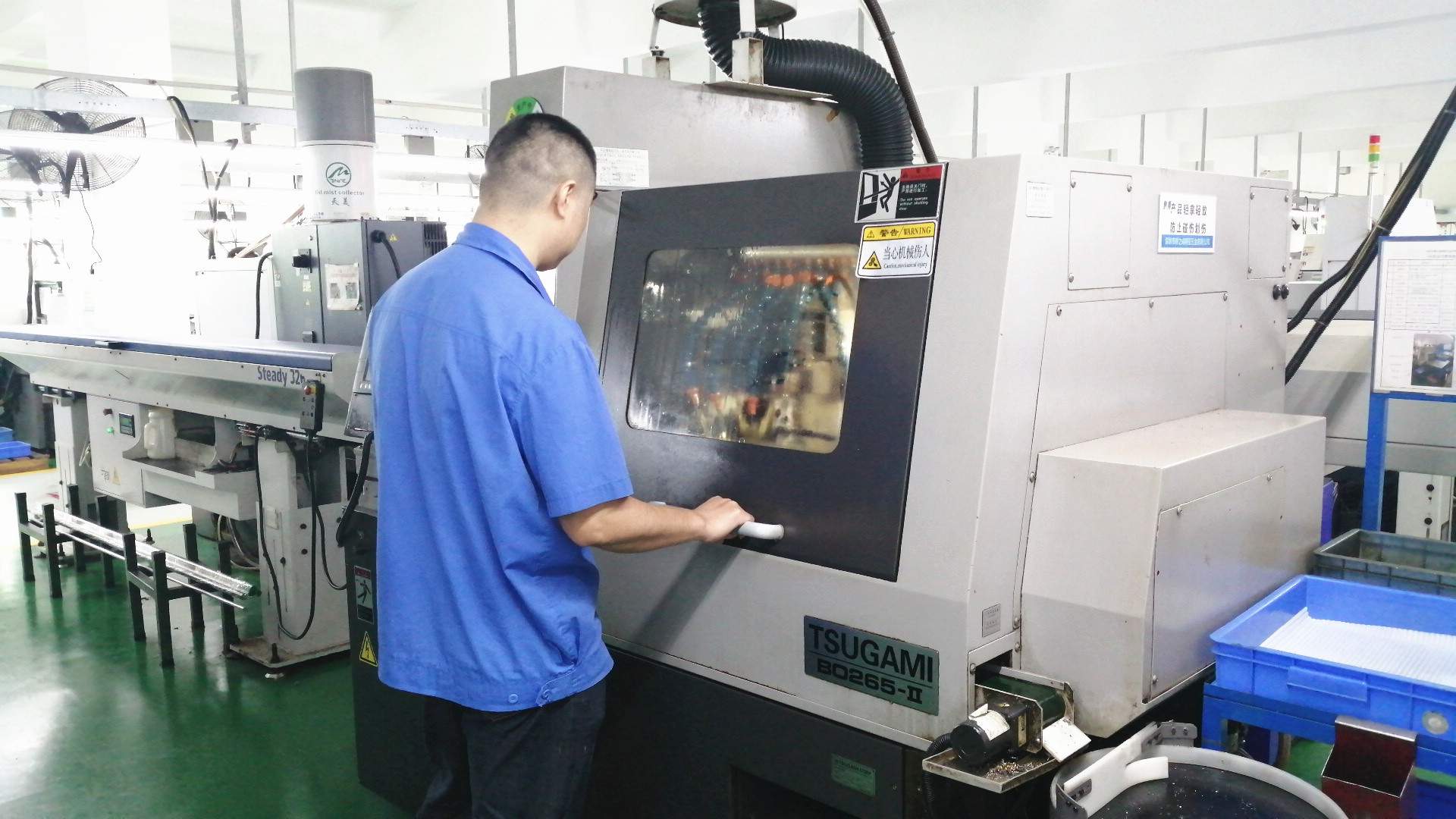
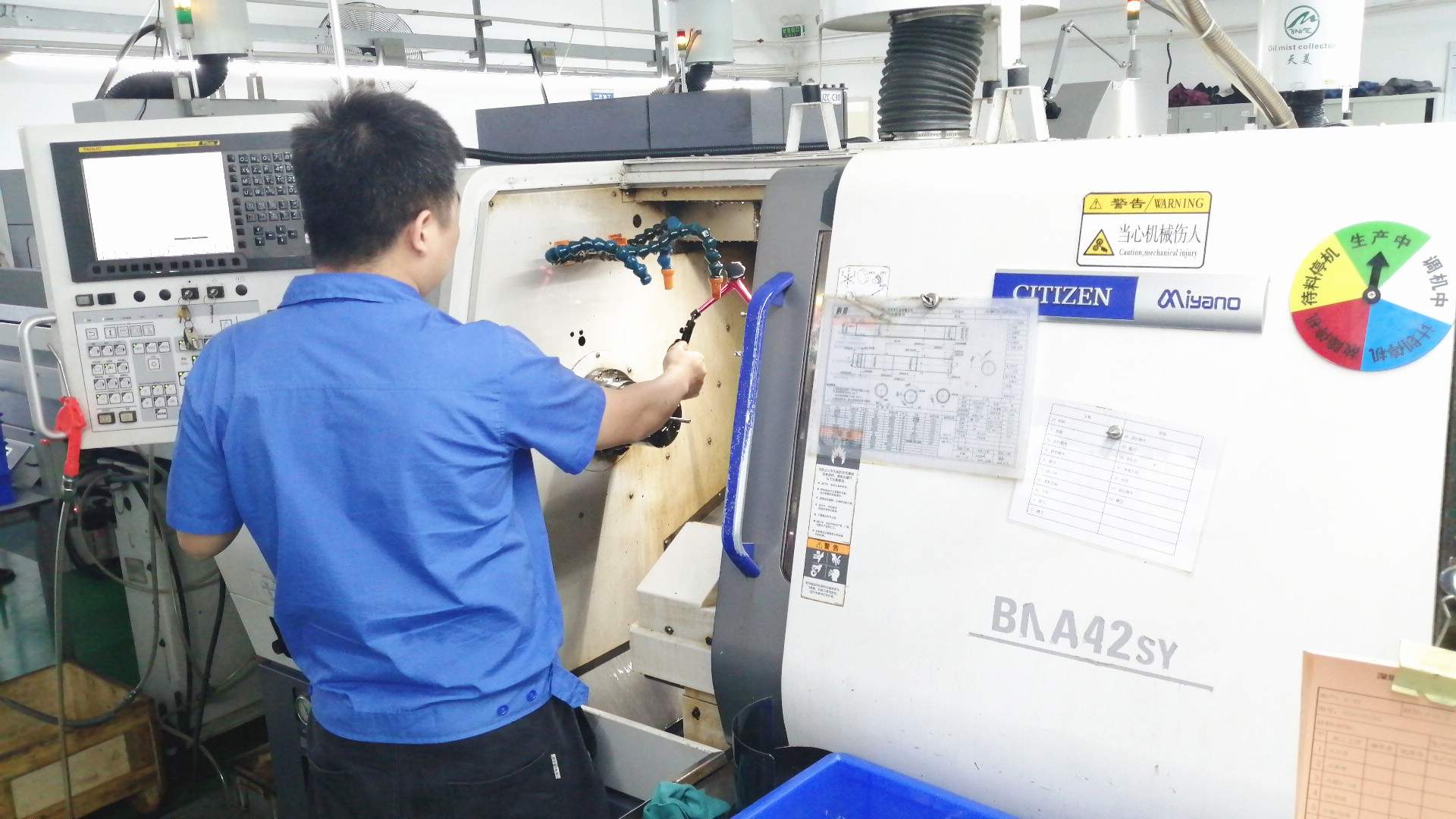
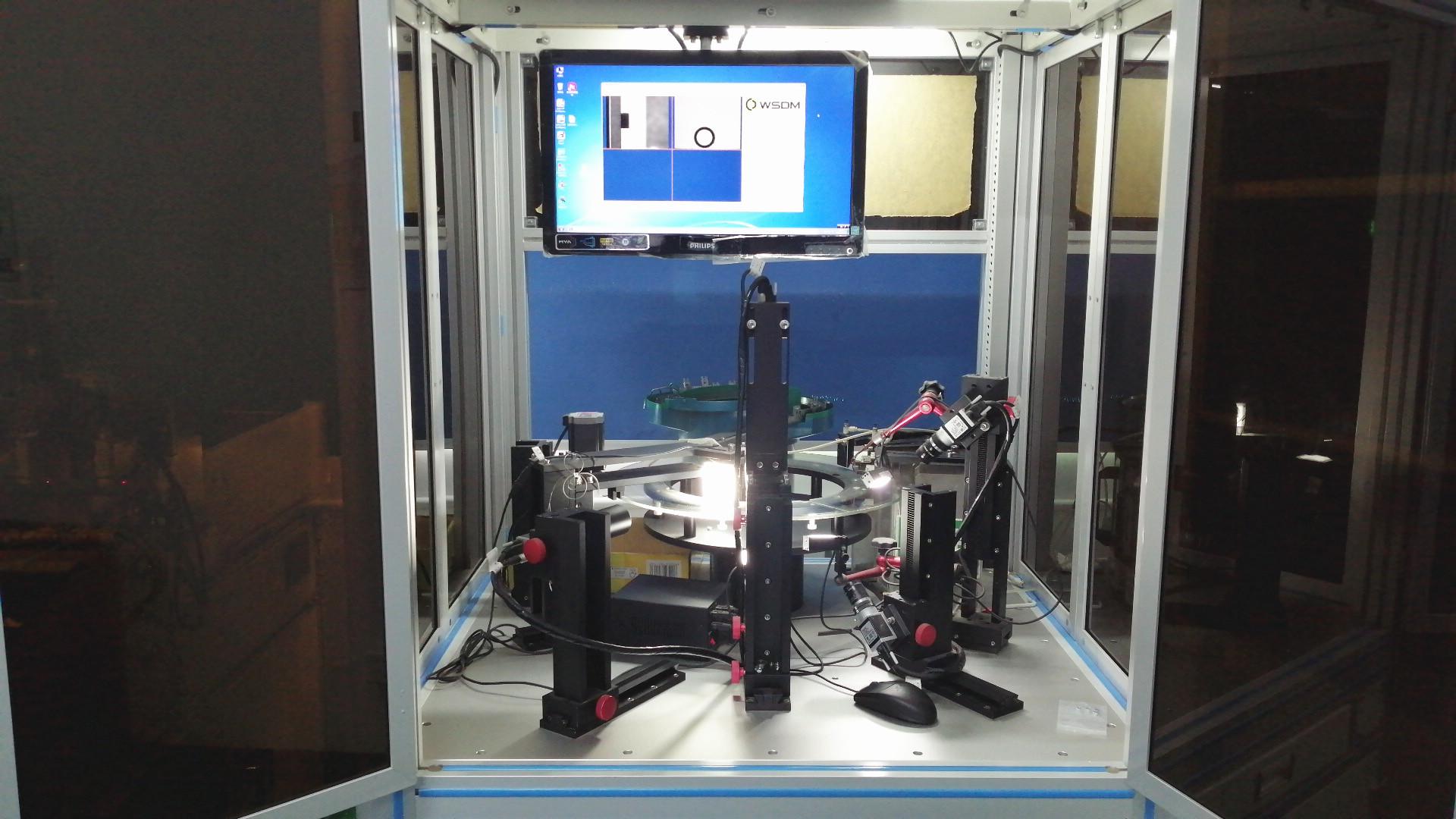
MGMT invests strategically in state-of-the-art manufacturing technologies to deliver unmatched precision machining capabilities for orthopedic medical instruments. Our commitment to innovation spans advanced CNC systems, five-axis machining centers, and automated inspection tools, enabling us to achieve micron-level tolerances critical for medical device accuracy.
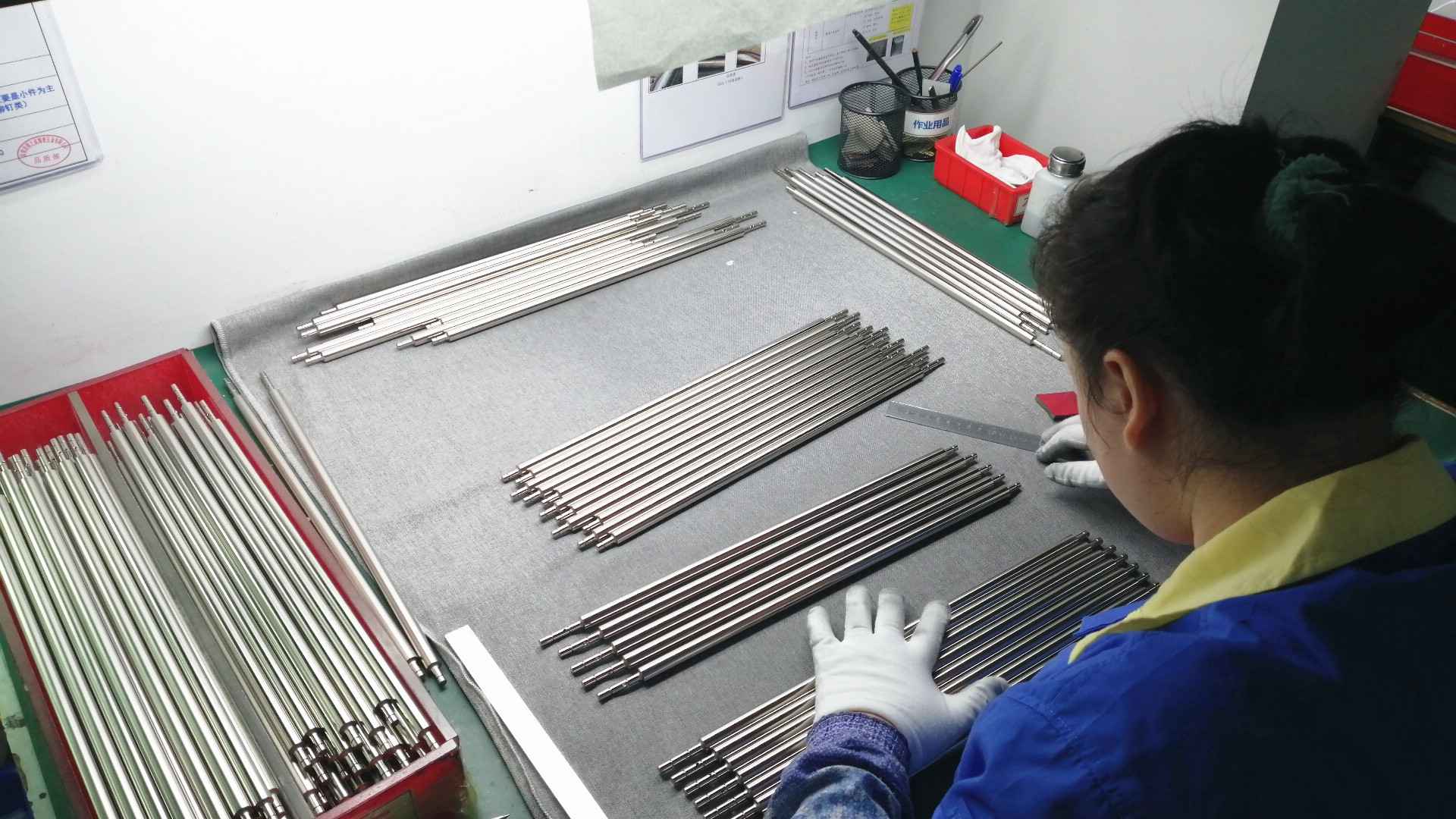
Our vertically integrated approach—from design validation to rapid prototyping—accelerates time-to-market while adhering to ISO 13485 standards. Whether machining multi-faceted components or micro-machined features requiring high precision, we leverage automated quality control systems (e.g., CMM inspection) to ensure every part meets rigorous medical device requirements.
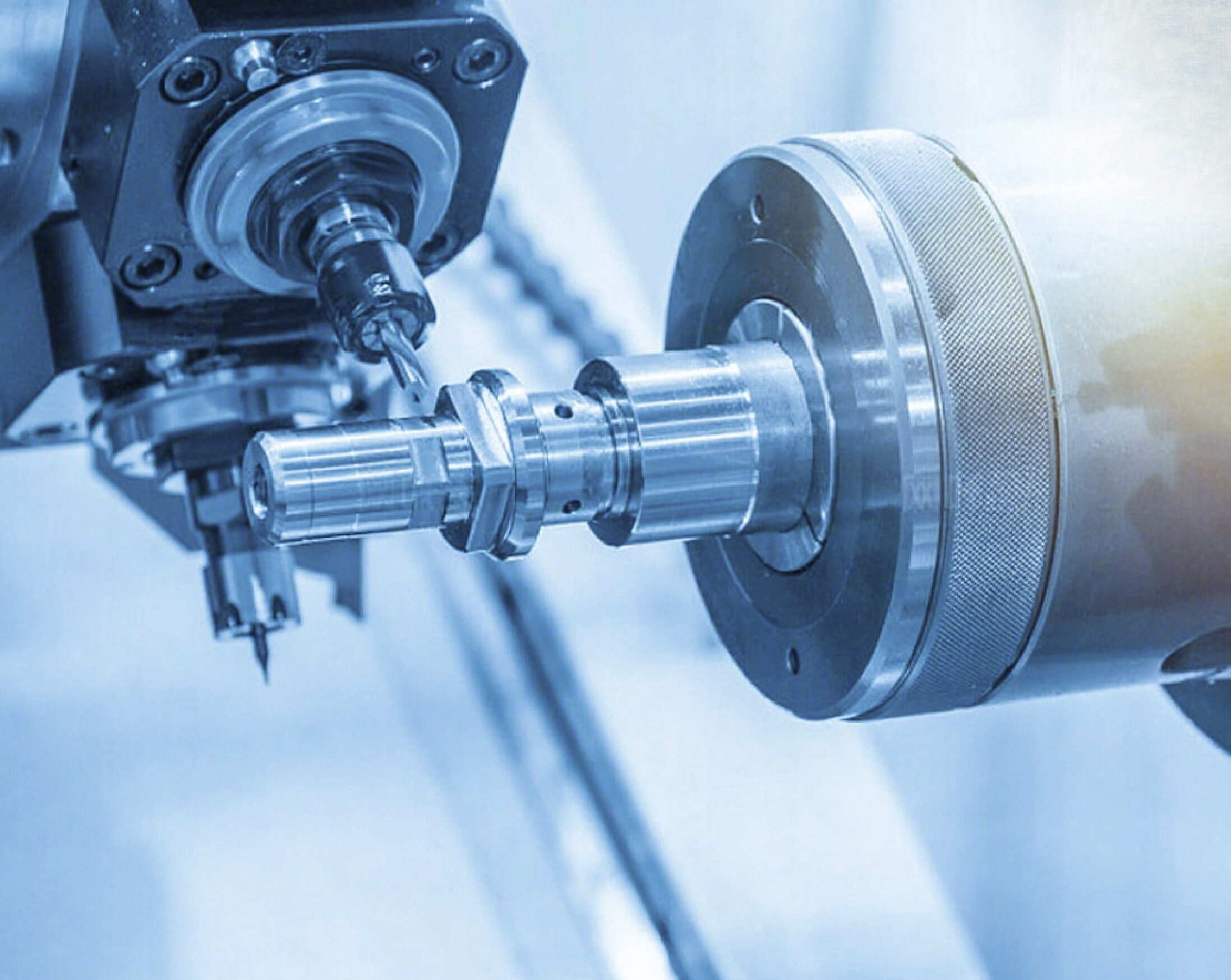
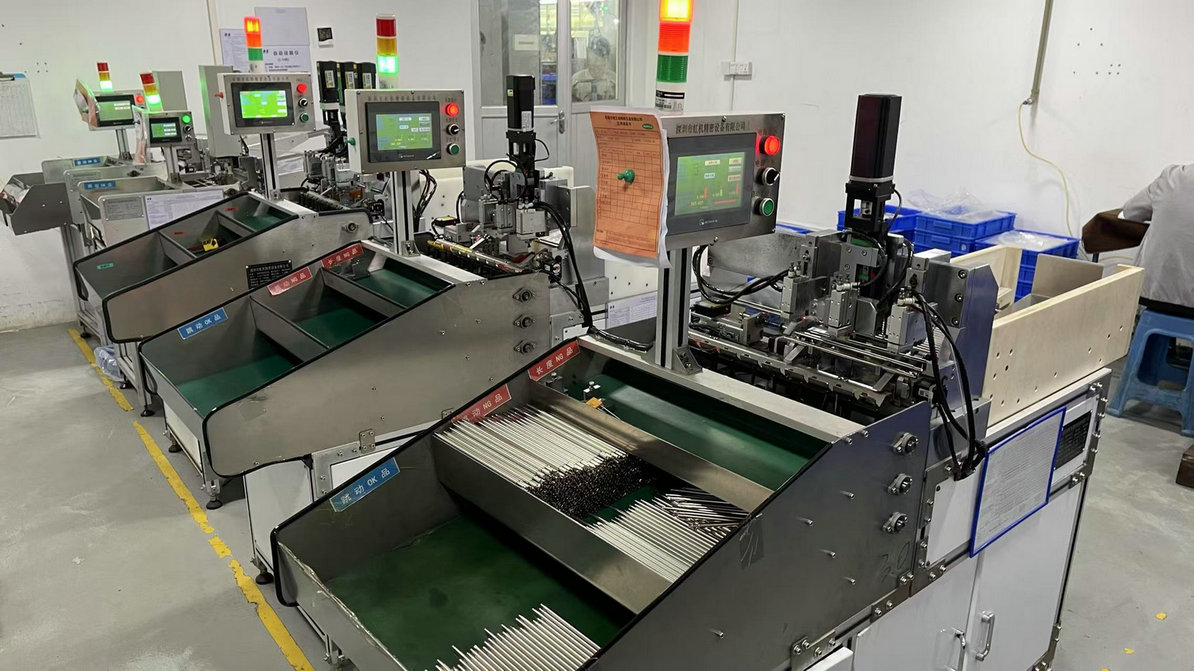
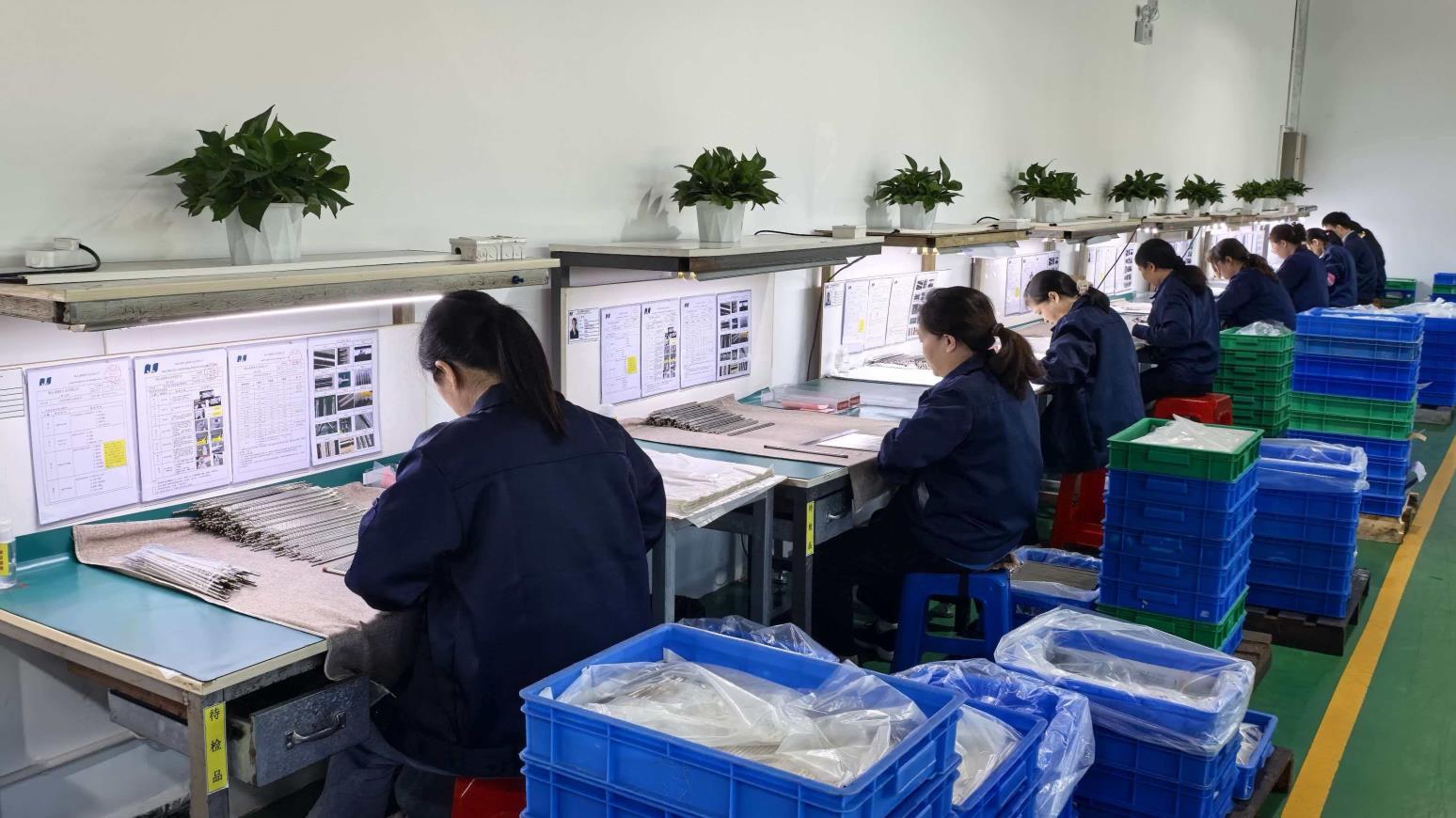
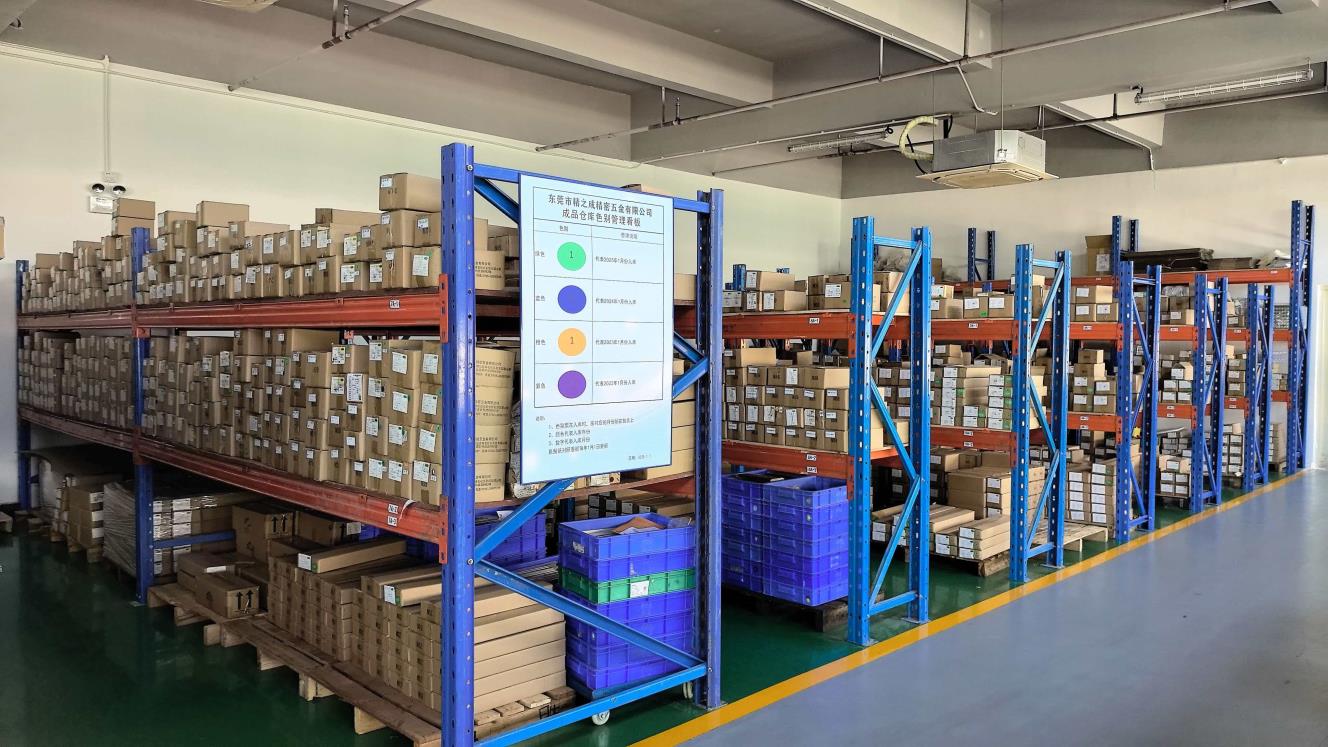
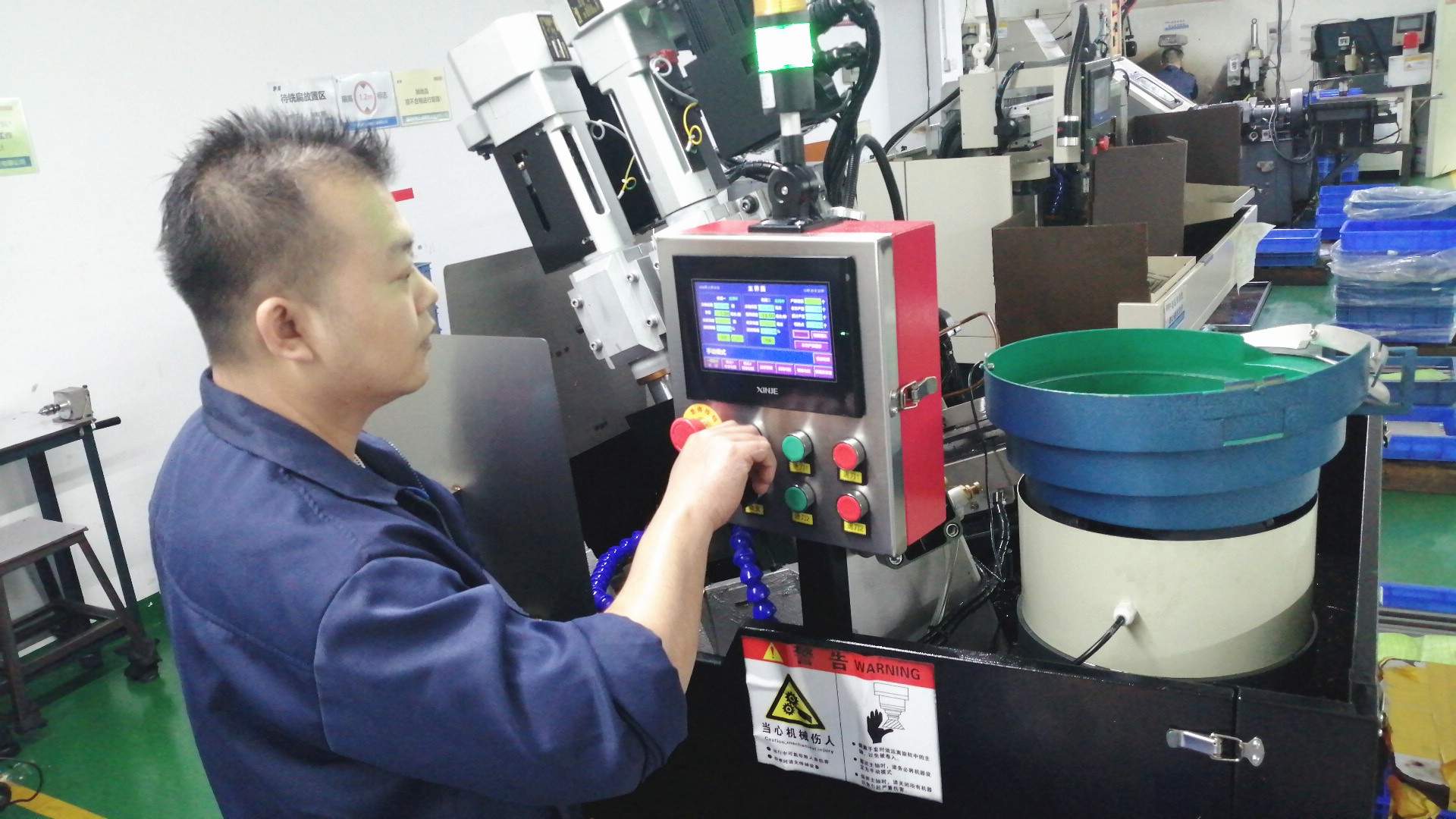
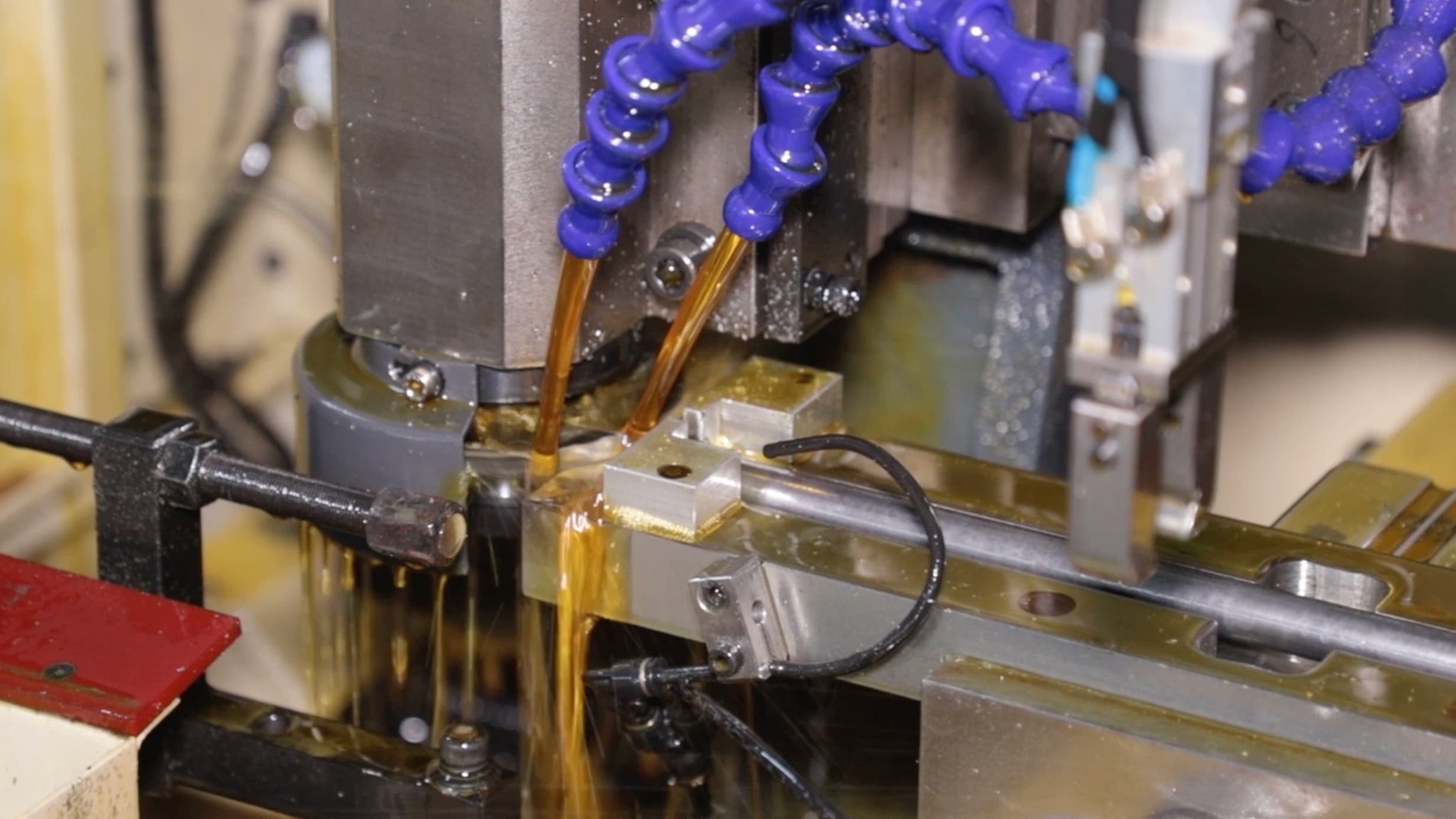
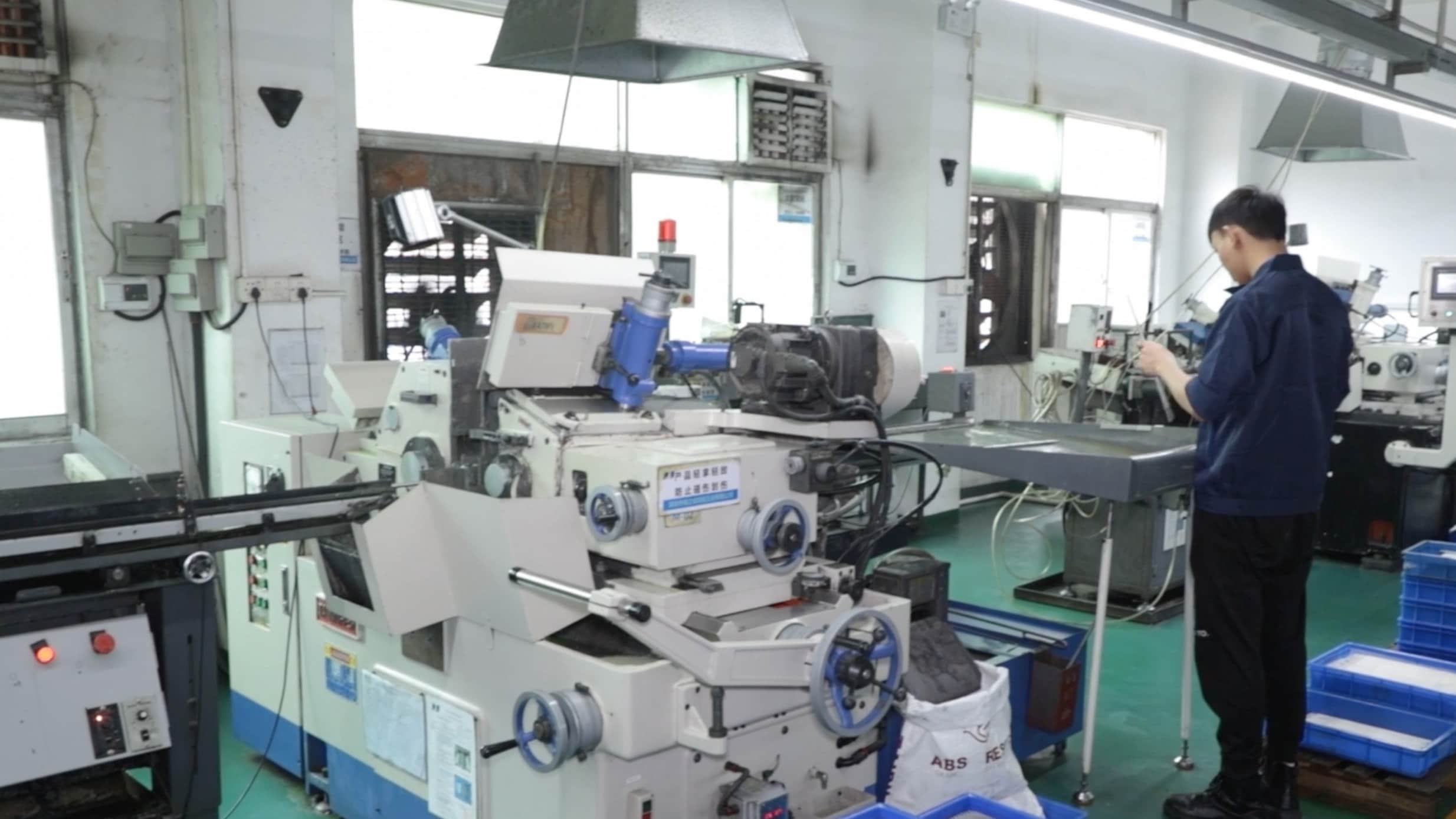
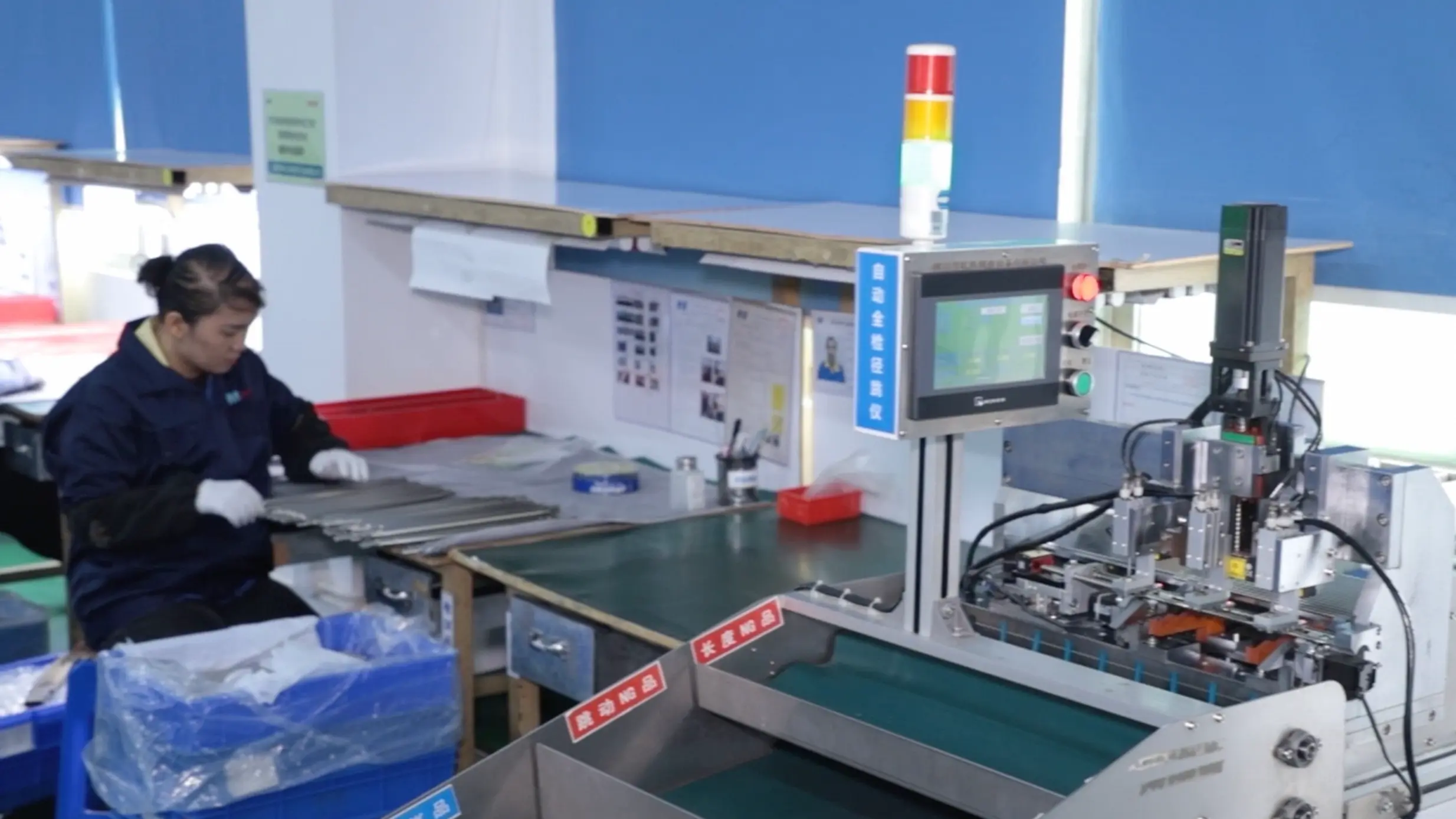
Why top global orthopedic brands partner with Chinese manufacturing hubs for complex revision knee and trauma system production.
Leveraging dense industrial supply chains, optimized raw material sourcing (implant-grade titanium and CoCrMo), and highly skilled CNC engineers to deliver premium quality implants at significant unit cost reductions.
Rapid prototyping turnaround within 10–14 days for custom trials and specialized surgical instruments, enabling medical device distributors to complete clinical evaluations faster.
Manufacturing facilities operate strictly under ISO 13485:2016 quality management standards, offering complete technical file documentation to support FDA 510(k) and CE MDR compliance.
Revision knee systems are deployed across diverse clinical scenarios ranging from elective aseptic revisions in private medical centers to emergency trauma reconstructions in tertiary public teaching hospitals. Sourcing partners must understand the clinical environment to specify appropriate modularity levels and trial instrumentation packages.
In cases involving extensive cavitary and uncontained bone loss (AORI Type IIB and Type III), conventional bone cement or small augments are insufficient. Modern revision strategies utilize highly porous 3D-printed titanium cones or metaphyseal sleeves. These constructs create structural interim stability, encouraging bio-fixation via bone ingrowth into micro-porous matrices (pore sizes ranging between 400–600 microns).
PJI remains one of the most challenging complications in orthopedic surgery. Managing PJI requires complete removal of primary hardware, thorough radical debridement, and placement of an antibiotic-loaded PMMA bone cement articulating spacer. Following infection eradication (typically 6 to 12 weeks post-op), a modular revision knee system with specialized stem extensions is implanted to restore joint mechanics.
When primary implants fail due to collateral ligament incompetence, surgeons rely on Condylar Constrained Knee (CCK) or Rotating Hinge Knee (RHK) systems. The constrained mechanism restricts varus/valgus and rotational freedom, compensating for missing soft-tissue envelopes and ensuring knee stability during full flexion-extension cycles.
The global revision joint replacement industry is undergoing a paradigm shift driven by digital health integration, advanced additive manufacturing, and robot-assisted surgical navigation.
Selective Laser Melting (SLM) enables the creation of complex biomimetic titanium lattice structures that closely mimic human trabecular bone elasticity, minimizing stress shielding.
Utilizing 3D CT reconstructions to design custom metaphyseal cones and cutting guides tailored to exact patient anatomy for complex oncological or severe revision cases.
Revision instruments are engineered with optical and electromagnetic tracking markers for seamless integration with major surgical robotics platforms.
Transition to Ultra-High-Molecular-Weight Polyethylene (UHMWPE) infused with Vitamin E to eliminate oxidative degradation and reduce polyethylene wear rates dramatically.
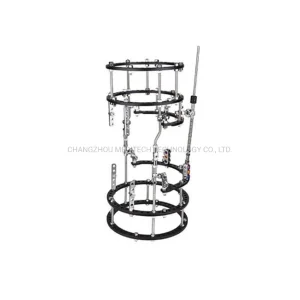
Explore additional surgical products, external fixators, and specialized surgical equipment manufactured for worldwide export.
Procuring orthopedic implants and instrument sets requires stringent vendor evaluation to safeguard clinical outcomes and regulatory compliance. International buyers, hospital procurement boards, and medical device brand owners must assess manufacturers against five core pillars:
Verification of material mill certificates for implant-grade Titanium (Ti-6Al-4V ELI according to ASTM F136 / ISO 5832-3) and Cobalt-Chromium-Molybdenum alloys (ISO 5832-4).
Implementation of automated Coordinate Measuring Machines (CMM) and optical CCD systems ensuring component tolerances within micro-level boundaries (±0.005mm).
Class 100,000 (ISO Class 8) cleanroom facilities for washing, assembly, and primary double-sterile blister packaging in compliance with ISO 11607.
Answers to critical questions regarding OEM/ODM contract manufacturing, regulatory compliance, custom engineering, and international shipping.