MGMT Orthopedic Implants
MGMT Orthopedic Implants
MGMT Orthopedic Implants
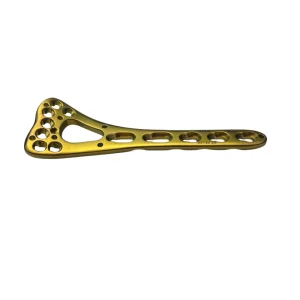
In the rapidly evolving field of orthopedic surgery, the Distal Ulna Locking Plate has emerged as a cornerstone for treating complex fractures and non-unions at the wrist's ulnar aspect. Historically, fractures of the distal ulna were often managed conservatively, sometimes leading to poor functional outcomes or chronic instability of the distal radioulnar joint (DRUJ). Today, the industrial demand for high-precision locking systems is skyrocketing, driven by an aging global population prone to osteoporosis and an increase in high-impact trauma injuries.
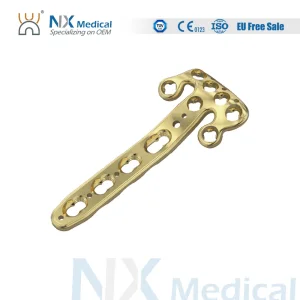
As a leading Distal Ulna Locking Plates factory, MGMT recognizes that the global market is shifting toward anatomically pre-contoured plates. These devices are designed to fit the unique morphology of the ulnar head and neck, reducing the need for intraoperative bending and minimizing soft tissue irritation. From the bustling surgical theaters of North America to the emerging healthcare hubs in Southeast Asia, the need for reliable, CE-marked and ISO-certified implants is paramount.
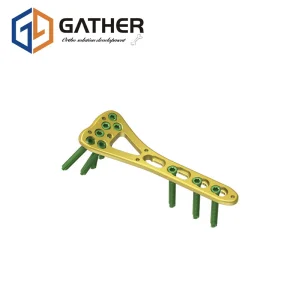
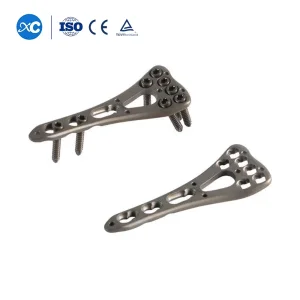
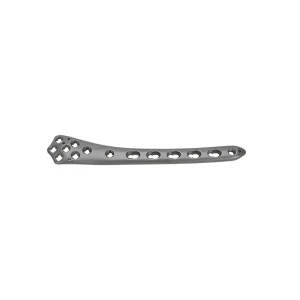
Our featured Multi-Axial Locking System exemplifies the pinnacle of modern orthopedic engineering. While traditionally plates offered fixed-angle stability, our new generation of distal ulna and radius plates allows for variable-angle screw placement. This is crucial when dealing with comminuted fractures where bone fragments are small or displaced in difficult-to-reach planes.
The manufacturing process at our facility utilizes aerospace-grade titanium alloy (Ti6Al4V ELI), ensuring maximum biocompatibility and fatigue resistance. For global exporters, this represents a product that meets the stringent requirements of surgeons who demand "zero-failure" performance in trauma scenarios.
The orthopedic implant industry is currently defined by three major trends: Digitalization, Material Innovation, and Minimally Invasive Surgery (MIS). As a premier exporter, we have observed that global procurement managers are no longer just looking for "hardware"; they are looking for integrated surgical solutions.

FT2 Workshop Area

Years Establishment

Engineer Team

Global Countries
The "Made in China 2025" initiative has transformed our medical manufacturing sector. MGMT, as a leading orthopedic instruments contract manufacturing partner, offers unique advantages that Western counterparts find difficult to match:
1. Unmatched Precision Machining: Our investment in 5-axis CNC machining centers allows us to create complex anatomical geometries with micron-level tolerances. Every distal ulna plate undergoes rigorous CMM (Coordinate Measuring Machine) inspection to ensure it matches the digital CAD model perfectly.
2. Cost-Efficiency & Scalability: By locating our production in China’s industrial heartland, we leverage a vertically integrated supply chain. This reduces raw material costs and lead times, allowing us to offer competitive pricing for high-volume orders from global medical device distributors.
3. R&D Agility: Our team of 50+ engineers can transition from a design concept to a rapid prototype in a fraction of the time it takes elsewhere. Whether it's a custom modification for a specific market or a complete OEM project, our agility is your competitive edge.
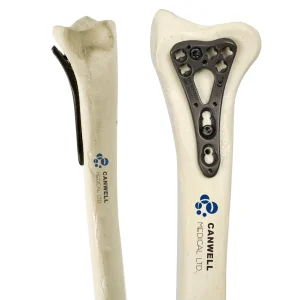
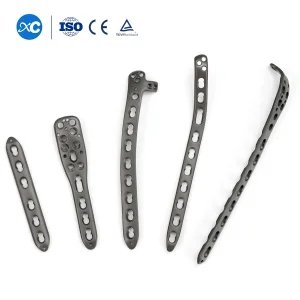
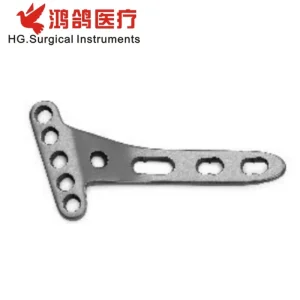
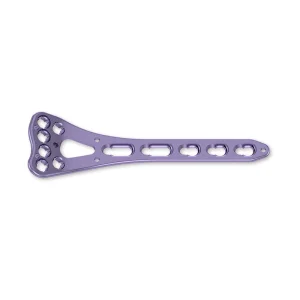
Our Titanium Variable Angle Locking Plates are designed for the most demanding trauma cases. The distal ulna often presents challenges due to its small size and the rotational forces applied by the forearm. Our plates feature a specialized screw configuration that provides rotational stability while maintaining a low-profile edge to prevent tendon irritation.
As a trusted exporter, we ensure that every shipment is accompanied by full traceability documentation, from the raw titanium ingot certificate to the final sterilization validation. This commitment to transparency is why MGMT is ranked among the top 10 factories in the region.
Understanding the local context is vital for global procurement. In developed markets like Europe and Japan, there is a high demand for implants that facilitate early mobilization, as physical therapy starts almost immediately post-op. In these scenarios, the locking mechanism of our distal ulna plates is essential for maintaining fixation under early stress.
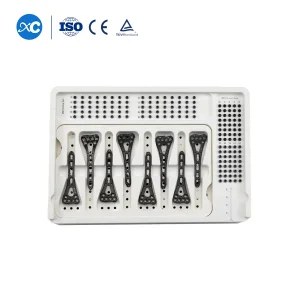
Conversely, in emerging markets, the focus is often on durability and value. Hospitals require sets that are easy to use with standard instrumentation. MGMT addresses this by providing comprehensive Orthopedic Instrument Sets that are compatible with our locking plates, ensuring that surgeons in any environment have the tools they need for a successful outcome.
Whether you are a procurement officer for a large hospital group or a private distributor specializing in trauma, our one-stop-shop approach—covering design, validation, manufacturing, and regulatory support—simplifies your supply chain and ensures patient safety.
MGMT - Your Preferred Medical Instruments Contract Manufacturing Partner
As a leading OEM/ODM manufacturer specializing in orthopedic instruments,we are your one - stop shop for comprehensive medical device contract manufacturing solutions. Our expertise lies in crafting highly efficient, innovative, and fully customized orthopedic medical devices. By leveraging advanced technologies and a deep understanding of industry needs, our divisions will partner with you to refine your designs, improving performance and reducing cost while ensuring compliance with established and emerging regulations. Trust us to transform your concepts into state-of-the-art orthopedic products that enhance patient care and drive your business forward.
Precision Medical Manufacturing
MGMT invests strategically in state-of-the-art manufacturing technologies to deliver unmatched precision machining capabilities for orthopedic medical instruments. Our commitment to innovation spans advanced CNC systems, five-axis machining centers, and automated inspection tools, enabling us to achieve micron-level tolerances critical for medical device accuracy.
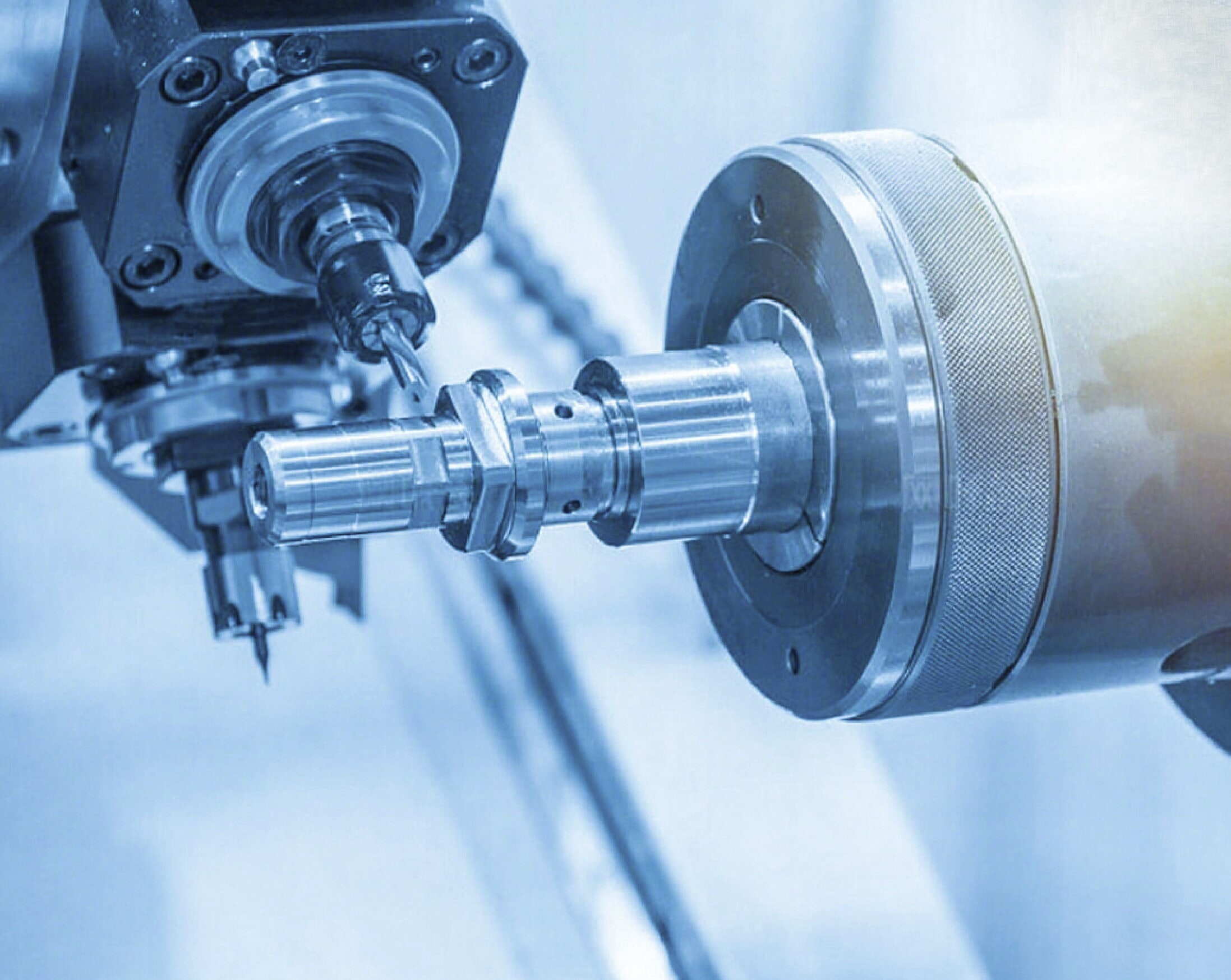
Our vertically integrated approach—from design validation to rapid prototyping—accelerates time-to-market while adhering to ISO 13485 standards. Whether machining multi-faceted components or micro-machined features requiring high precision, we leverage automated quality control systems (e.g., CMM inspection) to ensure every part meets rigorous medical device requirements.