MGMT Orthopedic Implants
MGMT Orthopedic Implants
MGMT Orthopedic Implants
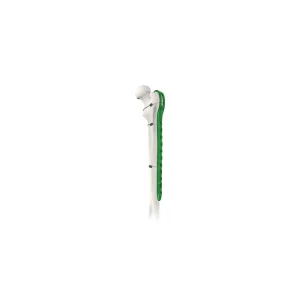
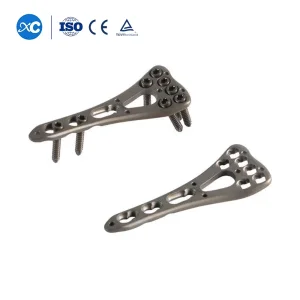
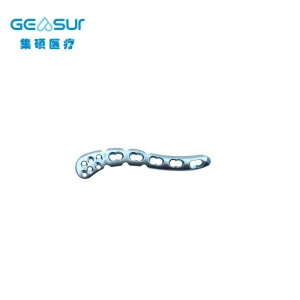
The global Proximal Humeral Locking Plate market is undergoing a significant transformation, driven by an aging global population and the increasing incidence of trauma-related injuries. As a critical component in orthopedic trauma surgery, the proximal humeral locking plate is designed to provide stable internal fixation for complex fractures of the humerus, particularly in patients with osteoporotic bone. The evolution from traditional compression plates to polyaxial locking systems has revolutionized how surgeons approach shoulder fractures, ensuring better patient outcomes and faster recovery times.
Currently, the medical device industry is characterized by high barriers to entry, including strict ISO 13485 certifications, CE marking, and FDA approvals. The leading manufacturers are concentrated in regions with advanced metallurgical expertise and surgical innovation, namely the United States, Switzerland, and increasingly, China. Chinese manufacturers have transitioned from low-end production to high-precision, state-of-the-art manufacturing, rivaling Western brands in both quality and innovation.
The demand for these implants is not localized; it is a global necessity. From the high-tech surgical theaters of North America to the emerging medical hubs in Southeast Asia and Latin America, the need for cost-effective, high-performance orthopedic implants has never been higher.
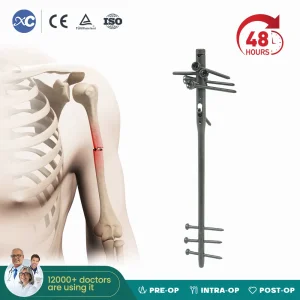
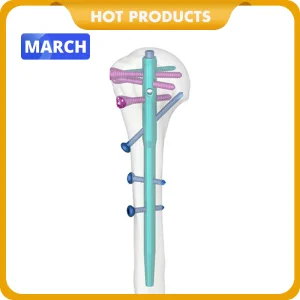
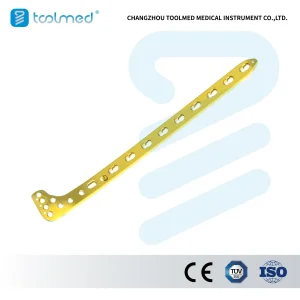
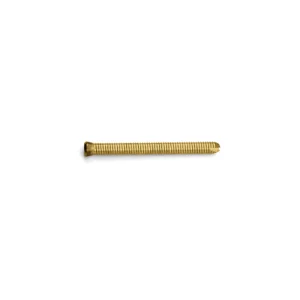
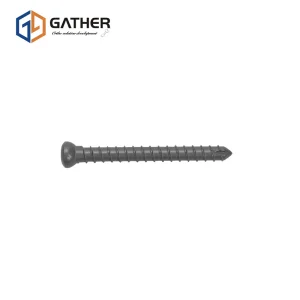
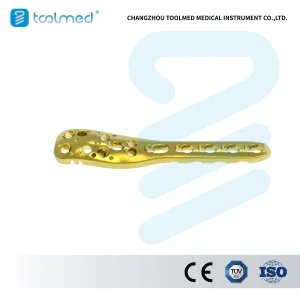
Our flagship 3.5mm Proximal Humeral Locking Plate represents the pinnacle of trauma engineering. Utilizing Medical Grade Titanium (Grade 5), this plate offers the perfect balance between biocompatibility and mechanical strength. The anatomical contouring reduces the need for intraoperative bending, while the locking screw mechanism provides superior angular stability.
This product is a favorite among global distributors who require a reliable, CE-certified solution that caters to both elderly fracture patients and high-impact trauma cases.
The shift from stainless steel to high-strength titanium alloys and carbon-fiber-reinforced PEEK is accelerating. These materials offer better radiolucency and modulus of elasticity closer to human bone.
Manufacturers are using AI and 3D modeling to create plates that fit 95% of the population without modification, reducing surgery time and inventory complexity.
The rise of patient-specific implants (PSI) for complex revision surgeries is a growing niche, particularly in high-income healthcare markets.
MGMT - Your Preferred Medical Instruments Contract Manufacturing Partner. As a leading OEM/ODM manufacturer specializing in orthopedic instruments, we leverage advanced technologies and a deep understanding of industry needs.

FT2 Workshop Area

Years Excellence

Engineer Team

Global Countries
Large-scale healthcare providers and national health services (NHS, etc.) prioritize three things: Regulatory Compliance, Supply Chain Reliability, and Unit Cost Optimization. As the global economy fluctuates, hospitals are moving away from overpriced "legacy" brands and seeking high-quality alternatives from specialized contract manufacturers like MGMT.
In developed regions with aging demographics, the primary use case is osteoporotic fracture management. In contrast, in developing urban centers, the focus is often on high-energy trauma resulting from industrial accidents or traffic. Our plates are designed to handle both ends of the spectrum, providing the rigidity needed for young bone and the gentle, secure fixation required for fragile bone.
1. DePuy Synthes (USA/Switzerland): The industry titan. Their proximal humeral plates are the gold standard for many, known for the "LCP" (Locking Compression Plate) system. They lead in clinical research and surgical training.
2. Stryker (USA): A leader in trauma and extremities. Their AxSOS system is widely used globally, focusing on intuitive instrumentation and biomechanically proven plate geometry.
3. Zimmer Biomet (USA): Known for their comprehensive shoulder portfolio, including the ALPS (Anatomical Locking Plate System), which focuses on low-profile design to reduce impingement.
4. Smith & Nephew (UK): Their PERI-LOC system offers high versatility. They are recognized for their focus on "tough" materials and advanced coating technologies that promote bone-implant integration.
5. Arthrex (USA): Dominates the sports medicine niche but has expanded rapidly into trauma with plates designed specifically for minimally invasive surgery (MIS).
6. Medtronic (USA): While a leader in spine, their trauma division provides high-quality humeral solutions integrated with advanced navigation systems.
7. AcuMed (USA): A specialist in upper extremity solutions. Their plates are often cited by surgeons for having the most anatomical "out-of-the-box" fit.
8. B. Braun (Aesculap) (Germany): Exemplifies German engineering. Their implants are known for incredible precision and durability, following the strictest European standards.
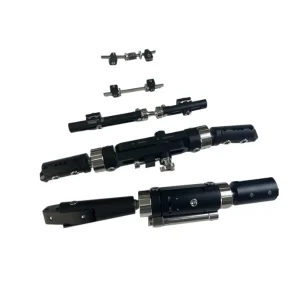
9. Orthofix (USA/Italy): Leaders in fixation technology, offering both internal locking plates and external fixators for complex humeral reconstructions.
10. MGMT (China - OEM/ODM Leader): MGMT represents the elite tier of Chinese manufacturing. By providing full-scale contract manufacturing services, MGMT enables global brands to deliver high-end implants at a competitive price point, ensuring that quality healthcare is accessible worldwide.
Why are global procurement officers turning to Chinese factories like MGMT? The answer lies in the fusion of Efficiency, Precision, and Scale.
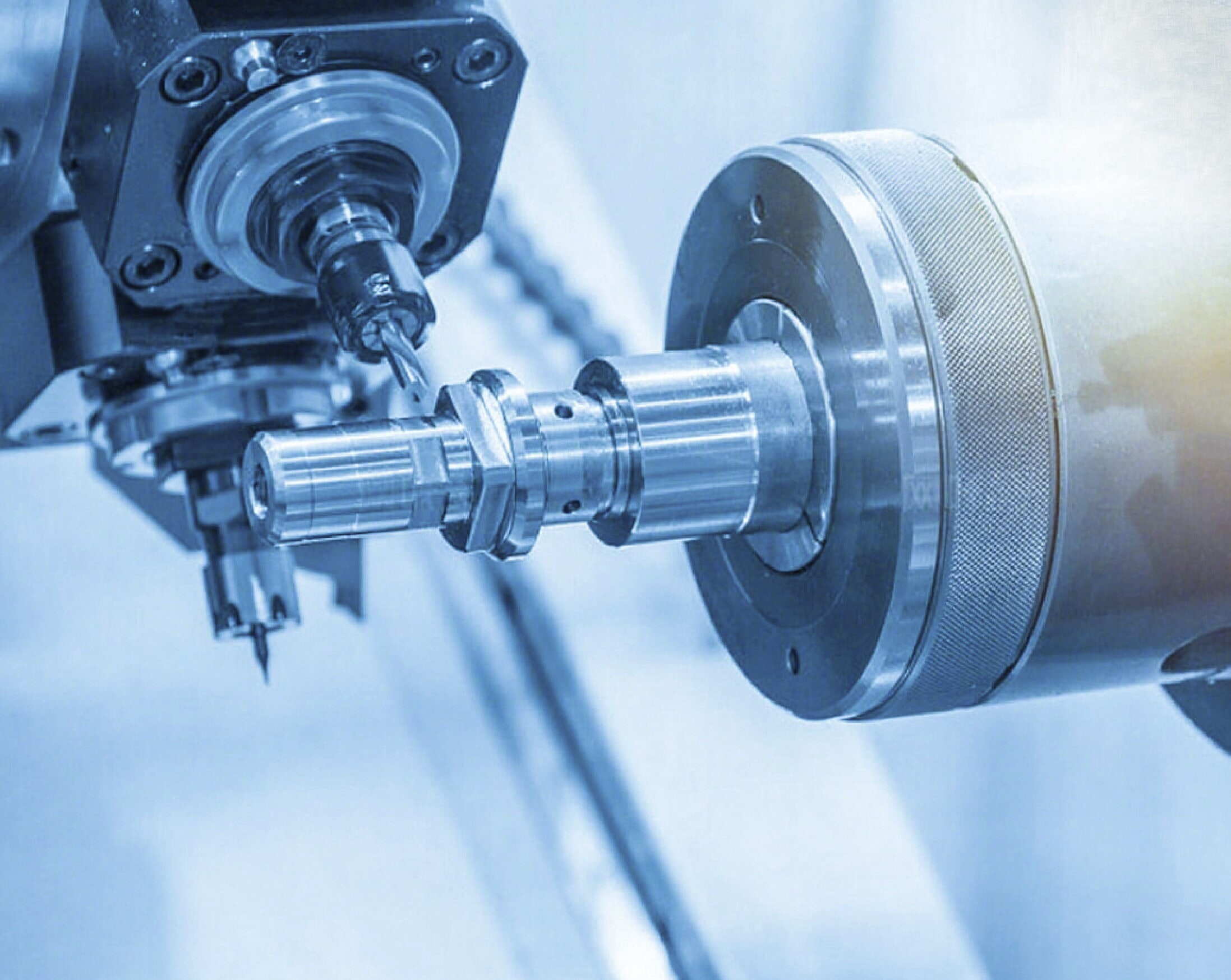
MGMT invests strategically in state-of-the-art manufacturing technologies to deliver unmatched precision machining capabilities for orthopedic medical instruments. Our commitment to innovation spans advanced CNC systems, five-axis machining centers, and automated inspection tools, enabling us to achieve micron-level tolerances critical for medical device accuracy.