MGMT Orthopedic Implants
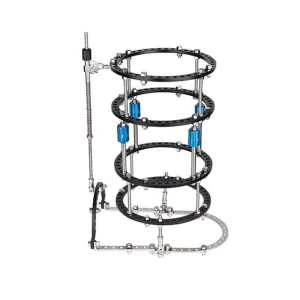
Primary clinical-grade trauma and limb-reconstruction fixators designed for immediate deployment in Hungarian orthopedic departments.
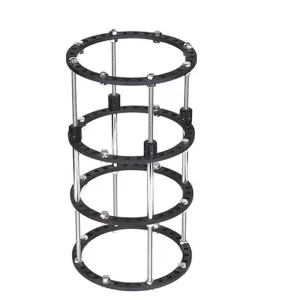
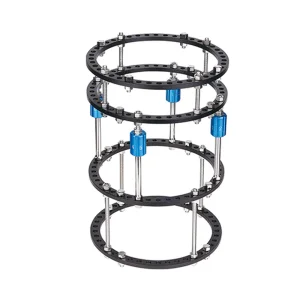
Strategic Contract Manufacturing, EU MDR Compliance, and Clinical Intent Optimization for South Transdanubian Healthcare Hubs
Pécs serves as the dominant healthcare epicentre of South Transdanubia (Baranya County), anchoring advanced tertiary medical care across Southwestern Hungary. Anchored by the renowned University of Pécs Clinical Center (Pécsi Tudományegyetem Klinikai Központ), the region demands an uninterrupted supply of certified surgical devices. The Department of Orthopedics and the Regional Trauma Center in Pécs handle complex spinal pathologies, severe polytrauma, revision arthroplasty, and limb deformities.
As public hospital networks and private surgical clinics across Baranya County modernize their surgical inventory, there is a growing necessity for dual-material procurement strategies: combining biocompatible PEEK (Polyether ether ketone) and porous 3D-printed Titanium interbody fusion cages with versatile Ilizarov external fixation ring hardware.
To serve medical device importers, distributors, and surgical buying groups in Pécs, strict adherence to European Union Medical Device Regulation (EU MDR 2017/745) is non-negotiable. Implants supplied into the Hungarian health system must fulfill Class IIb (spinal cages) and Class IIa (external fixator systems) conformity assessment criteria.
Our manufacturing infrastructure integrates comprehensive technical documentation, full material traceability (ISO 5832-3 Ti-6Al-4V ELI & ASTM F2026 PEEK), bio-compatibility testing (ISO 10993 series), and validated cleanroom sterilization processing. This guarantees seamless customs integration, institutional tender compliance, and clinical trust across Hungarian healthcare institutions.
Biomechanical analysis, elasticity matching, radiolucency, and osteointegration dynamics for spinal surgeons in Pécs.
Polyether ether ketone (PEEK-OPTIMA) remains a golden benchmark in interbody fusion due to its elastic modulus (~3.6 GPa), which closely matches human cortical bone. This mechanical property minimizes stress-shielding, reducing post-operative graft subsidence rates in anterior cervical discectomy and fusion (ACDF) as well as transforaminal lumbar interbody fusion (TLIF) procedures.
Furthermore, PEEK is completely radiolucent, enabling clear artifact-free radiographic visualization via CT scans and X-rays to assess post-operative bony bridging across the interbody space. Tantalum or titanium radiopaque markers are precision-embedded at key anatomical boundaries for exact intraoperative fluoroscopic positioning.
Modern titanium interbody cages leverage Additive Manufacturing (Selective Laser Melting - SLM) to construct Trabecular Porous Structures. With controlled pore sizes (400-700 μm) and 65-80% porosity, 3D-printed titanium cages promote rapid osteoblast migration, angiogenesis, and vascularized bone ingrowth directly into the implant lattice.
While solid titanium alloy (Ti-6Al-4V) features a higher elastic modulus (~110 GPa), advanced additive biomimetic designs achieve an effective modulus similar to cancellous bone (~1.5-3.0 GPa), combining superior primary mechanical stability with immediate biological anchorage without requiring extensive bone grafting.
| Biomechanical Feature | Medical-Grade PEEK Implants | 3D Trabecular Titanium Implants | Ti-PEEK Hybrid Implants |
|---|---|---|---|
| Elastic Modulus | ~3.6 GPa (Cortical Bone Match) | ~1.5 - 3.5 GPa (Lattice Engineered) | ~3.6 GPa (Core Matrix) |
| Imaging Behavior | Radiolucent (Tantalum Markers) | Radiopaque (Minor CT/MRI Artifacts) | Radiolucent Center Window |
| Bone Contact Response | Passive Mechanical Encapsulation | Active Osteoinduction & Ingrowth | Direct Cellular Attachment |
| Subsidence Risk | Low (Elastic Compliance) | Very Low (Porous Load Distribution) | Extremely Low |
| Surgical Indications | Standard ACDF, PLIF, TLIF, ALIF | Complex Revisions, High Load LLIF/XLIF | Multi-level Fusion & Spondylolisthesis |
Deformity Correction, Distraction Osteogenesis, and Complex Non-Union Management
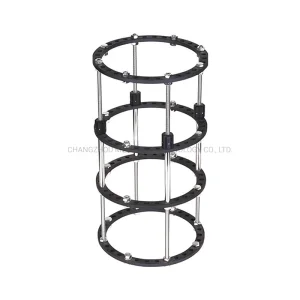
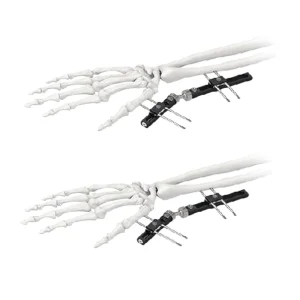
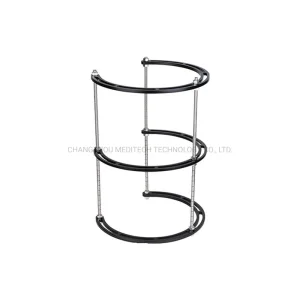
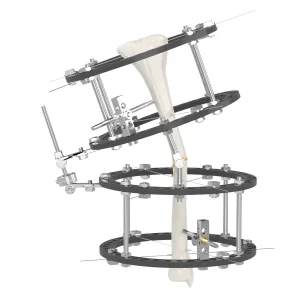
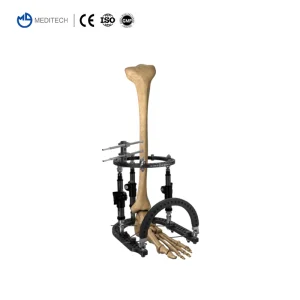
The Ilizarov circular fixator remains indispensable in Pécs trauma and pediatric orthopedic centers for controlled distraction osteogenesis. Operating under the Law of Tension-Stress, controlled mechanical elongation at 1mm/day stimulates neo-vascularization and fresh bone formation in limb lengthening and post-traumatic defect reconstruction.
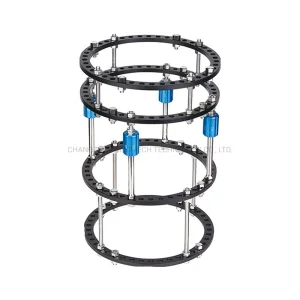
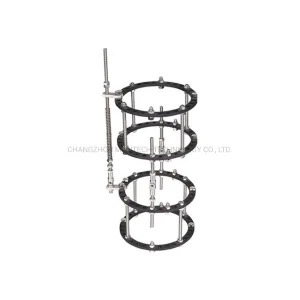
Severe open tibial fractures, infected non-unions (osteomyelitis), talipes equinovalgus, and complex articular deformities managed at University of Pécs hospital networks require rigid multi-planar circular stabilization. Tensioned Kirschner wires and half-pins distribute radial stability without compromising periosteal blood supply.
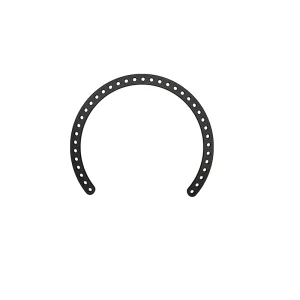
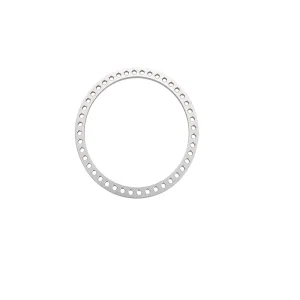
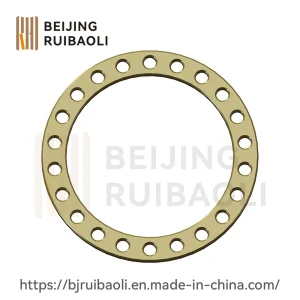
Our factory manufactures both classic Stainless Steel (316L) circular rings and ultra-lightweight High-Strength Aluminum Alloy (7075-T6) / Carbon Fiber Composites. Aluminum alloy rings reduce weight by 45%, significantly enhancing ambulatory comfort for Hungarian patients undergoing multi-month fixation protocols.
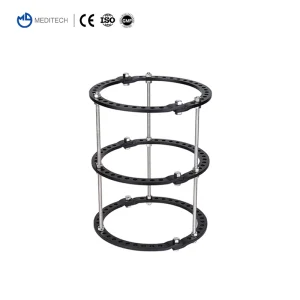
Multi-segment ring construct components available for custom kit assembly and contract manufacturing.
MGMT - Your Preferred Medical Instruments Contract Manufacturing Partner serving European Healthcare Brands
As a leading OEM/ODM manufacturer specializing in orthopedic instruments, we are your one-stop shop for comprehensive medical device contract manufacturing solutions. Our expertise lies in crafting highly efficient, innovative, and fully customized orthopedic medical devices. By leveraging advanced technologies and a deep understanding of industry needs, our divisions partner with distributors in Pécs to refine implant designs, improving biomechanical performance and reducing manufacturing costs while ensuring compliance with established and emerging regulations.
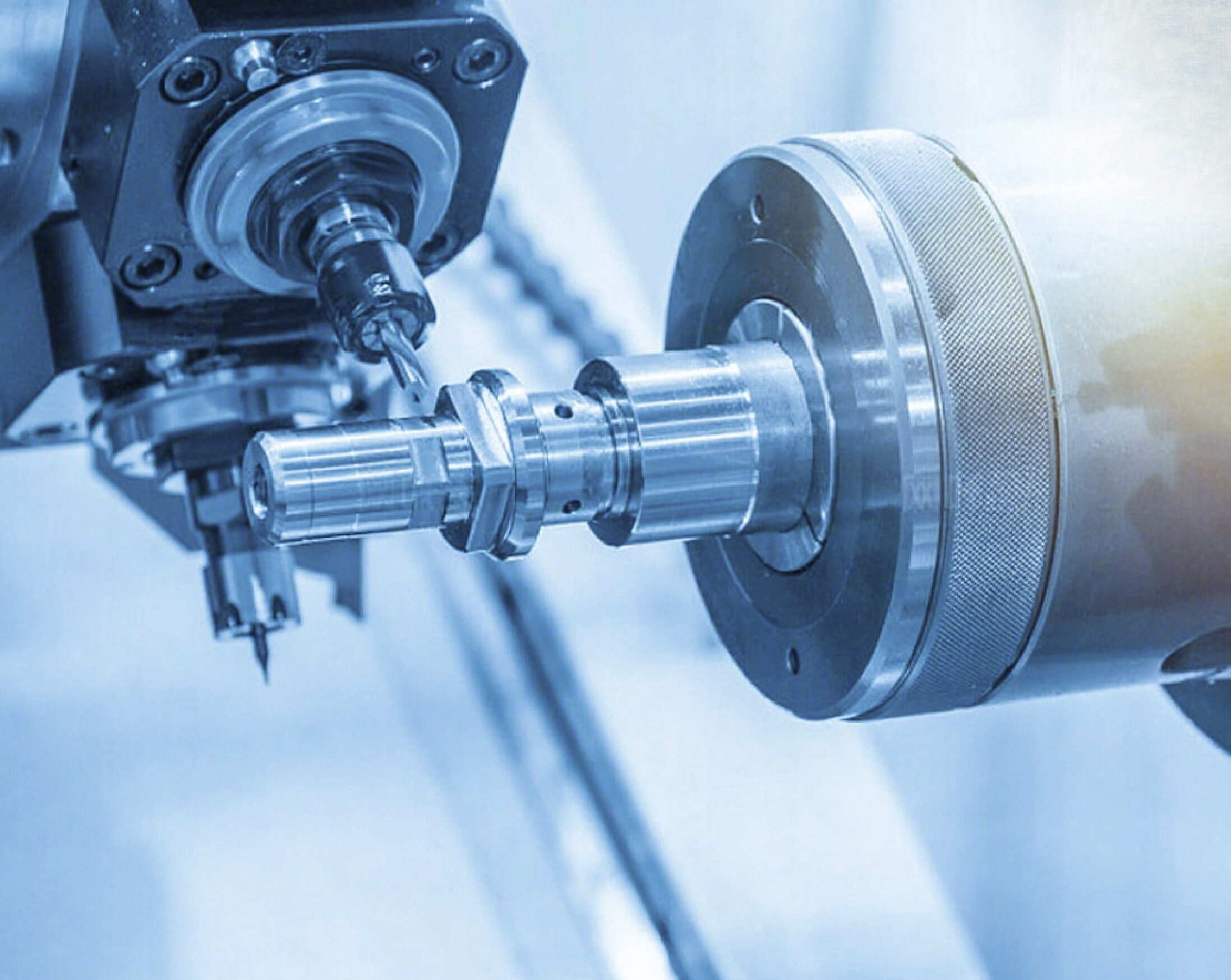
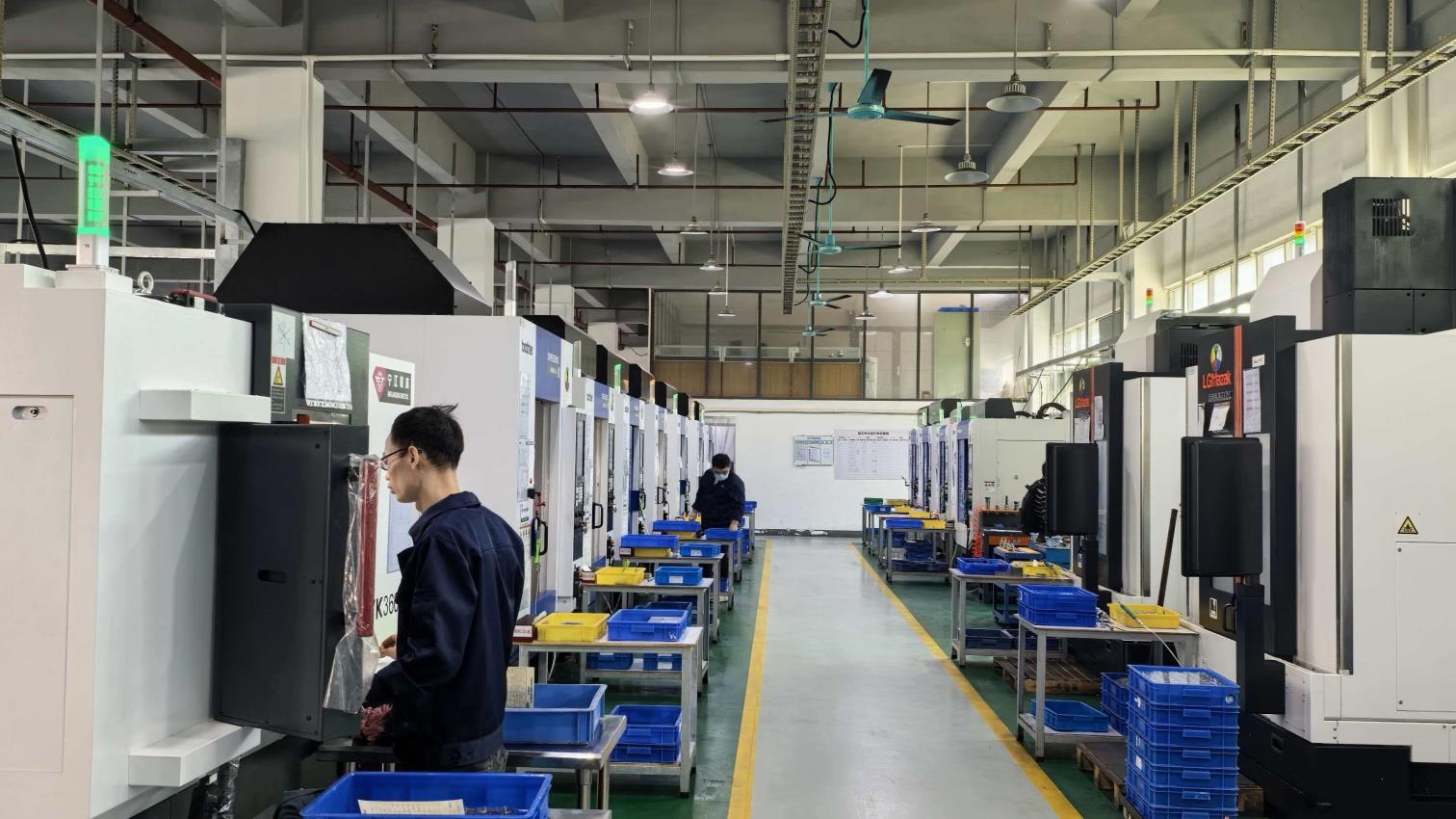
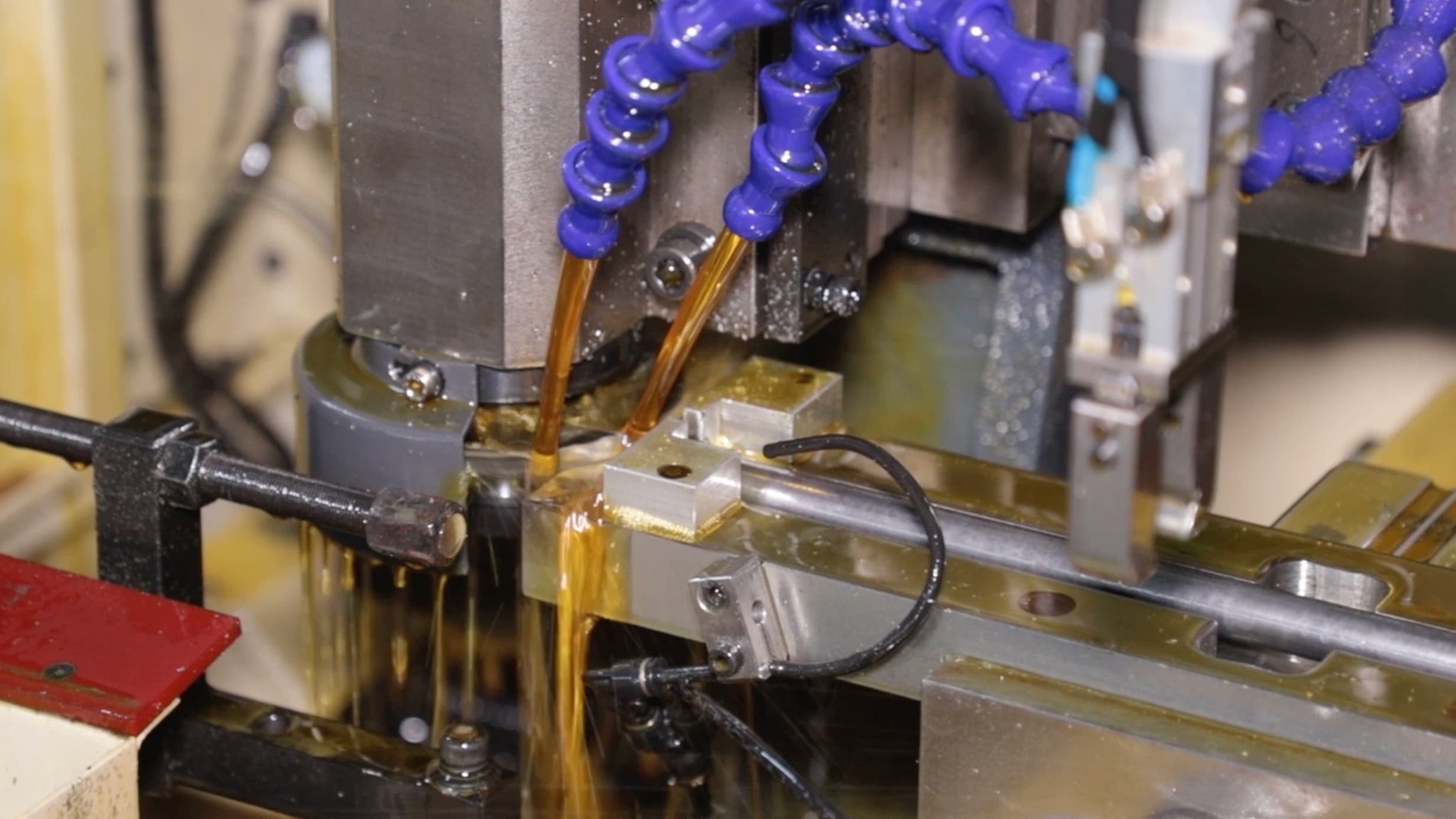
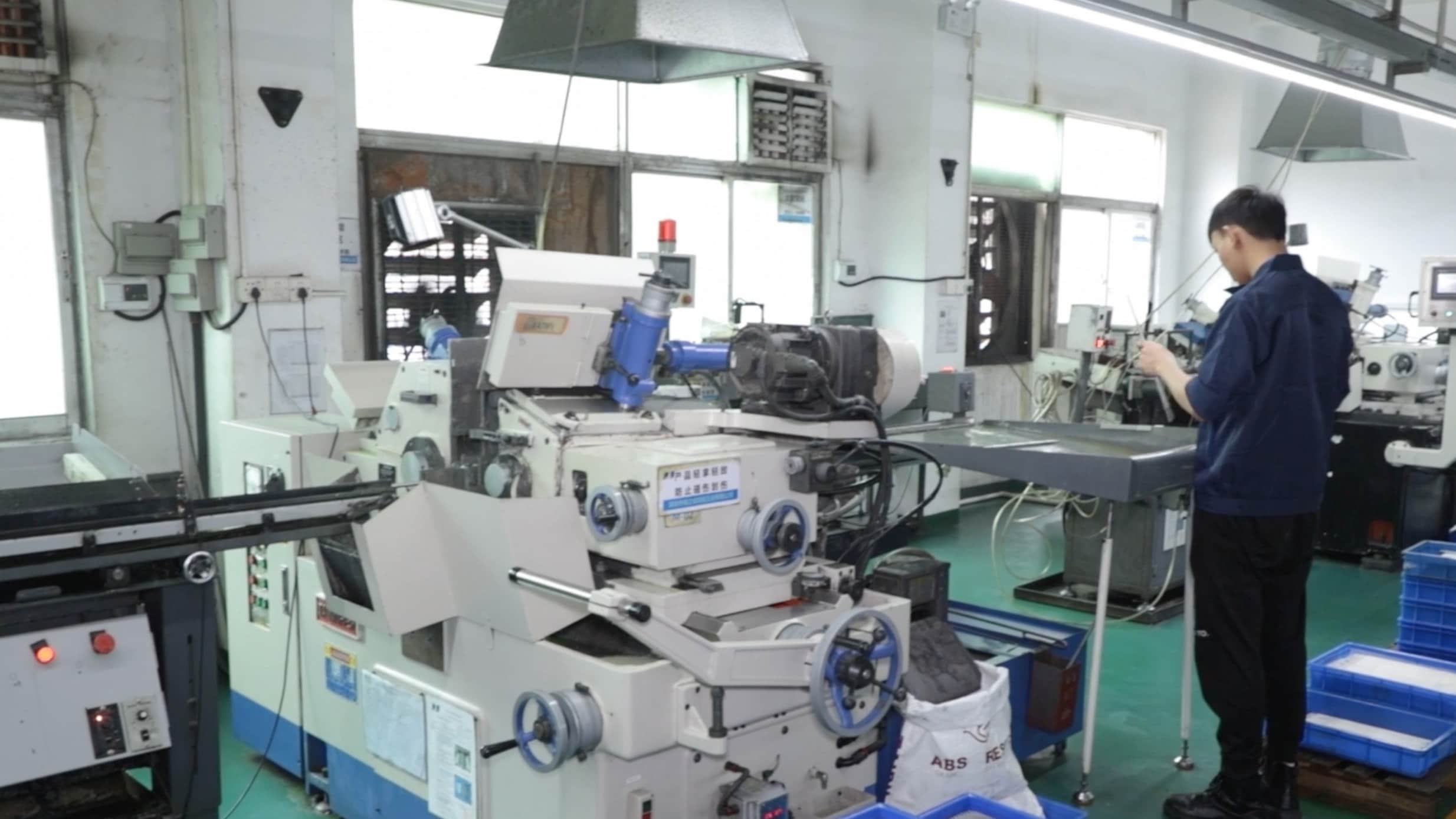
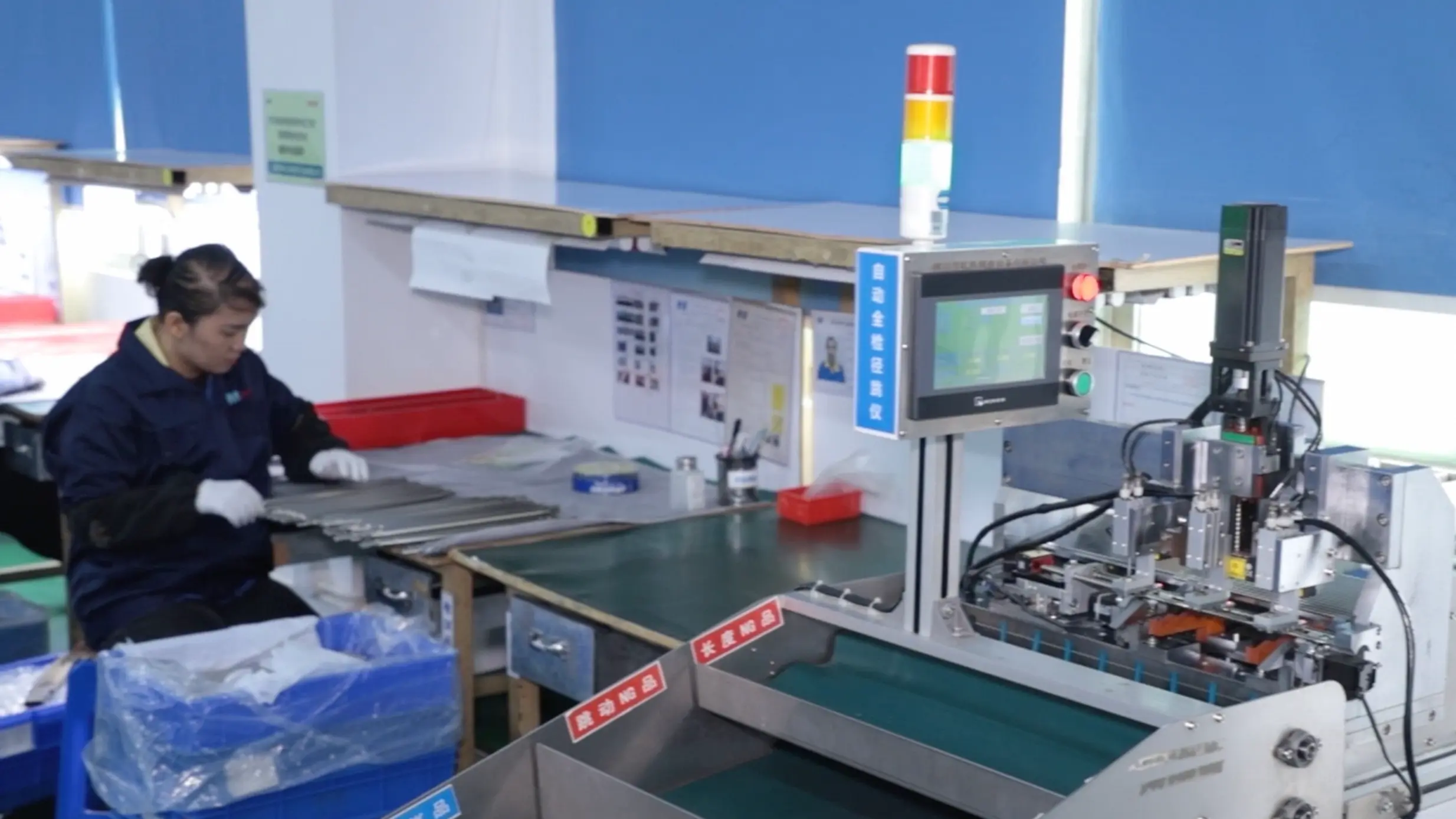
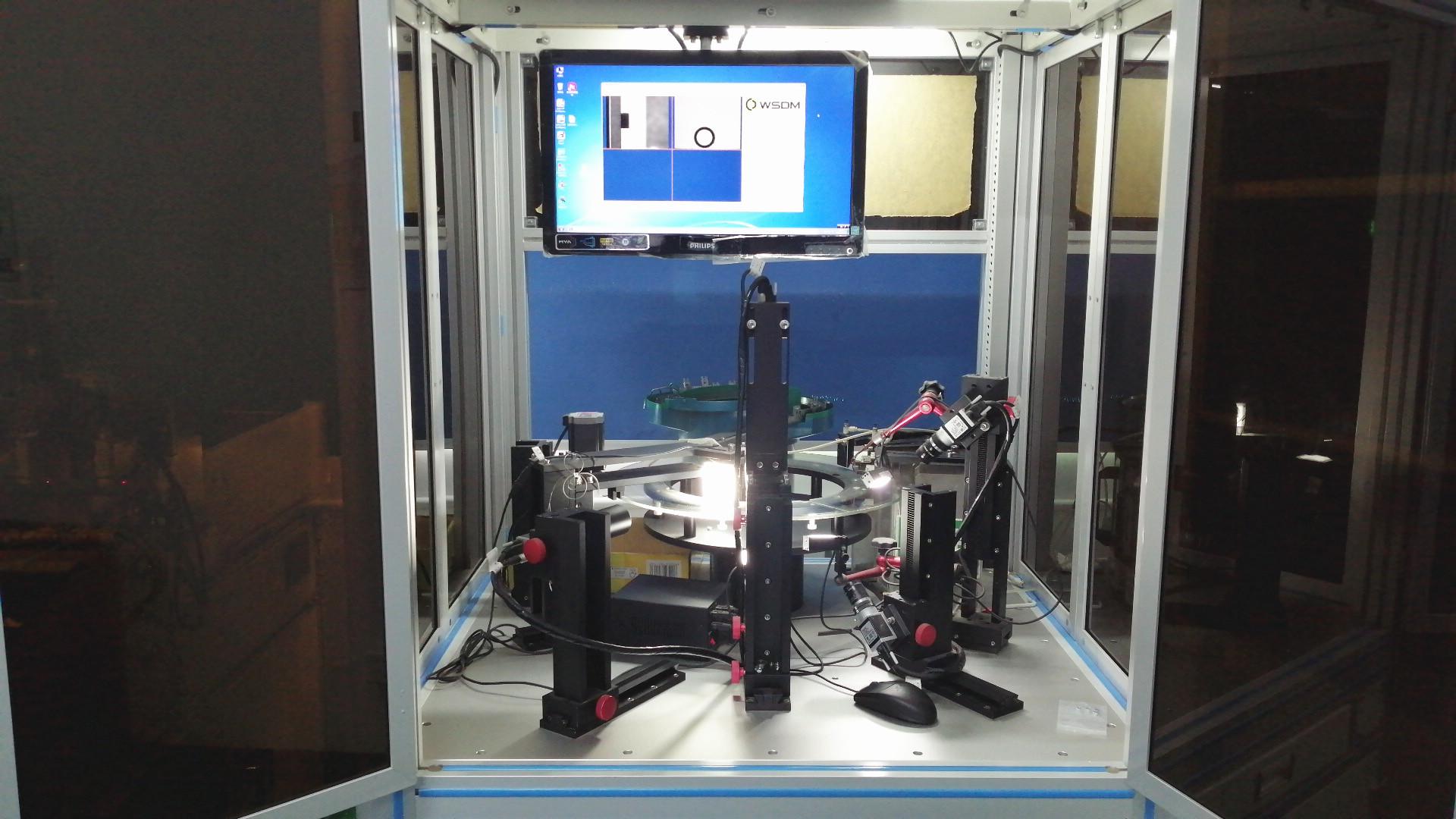
MGMT invests strategically in state-of-the-art manufacturing technologies to deliver unmatched precision machining capabilities for orthopedic medical instruments. Our commitment to innovation spans advanced CNC systems, five-axis machining centers, and automated inspection tools, enabling us to achieve micron-level tolerances critical for medical device accuracy.
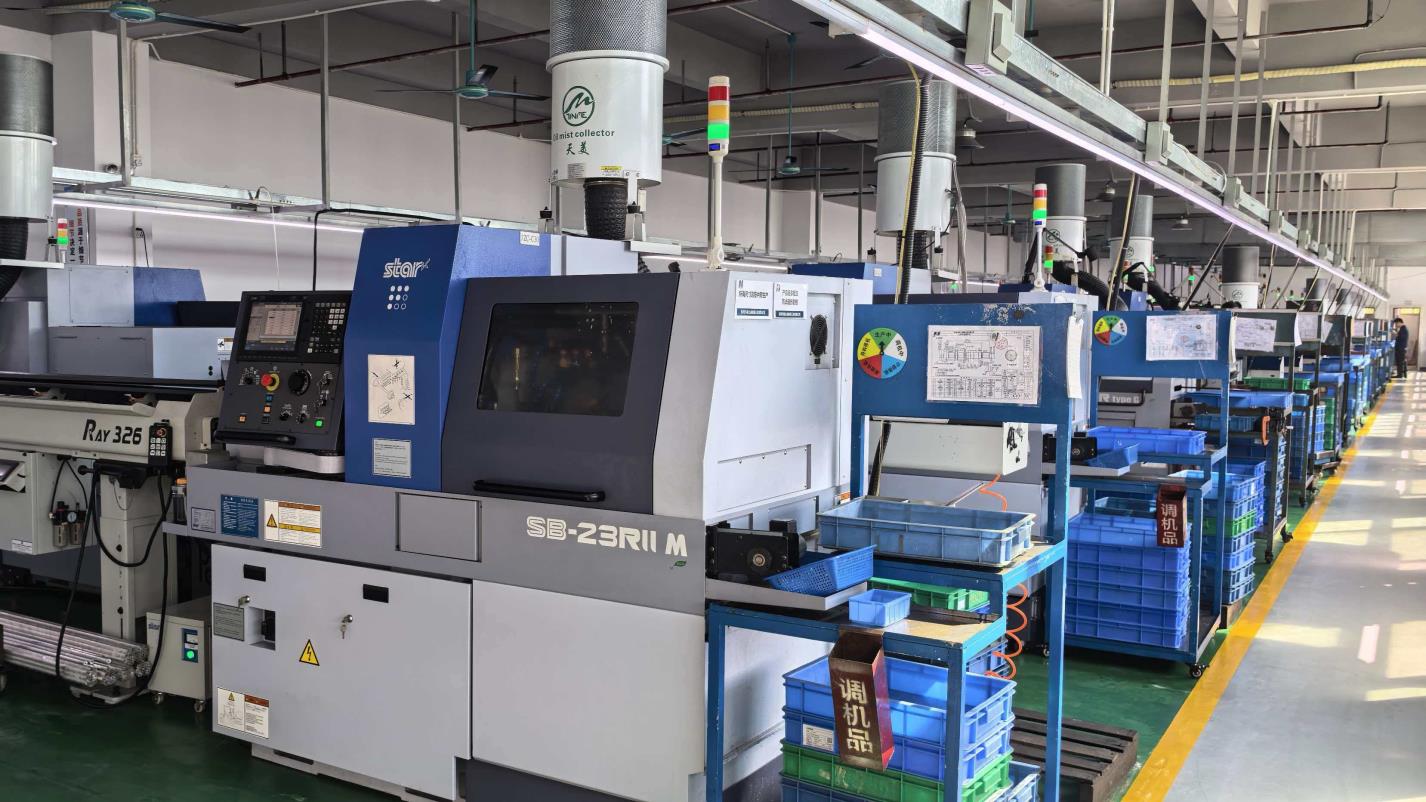
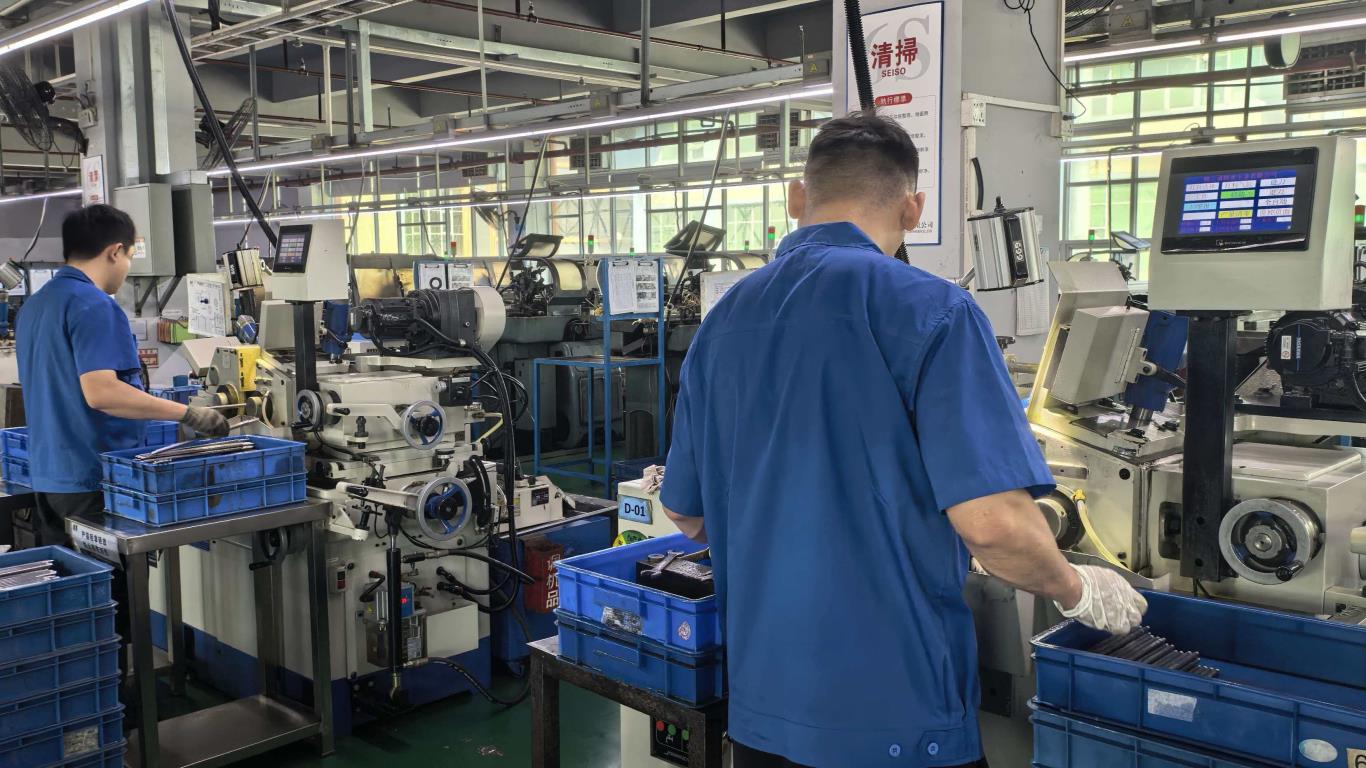
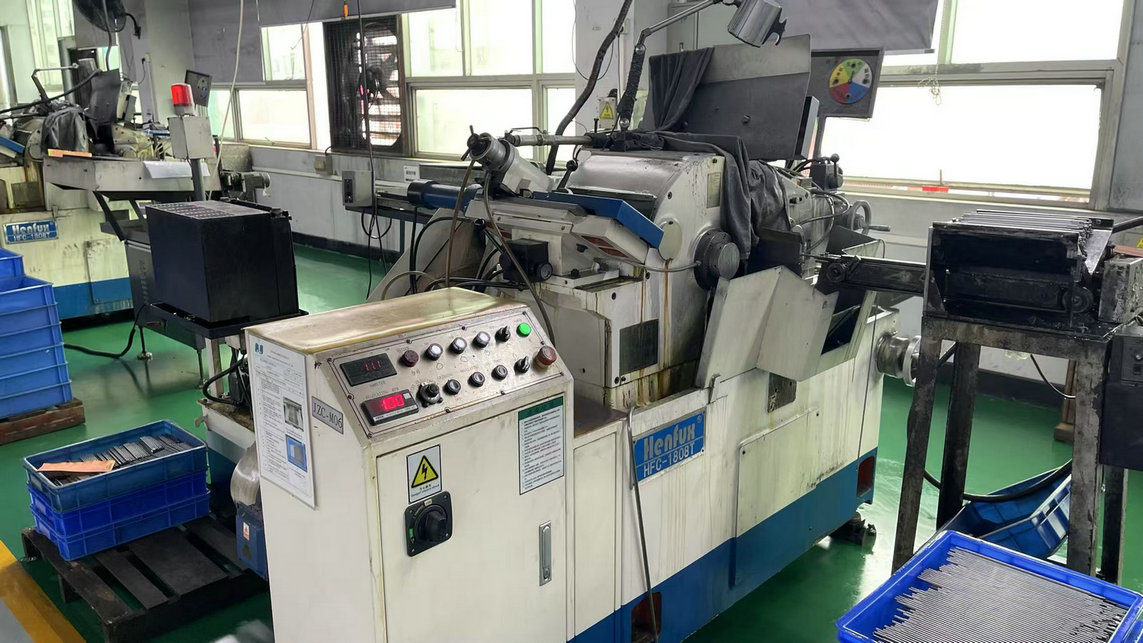
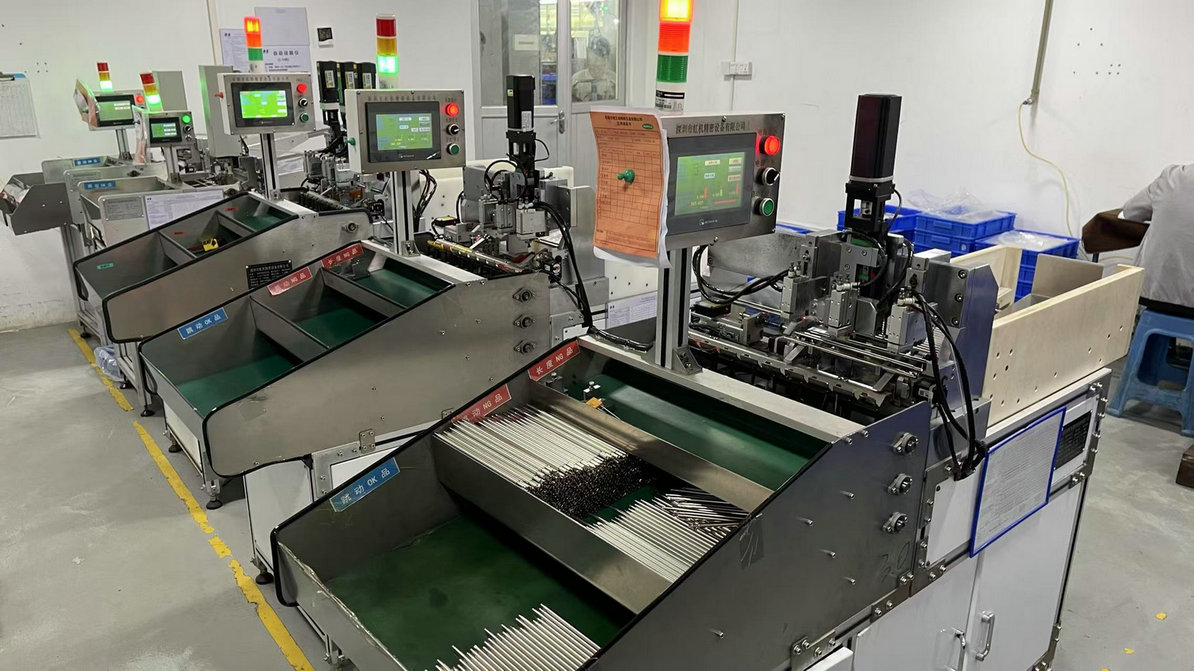
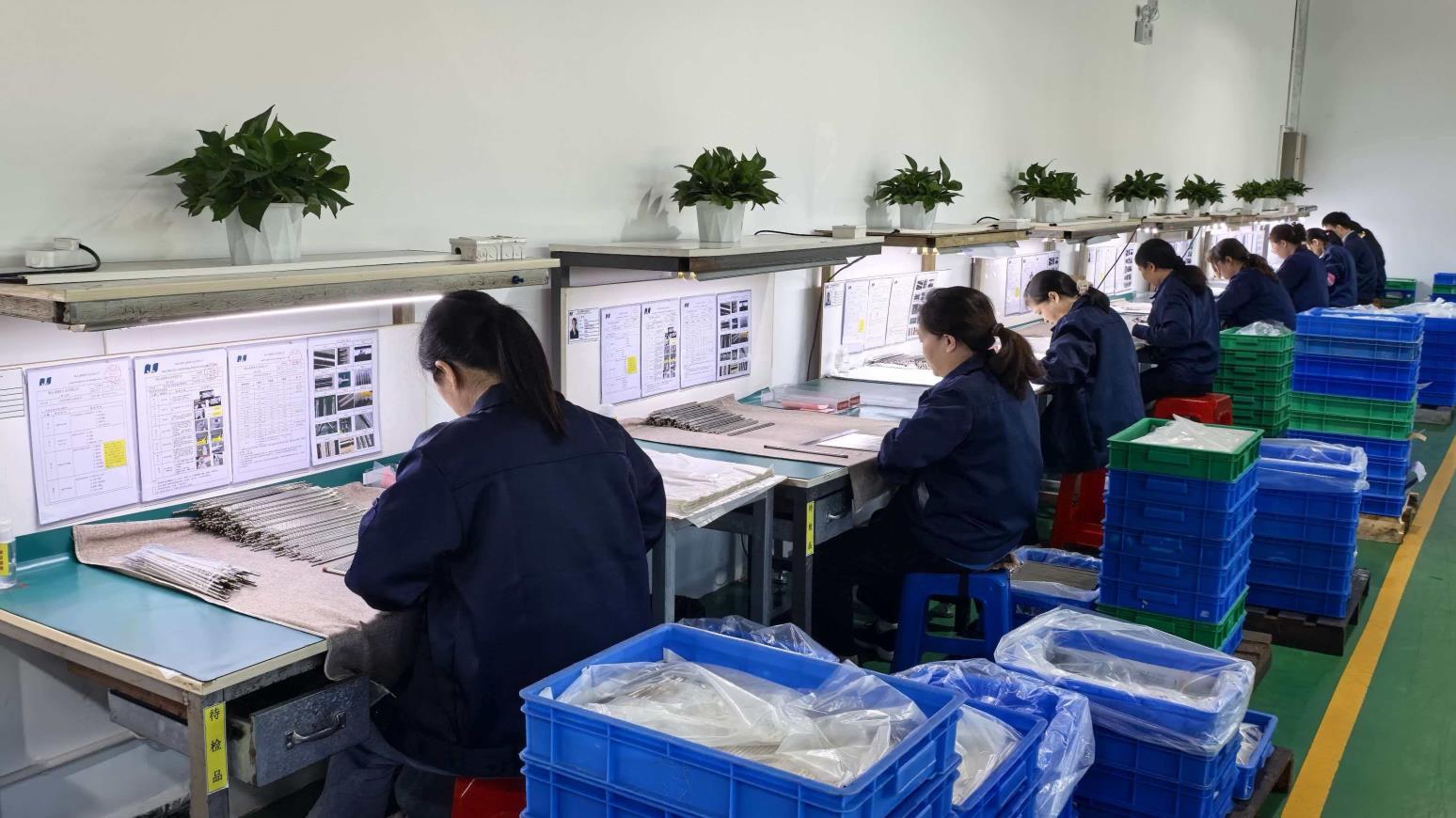
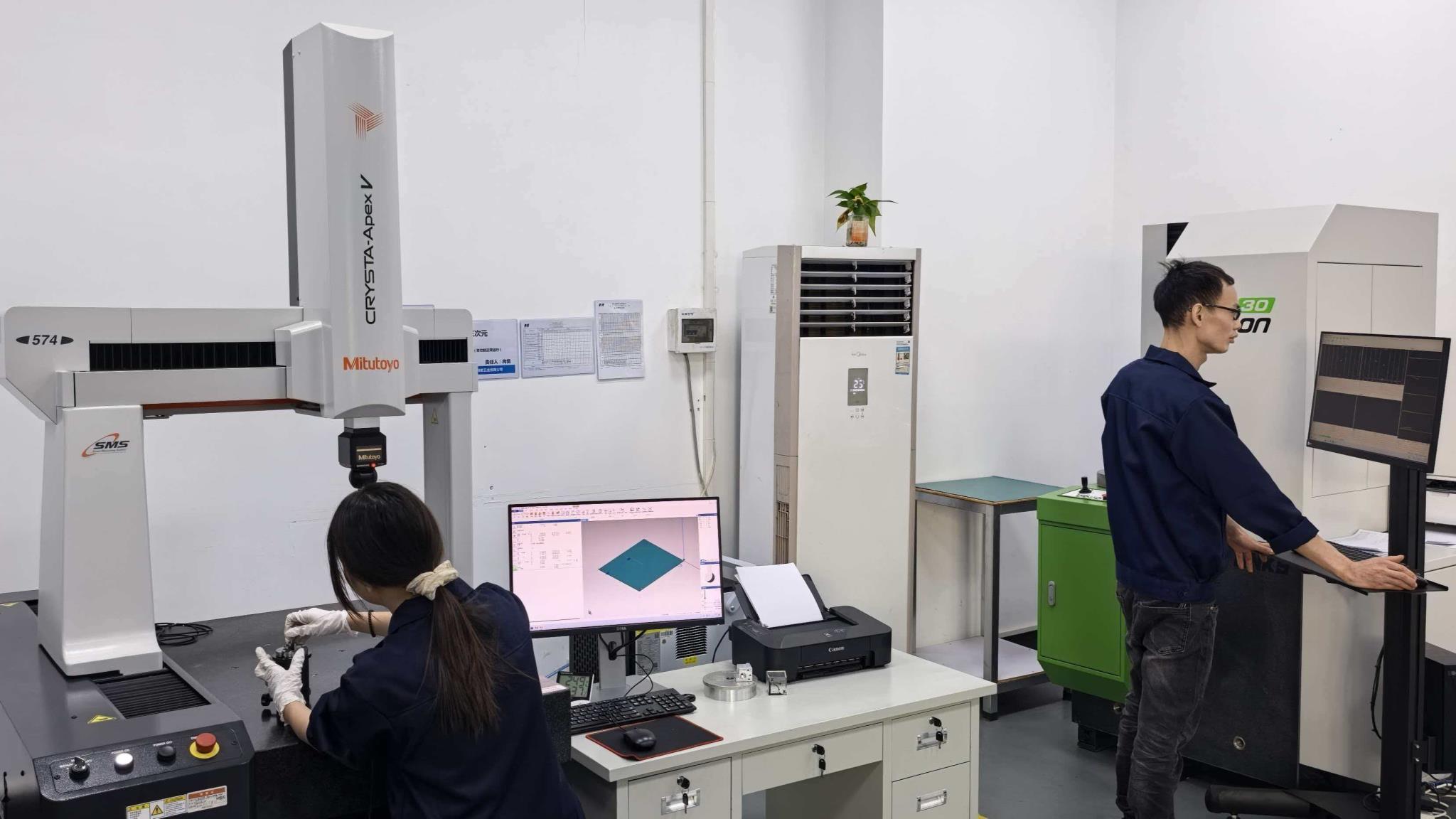
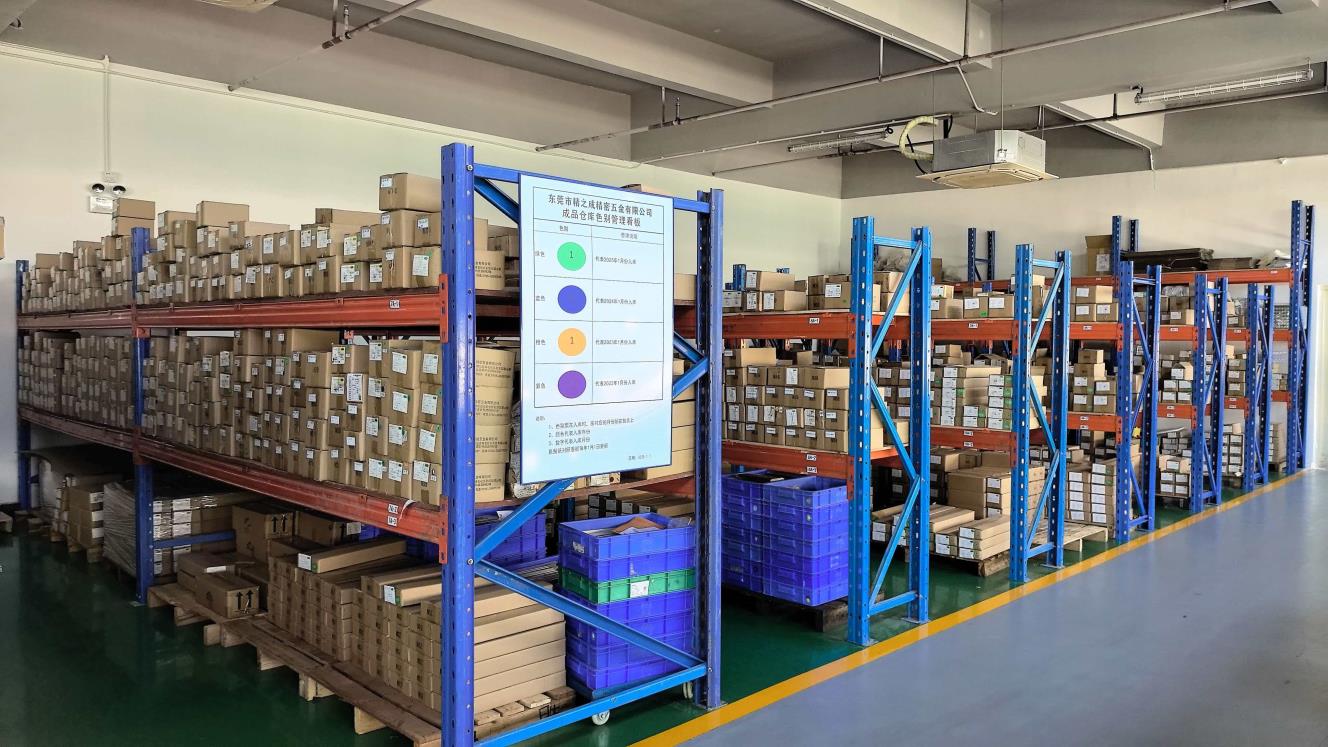
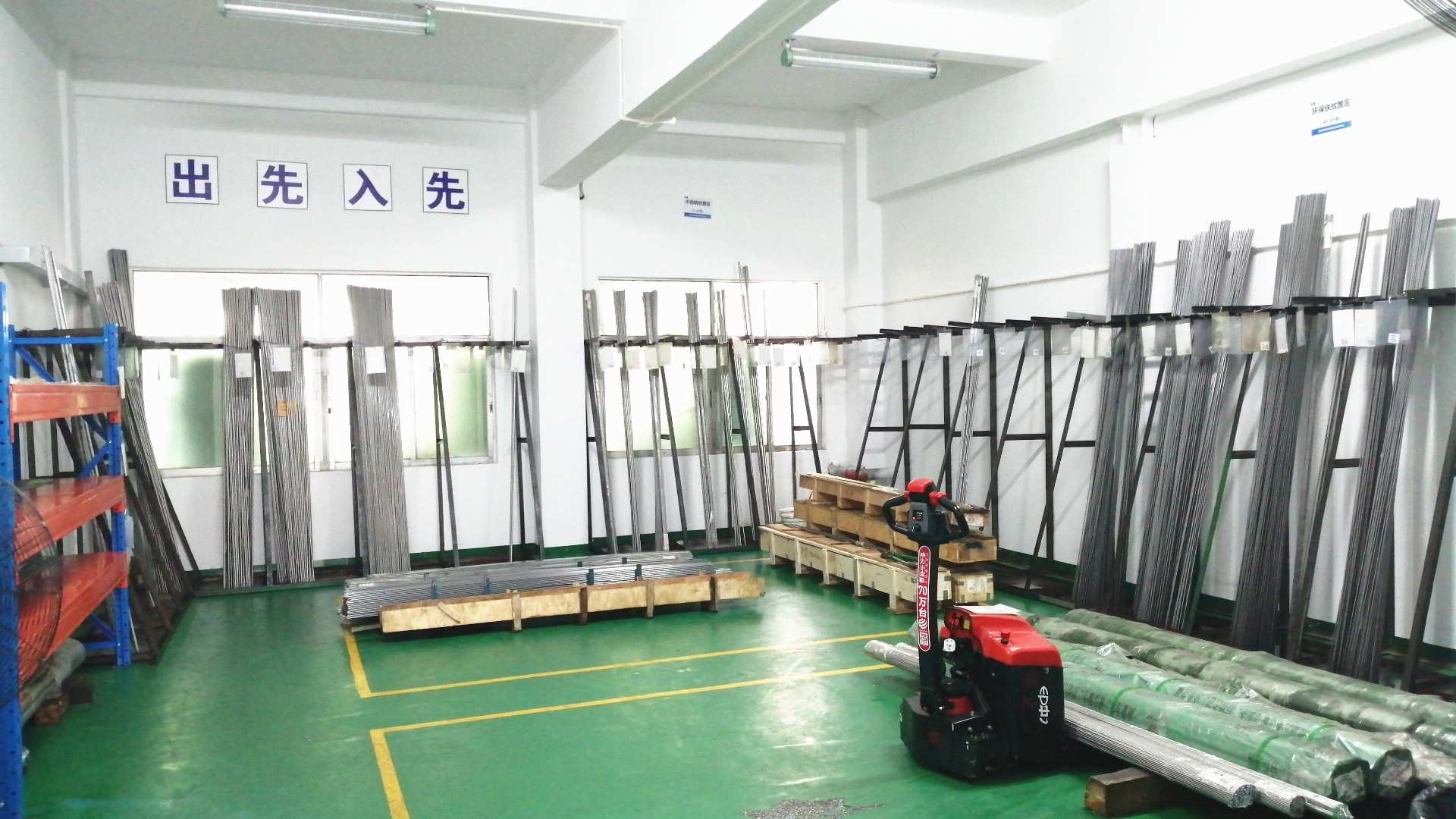
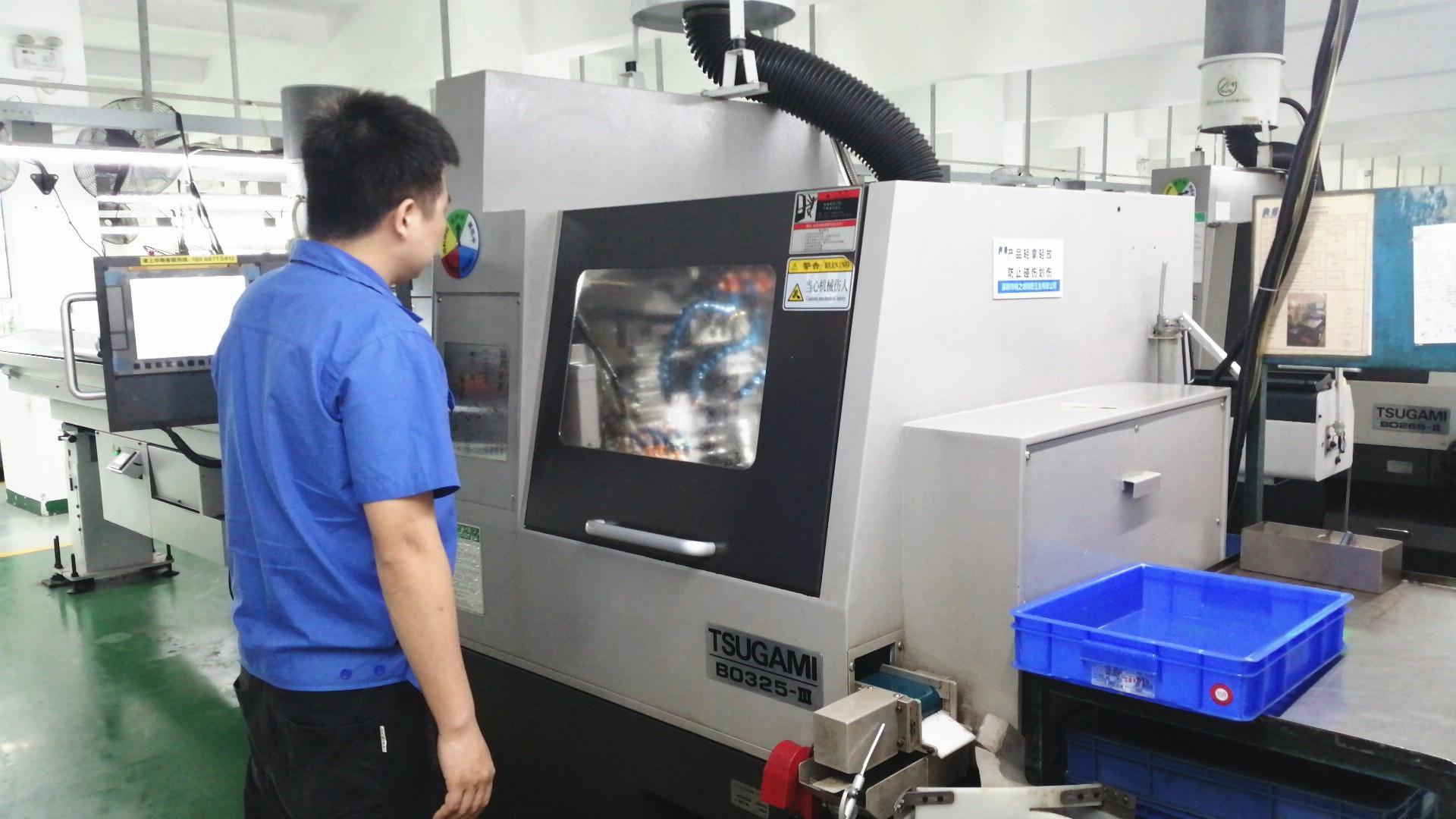
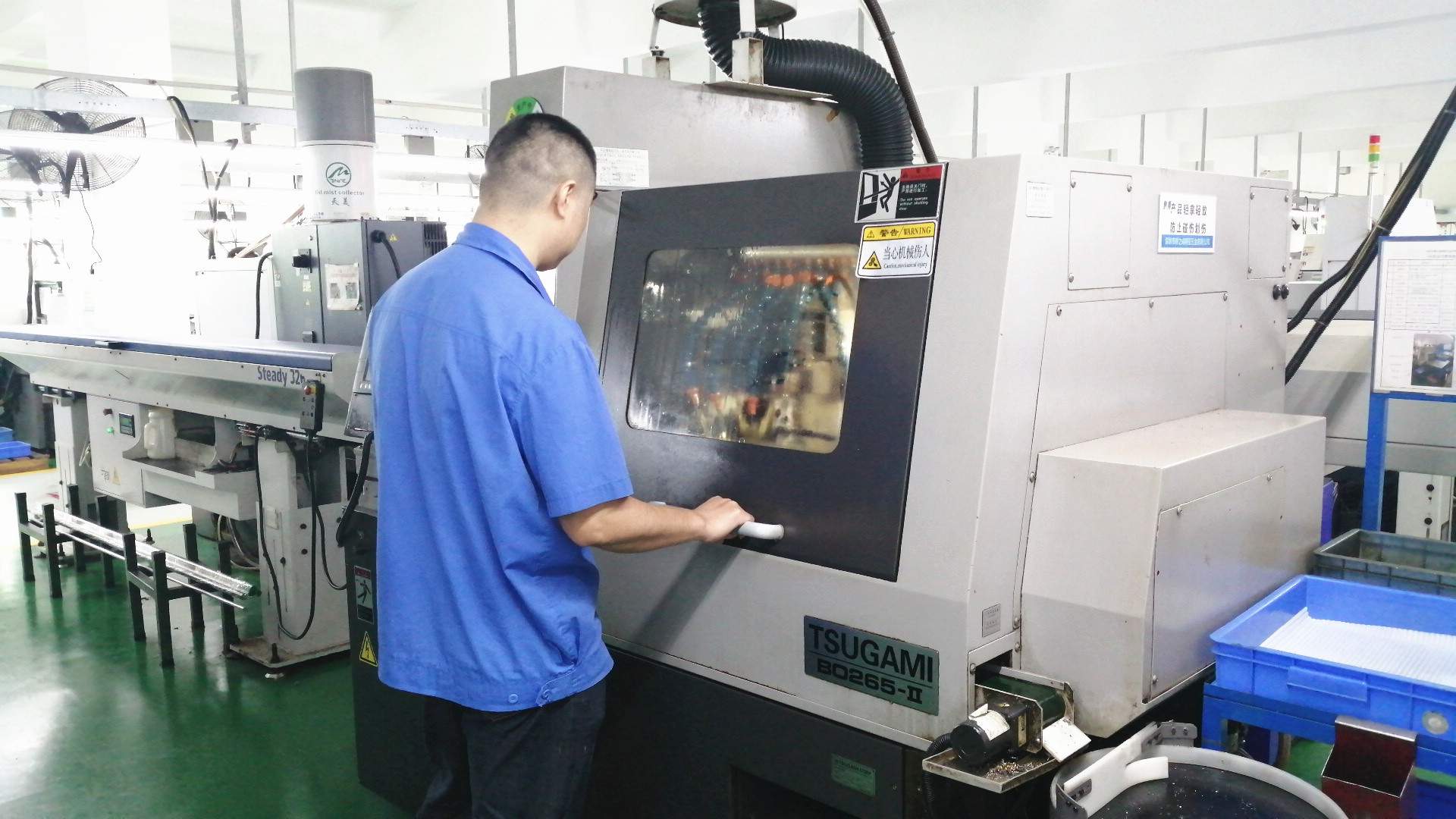
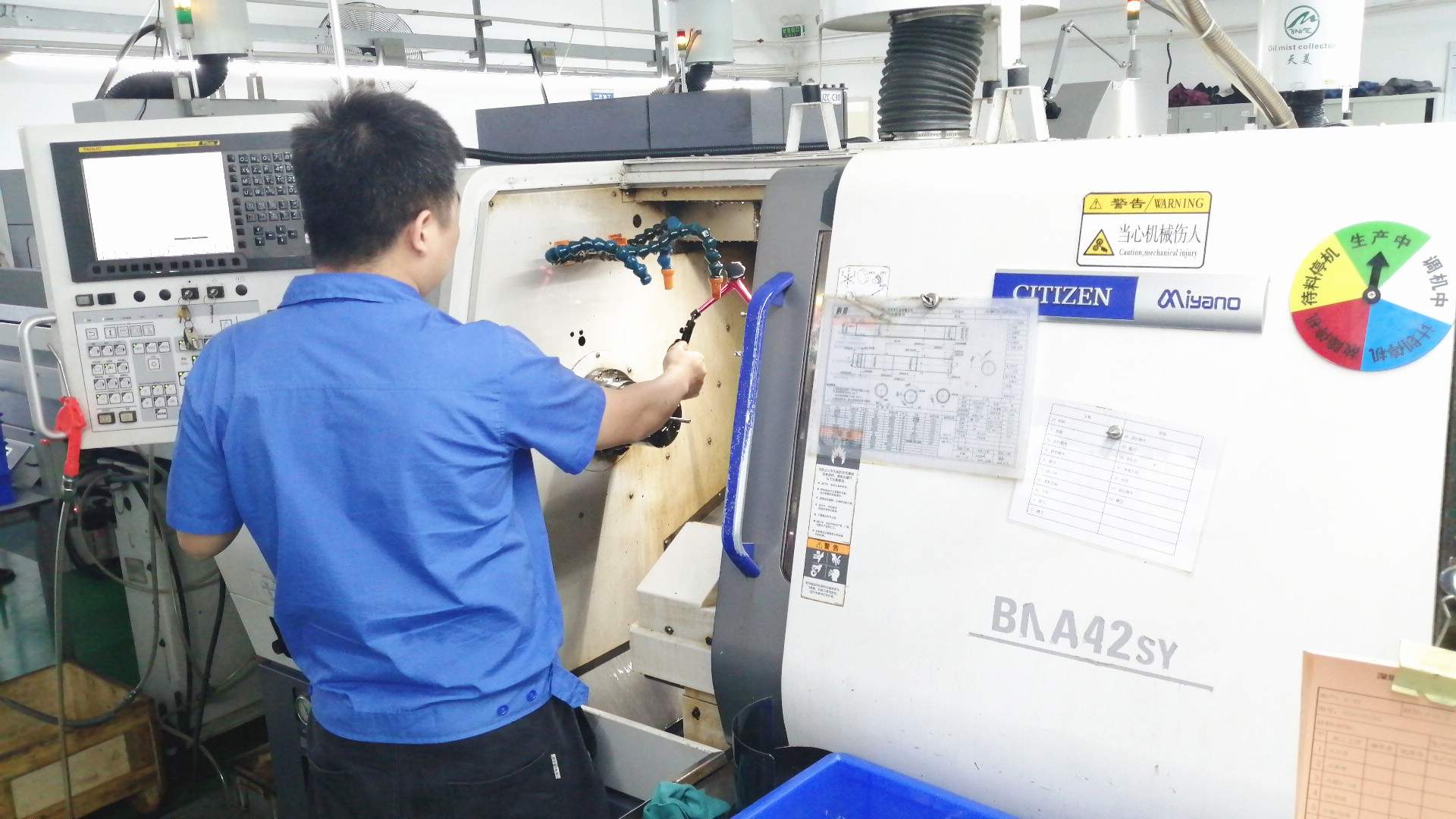
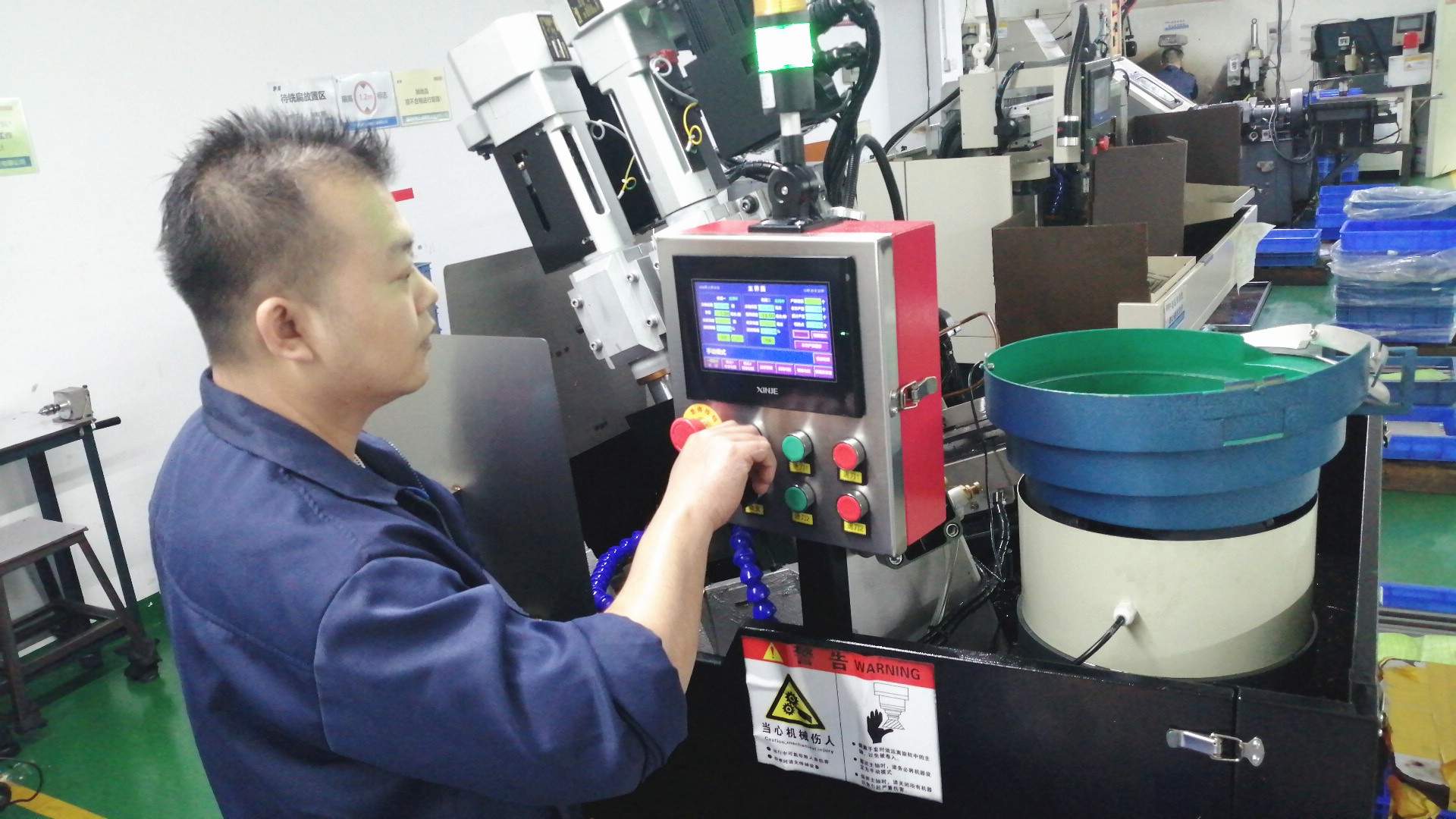
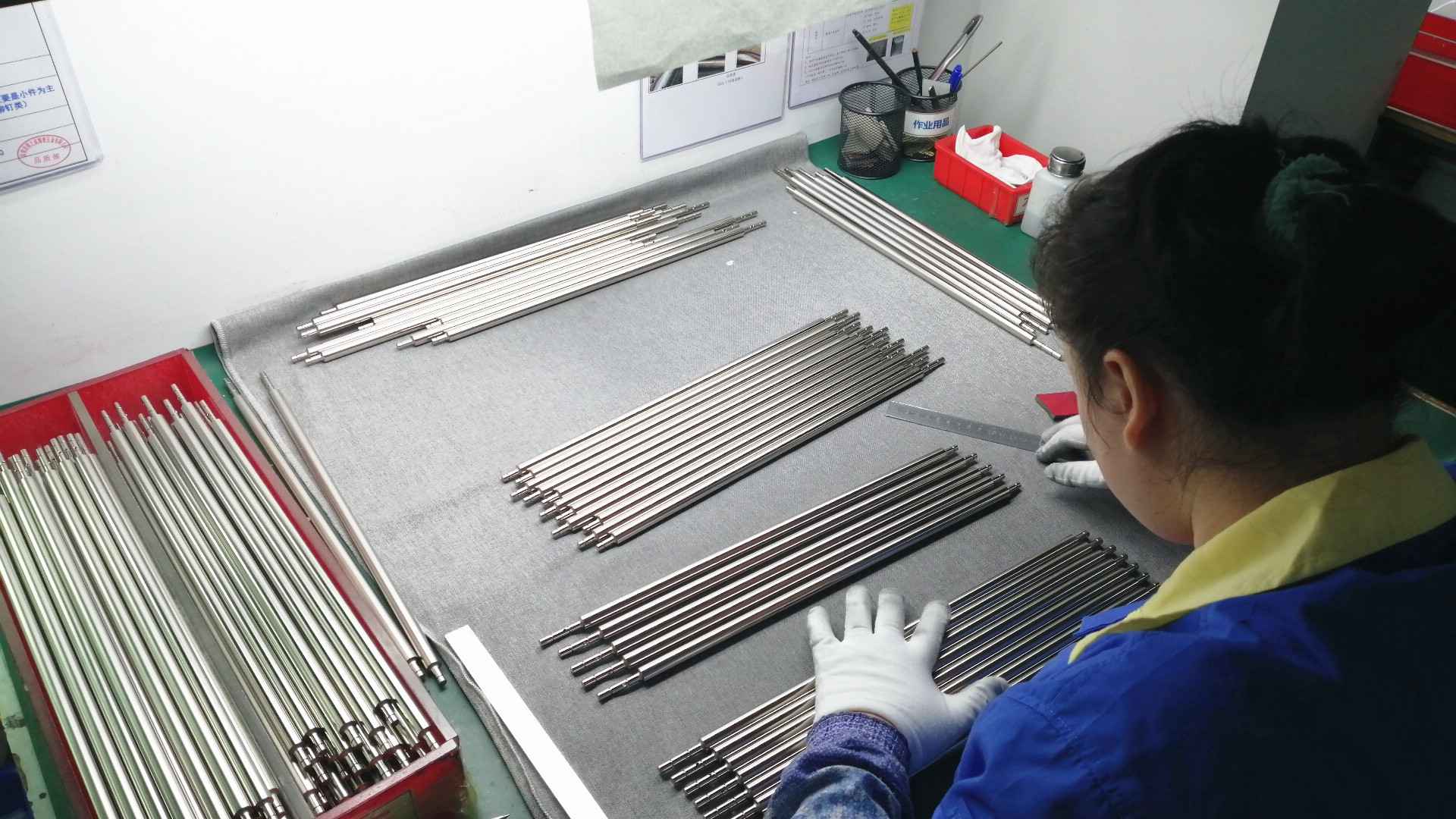
Combining High-Precision Engineering, Scalable Production Capacity, and Total Cost Advantage
By leveraging China's mature medical titanium and PEEK raw material supply chains alongside automated 5-axis CNC manufacturing clusters, we reduce overall unit manufacturing costs by up to 60% compared to Western European contract manufacturers, without compromising micron-level tolerances.
Our rapid prototyping center converts CAD drawings into physical implant samples within 7-10 business days. For tender opportunities at University of Pécs Clinical Center, we offer flexible production batching from small custom clinical runs to multi-thousand unit recurring contracts.
We manage end-to-end international cold-chain and sterile packaging air express logistics directly to Pécs distributors. Customs clearance technical documentation, CE certificates, and ISO audit protocols are pre-assembled for rapid clearance through Hungarian customs authorities.
Technical and Procurement Guidance for Hungarian Medical Device Distributors and Surgeons in Pécs
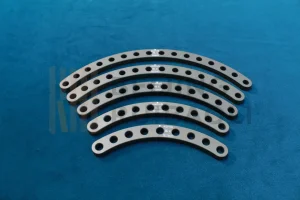
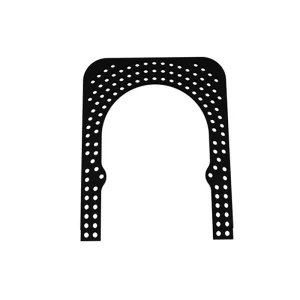
Full range of CE-certified circular fixation hardware, specialized foot rings, arc rings, and extremity lengthened constructs for Pécs suppliers.
Whether you require PEEK/Titanium interbody fusion cages, modular Ilizarov fixation systems, or custom orthopedic instrument tooling, our engineering team is ready to accelerate your medical product pipeline.
Send Inquiry Now