 MGMT Orthopedic Implants
MGMT Orthopedic Implants
MGMT Orthopedic Implants
Engineered for anatomically precise reduction, multi-axial stability, and fast biological osseointegration in complex fractures.
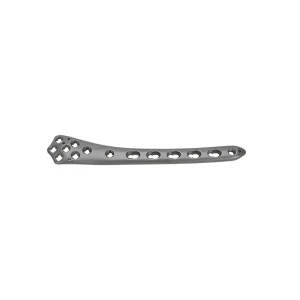
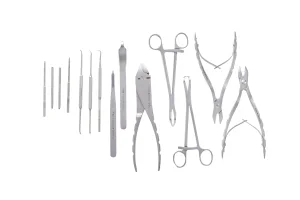
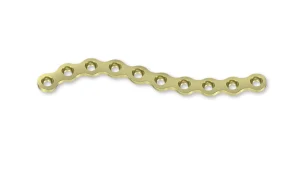
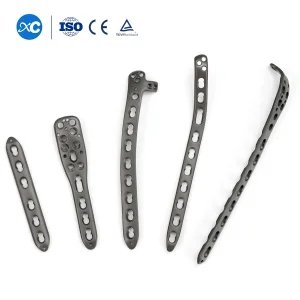
As the historic academic and clinical capital of Central Portugal, Coimbra serves as a primary hub for complex trauma surgery, orthopedic oncology, and reconstructive bone surgery across the Iberian Peninsula. Institutional anchors such as the Centro Hospitalar e Universitário de Coimbra (CHUC)—one of Europe’s largest university hospital networks—and specialized orthopaedic departments at the Faculty of Medicine of the University of Coimbra (FMUC) generate high volume demand for advanced titanium trauma implants.
The regional healthcare ecosystem demands locking plate and screw systems that not only comply strictly with European Medical Device Regulation (EU MDR 2017/745) but also accommodate specialized clinical scenarios: low bone mineral density in aging demographics, high-energy polytrauma cases stemming from the region’s transit arterial networks, and delicate pediatric or reconstructive procedures requiring sub-millimeter anatomical matching.
• High prevalence of periarticular and intra-articular fractures requiring multi-axial variable angle trajectory locking systems.
• Rigorous reliance on titanium alloy (Ti-6Al-4V ELI) implants to eliminate metallic sensitivity and facilitate post-operative MRI imaging diagnostic clarity.
• Urgent need for OEM contract manufacturing flexibility, offering rapid delivery cycles to local hospital central sterile supply departments (CSSD) and surgical distributors.
As a leading OEM/ODM manufacturer specializing in orthopedic implants and instruments, MGMT acts as a one-stop shop for comprehensive medical contract manufacturing serving Coimbra and international markets.
Our expertise lies in crafting highly efficient, innovative, and fully customized orthopedic medical devices. By leveraging advanced technologies and a deep understanding of biomechanical industry needs, our engineering divisions partner directly with surgical implant brands to refine designs, improve dynamic fatigue performance, and reduce unit costs while ensuring absolute compliance with established ISO 13485 standards and emerging EU MDR regulations.
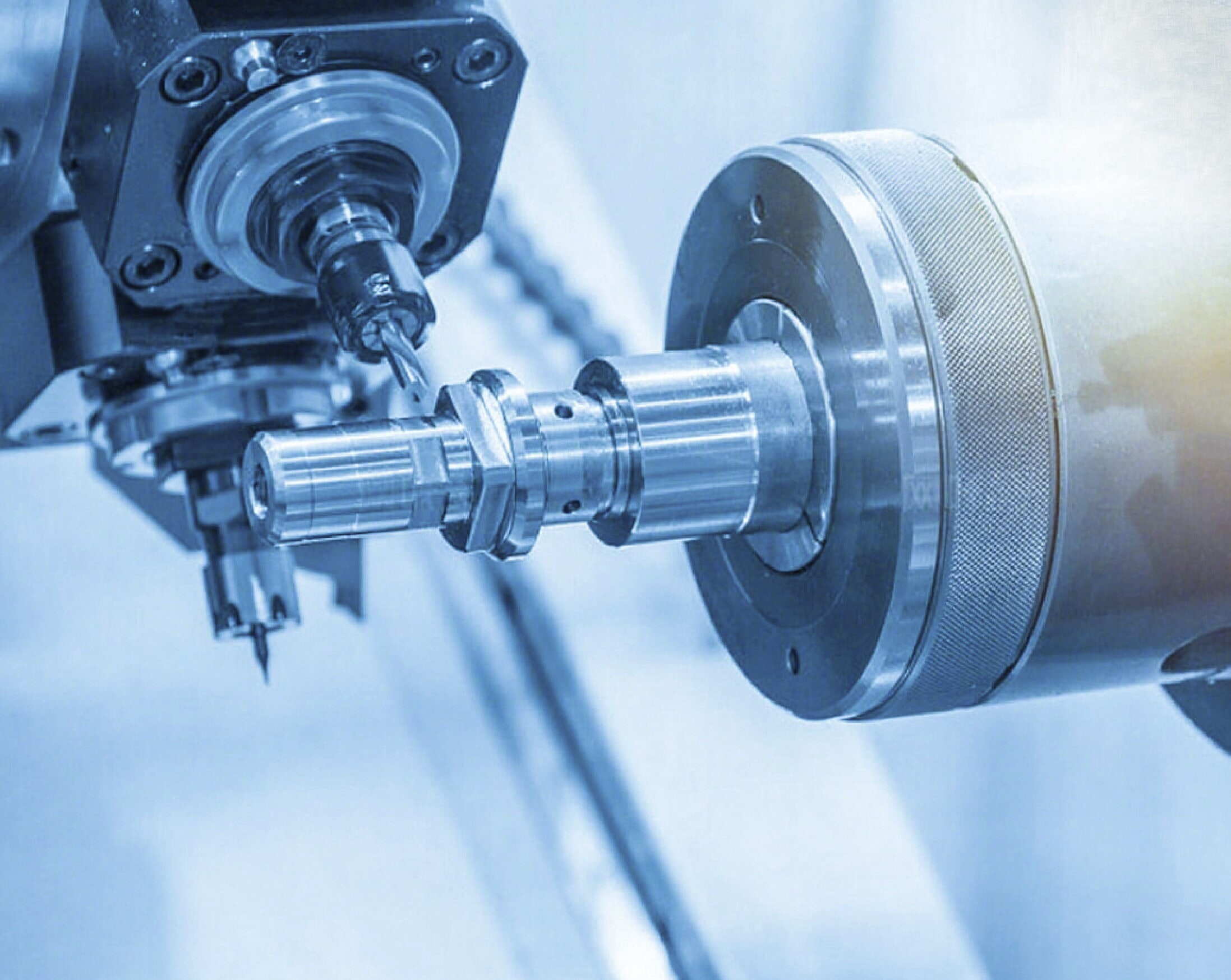
Precision Medical Manufacturing: MGMT invests strategically in state-of-the-art manufacturing technologies to deliver unmatched precision machining capabilities for orthopedic medical instruments. Our commitment to innovation spans advanced CNC Swiss-type lathes, five-axis machining centers, high-speed profile milling, and automated inspection tools, enabling us to achieve micron-level tolerances (±0.003mm) critical for locking thread engaging accuracy between cortical bone screws and plate locking holes.
Our vertically integrated approach—from design validation to rapid prototyping—accelerates time-to-market. Whether machining multi-faceted periarticular anatomical plates or micro-machined features for CMF maxillofacial kits requiring extreme detail, we leverage automated optical inspection (CCD) and Coordinate Measuring Machines (CMM) to verify 100% of critical dimensions.
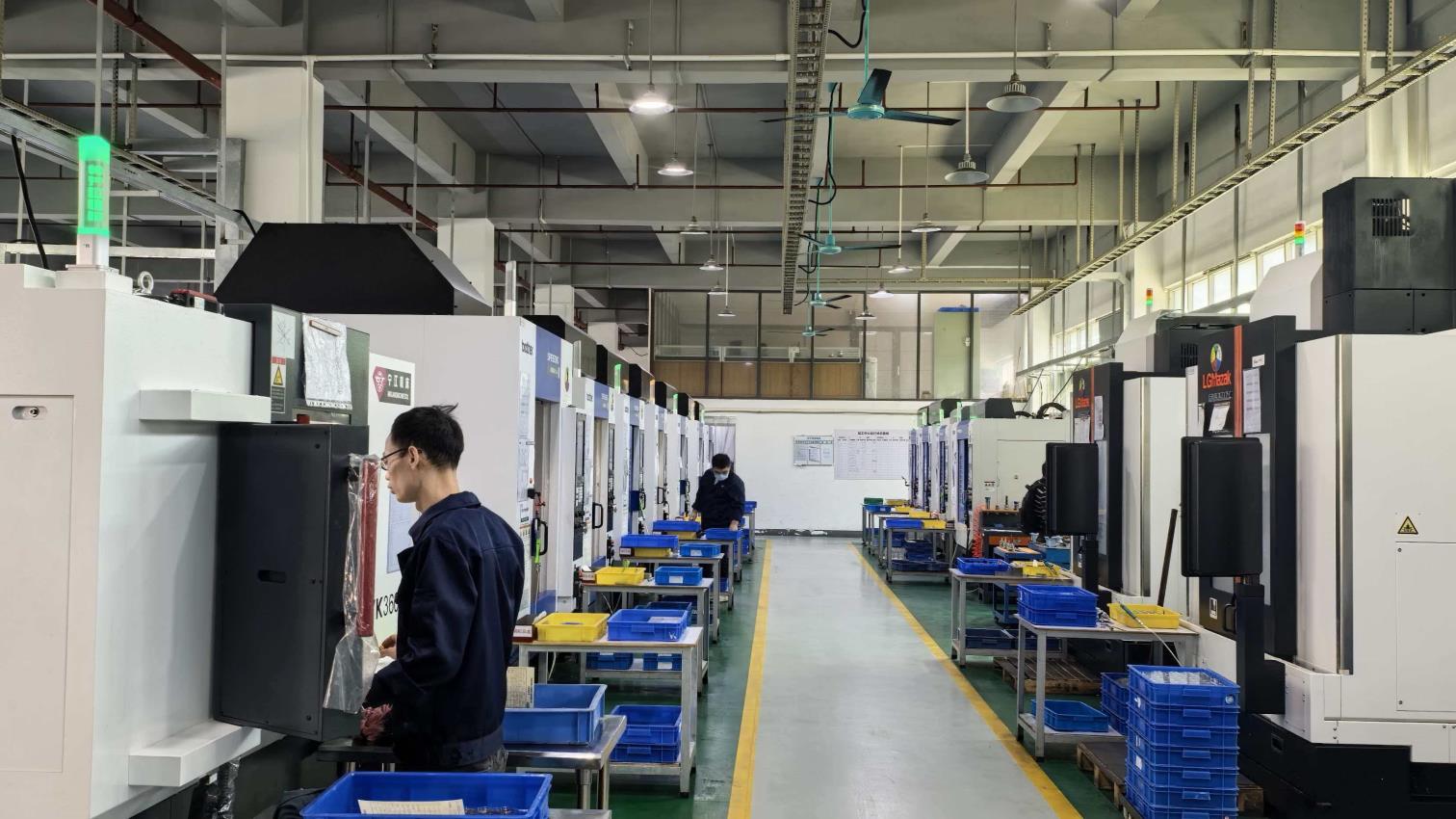 CNC Machining
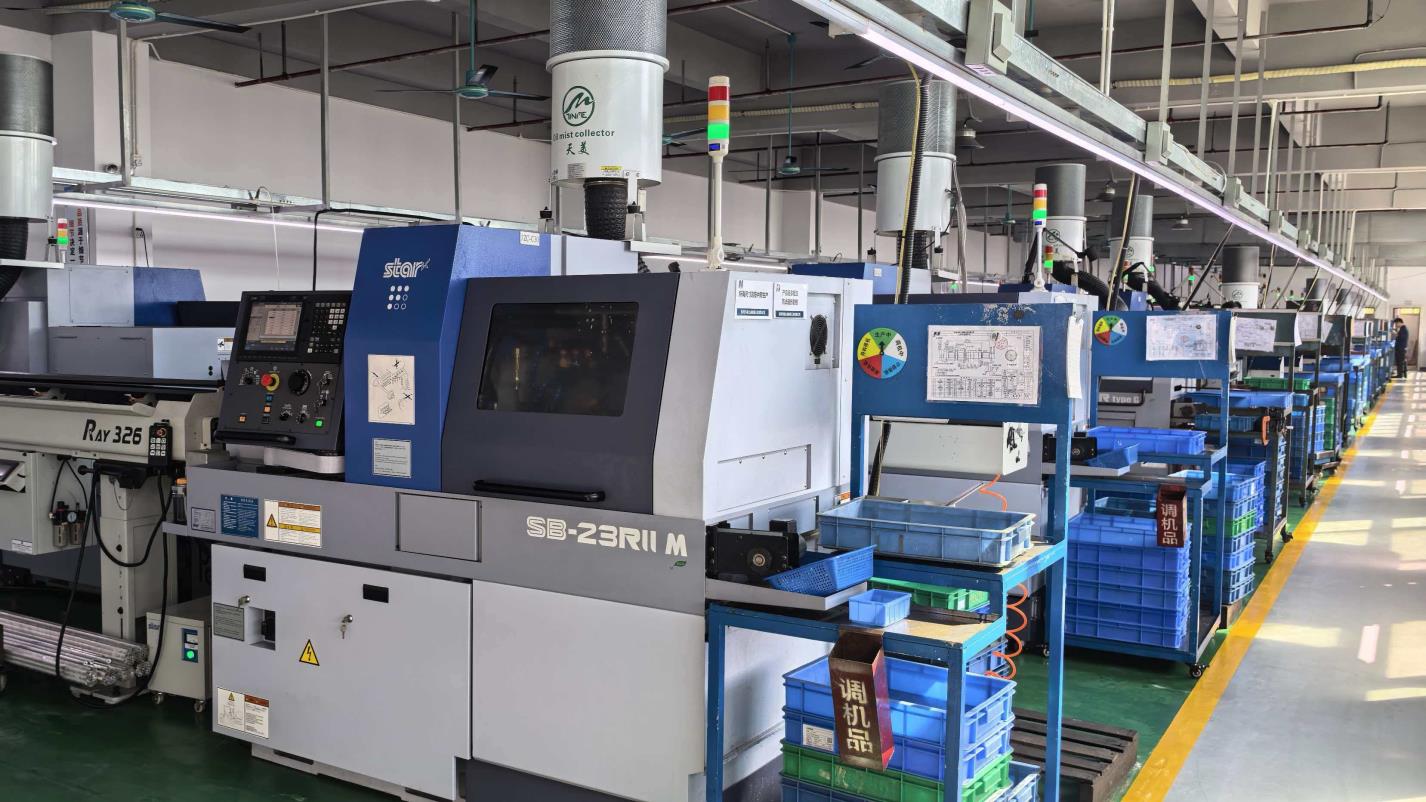 CNC Lathe
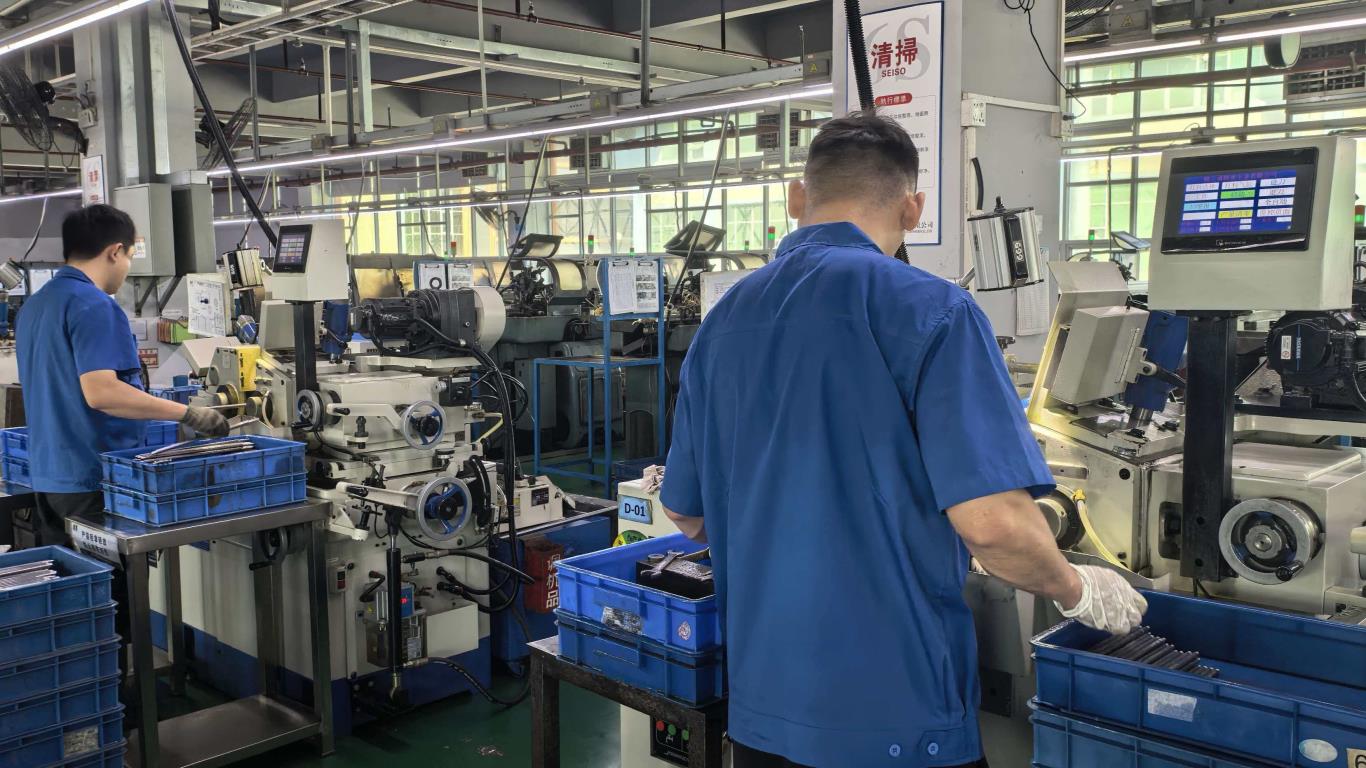 CNC Milling
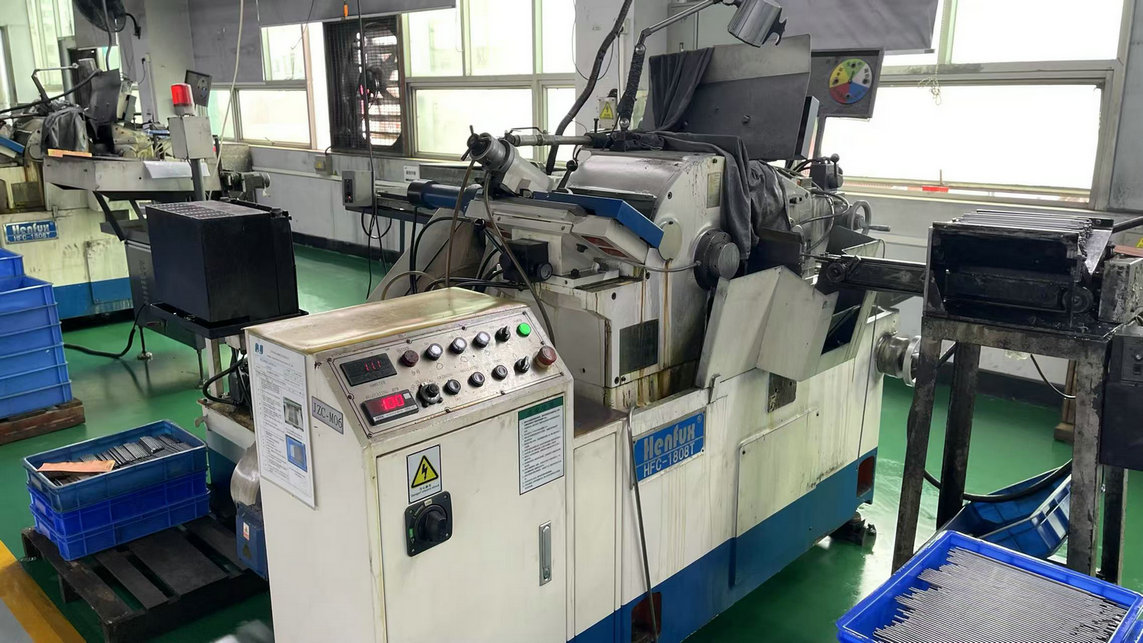 Precision Grinding
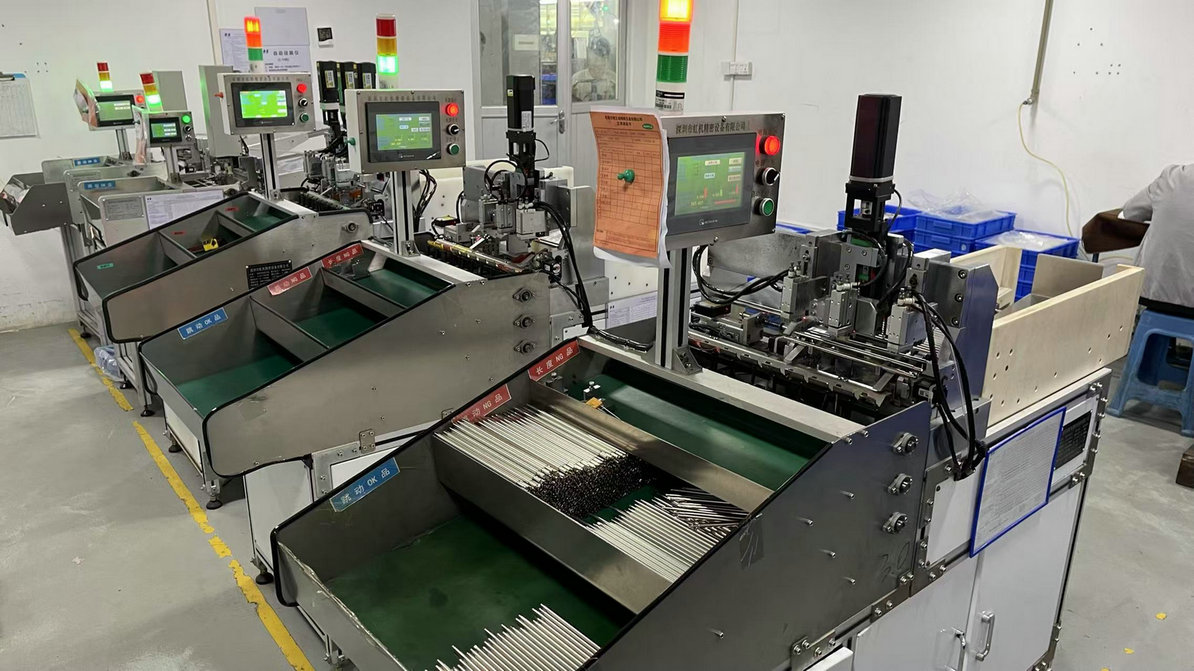 Beat Auto Detection
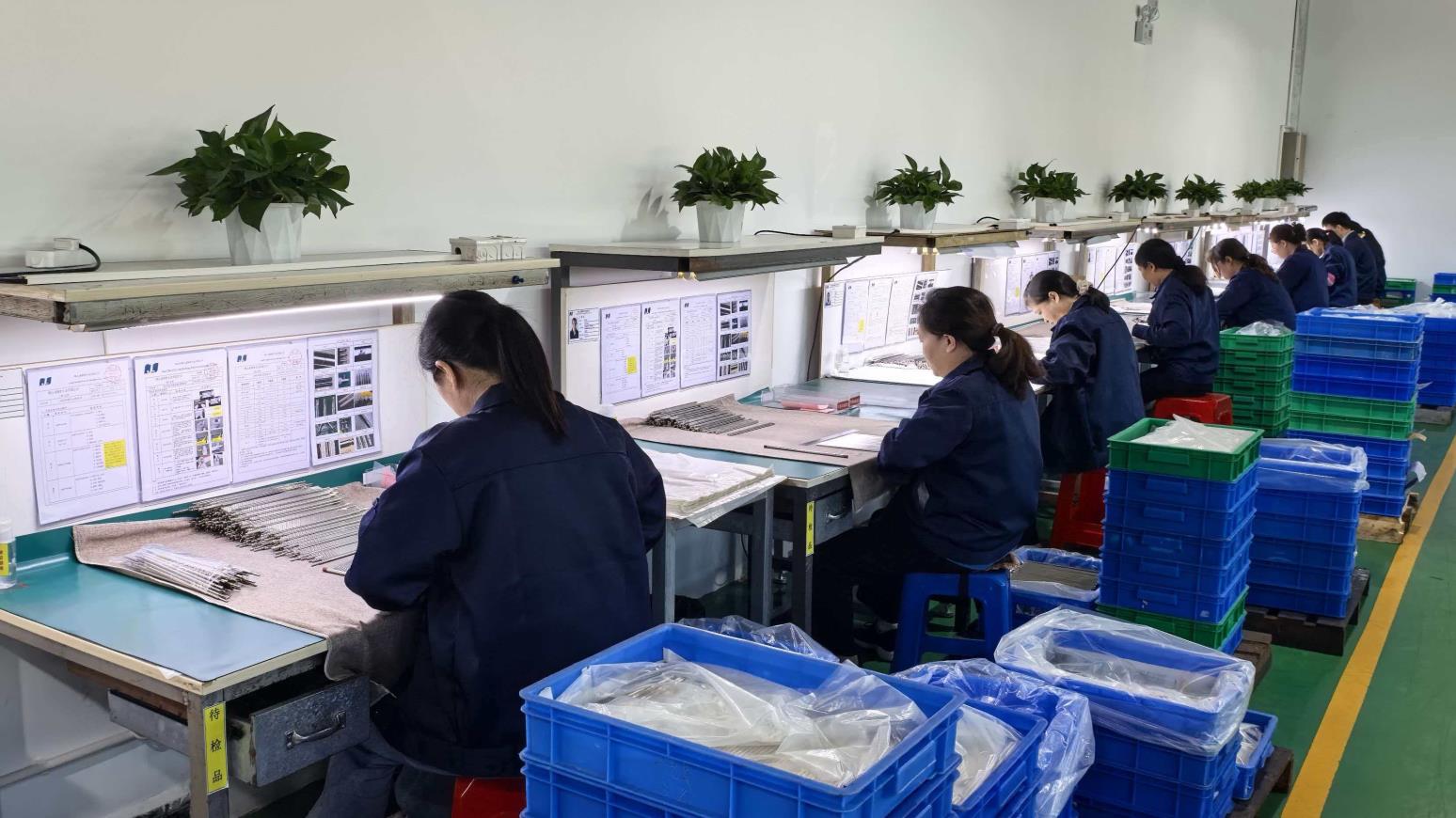 Quality Control
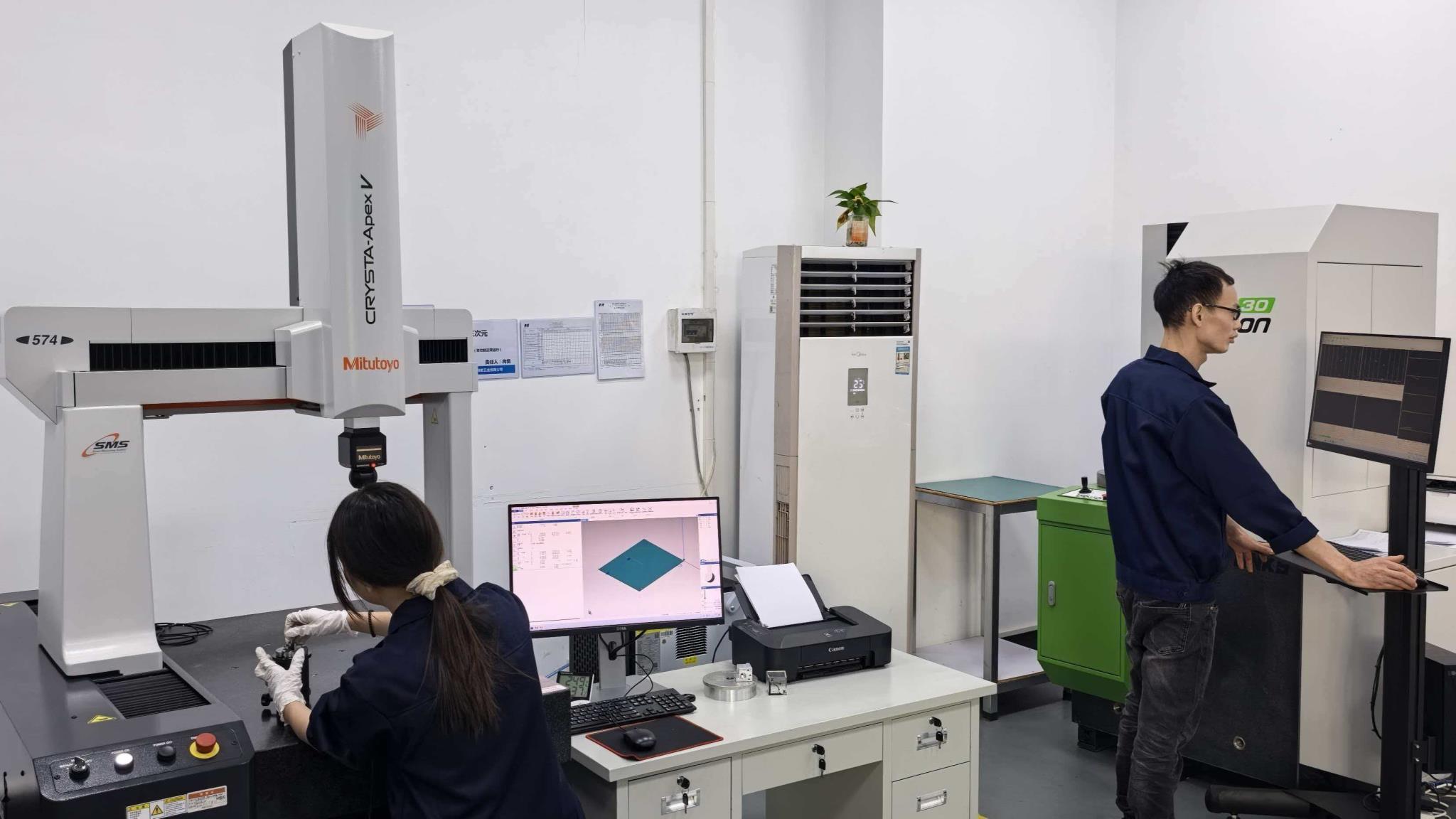 Mechanical Testing
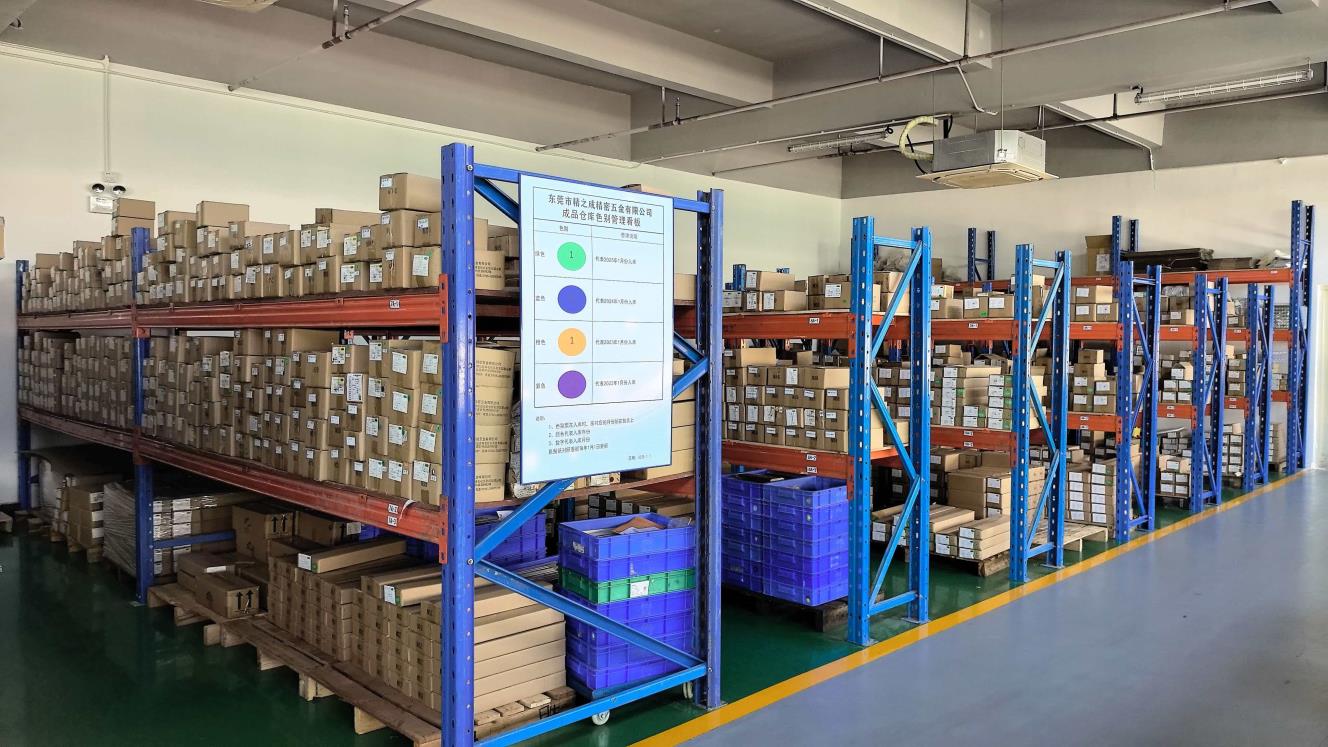 Cleanroom Storage
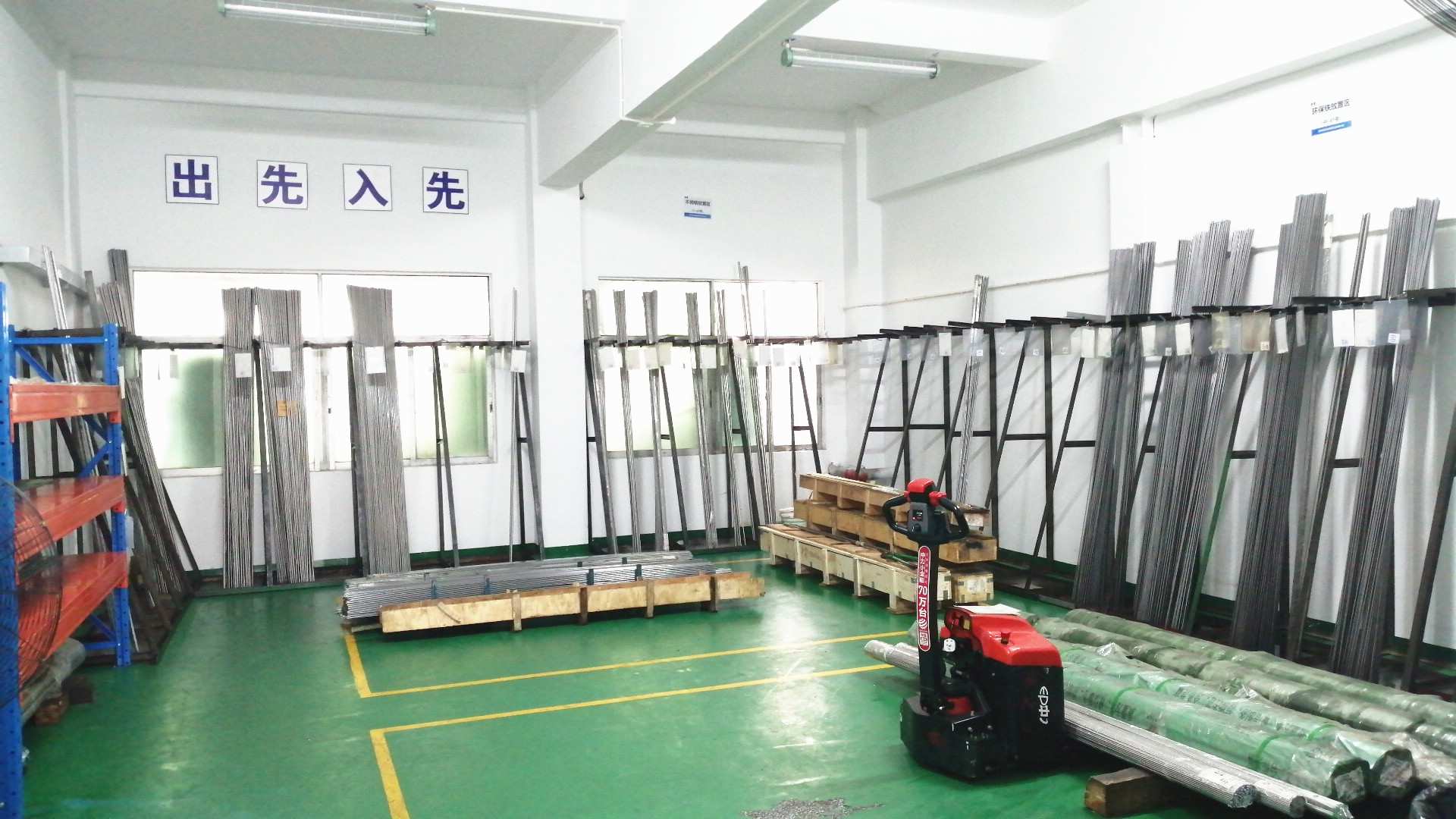 Raw Titanium Bar
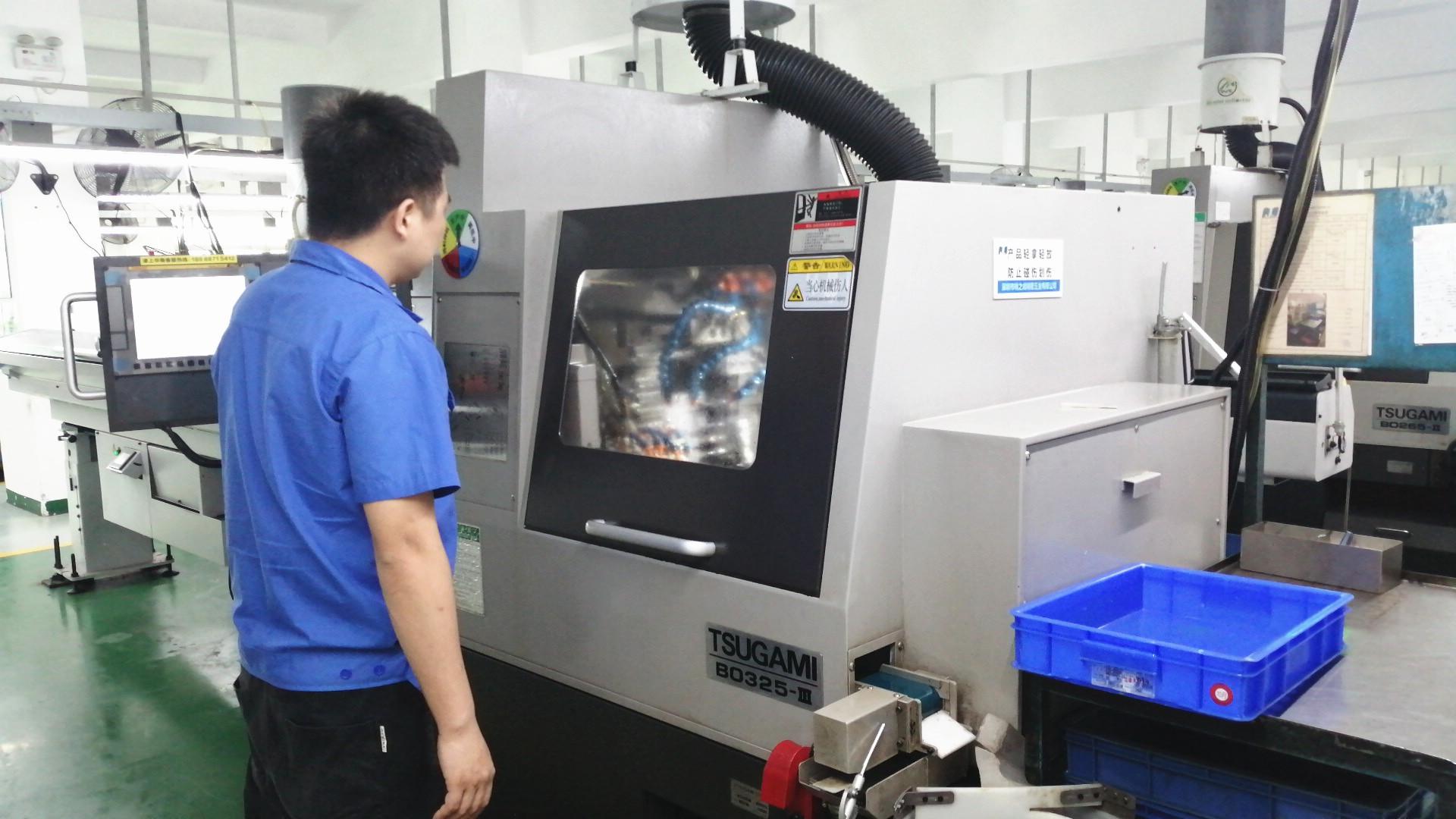 5-Axis Machining
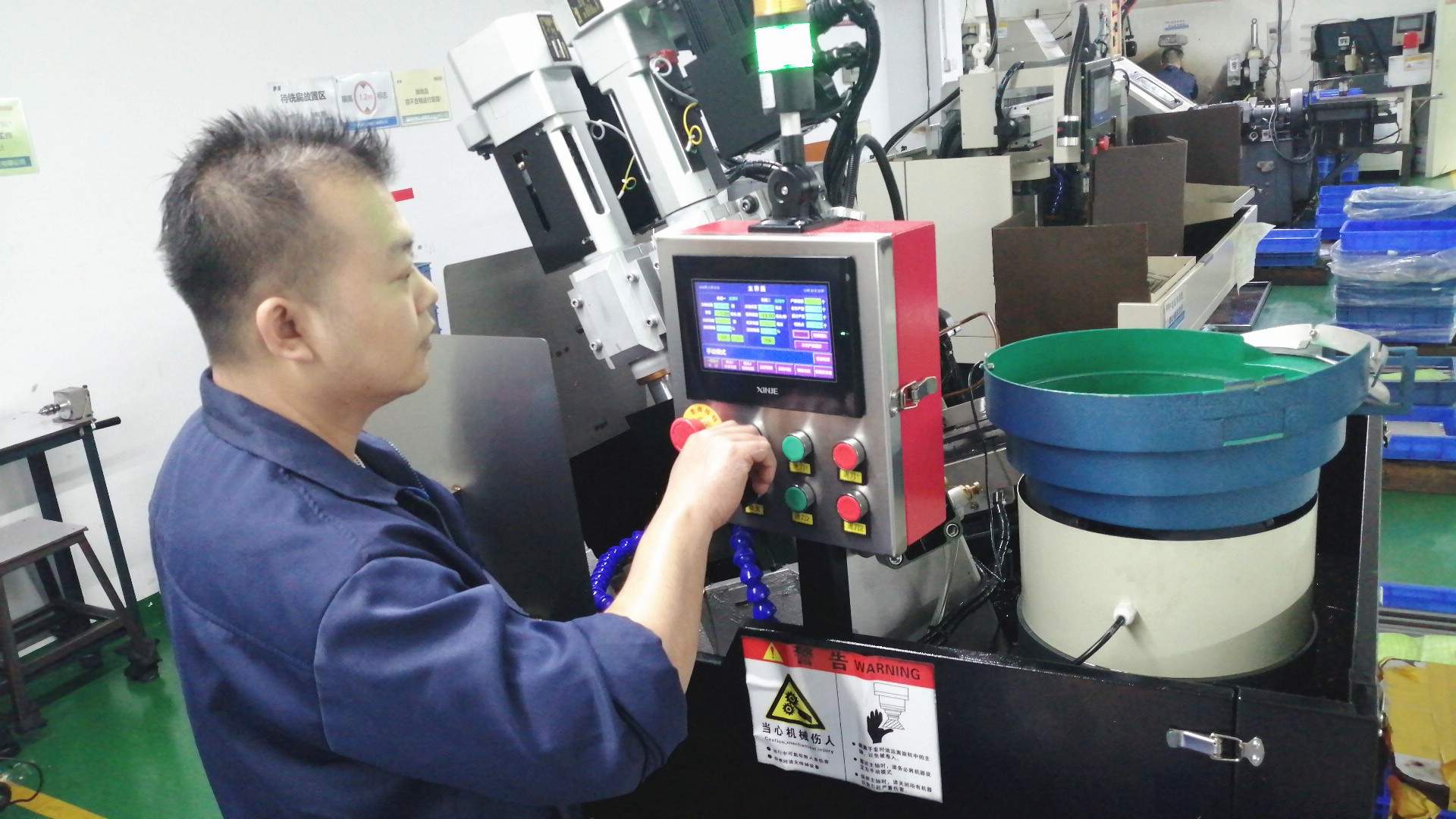 Thread Tapping
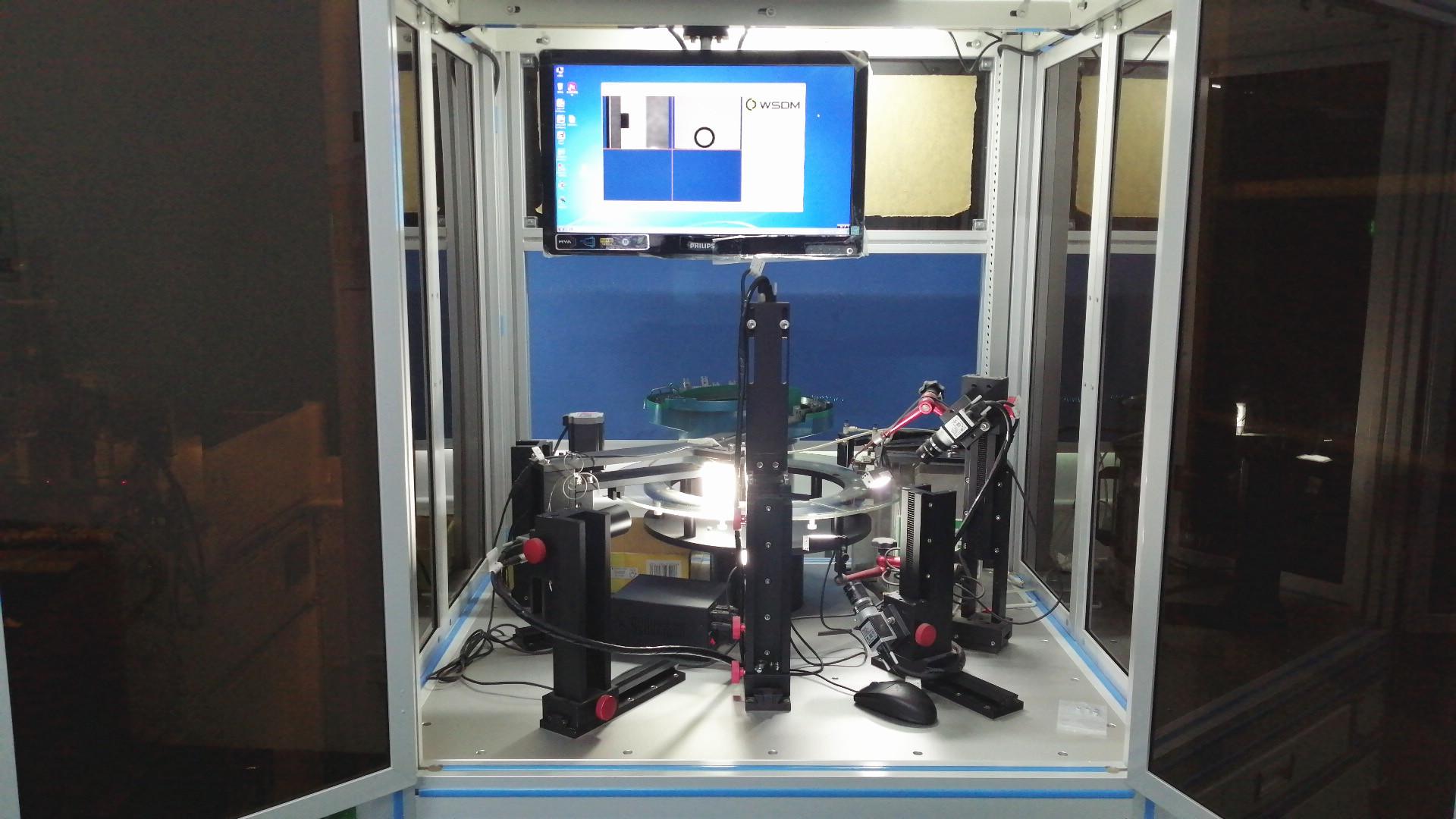 CCD Optical Inspection
Data-driven manufacturing protocol ensuring zero-defect implant execution for surgical applications.
Modern traumatic fracture treatment relies heavily on the evolution of fixed-angle construct stability. Traditional compression plates depend on plate-to-bone friction, which can jeopardize periosteal blood supply and lead to non-union or delayed union.
Variable Angle (VA) Locking Compression Plates (LCP): By incorporating patented double-threaded combi-holes and polyaxial locking mechanisms, surgeons in Coimbra can angle screws up to 15 degrees off-axis in any direction. This capability allows targeted screw trajectory around joint prostheses, existing hardware, or fragmented periarticular bone stock.
Less Invasive Stabilization Systems (LISS): Designed specifically for distal femoral and proximal tibial fractures, anatomical contouring combined with percutaneous insertion handles minimizes soft-tissue disruption, drastically reducing surgical site infection (SSI) risks and length of hospital stay.
The orthopedic implant landscape is rapidly shifting toward patient-specific solutions and biological smart materials. Manufacturing factories supplying Coimbra are pioneering key innovations:
Navigating medical device procurement in Portugal requires strict adherence to both national and European frameworks. Importers, clinical distributors, and healthcare providers in Coimbra must ensure all imported locking plates and screw systems satisfy rigorous documentation and safety standard protocols:
Full technical documentation, clinical evaluation reports (CER), and post-market surveillance (PMS) structures guaranteeing surgical implant efficacy.
Compliance with Portugal’s National Authority of Medicines and Health Products, ensuring seamless clearance and hospital CSSD acceptance.
Unique Device Identification laser-etched onto every plate and bone screw for complete raw material batch tracking from titanium ingot to patient.
Expert answers regarding orthopedic locking plate manufacturing, materials, and distribution for Coimbra.
We predominantly utilize Grade 5 Titanium (Ti-6Al-4V ELI - Extra Low Interstitial) conforming to ASTM F136 / ISO 5832-3. It offers superior yield strength, fatigue resistance, and biocompatibility compared to standard stainless steel, while reducing MRI artifact interference.
Locking screws thread directly into the plate’s threaded holes, creating a fixed-angle construct. The load is transmitted from the bone through the plate without requiring tight contact between plate and bone, preventing primary loss of reduction even in fragile bone stock.
Yes. Utilizing 3D laser scanning, CT-derived DICOM anatomical modeling, and 5-axis CNC machining, we engineer custom anatomically pre-contoured plates tailored specifically to targeted regional patient morphometrics.
Standard prototype validation takes 2 to 3 weeks. Production batch runs typically ship within 30 to 45 days, supported by expedited air freight options to Lisbon/Porto airports for swift customs clearance into Coimbra.
Explore our complete range of trauma, micro-fragment, and maxillofacial implant systems available for global OEM contract orders.
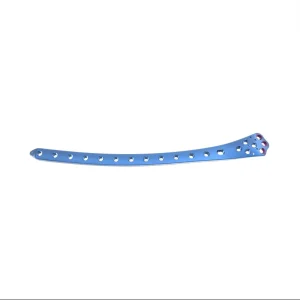
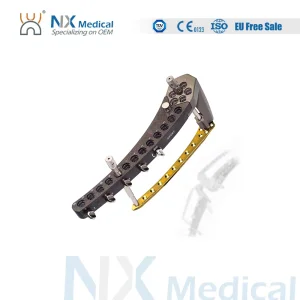
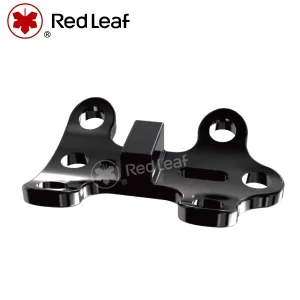
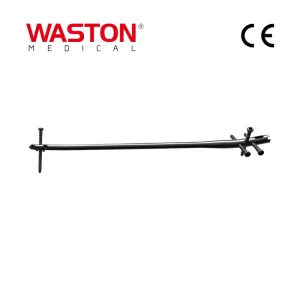
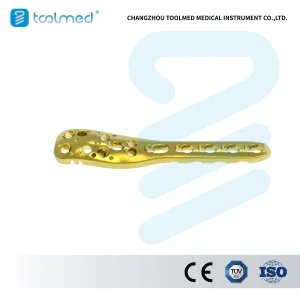
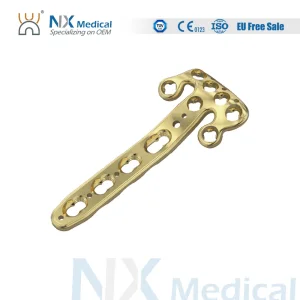
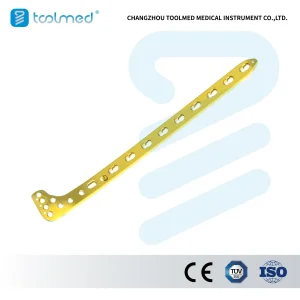
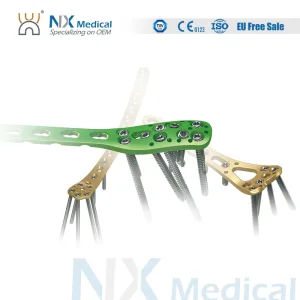
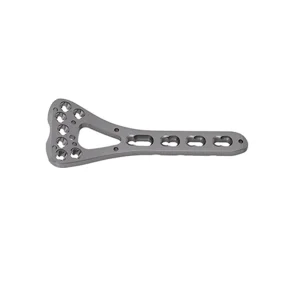
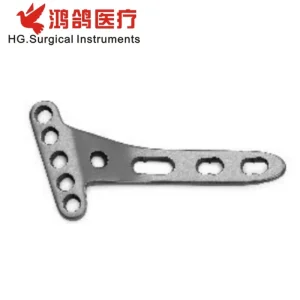
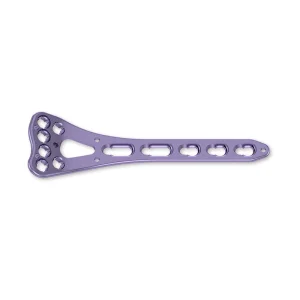
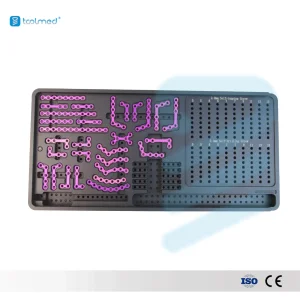
Whether you require custom anatomical locking plate forging, micro-thread CNC lathe machining, or complete instrument set contract manufacturing, MGMT delivers uncompromised quality engineered to ISO 13485 & EU MDR standards.
Send Inquiry Now - Contact Engineering Team