MGMT Orthopedic Implants
MGMT Orthopedic Implants
MGMT Orthopedic Implants
Engineered with state-of-the-art biocompatible materials for long-term tribological performance.
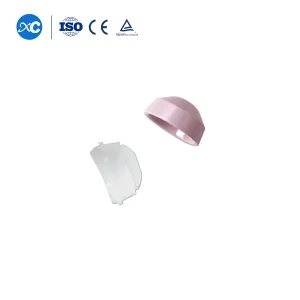
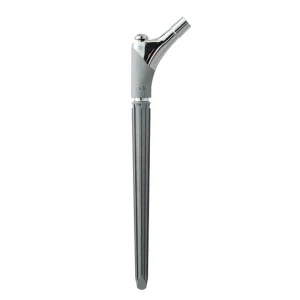
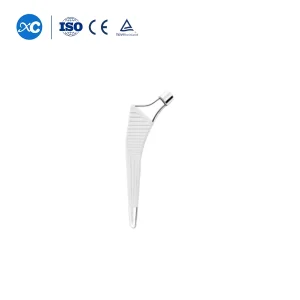
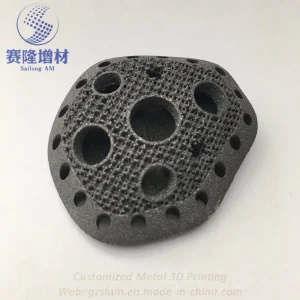
The healthcare landscape in the Republic of Equatorial Guinea is undergoing a rapid technological transformation. Spearheaded by the Ministry of Health and Social Welfare (MINSAMP) and supported by investments in major public-private medical hubs in Malabo and Bata, there is a clear strategic transition from outbound medical tourism toward developing internal surgical autonomy. Total Hip Arthroplasty (THA) and Total Knee Arthroplasty (TKA) represent some of the most critical specialized services required to address localized pathologies, including advanced primary osteoarthritis, post-traumatic joint degeneration, and secondary necrosis.
Equatorial Guinea exhibits a distinct demographic and clinical profile. Due to the high regional prevalence of hemoglobinopathies, particularly sickle cell disease (HbSS/HbSC), orthopedic surgeons frequently encounter severe Avascular Necrosis (AVN) of the femoral head in young adults. Unlike the typical geriatric osteoarthritis patient profile observed in Europe or North America, patients in Central Africa undergoing Total Hip Arthroplasty are often significantly younger, demanding highly durable, tissue-preserving implant solutions.
Recognizing this, procuring departments at institutions such as the La Paz Medical Center in Malabo and the Bata General Hospital require high-integrity cementless titanium alloy implants with specialized porous coatings to facilitate rapid biological osseointegration, ensuring long-term prosthetic survivorship.
Eliminating middle-tier distribution markups in Central Africa through direct factory-to-hospital freight management and regulatory compliance validation.
Every batch of cementless stems and acetabular cups undergoes comprehensive coordinate measuring machine (CMM) testing and raw material traceability audits.
Streamlined logistics routes from our manufacturing bases via international hubs directly to Malabo (SSG) and Bata (BSG) airports.
The global joint reconstruction market demands both extreme biomechanical reliability and pricing models compatible with public healthcare spending caps. Western orthopedic OEMs have historically held a monopoly, resulting in inflated acquisition costs that limit access in developing economies. MGMT has strategically disrupted this paradigm by establishing an ultra-precise contract manufacturing hub in China, delivering identical or superior quality metrics at a highly optimized capital cost.
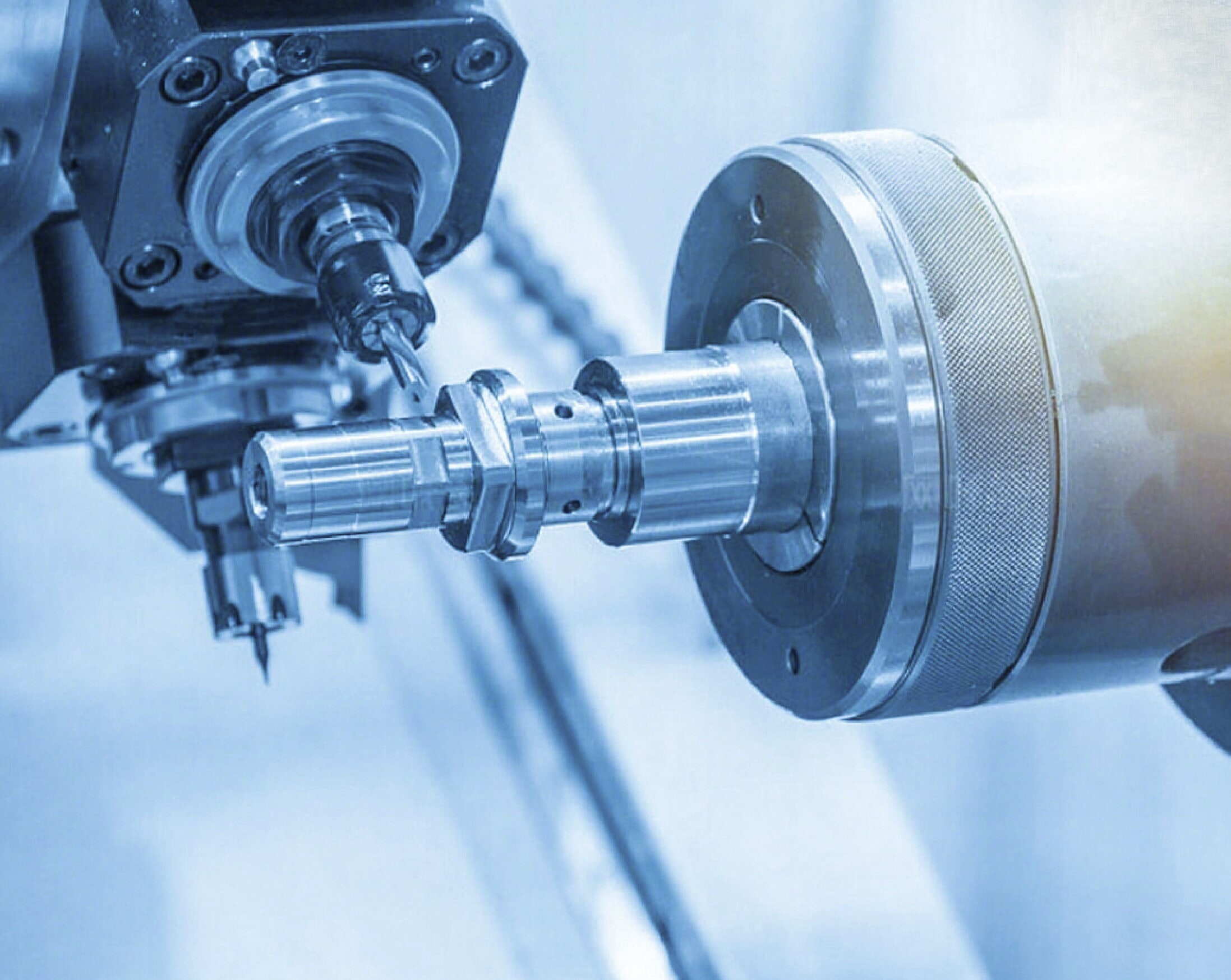
Our facility leverages five-axis Swiss-type CNC milling systems and high-precision grinding lines to process medical-grade Ti-6Al-4V ELI (Extra Low Interstitial) and ultra-high-molecular-weight polyethylene (UHMWPE). By utilizing advanced automated inspection systems, including computer-controlled coordinate measuring machines (CMM) and CCD automated detection, we guarantee that every orthopedic electric saw, bone drill, and implant profile adheres to the strict geometrical tolerances required for surgical compatibility.
Furthermore, China's vast industrial ecosystem allows for rapid prototyping and vertical integration, from raw material ingot certification to final cleanroom packaging. This drastically compresses lead times—ensuring Equatorial Guinea's hospitals can maintain consistent orthopedic implant inventories despite unpredictable global shipping delays.
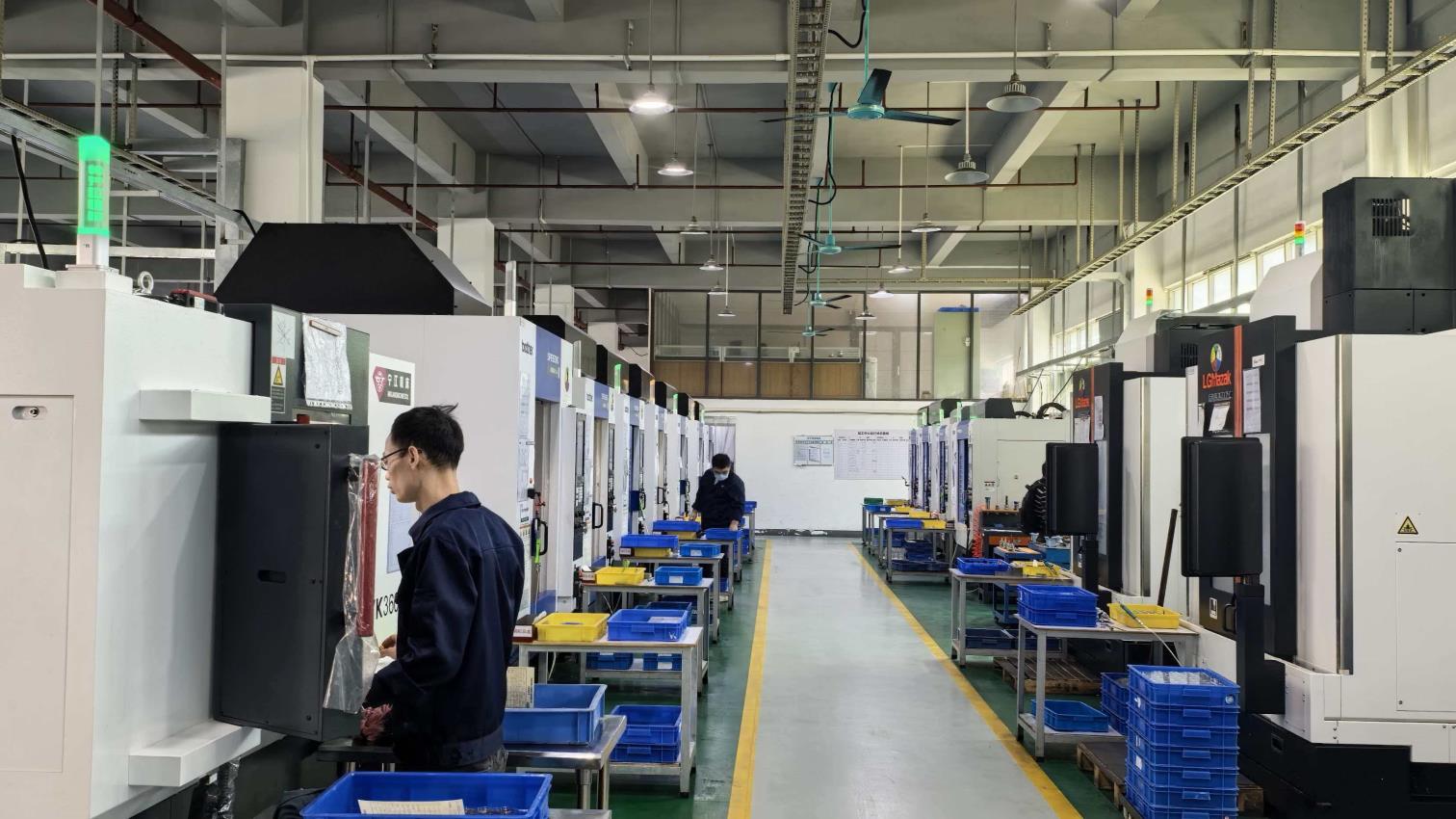
Precision CNC Machining
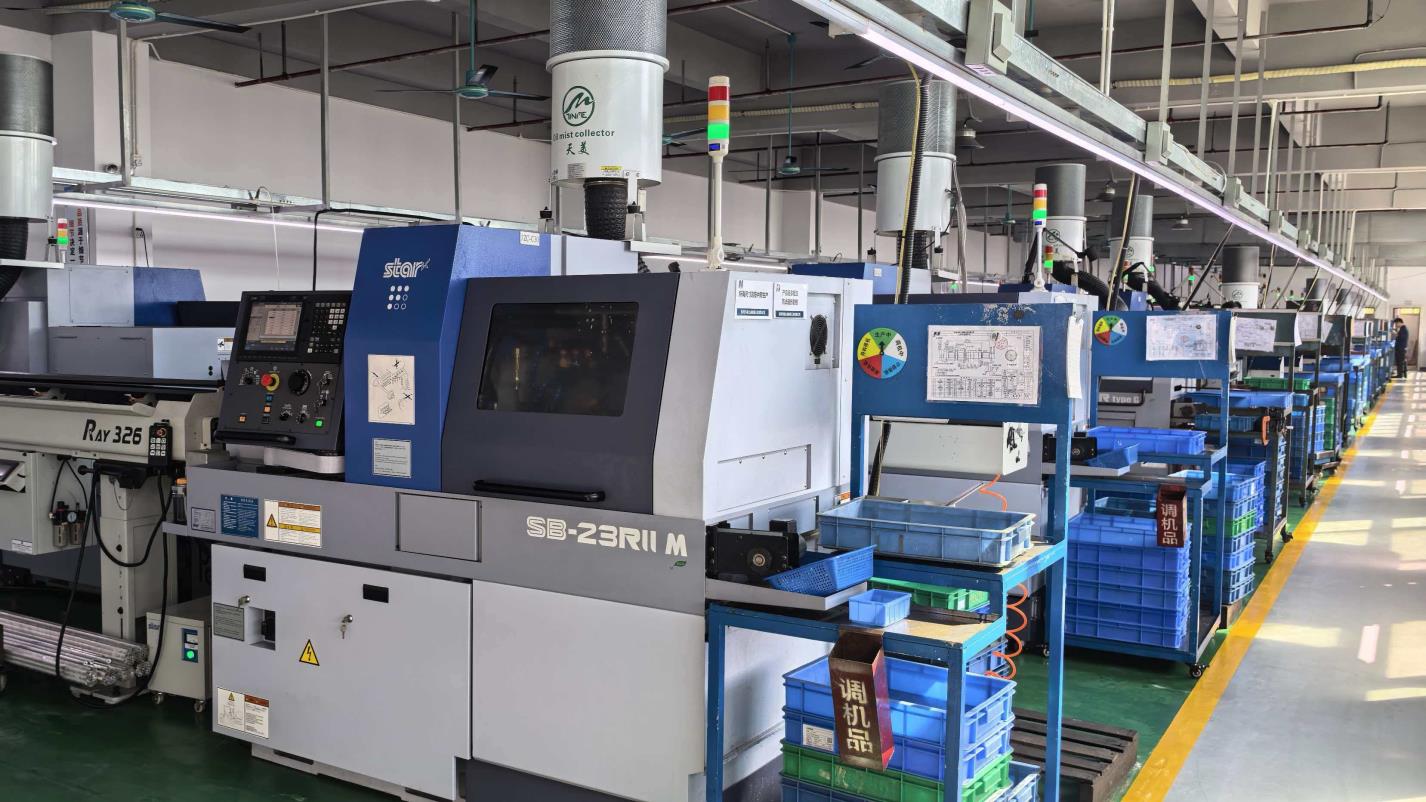
CNC Lathe Processing
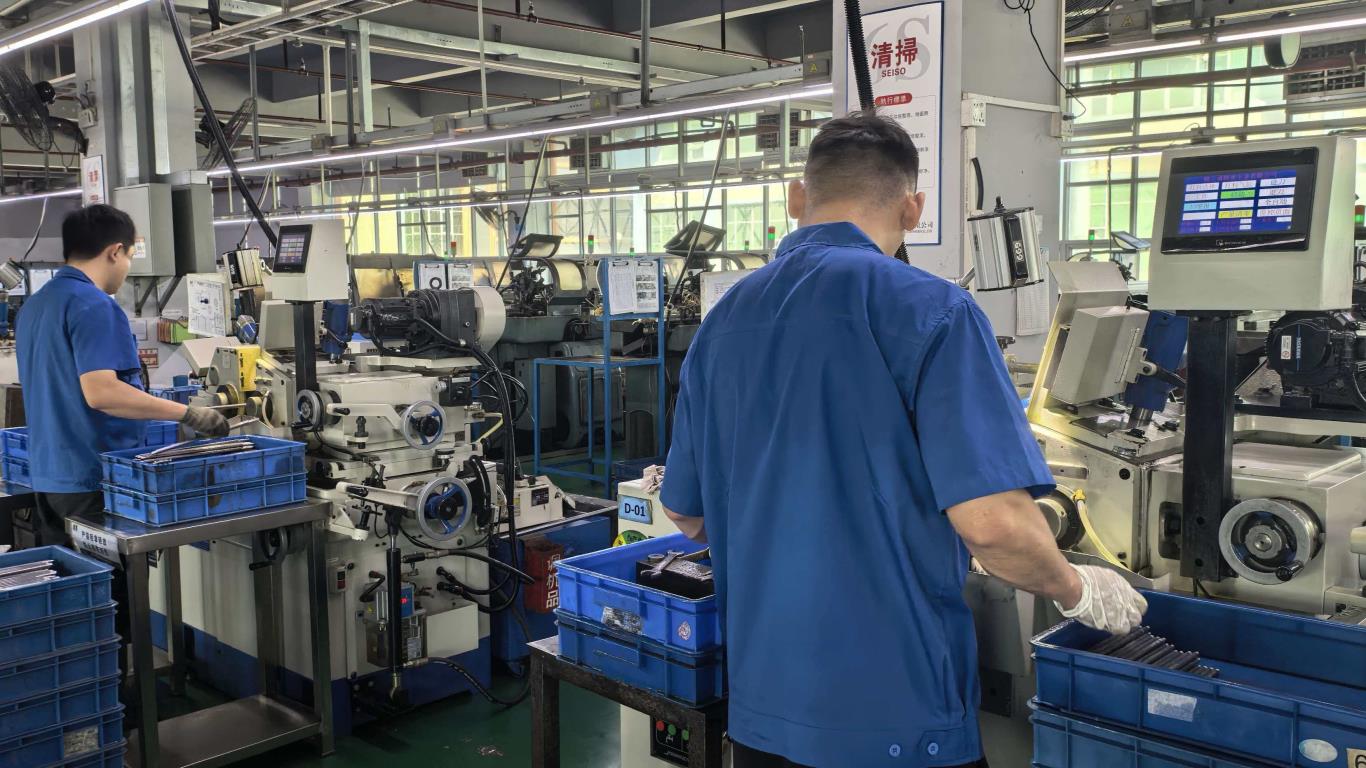
High-Speed CNC Milling
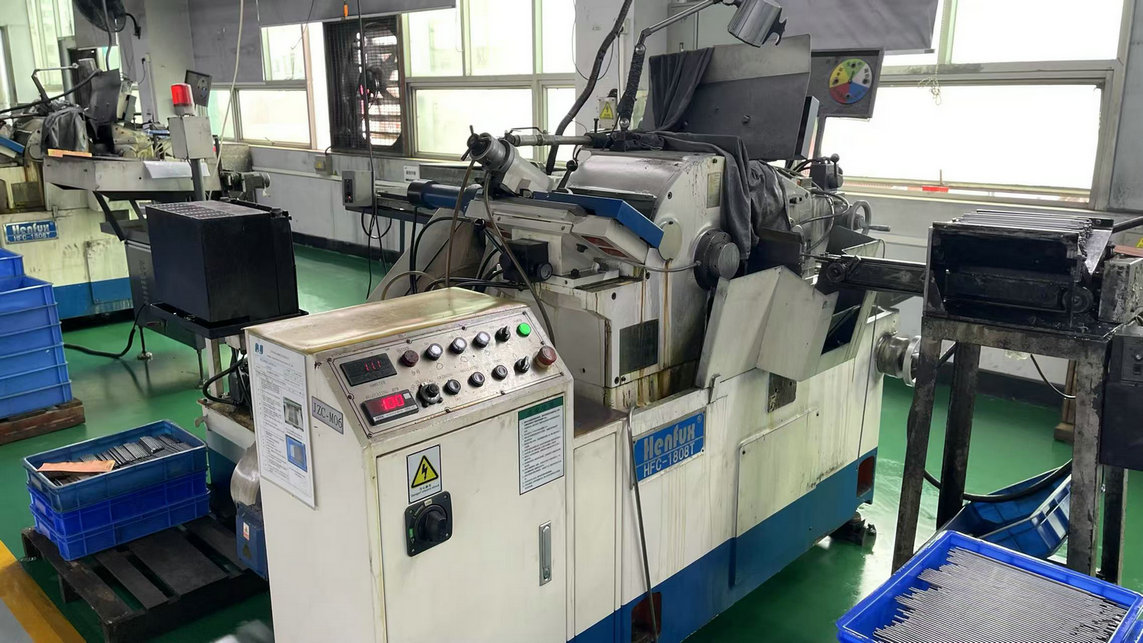
Micro-Grinding & Polishing
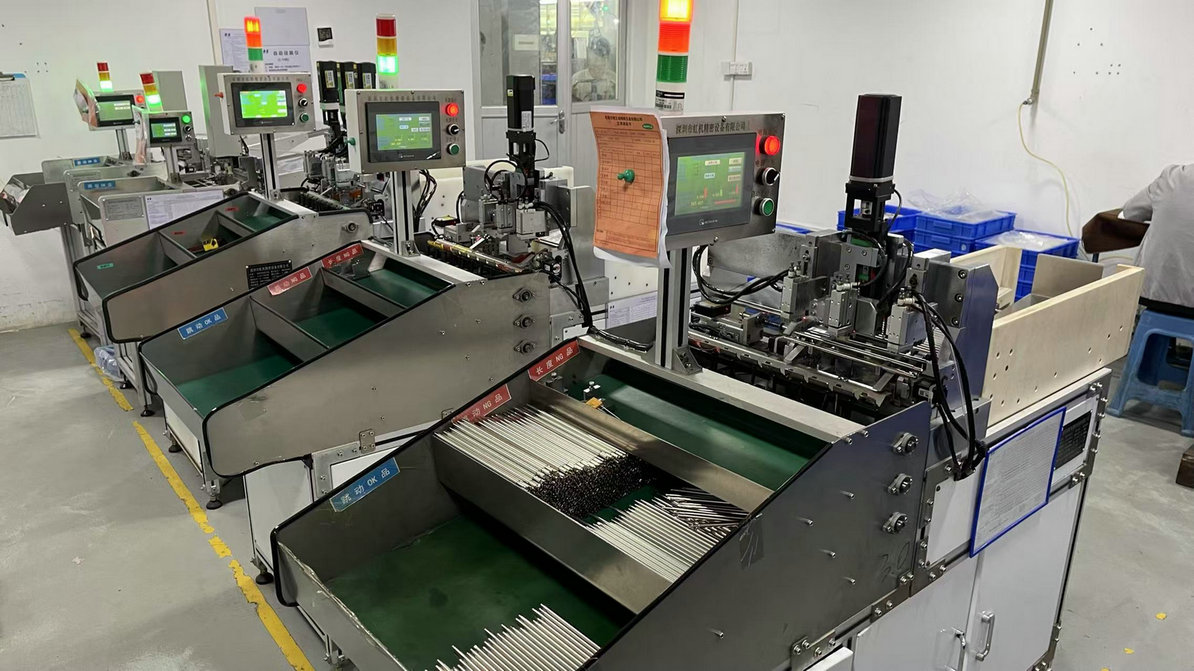
Automated Detection
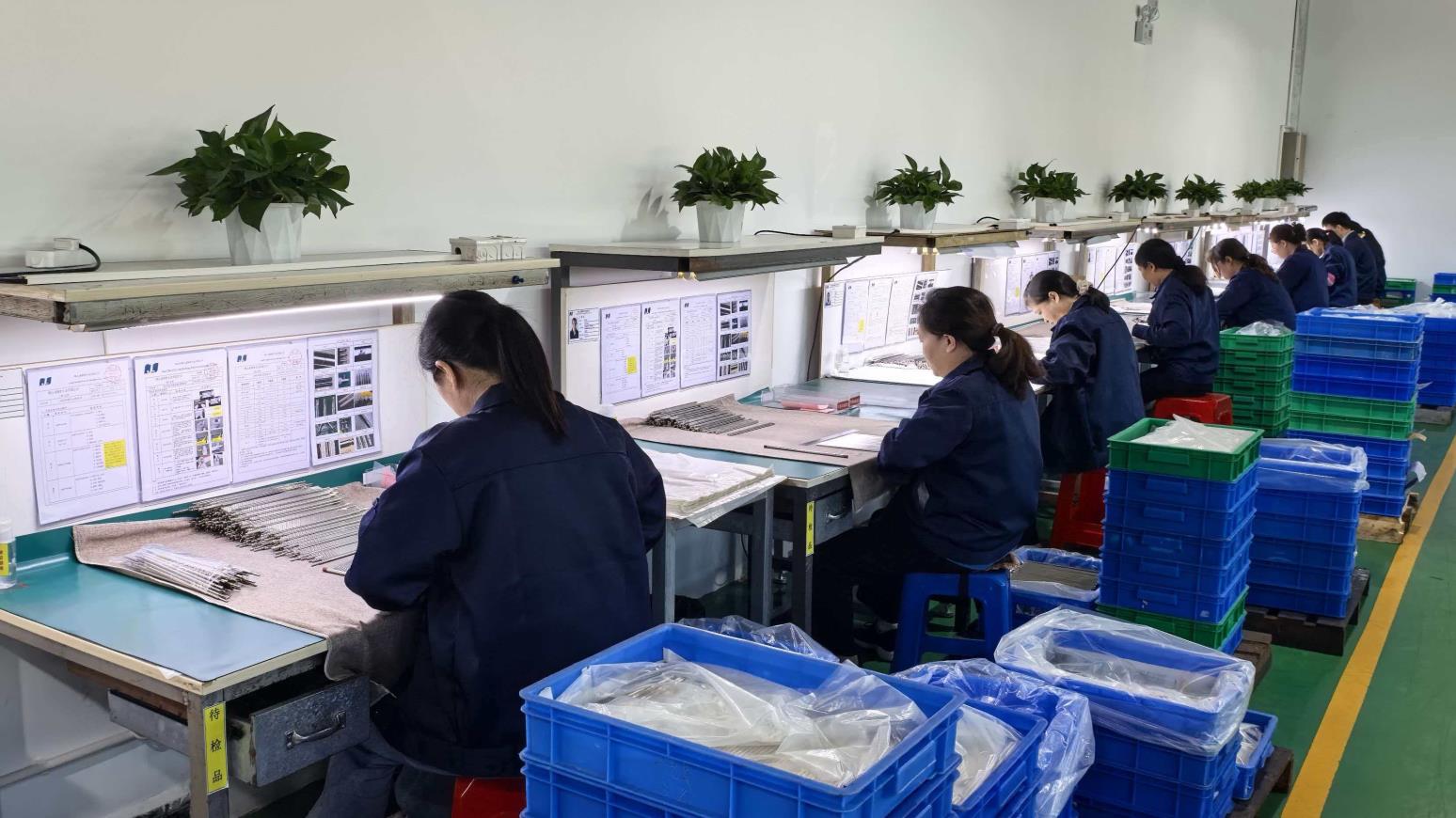
Dimensional QC Verification
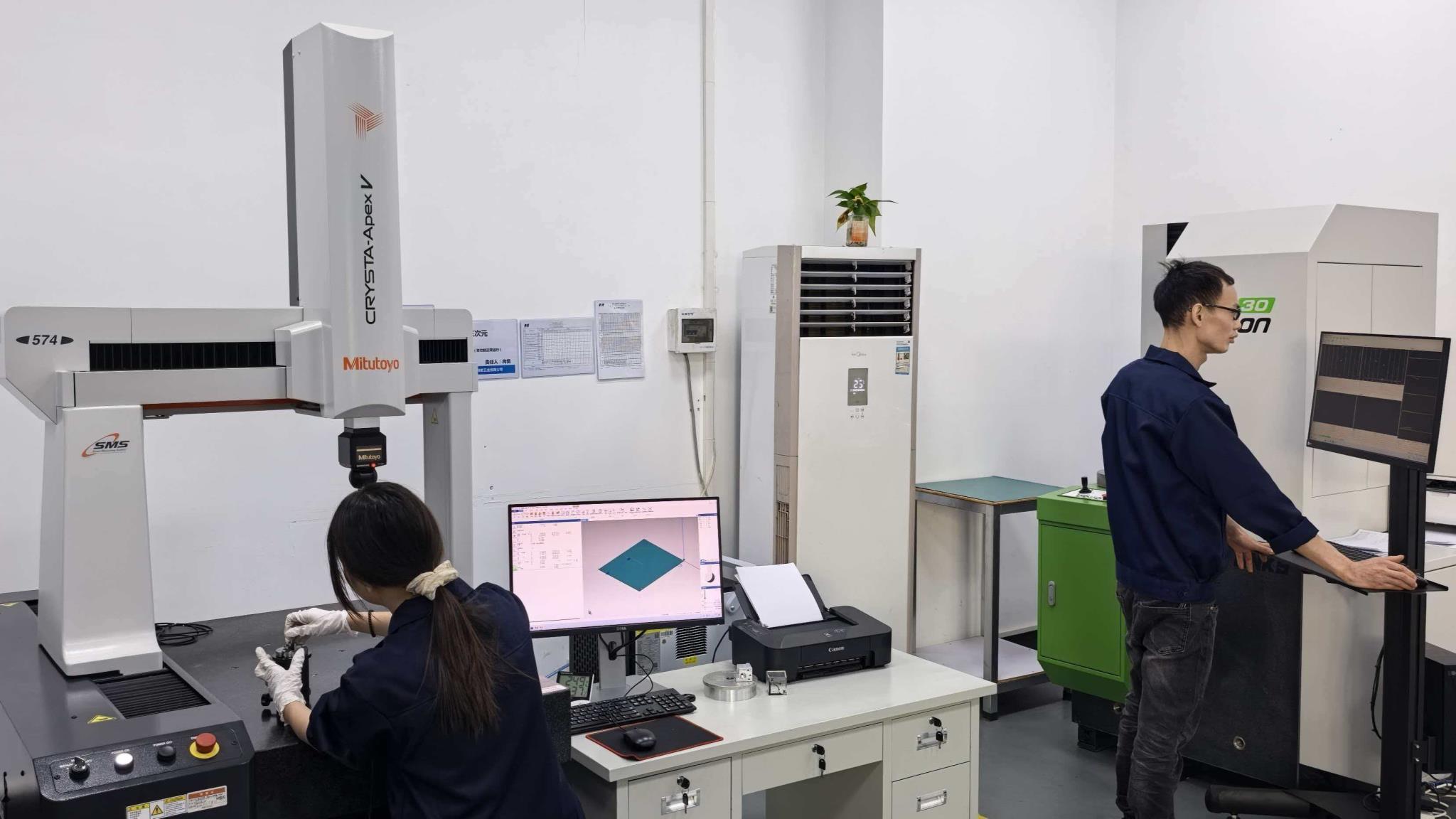
Biomechanical Testing
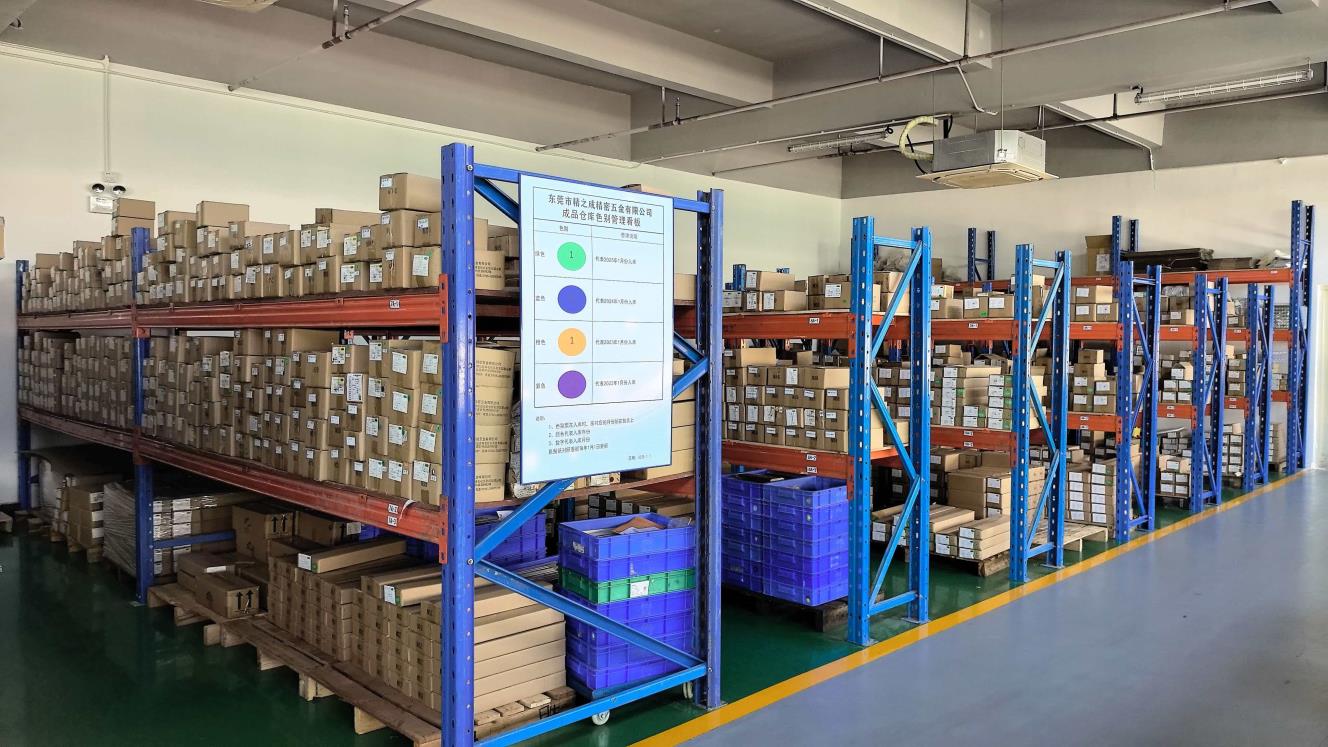
ISO-Certified Storage
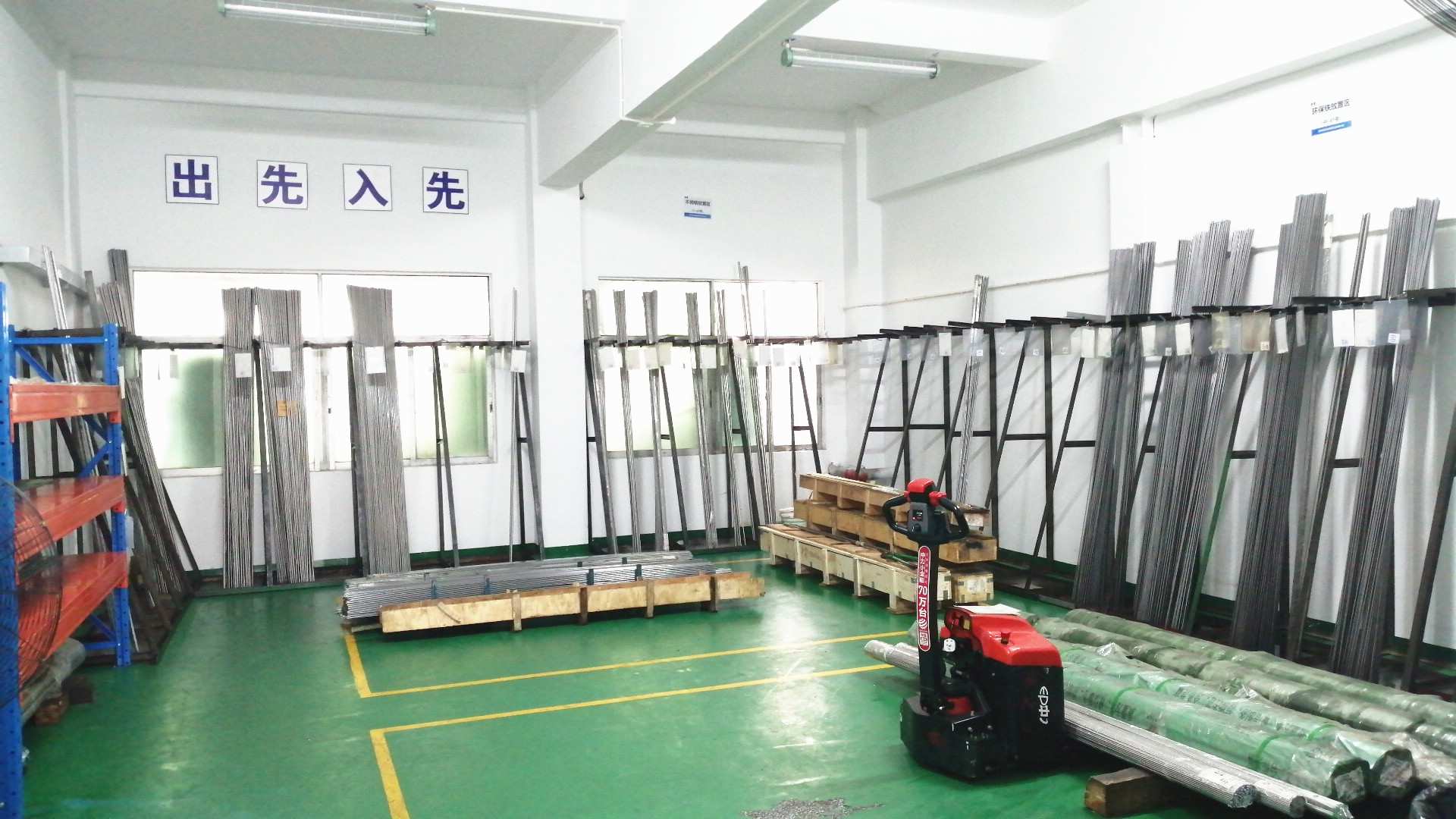
Premium Raw Materials
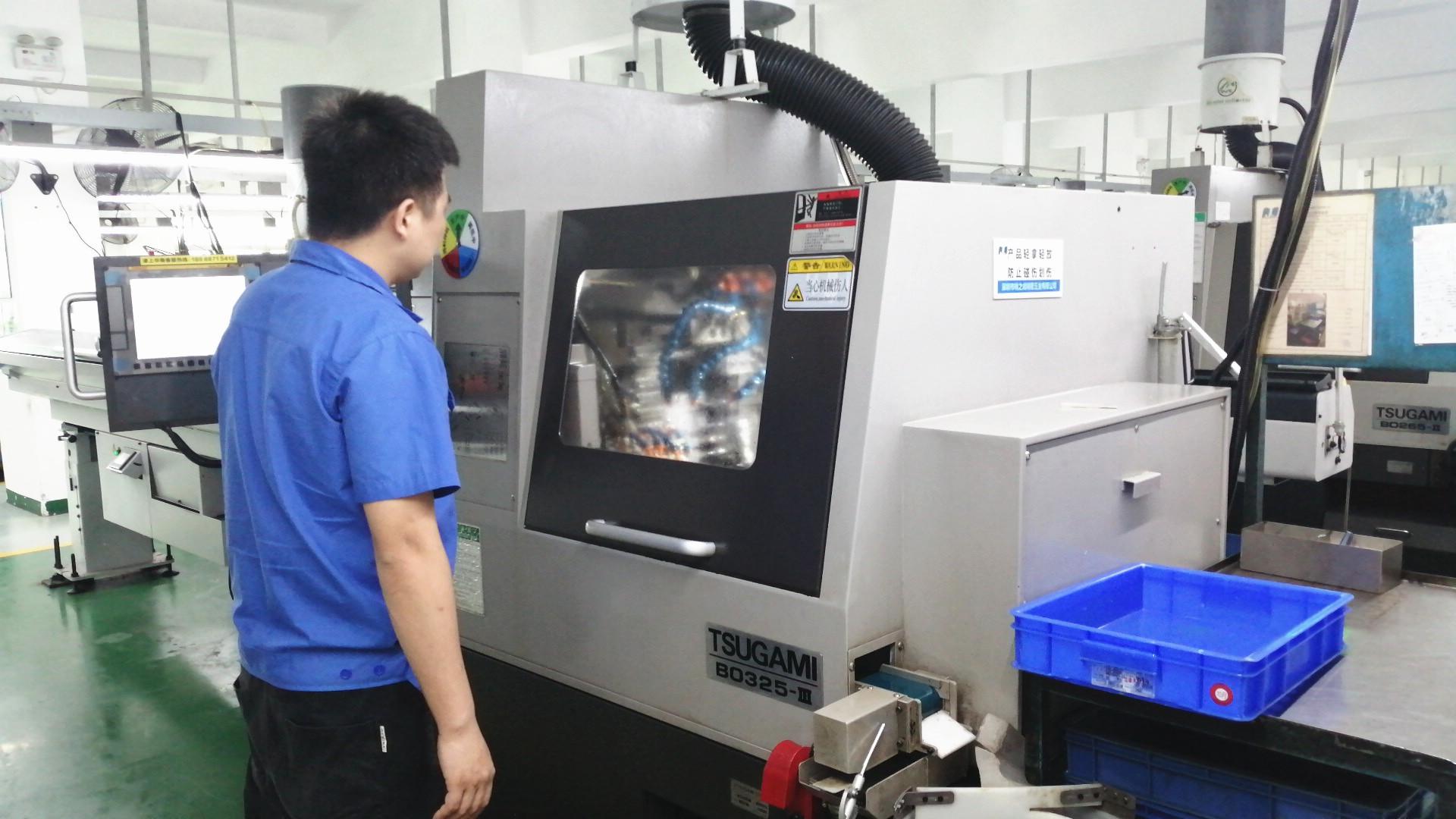
CNC Rough Machining
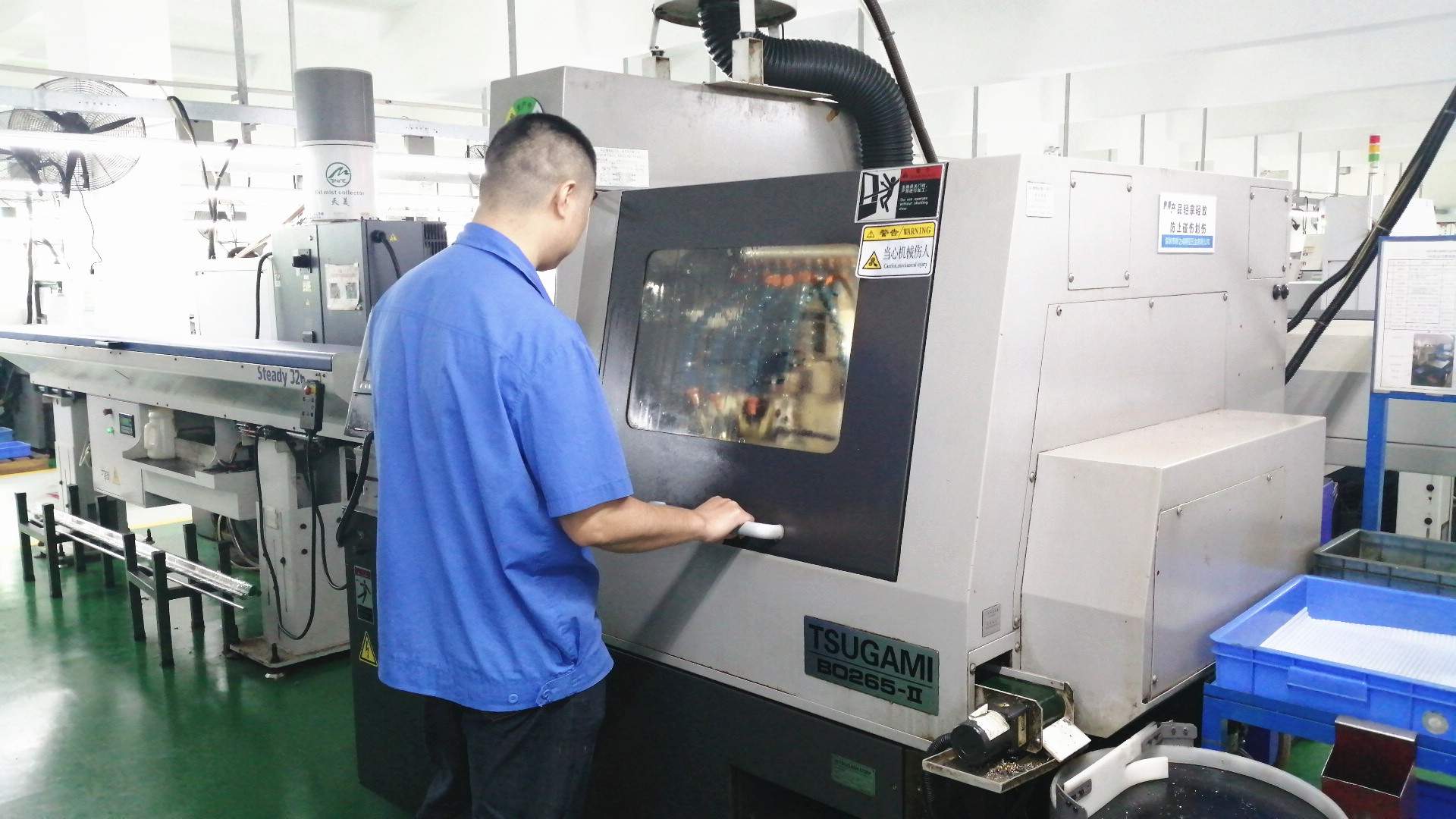
CNC Fine Finishes
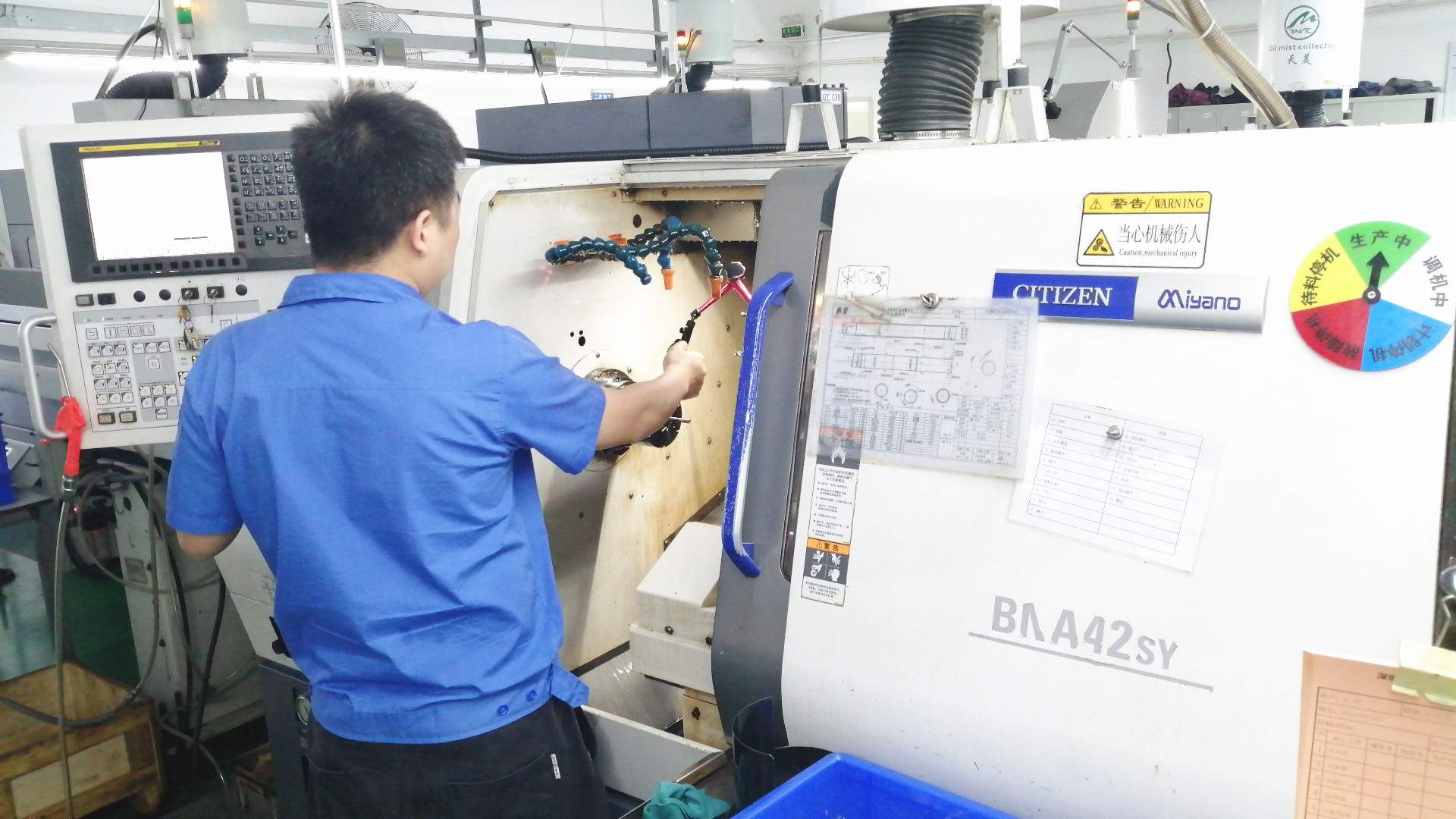
Complex Form Profiling
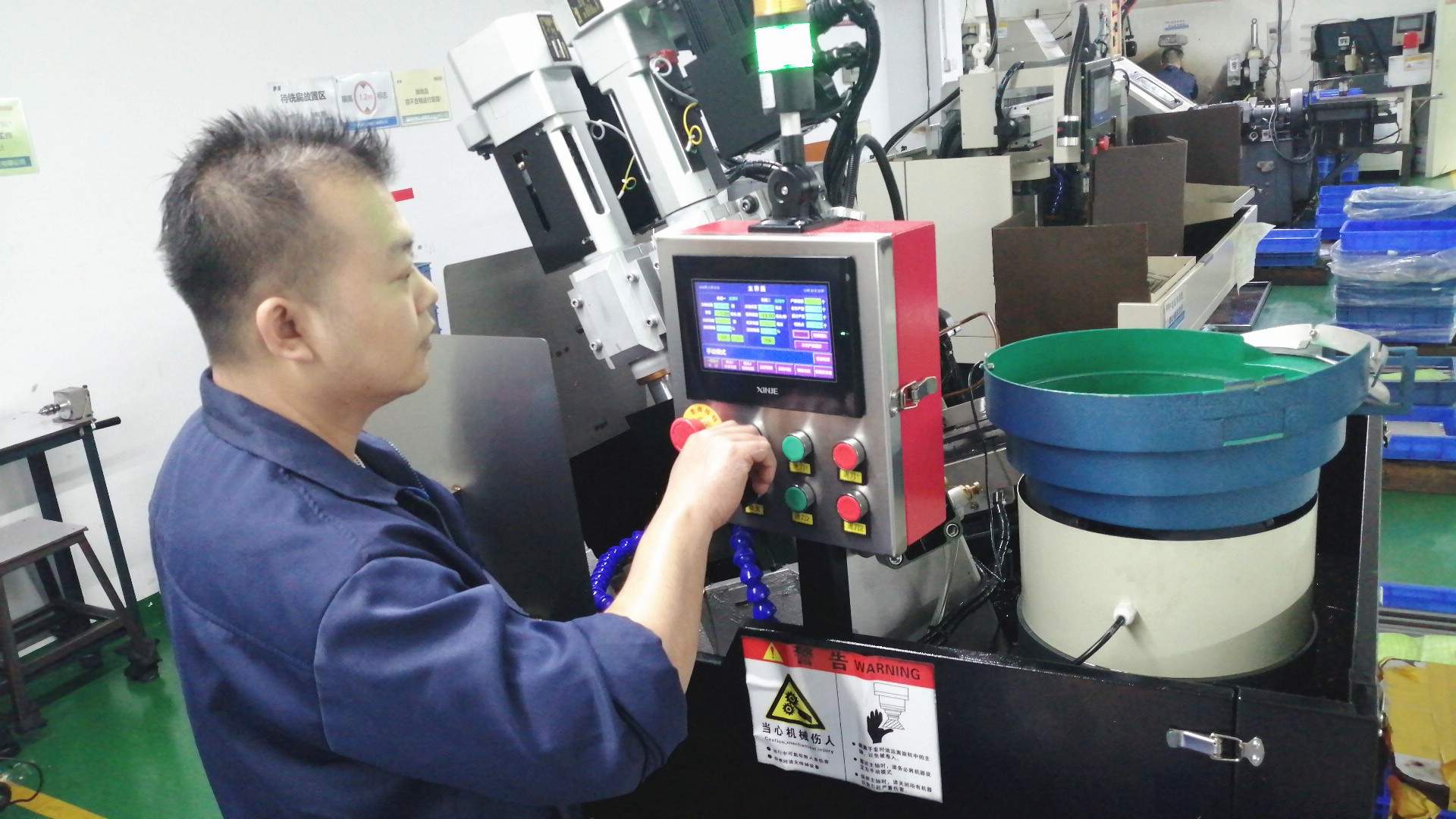
High-Accuracy Threading
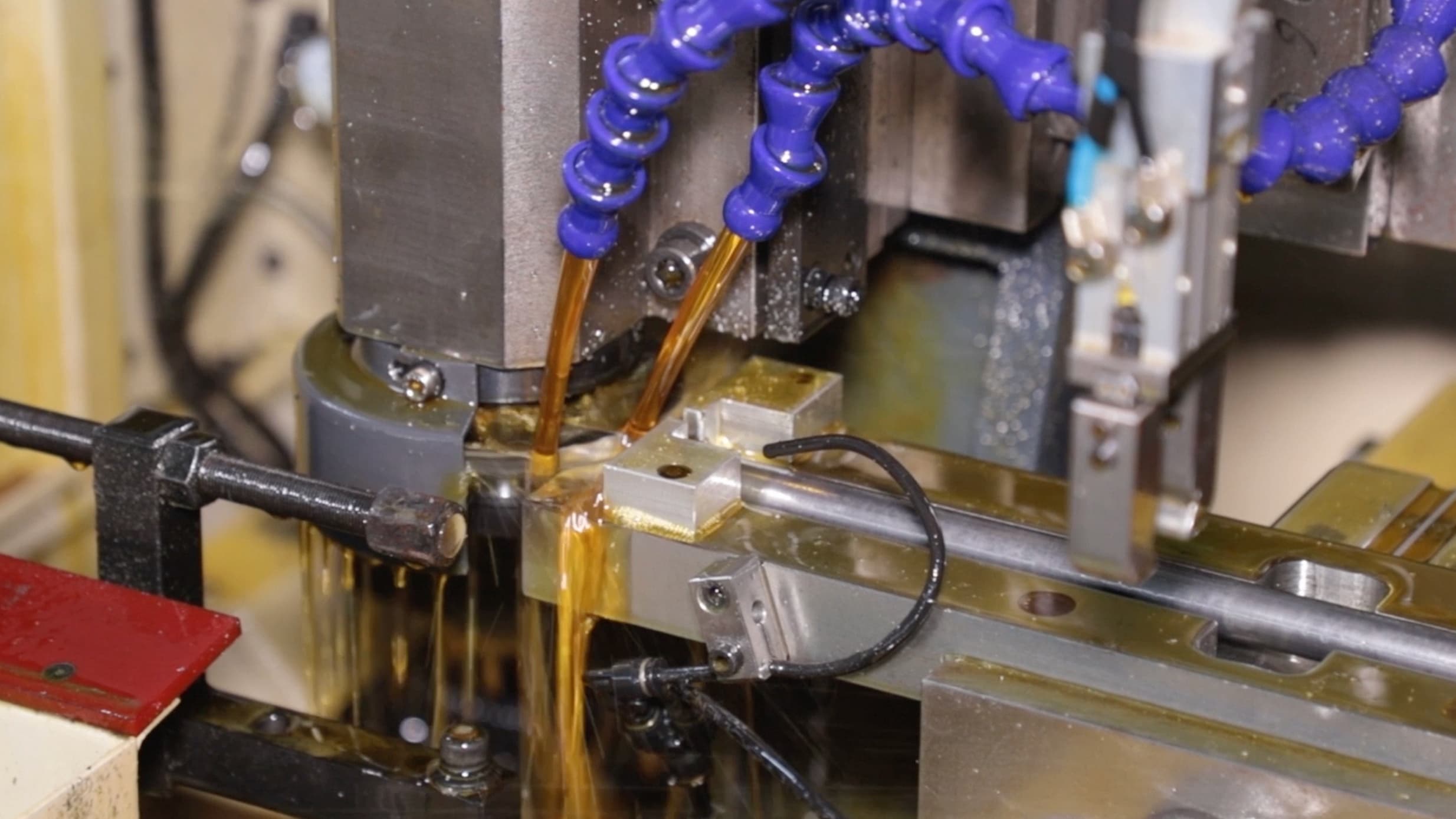
Precision Face Milling
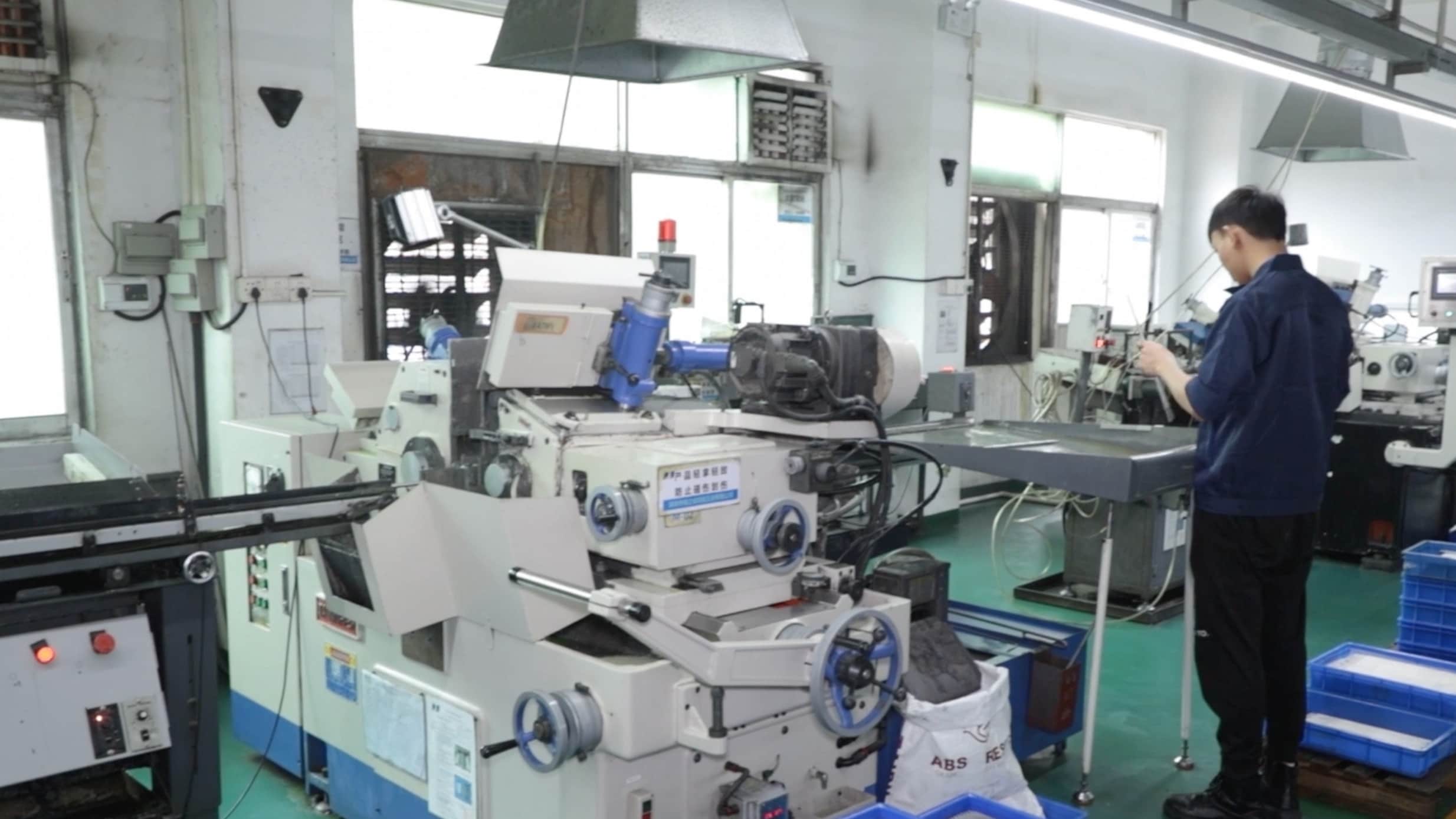
Fine Micro-Grinding
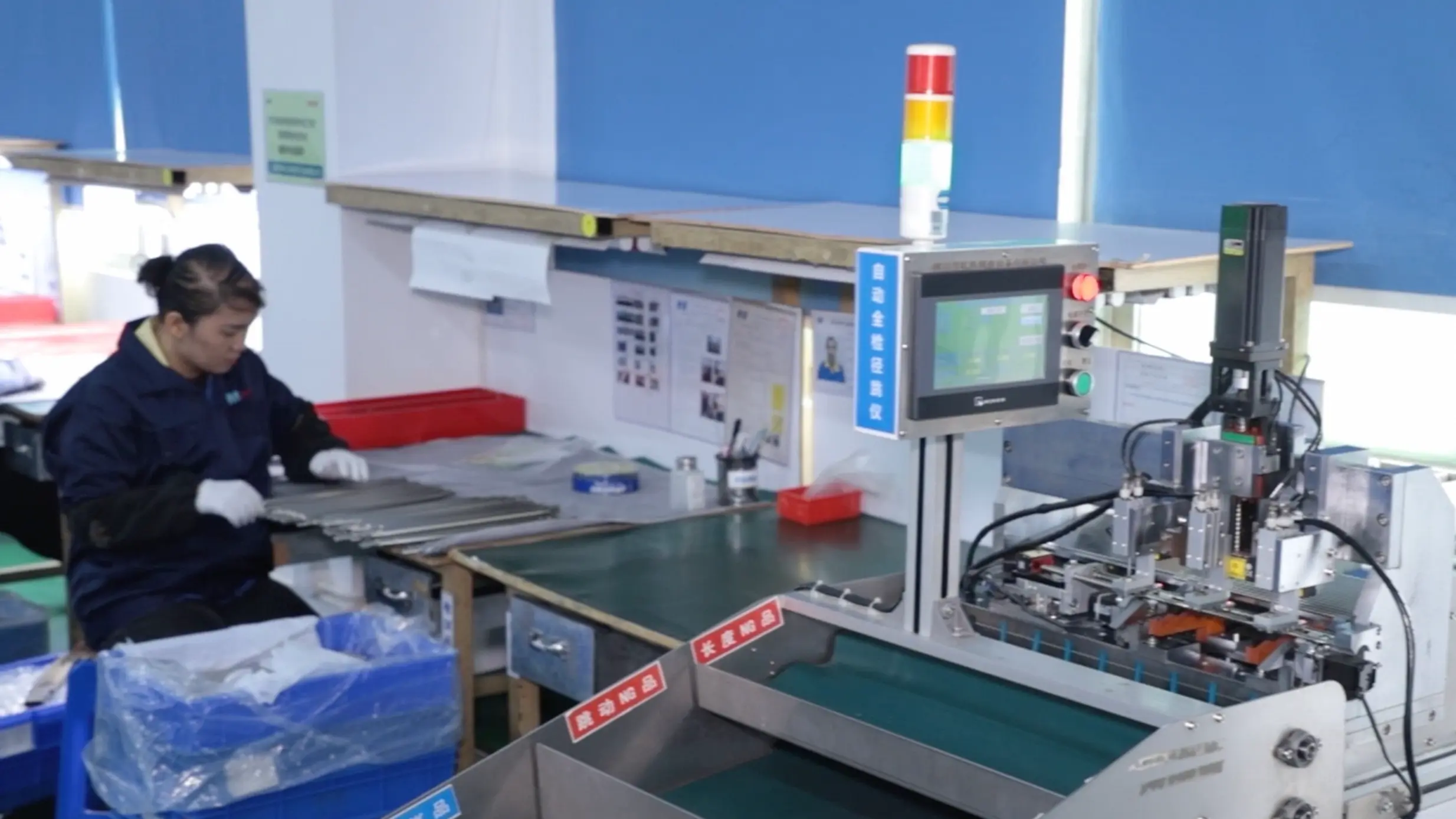
Runout & Eccentricity Testing
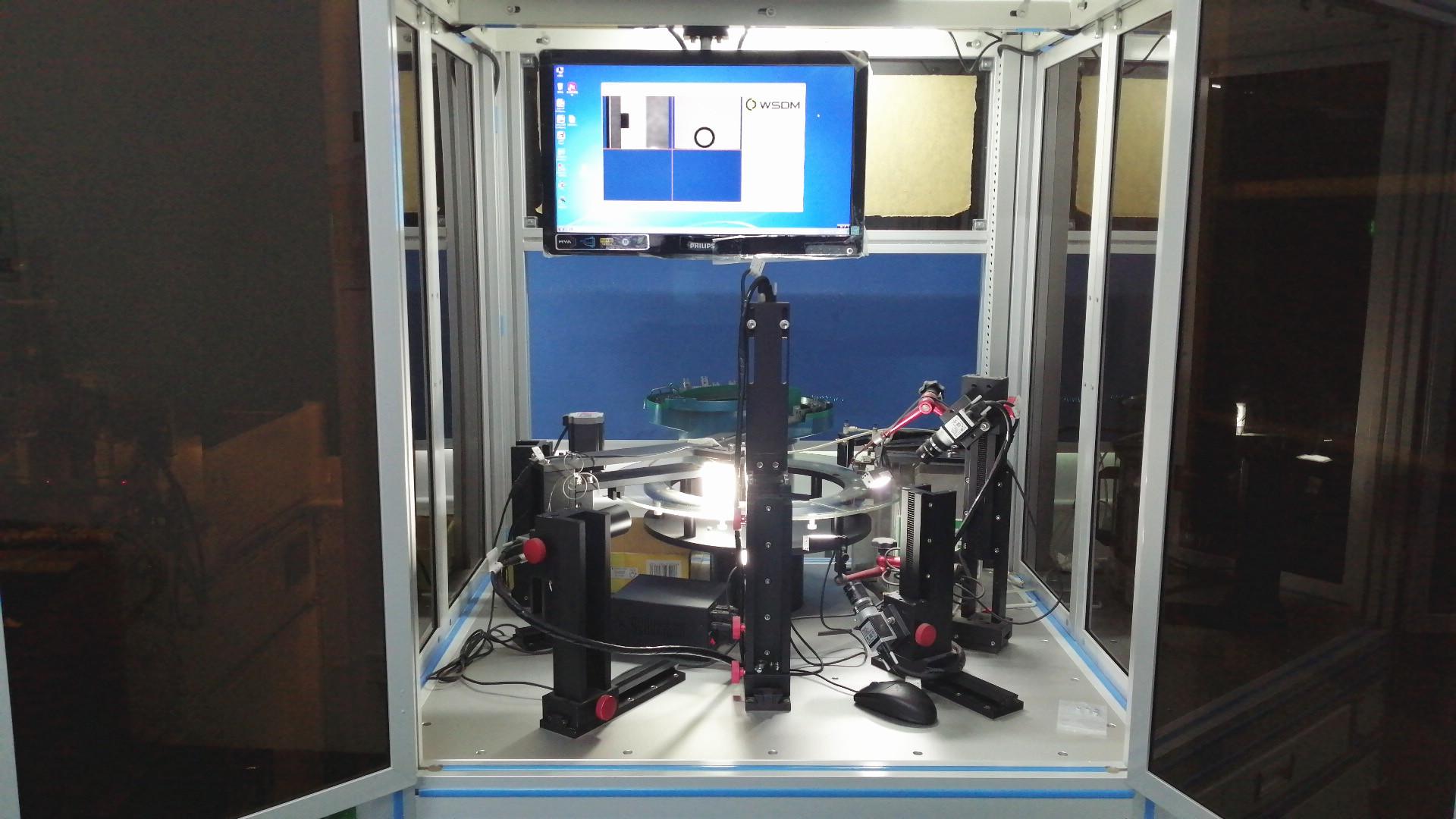
High-Resolution CCD Visual Inspection
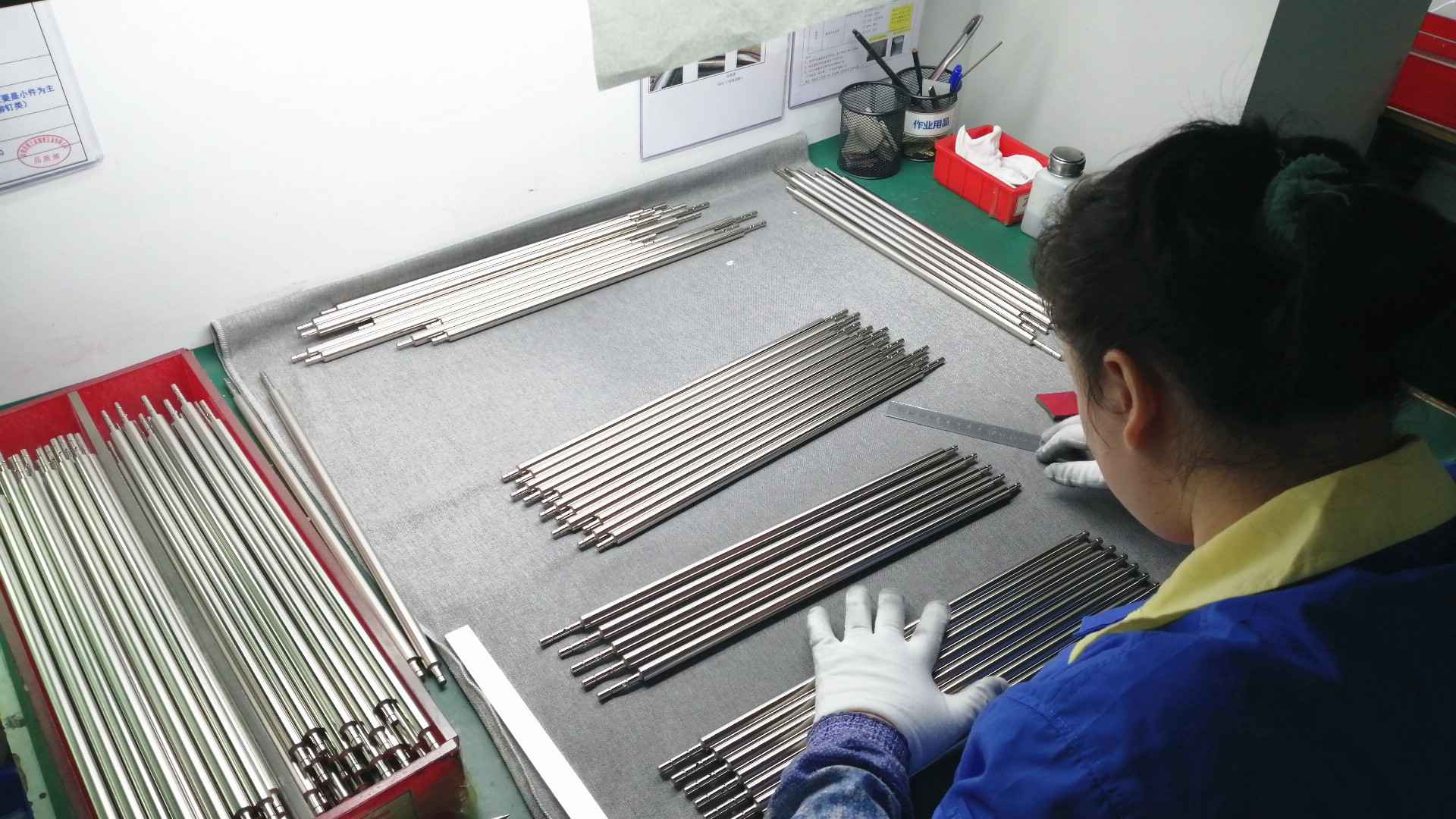
Final Metallurgical & Stress Tolerance Audits
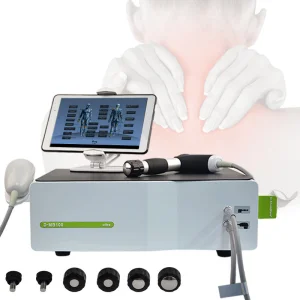
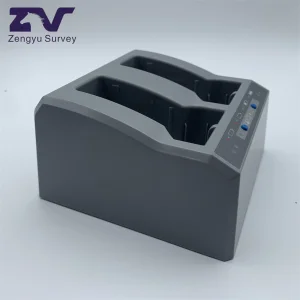
Essential power sources and diagnostic instruments ensuring operational continuity in surgical environments across Equatorial Guinea.
A major epidemiological reality in West and Central Africa is the high incidence of sickle cell anemia. Vaso-occlusive crises block the micro-circulation within the femoral head, leading directly to rapid and painful avascular necrosis. Unlike age-related wear, these patients present with structurally sound acetabular columns but completely collapsed femoral structures, often in their late teens to thirties.
Conventional cemented implants are poorly suited to these younger cohorts because polymer cement interfaces (PMMA) undergo micro-fractures under high physical stress, leading to early osteolysis and premature revision surgery. Our cementless solutions feature a rough, vacuum-sprayed titanium plasma coating or hydroxyapatite (HA) layer that acts as an osteoconductive scaffolding. The patient's natural bone grows directly into the porous surface of the prosthesis, creating a permanent biological weld that withstands decades of active load-bearing.
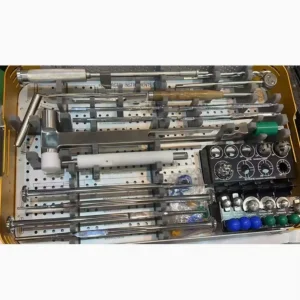
To ensure optimal surgical execution, we supply complete THR Instrument Sets containing trial components, reamers, and electric bone saws specifically sized for varying bone densities and anatomical structures found within Central African patient demographics.
Importing advanced class-III medical devices into Equatorial Guinea requires comprehensive documentation to pass scrutiny by the Dirección General de Farmacia y Medicamentos. MGMT provides a complete technical dossier for every shipment, including:
We work in collaboration with leading air freight forwarding agencies serving Malabo International Airport (SSG) to manage customs clearance efficiently, preventing critical operational delays for surgical departments.
Whether you are a private medical distributor in Malabo, a purchasing manager at a private clinic, or a representative from INSESO (Instituto Nacional de Seguridad Social), we offer scalable contract options:
High-torque surgical drills, precise bone saws, and comprehensive instrument assemblies engineered for complex joint reconstruction.
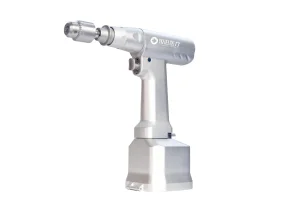
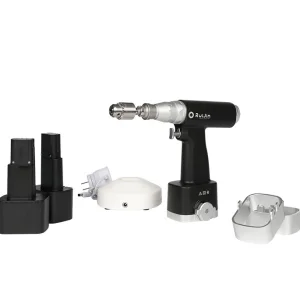
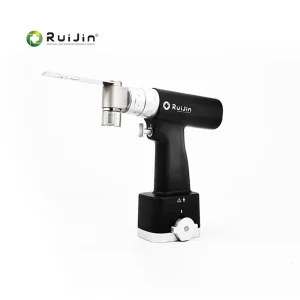
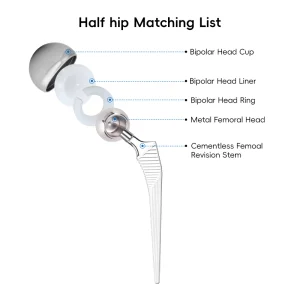
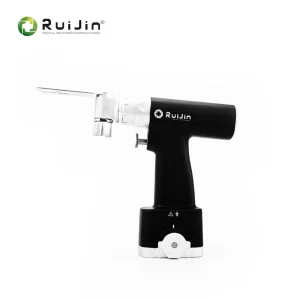
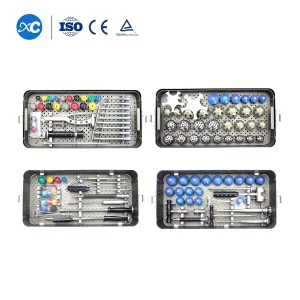
Technical and logistical insights regarding the import and surgical application of Total Hip Replacement components in Equatorial Guinea.
Partner with an ISO 13485-certified OEM/ODM contract manufacturer to deliver top-tier clinical outcomes in Central Africa.