MGMT Orthopedic Implants
The China Import Export Fair, held in 2026, will showcase a variety of innovative products, including Orthopedic External Fixators. These devices play a crucial role in orthopedic surgery, providing stability and support to fractured bones. Attendees will explore numerous options from different manufacturers dedicated to enhancing patient care.
During the fair's various phases, including advanced manufacturing and healthcare, businesses will target specific needs. The introduction of AI tools will simplify the supplier selection process. Buyers can identify vendors with necessary certifications swiftly. However, not every exhibitor will meet expectations, and some may lack quality assurance.
The importance of choosing the right Orthopedic External Fixators cannot be overstated. Participants must pay attention to details like design and material quality. It’s an opportunity for reflection on how these tools evolve. The goal is to improve recovery outcomes in patients. The fair will forge connections and inspire advancements in orthopedic care, but quality and reliability must remain top priorities.
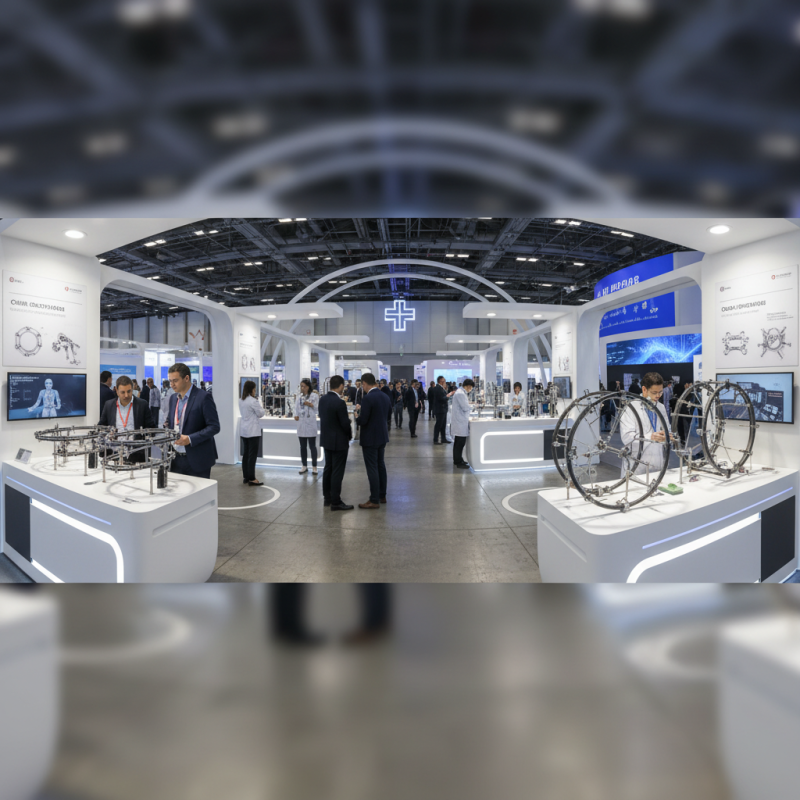
Orthopedic external fixators are crucial in orthopedic surgery. They provide stabilization for fractured bones. In the fast-paced environment of medical advancements, understanding the best options available is vital.
Many fixators offer adjustable features and lightweight materials. They enhance patient comfort while maintaining the necessary support. A well-designed fixator should be easy to use for both doctors and patients. Complex designs can lead to confusion. Simplicity is key in these tools.
Tip: Research the material used in fixators. Not all materials are suitable for every patient. Some might react poorly, which can lead to complications.
The balance between durability and weight is essential. Heavy fixators can hinder movement and recovery. A lighter option may facilitate better healing but could compromise strength. Finding the right trade-off is critical.
Tip: Always consult a professional. They can offer insights on the best fixator for specific cases.
Patient experiences can vary significantly. Some find discomfort in certain types, while others have no issues. Listening to feedback can guide future choices. Remember, innovation should also be user-centric to truly improve outcomes.
When exploring orthopedic external fixators, several key features stand out. These devices stabilize bones and facilitate healing. Their construction often includes durable materials, ensuring reliability. A lightweight design is crucial for patient comfort during recovery. Modular components allow for various configurations based on individual needs.
Tips: Always consult a specialist before selecting a fixator. Understanding your specific condition is essential. Consider the weight and adjustability of the device.
Furthermore, adjustability can ensure the fixator provides optimal support during recovery. Many devices allow surgeons to fine-tune tension easily. This feature can be particularly helpful for complex fractures. However, remember that improper use may lead to complications. Always follow the healthcare provider's guidelines for adjustments.
Another important aspect is the ease of application. A user-friendly mechanism reduces surgery time and enhances patient safety. Devices that can be quickly applied in emergency situations can significantly benefit patient outcomes. Reflect on your choice of fixator. Are you prioritizing all the right features for healing? Make sure your selection aligns with your recovery goals.
The China Import Export Fair is a significant event for orthopedic products. This year, leading manufacturers present innovative external fixators. These devices are crucial for treating bone fractures and stabilizing injuries. They make a difference in patient care, enhancing recovery and outcomes.
Many exhibitors showcase cutting-edge technology. Visitors will find a variety of designs and materials. The manufacturers aim for better performance and patient comfort. However, some products still lack user-friendly features. There are complaints about complicated assembly processes. Feedback from healthcare professionals can guide improvements.
Networking at this fair is essential for driving advancements. Meeting face-to-face creates opportunities for collaboration. Some manufacturers struggle to convey the benefits of their products clearly. Engaging presentations and informative brochures may help. It’s a chance to learn and grow in the orthopedic field.
The market for orthopedic external fixators is evolving rapidly. According to a recent industry report, the global market size was valued at approximately $1.2 billion in 2022. It is expected to grow annually by 5.7%. This growth reflects the increasing demand for safe and effective orthopedic solutions.
Innovations are at the forefront of this evolution. New materials such as carbon fiber and titanium are gaining traction. These materials enhance durability while minimizing weight. However, the shift to these advanced materials comes with technical challenges. Manufacturers must ensure compatibility and effectiveness in different clinical scenarios.
Emerging trends include the rise of smart fixators. These devices incorporate sensors to monitor healing progress. The information can help adjust treatment plans in real-time. However, integration of technology poses data privacy concerns. Further discussions are necessary to address these issues.
When considering the purchase of orthopedic external fixators, several factors come into play. Quality is paramount. Look for materials that ensure durability and reliability. Lightweight yet strong components make a considerable difference in comfort for patients. Be attentive to the design. A good fixator should allow for easy adjustments.
Another crucial element is the ease of use. Surgical teams need tools that minimize time during procedures. Complicated designs may hinder efficiency. Think about the learning curve involved in using a new fixator. Will the staff require extensive training? This question often remains overlooked but is vital for both safety and effectiveness.
Cost also cannot be ignored. While investing in high-quality products is essential, balance it with budget constraints. An expensive fixator may not guarantee better outcomes. Inspect user reviews and feedback, but keep in mind that every experience is unique. Seeking quarterly evaluations can help improve your purchasing decisions over time.
| Type | Material | Weight (g) | Adjustability | Country of Production | Price Range (USD) |
|---|---|---|---|---|---|
| Unilateral | Aluminum | 1500 | Yes | China | 300 - 500 |
| Bilateral | Steel | 2000 | No | China | 500 - 800 |
| Hybrid | Titanium | 1700 | Yes | China | 450 - 700 |
| Circular | Carbon Fiber | 1300 | Yes | China | 600 - 900 |
: They are used to stabilize fractured bones in orthopedic surgery.
Not all materials suit every patient. Some may react poorly, leading to complications.
Heavy fixators can hinder movement, while lighter options may aid healing but can compromise strength.
Look for a balance between comfort, ease of use, and support. Always consult a professional.
No, experiences vary. Some report discomfort, while others feel fine. Feedback is crucial for improvements.
Some products lack user-friendly features, and assembly processes can be complicated, causing complaints.
It creates opportunities for collaboration and innovation in the orthopedic field.
No, some designs can be complex, leading to confusion for doctors and patients alike.
Engaging presentations and clear communication about benefits can help address customer concerns.
Yes, enhancing patient comfort is essential, but it should not sacrifice support and durability.
The article "Best Orthopedic External Fixators at China Import Export Fair" provides a comprehensive overview of the top orthopedic external fixators showcased at the event. It highlights the key features that differentiate the best fixators, such as their innovative designs, ease of use, and effectiveness in stabilizing fractures. Attendees are introduced to leading manufacturers presenting their latest advancements and technologies in orthopedic external fixators, reflecting significant market trends and innovations.
Additionally, the article discusses important considerations for purchasing and using these fixators, emphasizing the need for healthcare providers to be well-informed about materials, application techniques, and patient care requirements. Overall, the piece serves as a valuable guide for medical professionals looking to enhance their understanding of orthopedic external fixators and make informed choices during the fair.