MGMT Orthopedic Implants
Distal Ulna Locking Plates are innovative devices used in orthopedic surgery. They provide stability for fractures in the distal ulna, a key bone in the wrist. These plates help align the bones, facilitating optimal healing.
When a fracture occurs, proper alignment is crucial. Distal Ulna Locking Plates achieve this through a unique locking mechanism. This ensures that screws remain secure, minimizing the risk of complications. Surgeons appreciate their design for both stability and ease of use.
However, challenges exist. Not every patient responds the same way to this treatment. Some may experience complications, leading to additional surgical procedures. This variability highlights the need for thorough pre-operative assessments. Understanding each case is essential for successful outcomes. Distal Ulna Locking Plates represent a significant advancement, yet they require careful consideration.
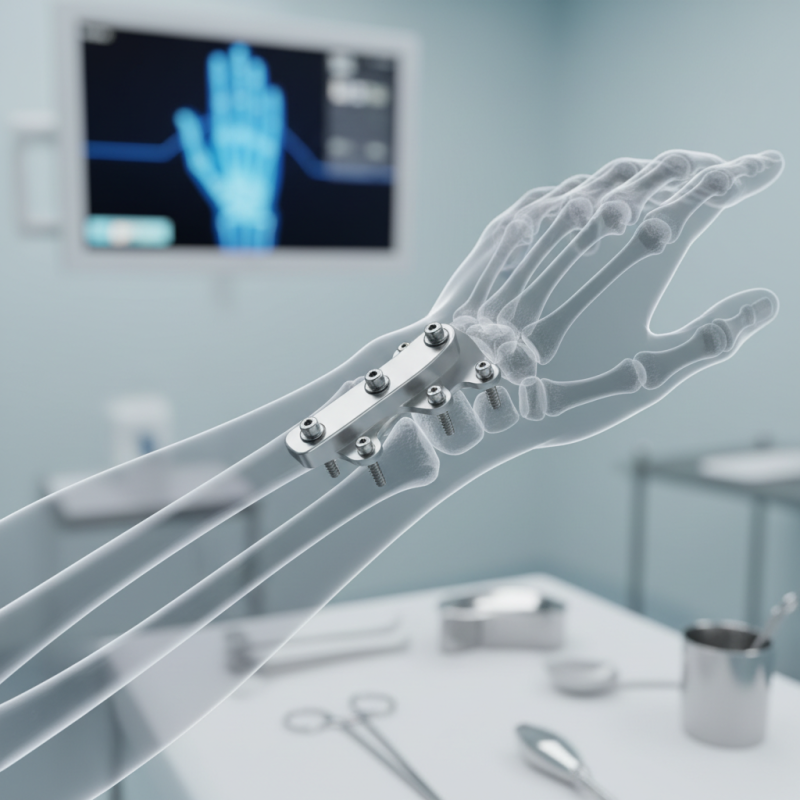
Distal ulna locking plates are specialized surgical implants. They are used in wrist surgeries, especially for fractures. These plates are designed to stabilize the distal ulna bone, which is located near the wrist. Proper alignment is crucial for healing.
When a patient suffers an injury, the distal ulna plate is implanted to hold the bone fragments in position. This provides support during the healing process. The locking mechanism of these plates ensures a secure fit. Screws lock into the plate, minimizing movement. This promotes better recovery outcomes.
The design of distal ulna locking plates is critical. They are shaped to contour closely to the bone, allowing for a snug fit. This design can greatly improve the stability of the wrist. However, sometimes the fit may not be perfect. Surgeons must carefully assess the alignment during the procedure.
An imperfect fit could lead to complications or prolonged recovery. It's vital to monitor the healing progress closely after surgery.
The distal ulna is a crucial part of the forearm's anatomy. This bone plays a significant role in wrist stability and movement. Understanding its structure helps us appreciate how injuries can affect daily activities. It connects with the wrist joint, allowing complex motions. The distal ulna also provides attachment points for ligaments and tendons. This anatomy is vital for grip strength and coordinated movements.
Injuries to the distal ulna can lead to pain and dysfunction. Fractures or arthritis can dramatically alter one’s quality of life. Patients often struggle with simple tasks, like holding objects. The complex relationship between the ulna and surrounding structures is key to rehabilitation. Surgeons must carefully assess each injury to determine the best treatment. Surgical options may include the use of locking plates to provide stabilization. These plates offer a secure method to restore function, yet recovery can vary greatly among individuals. Overall, understanding the distal ulna helps in managing related injuries effectively.
Distal ulna locking plates are innovative tools used in orthopedic surgeries. Their primary purpose is to provide stable fixation for distal ulna fractures. Understanding their mechanism of action is crucial for proper application.
These plates use locking screws that create a fixed-angle construct. This design ensures that the screws do not loosen under stress. Research indicates that this stability can improve healing rates. A study showed that patients with locking plate fixation experienced a 20% faster recovery compared to traditional methods. This can significantly impact patient outcomes.
Tips: Ensure proper alignment during installation. Misalignment can lead to complications. Proper placement of the plate is essential for optimal results. Always consider patient-specific anatomy. Customized approaches can enhance effectiveness.
Some challenges remain. Surgeons must be skilled in using these plates. Inexperienced hands may lead to suboptimal results. Continuous training is vital. Feedback from previous surgeries can guide improvements. Learning from mistakes can advance surgical techniques.
Distal ulna locking plates are essential tools in orthopedic surgery, especially for wrist injuries. These plates stabilize fractured bones at the distal ulna. Surgeons often opt for them due to their specific design. They provide fixed-angle stability, allowing for precise positioning of the bone fragments.
Indications for using distal ulna locking plates include complex fractures, previous surgeries, or inadequate healing from other treatment methods. Patients suffering from trauma or degenerative diseases may also require these plates. Proper assessment is crucial to determine if a locking plate is suitable. Inadequate evaluation might lead to complications.
Tips: Always consult with a specialized orthopedic surgeon for personalized advice. Understanding your condition is vital. Approach recovery with care and patience. Focus on rehabilitation exercises as directed. This ensures better outcomes post-surgery. Remember, every patient has unique needs. Adjust treatments accordingly for optimal recovery.
Post-operative care after the installation of distal ulna locking plates is crucial for recovery. Patients often face swelling and discomfort in the initial days. Ice packs can help reduce swelling. It's essential to elevate the arm as much as possible, aiming for comfort and rest.
Physical therapy usually begins a few weeks after surgery. Patients might feel anxious about moving the arm again. Gentle range-of-motion exercises are vital, but it’s important not to overdo it. Finding the right balance between activity and rest can be challenging. Some patients may experience moments of frustration as progress can be slow.
During recovery, watching for any signs of infection is essential. Redness or increased pain might indicate a problem. Keeping the incision site clean plays a significant role in overall healing. A support system can make a big difference. Friends or family can help remind patients to follow their rehabilitation routines. Listening to one’s body during this recovery phase is key, even if it means taking a step back at times.
: The distal ulna is an important bone in the forearm. It helps with wrist stability and movement.
Understanding its structure can explain how injuries affect daily tasks. It plays a role in grip strength.
Fractures and arthritis can lead to pain and dysfunction. This impacts simple activities like holding objects.
They assess the injury and may recommend surgery. Locking plates can stabilize fractured bones.
These plates are used for complex fractures and inadequate healing. Proper evaluation is necessary before use.
Post-operative care is crucial. Swelling and discomfort can occur in the early days.
Using ice packs and elevating the arm are effective. Rest is important for healing.
Therapy begins weeks after surgery. Gentle exercises improve movement but require caution to avoid overexertion.
Watch for redness or increasing pain at the incision site. This may indicate infection or other problems.
Follow rehabilitation routines and listen to their bodies. A support system can encourage adherence to recovery plans.
Distal Ulna Locking Plates are specialized surgical devices designed to provide stable fixation for fractures or injuries to the distal ulna, a key bone in the forearm. Understanding the anatomy of the distal ulna is crucial, as this area plays a significant role in wrist and forearm movement. The mechanism of action involves the locking plate system which secures the bone fragments together, allowing for proper healing while preserving joint function.
These plates are indicated for use in various surgical procedures involving distal ulna fractures, particularly when traditional fixation methods may not be sufficient. Post-operative care and rehabilitation are essential components of the recovery process, ensuring that patients regain strength and mobility in the affected area. Through proper application and follow-up, Distal Ulna Locking Plates can effectively enhance recovery outcomes for individuals with ulna-related injuries.
