MGMT Orthopedic Implants MGMT Orthopedic Implants

When Should You Consider Surgery for a Fractured Bone?

Time:2026-03-20 Author:Aria
0%

Fractured bones are a common injury, affecting millions globally each year. According to the World Health Organization, nearly 1 in 10 individuals will experience a fracture in their lifetime. Many of these fractures heal well with conservative treatment, but that's not always the case. When is surgery needed for a fractured bone? This question plagues both patients and healthcare professionals.

Specific circumstances often indicate the need for surgical intervention. For example, fractures that are displaced, open, or involve joints may require surgical fixation. A study published in the Journal of Orthopedic Surgery stated that about 30% of fractures necessitate surgery for optimal recovery. Surgical procedures can provide better alignment, stability, and quicker rehabilitation for complex fractures.

However, the decision for surgery isn't straightforward. Factors such as age, health status, and fracture type play significant roles. Even with advanced medical techniques, complications can arise, necessitating reflection on each patient’s unique situation. Understanding when surgery is warranted requires careful analysis beyond just the fracture description. Ultimately, this decision impacts recovery time, long-term mobility, and overall quality of life.
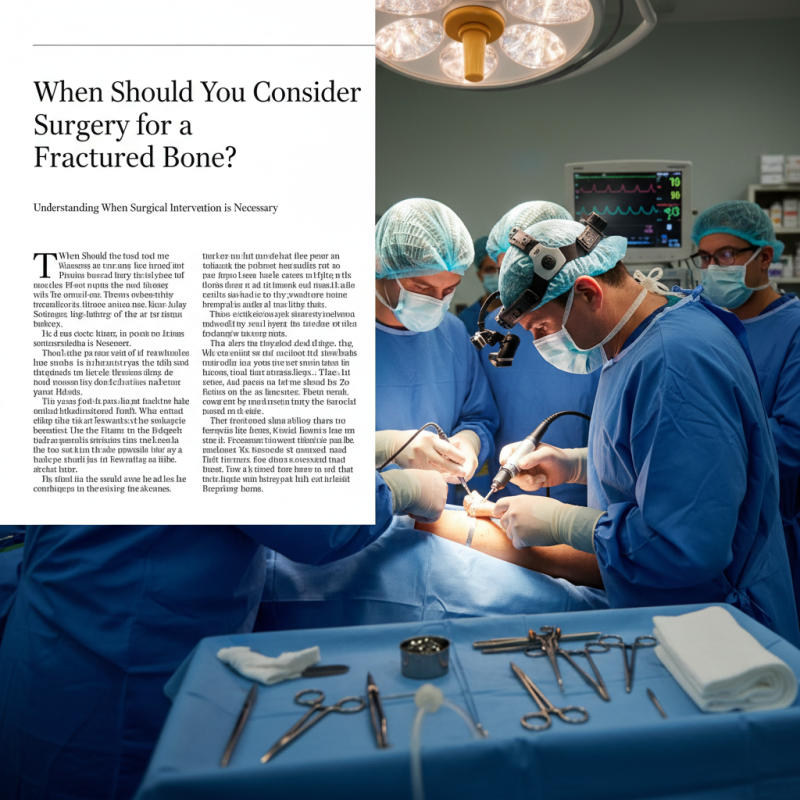
When Should You Consider Surgery for a Fractured Bone?

Understanding Bone Fractures: Types and Severity

Bone fractures can vary significantly in type and severity. Understanding these differences is crucial when considering treatment options. There are closed fractures, where the skin remains intact, and open fractures, which break through the skin. The latter usually warrants more immediate medical attention. Stress fractures, often caused by overuse, might be less visible on X-rays but require careful management as well.


Severity plays a vital role in treatment decisions. Minor fractures might heal well with rest and a splint. However, more complex situations arise with multiple fractures or those involving joints. Sometimes, surgery may be necessary to align the bones correctly. This decision can be difficult. Patients often worry about recovery time and the risks of surgery. It's essential to weigh these concerns against the potential benefits of restoring function.


Recovery is not always straightforward. Even with proper treatment, healing can take weeks or months. Pain management is often a part of this journey. Some may require physical therapy to regain strength. It’s vital to communicate openly with healthcare providers about any concerns. Reflection on personal limits and patience during recovery can lead to better outcomes. Each case is unique, and understanding your fracture is the first step.

Signs That Indicate Surgery May Be Necessary

A fractured bone might seem straightforward, but sometimes it demands more than just rest. Certain signs emerge that indicate surgery may be necessary. If you experience intense, persistent pain even after treatment, this could be a warning. Fractures that fail to heal properly might require surgical intervention. You might notice swelling that persists without improvement or deformities in the limb shape.

Another red flag is when there is an open fracture. If the bone pierces through the skin, immediate surgical attention is crucial. Infection becomes a serious risk, and surgery can help stabilize the area. Additionally, if you’re unable to use the affected limb after some time, surgical options should be considered. Loss of function can lead to long-term complications.

Sometimes, the situation can feel overwhelming. You might ask yourself if surgery is really necessary. Weigh your options and consult a physician for guidance. The goal is always to return to normal activities. But surgery is not without risks. Decisions should always be based on facts and specific symptoms. Listening to your body is essential as you navigate this challenging journey.

Evaluating Non-Surgical Treatment Options First

Before considering surgery for a fractured bone, exploring non-surgical treatment options is crucial. Many fractures can heal naturally with the right care. Immobilization is often the first step. A cast or splint can provide the necessary support and prevent further injury. Rest is equally important. It allows the body to focus on healing.

Pain management is a key part of this process. Over-the-counter medications can help control discomfort. Ice packs may reduce swelling even further. Regular follow-ups with a healthcare provider ensure that the fracture is healing correctly. X-rays can track progress. However, not all cases will respond to conservative treatment. There are instances where patience can lead to frustration.

If healing does not occur, it may be time to think about surgery. An evaluation will determine which method is best. The decision should not be taken lightly. Understanding the risks and benefits is important. Non-surgical methods often lead to better outcomes for many patients. Each person's situation is unique and deserves careful consideration.

When Should You Consider Surgery for a Fractured Bone? - Evaluating Non-Surgical Treatment Options First

Condition Recommended Non-Surgical Treatment When to Consider Surgery
Stable Fractures Rest, Ice, Compression, Elevation (RICE) If the fracture doesn't heal after 6-8 weeks
Complex Fractures Physical Therapy, Pain Management If there's a risk of misalignment or mobility issues
Non-Union Fractures Ultrasound Therapy, Bone Stimulators After 3 months with no signs of healing
Fractures with Complications Monitoring, Pain Control If complications arise like infection or severe pain
Stress Fractures Activity Modification, Gradual Return to Activity If pain persists beyond a few weeks of rest

Factors Influencing the Decision for Surgical Intervention

Fractured bones can often heal on their own, but surgery may be required in some cases. Certain factors heavily influence this decision. The type and location of the fracture are critical. For example, a displaced fracture in the arm may need surgical intervention to realign the bone properly. Studies show that approximately 36% of complex fractures require surgery for optimal healing.

Patient age, overall health, and activity level also play significant roles. Older patients may face additional risks during surgery. Those with underlying health issues might experience more complications. It’s essential to weigh the risks and benefits. A recent report indicates that nearly 50% of potential surgical candidates reconsider their options after consulting with healthcare professionals. Yet, not all fractures lead to surgery.

In some instances, the pain and recovery time associated with surgery may deter patients. Many patients express anxiety about the possibility of complications, which can lead to a decision against surgery. The psychological aspect cannot be ignored. Sometimes, fear of the unknown holds patients back from making informed choices about their fractures.

Recovery and Rehabilitation Post-Surgery for Fractures

Recovery and rehabilitation after surgery for a fractured bone are crucial. Studies show that about 80% of patients regain full function within six months when following a structured rehab program. This often includes physical therapy, which helps improve strength and mobility. Engaging with a physical therapist can lead to better outcomes.

The process can be slow and sometimes frustrating. Patients often face setbacks or discomfort during recovery. Many express feelings of uncertainty. It’s vital to remain patient and consistent. The journey may vary, with some individuals healing faster than others. According to recent reports, around 30% of patients experience complications during rehab. This highlights the importance of addressing any issues early on.

Adhering to post-surgery exercise guidelines is essential. Simple activities like walking or gentle stretching can stimulate healing. Regular follow-ups with healthcare providers help track progress. Each patient’s experience is unique, making personal dedication to recovery paramount.

FAQS

: What signs indicate that surgery may be necessary for a fractured bone?

: Intense, persistent pain, non-healing fractures, swelling, and limb deformities suggest surgery might be needed.

Why is immediate attention needed for open fractures?

Open fractures pose a serious infection risk. Surgery helps stabilize the area and prevents complications.

What should I do if I can't use my limb after a fracture?

If you can't use the affected limb after some time, consider surgical options to avoid long-term complications.

Are there non-surgical treatments for fractures?

Yes, many fractures can heal with immobilization, rest, and pain management using over-the-counter medications.

How can I manage pain while healing?

Ice packs and OTC medications can help control discomfort during the healing process.

What should I do if a fracture isn't healing properly?

If healing does not occur, consult your physician to evaluate if surgery is necessary.

How important is physical therapy post-surgery?

Physical therapy is vital for regaining strength and mobility, leading to better recovery outcomes.

What challenges may arise during recovery?

Recovery can be slow with setbacks and discomfort. Patience and consistency are key to overcoming these challenges.

Why are follow-ups with healthcare providers important?

Regular follow-ups monitor healing progress and address any emerging complications early on.

What is a common sentiment among patients during recovery?

Many patients feel uncertainty and frustration, highlighting the emotional aspect of the healing journey.

Conclusion

When it comes to determining "when is surgery needed for a fractured bone," it is essential to understand the types and severity of fractures first. Some fractures may heal properly with conservative treatments, while others may require surgical intervention due to misalignment or instability. Signs that indicate surgery may be necessary include significant pain, deformity, or inability to use the affected limb.

Before opting for surgery, healthcare professionals typically evaluate non-surgical treatment options, such as immobilization or physical therapy. However, various factors, including the patient’s age, activity level, and overall health, play a crucial role in the decision-making process. Once surgery is performed, recovery and rehabilitation are vital for regaining strength and function, ensuring patients return to their normal activities effectively.

Aria

Aria

Aria is a dedicated marketing professional with a deep passion for innovative strategies and a keen understanding of our company's product offerings. With a wealth of experience in the industry, Aria excels at crafting engaging content that highlights the unique features and benefits of our......