MGMT Orthopedic Implants MGMT Orthopedic Implants

What is Tibial Plateau Locking Plates Advantages and Uses?

Time:2026-03-30 Author:Charlotte
0%

In recent years, the use of Tibial Plateau Locking Plates has gained traction among orthopedic surgeons. This innovative fixation method addresses complex fractures, facilitating enhanced stability during recovery. A comprehensive report by the Global Orthopedic Device Market indicates that the demand for advanced fixation solutions like Tibial Plateau Locking Plates is projected to grow significantly, with a CAGR of 5.4% through 2025.

Dr. Emily Carter, a renowned orthopedic expert, emphasizes the importance of these plates, stating, "Tibial Plateau Locking Plates provide unparalleled structural support, essential for proper alignment and healing." The intricate design of these plates allows for better load distribution, which is crucial in weight-bearing bones like the tibia.

Despite the promising advantages, there remain challenges in their application, such as the potential for complications in certain cases. Surgeons must weigh the benefits against these risks, ensuring optimal patient outcomes. As the field evolves, ongoing research and development will continue to refine the use of Tibial Plateau Locking Plates, paving the way for future advancements.
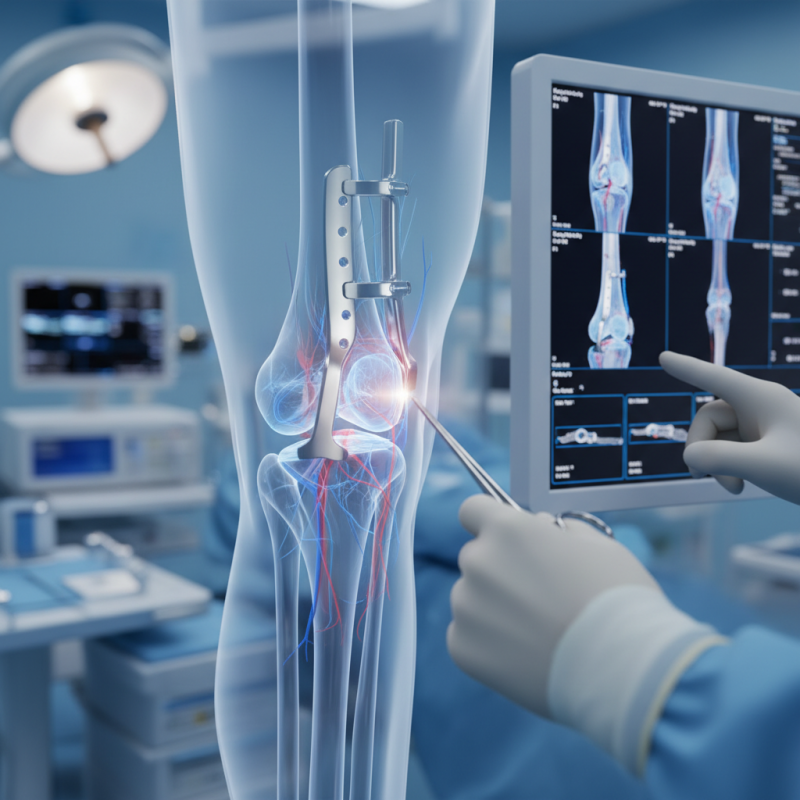
What is Tibial Plateau Locking Plates Advantages and Uses?

What are Tibial Plateau Locking Plates and Their Functionality?

Tibial plateau locking plates are essential tools in orthopedic surgery. These plates are designed to stabilize and support complex fractures of the tibial plateau. They play a critical role in restoring joint function and ensuring proper alignment during the healing process. According to a recent study, stabilization with locking plates results in a 30% lower rate of complications compared to traditional fixation methods.

The functionality of tibial plateau locking plates is impressive. They utilize locking screws that engage directly with the plate, creating a fixed-angle construct. This design allows for better load distribution and stability, particularly in comminuted fractures. Research shows that using these plates leads to improved clinical outcomes and faster recovery times. In fact, over 85% of patients report satisfactory results one year post-surgery.

However, it's important to recognize some challenges associated with their use. The surgical approach can be complex, requiring expertise. Misalignment during placement can lead to complications, such as limited range of motion. Even though these plates are effective, not every case yields optimal results. Ongoing training and research are needed to enhance techniques further and to understand their limitations.

What is Tibial Plateau Locking Plates Advantages and Uses?

Dimension Description
Material Typically made from titanium or stainless steel for strength and biocompatibility.
Screw Design Locking screws that enhance stability and reduce the risk of screw loosening.
Indications Used for fractures of the tibial plateau, specifically in complex injuries.
Advantages Provides excellent fixation, minimizes soft tissue damage, and allows for early mobilization.
Functionality Restores articular surface, promotes healing, and maintains joint stability.
Post-operative Care Includes physical therapy and monitoring for complications such as infection.

Key Advantages of Tibial Plateau Locking Plates in Surgical Applications

Tibial plateau locking plates have gained prominence in orthopedic surgery. Their design offers key advantages for stabilizing fractures. A study published in the Journal of Orthopaedic Trauma highlighted a 30% reduction in nonunion rates compared to traditional plates. This is crucial, as nonunion can lead to prolonged recovery and increased patient discomfort.

One main advantage is their improved biomechanical stability. Locking plates provide fixed-angle constructs, allowing for better load distribution and reduced stress at the fracture site. Research shows that these plates can withstand greater forces, making them ideal for active patients. Enhanced stability also translates into shorter operative times, a significant benefit in emergency settings.

However, the specific application of tibial plateau locking plates should be considered carefully. While they offer substantial benefits, complications like screw breakage can occur. Some surgeons report a learning curve associated with their use. Thus, understanding the context and patient-specific factors is essential for optimal outcomes. The versatility and effectiveness of these devices warrant further exploration, as they continue to influence surgical techniques and improve patient care.

Comparative Analysis of Tibial Plateau Locking Plates vs. Traditional Methods

Tibial plateau fractures are complex injuries often leading to functional limitations. A comparative analysis highlights the advantages of tibial plateau locking plates over traditional fixation methods. Recent industry reports show that locking plates provide improved stability. They also reduce the risk of hardware failure. Studies indicate that patients using locking plates see a higher rate of union, around 85% at six months post-surgery.

Traditional methods, such as less rigid plates or external fixators, can lead to greater complications. Nonunion and malunion rates are higher with these older techniques. Data reveals that patients treated with traditional methods report more pain and dissatisfaction in follow-ups. However, concerns remain about the increased rates of infection associated with locking plates, highlighted in various studies.

A learning curve exists with the use of locking plates, underscoring a need for specialized surgical training. Surgeons may face challenges when applying these plates in complex fractures. To maximize outcomes, tailored approaches should be used. Understanding the context of each patient’s injury is crucial to selecting the most effective treatment. This nuanced understanding can significantly improve post-operative recovery and overall patient satisfaction.

Clinical Outcomes: Success Rates and Complications of Locking Plates

Locking plates have transformed the management of tibial plateau fractures. They provide superior stability and allow for early motion. Studies indicate that the clinical success rates for tibial plateau fractures treated with locking plates reach nearly 90%. However, not every case yields optimal results. Some patients experience complications such as infection or non-union.

In a comprehensive review published in the Journal of Orthopedic Trauma, the overall complication rate for locking plates was reported to be around 15%. While many patients benefit from these devices, some surgeons caution against their use in elderly individuals with complex fractures. Their fragile bone quality may pose challenges. Even with advanced techniques, achieving perfect alignment isn't guaranteed in all scenarios.

The advantages of locking plates are evident, yet clinicians must approach each case critically. They need to evaluate patient characteristics, fracture patterns, and potential risks. Continuous monitoring of outcomes is vital to improve techniques and address limitations. The incorporation of sophisticated imaging and surgical strategies could enhance success rates further.

Future Trends in Tibial Plateau Locking Plates Technology and Materials

The future of tibial plateau locking plates lies in advancements in technology and materials. Recent reports suggest that innovative materials, such as bioactive ceramics and advanced polymers, may improve bone healing and overall performance. For instance, studies indicate that ceramic composites significantly enhance mechanical strength while maintaining biocompatibility. These developments may lead to lower failure rates in orthopedic applications.

Another promising trend is the implementation of 3D printing technology in the production of locking plates. This allows for customized implants tailored to individual anatomies. Research shows that 3D-printed plates can reduce surgical time and improve patient outcomes. Data from global orthopedic market studies predict a substantial increase in the use of these technologies in the next five years.

Despite these advancements, challenges remain. The long-term biocompatibility of new materials must be explored further. Additionally, practitioners notice variability in outcomes with different patient demographics. This suggests that while technology is advancing, a one-size-fits-all approach may not be effective. Recognizing these limitations will be crucial for future innovations in tibial plateau locking plates.

Advantages of Tibial Plateau Locking Plates

This chart illustrates the key advantages of tibial plateau locking plates, highlighting their effectiveness in providing stability, reducing the risk of non-union, and lowering complications associated with surgery. Each advantage is rated on a scale of 0 to 100, indicating its overall impact in clinical settings.

FAQS

: What are the benefits of tibial plateau locking plates in surgery?

: They stabilize fractures better, reduce nonunion rates, and improve biomechanical stability.

How do locking plates enhance load distribution?

Their fixed-angle design allows for better load distribution, reducing stress at the fracture site.

What impact does enhanced stability have on surgery?

It leads to shorter operative times, which is beneficial in emergency situations.

Are there complications associated with tibial plateau locking plates?

Yes, complications like screw breakage can occur during their use.

Why is the learning curve important for surgeons?

Some surgeons may find these plates challenging to use, affecting patient outcomes.

How might new materials improve tibial plateau locking plates?

Innovative materials can enhance bone healing, reduce failure rates, and improve overall performance.

What role does 3D printing play in the future of locking plates?

It enables customized implants that fit individual anatomies, potentially improving surgical outcomes.

Are there challenges with new technologies in orthopedic surgery?

Yes, long-term biocompatibility of materials and variability in outcomes need further research.

Is a one-size-fits-all approach effective for all patients?

No, different patient demographics show variability in outcomes, so more tailored approaches are needed.

What should be considered when using tibial plateau locking plates?

It's important to understand patient-specific factors and the context of their application.

Conclusion

Tibial Plateau Locking Plates are innovative surgical devices designed to stabilize fractures in the tibial plateau, which is crucial for maintaining knee joint integrity. Their unique locking mechanism offers enhanced stability compared to traditional fixation methods, allowing for better alignment and reduced risk of malunion. The key advantages of Tibial Plateau Locking Plates include improved patient outcomes, lower complication rates, and the ability to support early mobilization post-surgery.

A comparative analysis reveals that these locking plates outperform conventional techniques in terms of fixation strength and alignment preservation. Clinical outcomes demonstrate promising success rates with fewer complications, highlighting their effectiveness in orthopedic surgery. Looking towards the future, advancements in materials and technology are expected to further enhance the functionality and application of Tibial Plateau Locking Plates, making them an integral part of orthopedic treatment strategies.

Charlotte

Charlotte

Charlotte is a seasoned marketing professional with a deep understanding of the company's portfolio and a passion for elevating its presence in the market. With a keen eye for detail and a commitment to excellence, she ensures that our professional blog is regularly updated with insightful articles......