MGMT Orthopedic Implants
MGMT Orthopedic Implants
MGMT Orthopedic Implants


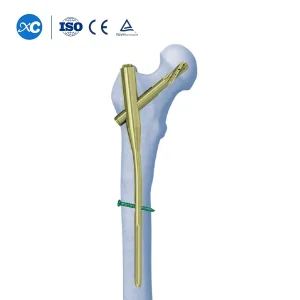
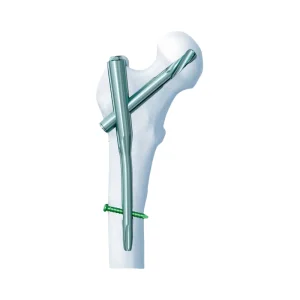
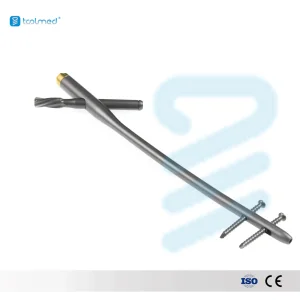
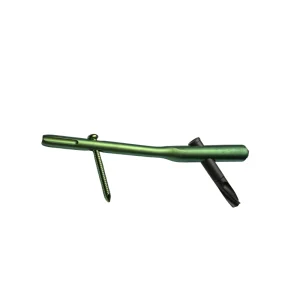
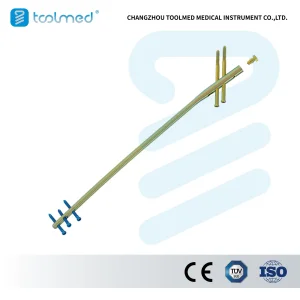
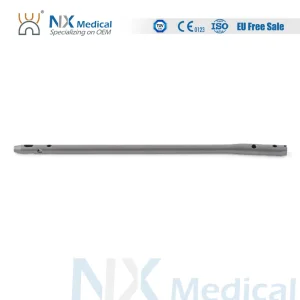
In the modern era of orthopedic surgery, Proximal Femoral Nails Antirotation (PFNA) have emerged as the gold standard for treating unstable peritrochanteric fractures. The global geriatric population is increasing at an unprecedented rate, leading to a surge in hip fracture cases—often referred to as the "silent epidemic." Clinical data suggests that PFNA systems provide superior biomechanical stability compared to traditional dynamic hip screws (DHS), particularly in osteoporotic bone.
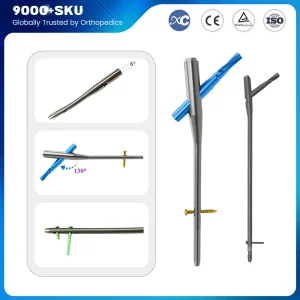
The industrial landscape for PFNA is characterized by high-precision manufacturing requirements. Surgeons worldwide demand implants that can be inserted via minimally invasive techniques to reduce blood loss and shorten recovery times. As a result, the market for PFNA has shifted from simple mechanical designs to sophisticated systems that incorporate helical blades. These blades provide enhanced compaction of the cancellous bone, significantly increasing resistance to "cut-out," which is the most common failure mode in geriatric hip fixation.
Global procurement trends indicate a move toward vertically integrated suppliers who can offer not just the implants, but the complete surgical instrumentation set. Medical institutions in North America, Europe, and emerging markets in Asia-Pacific are increasingly looking for OEM/ODM PFNA factories that can balance cost-efficiency with uncompromising ISO 13485 quality standards.





The orthopedic implant industry is undergoing a digital transformation. The integration of AI-assisted design (Generative Design) is allowing manufacturers to optimize the structural integrity of PFNA implants while minimizing material weight. Future trends point toward "Smart Implants" equipped with sensors to monitor bone healing and load distribution in real-time. While we are still in the early stages of commercializing such technologies, the manufacturing foundation remains the same: extreme precision.
Material science is another critical area of evolution. While Grade 5 Titanium (Ti6Al4V ELI) remains the preferred choice due to its biocompatibility and modulus of elasticity similar to human bone, new surface treatments like Plasma Electrolytic Oxidation (PEO) are being explored to enhance osseointegration. As an OEM/ODM partner, MGMT stays at the forefront of these material breakthroughs, ensuring that our clients receive the most advanced trauma solutions available.
Furthermore, the trend toward Value-Based Healthcare is forcing hospitals to seek out manufacturers who can provide high-quality implants at lower price points without sacrificing patient safety. This is where the Chinese manufacturing advantage becomes a decisive factor for global medical distributors.

China has become the global powerhouse for orthopedic instrument manufacturing, and MGMT stands at the pinnacle of this industry. Our advantage is built on three pillars:

As a leading OEM/ODM manufacturer specializing in orthopedic instruments, we are your one-stop shop for comprehensive medical device contract manufacturing solutions. Our expertise lies in crafting highly efficient, innovative, and fully customized orthopedic medical devices. By leveraging advanced technologies and a deep understanding of industry needs, our divisions will partner with you to refine your designs, improving performance and reducing cost while ensuring compliance with established and emerging regulations. Trust us to transform your concepts into state-of-the-art orthopedic products that enhance patient care and drive your business forward.
MGMT invests strategically in state-of-the-art manufacturing technologies to deliver unmatched precision machining capabilities for orthopedic medical instruments. Our commitment to innovation spans advanced CNC systems, five-axis machining centers, and automated inspection tools, enabling us to achieve micron-level tolerances critical for medical device accuracy.
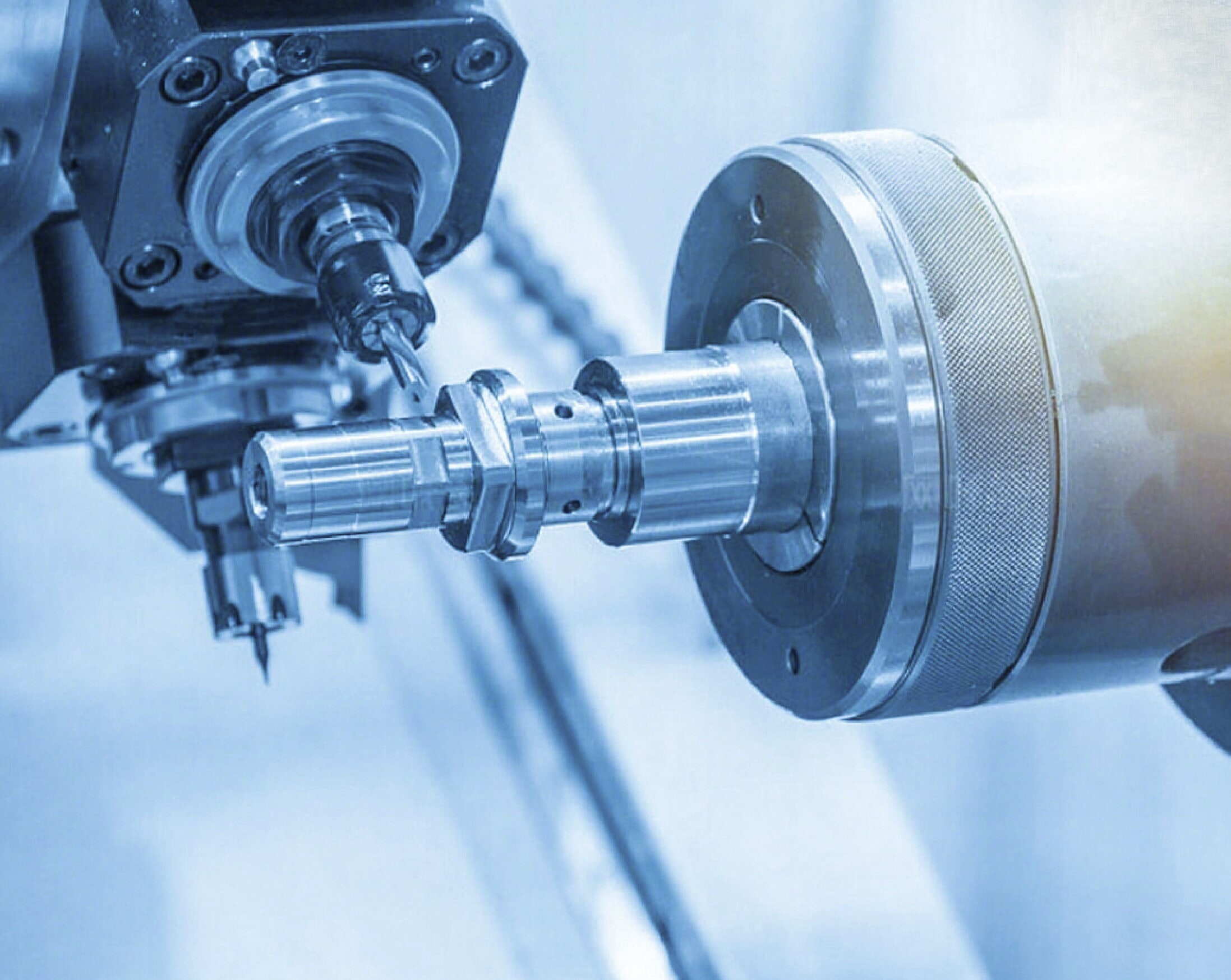
Our vertically integrated approach—from design validation to rapid prototyping—accelerates time-to-market while adhering to ISO 13485 standards. Whether machining multi-faceted components or micro-machined features requiring high precision, we leverage automated quality control systems (e.g., CMM inspection) to ensure every part meets rigorous medical device requirements.

The demand for PFNA varies significantly based on regional healthcare infrastructure. In developed markets, the focus is on surgical efficiency and reducing operating room (OR) time. In developing regions, the priority is often durability and total cost of ownership. As a global supplier, MGMT caters to these diverse needs through our flexible OEM models.
Clinical Use Cases: