MGMT Orthopedic Implants
MGMT Orthopedic Implants
MGMT Orthopedic Implants
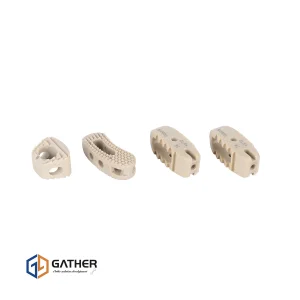
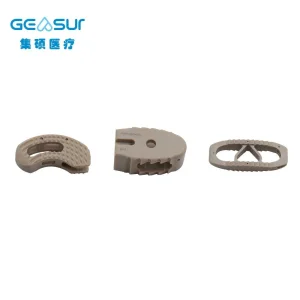
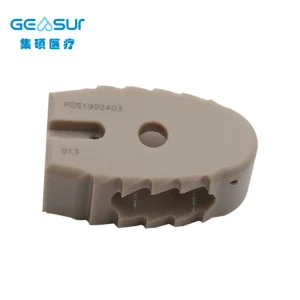
The global market for Anterior Lumbar Interbody Fusion (ALIF) cages is experiencing unprecedented growth, driven by an aging global population and the increasing prevalence of degenerative disc diseases. ALIF has become a preferred surgical method for spinal stabilization because it allows for a larger cage size compared to posterior approaches, providing better sagittal balance restoration and higher fusion rates. Current market valuations for spinal interbody devices exceed $2 billion annually, with ALIF systems representing one of the fastest-growing segments.
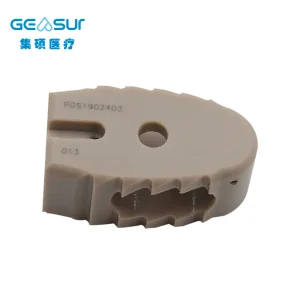
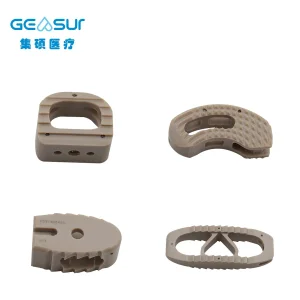
Technological integration is the new frontier. Major players across North America, Europe, and Asia are shifting their focus from standard titanium implants to PEEK (Polyetheretherketone) combined with bioactive coatings or 3D-printed porous structures that mimic human bone trabeculae.
Manufacturers are no longer just "suppliers"; they are partners in clinical success. This shift has led to the rise of specialized contract manufacturers in China who offer the same precision as Western counterparts but with significantly higher supply chain agility and cost-efficiency. As hospitals worldwide face mounting pressure to reduce surgical costs without compromising patient safety, the demand for high-quality, CE-certified ALIF cages from reliable exporters has skyrocketed.
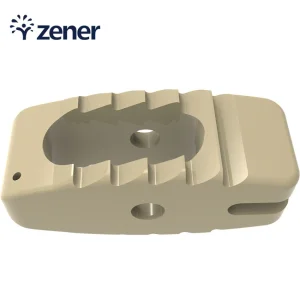
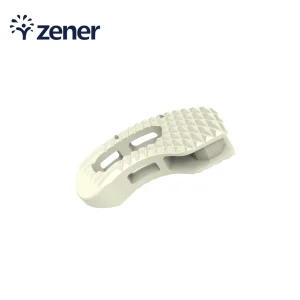
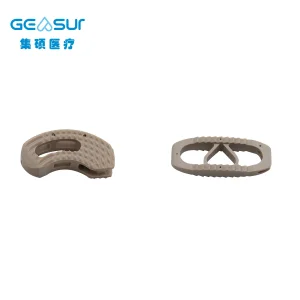
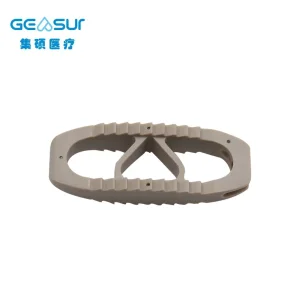
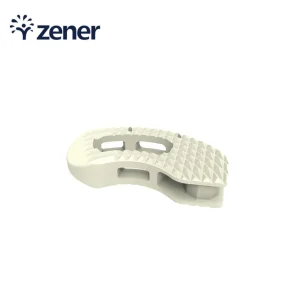
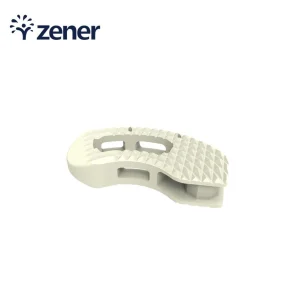
The industry is moving away from smooth-surface implants. The current trend emphasizes "Osseointegration." Modern ALIF cages now feature titanium plasma sprays or 3D-printed lattices that allow bone cells to grow into the implant, not just around it. This reduces the risk of cage migration and pseudoarthrosis.
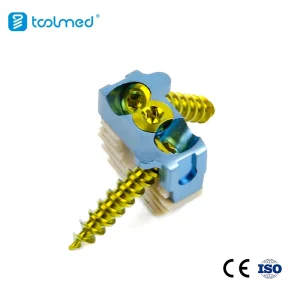
Furthermore, "Zero-Profile" designs, which incorporate integrated fixation screws, are becoming the standard. These systems eliminate the need for bulky anterior plating, reducing surgical time and minimizing the impact on adjacent soft tissues.
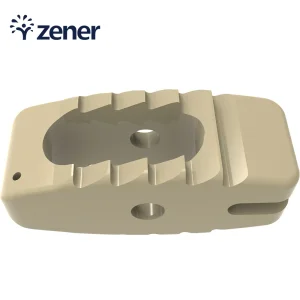
Procurement officers in modern healthcare systems are looking for three key factors: Regulatory Compliance (CE/FDA), Supply Chain Resilience, and Cost-to-Value Ratio. In the US and EU, there is a massive move toward Ambulatory Surgery Centers (ASCs), where efficiency and pre-packaged sterile kits are highly valued. Procurement is shifting toward manufacturers who can provide comprehensive "Surgical Sets" rather than just individual implants.
In emerging markets like Southeast Asia and Latin America, the focus is on robust, versatile designs that can handle a wide variety of spinal pathologies with a single instrument set. In contrast, the European market demands high data transparency and clinical evidence of long-term fusion success. Our ALIF systems are designed to meet these varied demands, offering modularity for diverse surgical preferences.
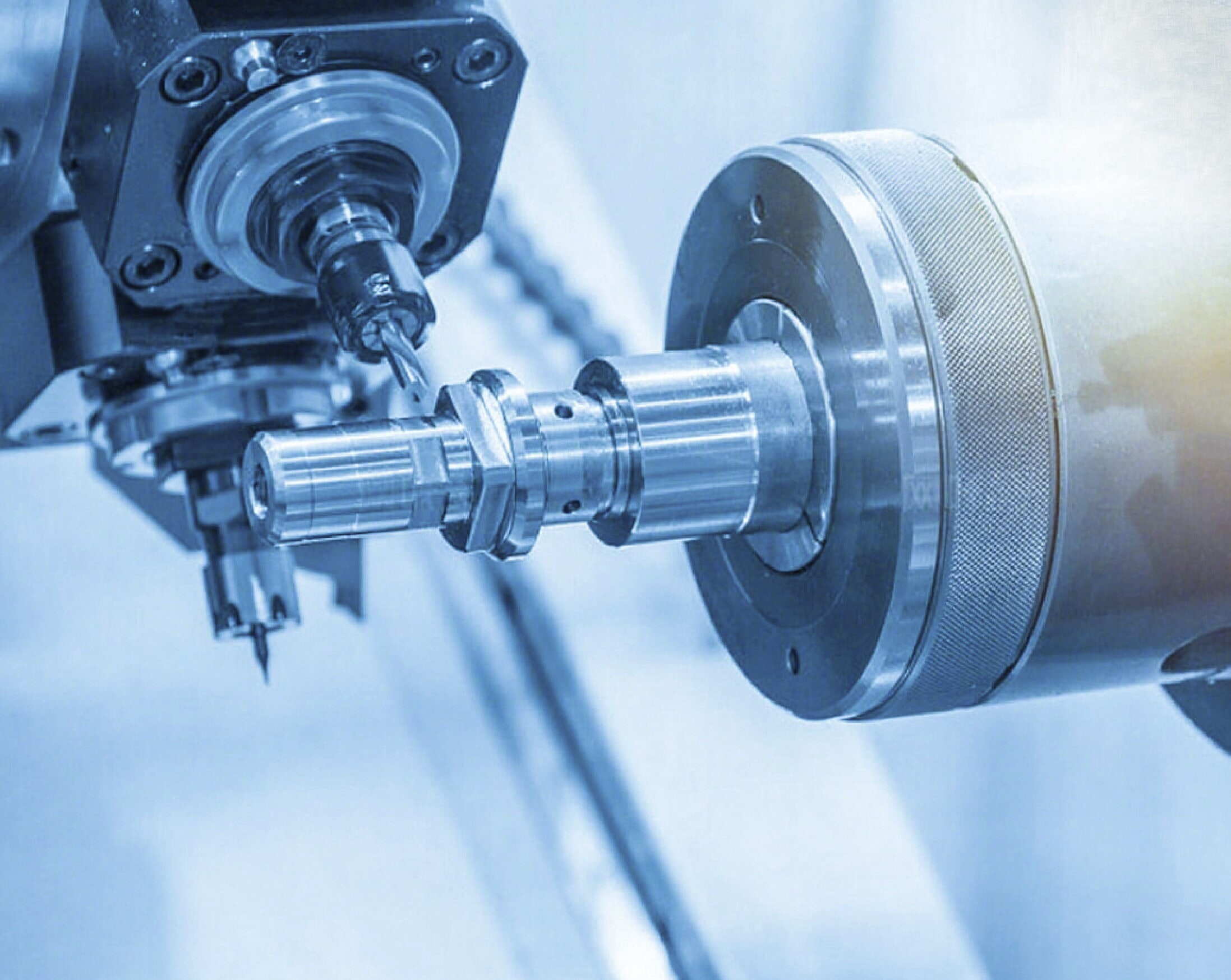
As a leading Chinese factory, MGMT represents the pinnacle of medical device contract manufacturing. We bridge the gap between high-end innovation and large-scale production. By utilizing 5-axis CNC machining centers and automated quality inspection, we ensure that every ALIF cage meets micron-level tolerances.
Our "One-Stop Shop" philosophy means we handle everything from design validation to rapid prototyping and final sterile packaging. This vertically integrated approach reduces the "Time-to-Market" by up to 40% compared to traditional western manufacturing models.
As a leading OEM/ODM manufacturer specializing in orthopedic instruments, we are your one-stop shop for comprehensive medical device contract manufacturing solutions. Our expertise lies in crafting highly efficient, innovative, and fully customized orthopedic medical devices. By leveraging advanced technologies and a deep understanding of industry needs, our divisions will partner with you to refine your designs, improving performance and reducing cost while ensuring compliance with established and emerging regulations. Trust us to transform your concepts into state-of-the-art orthopedic products that enhance patient care and drive your business forward.
MGMT invests strategically in state-of-the-art manufacturing technologies to deliver unmatched precision machining capabilities for orthopedic medical instruments. Our commitment to innovation spans advanced CNC systems, five-axis machining centers, and automated inspection tools, enabling us to achieve micron-level tolerances critical for medical device accuracy.




Our vertically integrated approach—from design validation to rapid prototyping—accelerates time-to-market while adhering to ISO 13485 standards. Whether machining multi-faceted components or micro-machined features requiring high precision, we leverage automated quality control systems (e.g., CMM inspection) to ensure every part meets rigorous medical device requirements.
One of the most significant drivers in the ALIF market is the move toward Minimally Invasive Surgery (MIS). MIS ALIF procedures utilize smaller incisions and specialized retractors to access the spine. This requires cages that are not only anatomically shaped but also designed for "guided insertion." Our R&D team works closely with surgeons to develop chamfered leading edges and textured surfaces that facilitate smooth entry into the disc space while providing immediate mechanical stability.
While PEEK remains a staple due to its radiolucency (allowing surgeons to see bone growth on X-rays) and its modulus of elasticity similar to bone, the industry is evolving. We now offer Titanium-coated PEEK. This hybrid approach combines the imaging benefits of PEEK with the superior osseointegrative properties of Titanium. By applying a roughened titanium coating to the endplates of the cage, we achieve a surface that encourages osteoblasts to adhere and proliferate, leading to faster and more reliable fusion.
The "Top 10 Manufacturer" landscape is increasingly dominated by those who can offer patient-specific solutions. While mass-produced ALIF cages cover 90% of cases, the ability to manufacture custom implants using 3D additive manufacturing is a game changer for complex deformities. At MGMT, our 5-axis machining and rapid prototyping capabilities allow us to support high-complexity projects that require bespoke engineering.