MGMT Orthopedic Implants
MGMT Orthopedic Implants
MGMT Orthopedic Implants
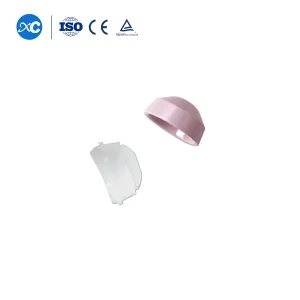
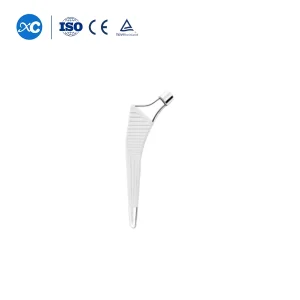
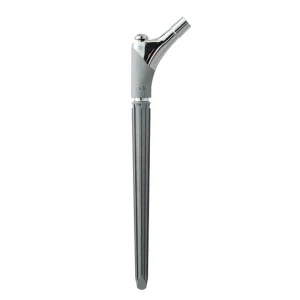
In the complex field of upper extremity traumatology, Radial Head Replacement (RHR) has emerged as a gold standard for treating comminuted fractures that are beyond repair. As a Top China Radial Head Replacement Supplier & Exporter, we understand that the radial head plays a critical role in elbow stability, acting as the primary secondary stabilizer to valgus stress and a major axial load-bearing component. When a Mason Type III or IV fracture occurs, surgical intervention with high-precision implants is paramount to preventing long-term complications like chronic elbow instability or proximal migration of the radius.
The global market for radial head prostheses is experiencing rapid growth, driven by an aging population prone to falls and an increase in high-impact sports injuries. Modern surgeons are moving away from simple radial head excision, which often led to wrist pain and decreased grip strength, toward anatomical replacement. This shift has created a massive demand for modular and monoblock designs that can perfectly mimic the patient's unique anatomy.
The industry is transitioning toward advanced Cobalt-Chromium and Titanium alloys. These materials offer superior wear resistance and Osseointegration, ensuring the implant lasts for decades without loosening.
AI and robotic-assisted surgeries are demanding smarter implants. Our manufacturing processes utilize digital twin technology to ensure every batch of radial head components meets sub-micron tolerances.
Procurement heads in Europe and North America are increasingly looking for "Contract Manufacturing" partners in China who can provide both the implants and the specialized instrument sets required for surgery.
Global medical device procurement is no longer just about the lowest price; it is about the convergence of quality, speed-to-market, and regulatory compliance. Hospitals in South America, clinical groups in Southeast Asia, and distributors in the Middle East require reliable partners who can navigate the complexities of ISO 13485 standards while offering competitive OEM/ODM services.
As a leading Chinese factory, we bridge this gap. Our localized application scenarios range from high-volume public hospitals requiring durable, cost-effective solutions to private surgical centers demanding premium, anatomically contoured radial head systems. By centralizing our manufacturing in China’s high-tech industrial hubs, we leverage a robust supply chain for raw materials like medical-grade titanium and UHMWPE, passing those efficiencies directly to our global clients.
MGMT - Your Preferred Medical Instruments Contract Manufacturing Partner. As a leading OEM/ODM manufacturer specializing in orthopedic instruments, we are your one-stop shop for comprehensive medical device contract manufacturing solutions. Our expertise lies in crafting highly efficient, innovative, and fully customized orthopedic medical devices. By leveraging advanced technologies and a deep understanding of industry needs, our divisions will partner with you to refine your designs, improving performance and reducing cost while ensuring compliance with established and emerging regulations. Trust us to transform your concepts into state-of-the-art orthopedic products that enhance patient care and drive your business forward.
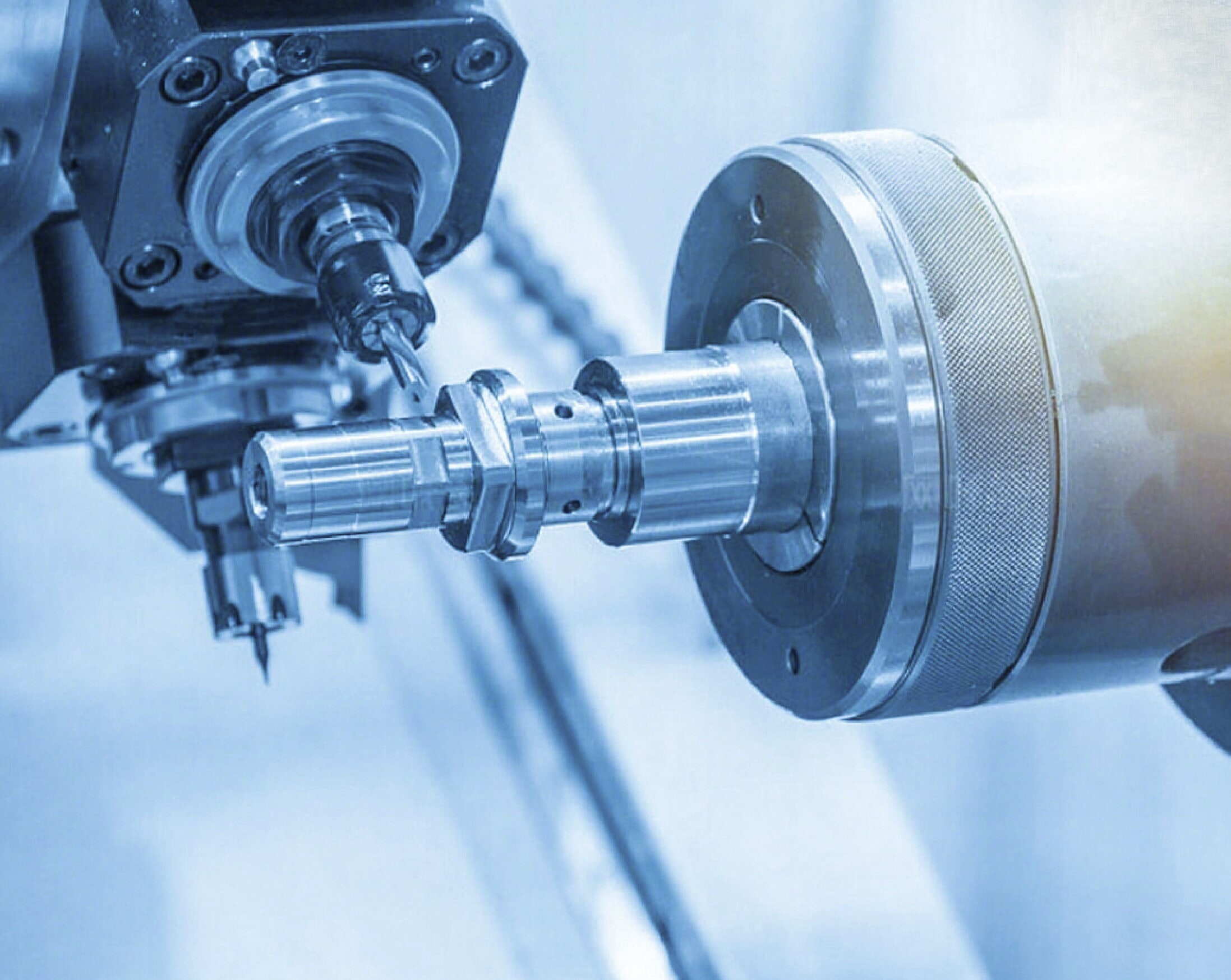
Precision Medical Manufacturing: MGMT invests strategically in state-of-the-art manufacturing technologies to deliver unmatched precision machining capabilities for orthopedic medical instruments. Our commitment to innovation spans advanced CNC systems, five-axis machining centers, and automated inspection tools, enabling us to achieve micron-level tolerances critical for medical device accuracy.
Our vertically integrated approach—from design validation to rapid prototyping—accelerates time-to-market while adhering to ISO 13485 standards. Whether machining multi-faceted components or micro-machined features requiring high precision, we leverage automated quality control systems (e.g., CMM inspection) to ensure every part meets rigorous medical device requirements.

FT2 Workshop Area

Years Establishment

Engineer Team

Global Business Coverage
The radial head replacement industry is at a crossroads of innovation. As a top-tier supplier, we monitor the transition from traditional stainless steel to sophisticated titanium alloys and pyrocarbon materials. Titanium, specifically Ti6Al4V, has become the industry favorite due to its elastic modulus being closer to human bone than other metals, significantly reducing "stress shielding" effects that lead to bone resorption. Furthermore, the development of porous coatings on the stem of the radial head prosthesis allows for biological fixation, a major leap from traditional bone cement methods.
Global enterprises are now looking for modularity. A modular radial head system allows the surgeon to select the head diameter and stem length independently, ensuring a customized fit for each patient during the operation. This reduces the inventory burden on hospitals while maximizing surgical outcomes. Our factory’s R&D department is currently focusing on "Anatomical Head Designs" that feature a concave articular surface to better accommodate the capitellum of the humerus throughout the entire range of motion—flexion, extension, and rotation.
Furthermore, the rise of 3D printing in orthopedic manufacturing in China has allowed for the creation of patient-specific implants (PSIs). While mass-produced implants remain the standard for urgent trauma care, PSIs are becoming the trend for complex revision surgeries where bone loss is significant. Our five-axis CNC machining centers work in tandem with these emerging technologies to provide a full spectrum of surgical solutions.
In terms of global trade, the "China Price" is no longer just about labor; it's about the massive scale of medical instrument clusters in regions like Jiangsu and Guangdong. These clusters provide us with immediate access to heat treatment, specialized sterilization packaging, and world-class logistics. For an international buyer, this means a shorter lead time—often 4-6 weeks compared to the 3-6 months found in European manufacturers.