MGMT Orthopedic Implants
MGMT Orthopedic Implants
MGMT Orthopedic Implants
The global cranio-maxillofacial (CMF) market has seen unprecedented growth over the last decade, with Mandibular Locking Plates emerging as the gold standard for fracture fixation and reconstructive surgery. As urban development and transport infrastructure expand globally, the incidence of high-impact trauma remains a significant driver for high-quality orthopedic implants. Simultaneously, the rising demand for orthognathic surgeries and corrective procedures in aging populations has pushed factories and suppliers to innovate faster than ever before.
Today, the industry is not just about producing a piece of titanium; it is about biological integration and mechanical stability. Locking plate systems, as opposed to traditional non-locking systems, act as internal fixators. They do not rely on the compression of the plate to the bone, which preserves the periosteal blood supply—a critical factor for rapid bone healing in the mandible.
Technological evolution in mandibular fixation is currently focused on three pillars: Material Science, Precision Engineering, and Customization. As a leading supplier, we observe the following trends dominating the global market:
Procuring Mandibular Locking Plates is a high-stakes decision for medical institutions. Quality assurance is non-negotiable. Leading hospitals in North America and Europe look for ISO 13485 certification and CE marking as a baseline. However, the modern procurement officer is also looking for supply chain resilience.
Key factors influencing global procurement include:
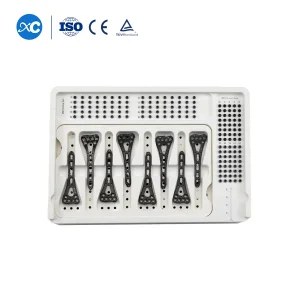
As a leading OEM/ODM manufacturer specializing in orthopedic instruments, we are your one-stop shop for comprehensive medical device contract manufacturing solutions. Our expertise lies in crafting highly efficient, innovative, and fully customized orthopedic medical devices. By leveraging advanced technologies and a deep understanding of industry needs, our divisions will partner with you to refine your designs, improving performance and reducing cost while ensuring compliance with established and emerging regulations.




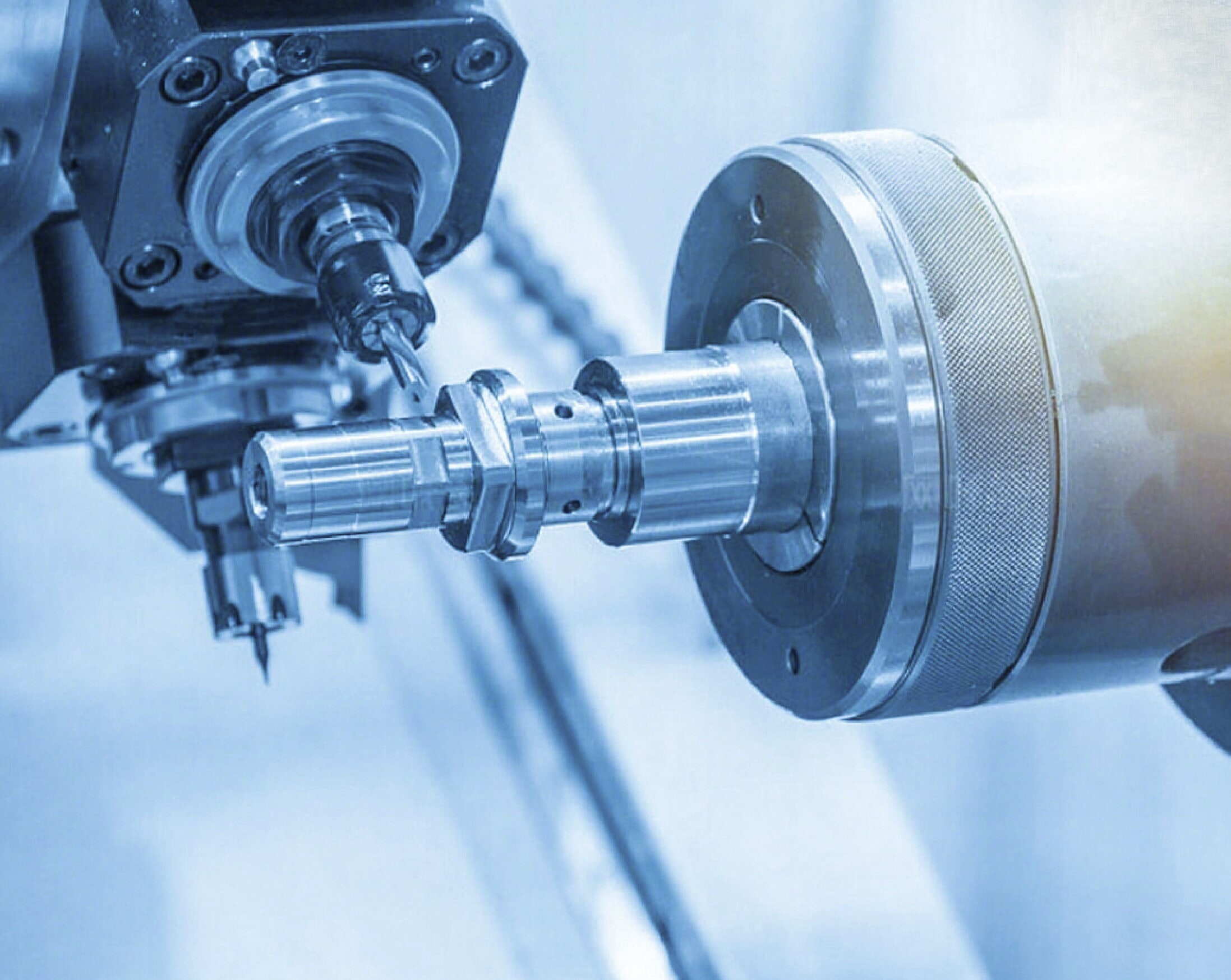
Our commitment to innovation spans advanced CNC systems, five-axis machining centers, and automated inspection tools, enabling us to achieve micron-level tolerances critical for medical device accuracy. Our vertically integrated approach—from design validation to rapid prototyping—accelerates time-to-market while adhering to international standards.
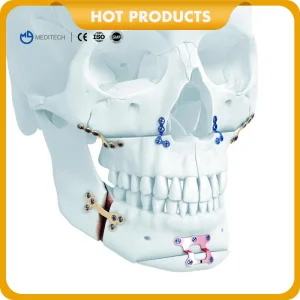
The application of Mandibular Locking Plates varies significantly based on the clinical environment. In trauma centers, speed and versatility are required. In oncology departments, reconstruction is the focus. Our products are designed for several key scenarios:
Managing comminuted fractures of the mandibular body, angle, and symphysis where maximum stability is required for early mobilization.
Bridging bone defects following tumor resection, often used in conjunction with vascularized bone grafts.
Stabilizing the mandible after controlled osteotomies to correct facial asymmetry and malocclusion.
Whether it's a high-stress emergency room in a metropolitan hospital or a specialized maxillofacial clinic, our mandibular systems provide the reliability surgeons need to ensure long-term patient outcomes. The "locking" mechanism ensures that even in poor bone quality, the screw-plate interface remains stable, preventing hardware failure.
Why choose a Chinese factory as your primary supplier? The answer lies in the evolution of our industrial ecosystem. China has moved from high-volume production to High-Precision Value Creation. At MGMT, we represent the peak of this transition:
MGMT invests strategically in state-of-the-art manufacturing technologies to deliver unmatched precision machining capabilities for orthopedic medical instruments. Whether machining multi-faceted components or micro-machined features requiring high precision, we leverage automated quality control systems to ensure every part meets rigorous medical device requirements.
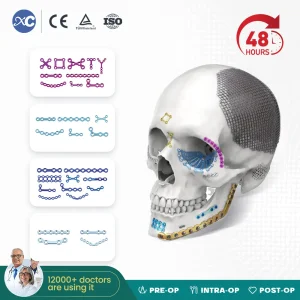
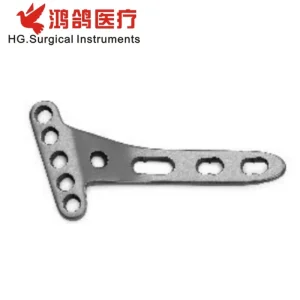
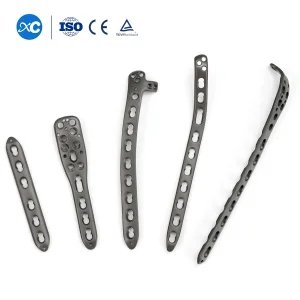
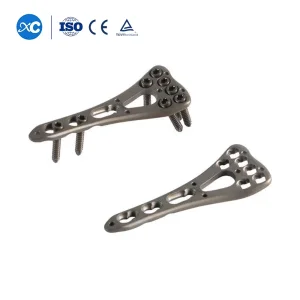
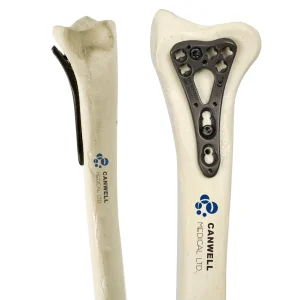
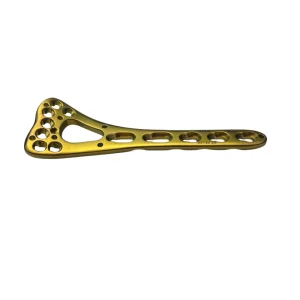
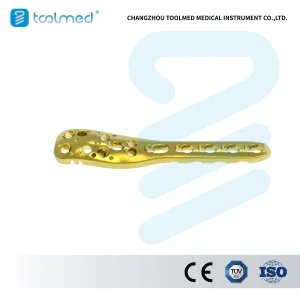
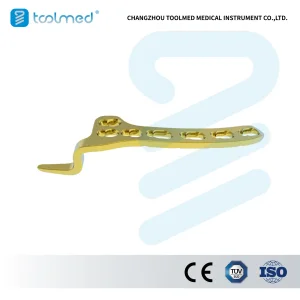
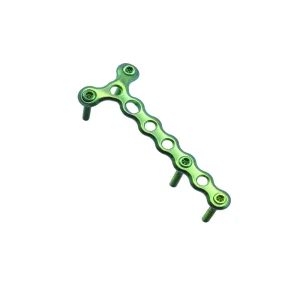
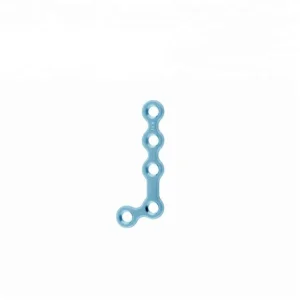
Our Mandibular Locking Plates are characterized by their Anatomical Pre-shaping. This reduces the time a surgeon spends bending plates in the operating room, which in turn reduces the risk of material fatigue and infection. The surface of our titanium plates undergoes a specialized anodization process to enhance biocompatibility and provide color-coding for different screw diameters, facilitating ease of use during high-pressure surgeries.
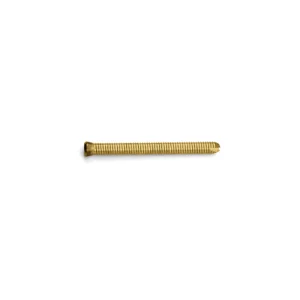
Furthermore, our locking screws feature a double-lead thread design, which allows for faster insertion and superior pull-out strength. This is particularly beneficial in the mandible, where cortical bone thickness varies significantly between the alveolar ridge and the lower border.