MGMT Orthopedic Implants
MGMT Orthopedic Implants
MGMT Orthopedic Implants
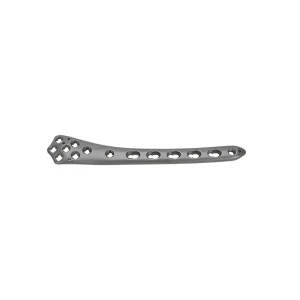
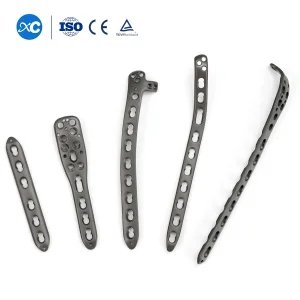
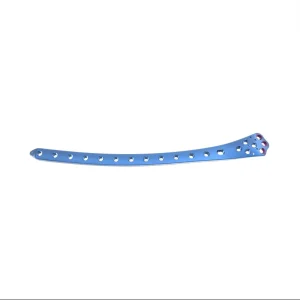
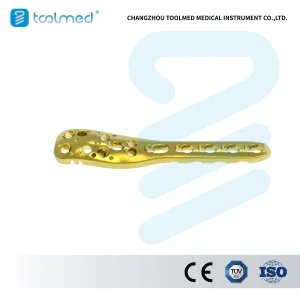
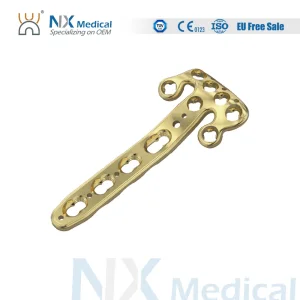
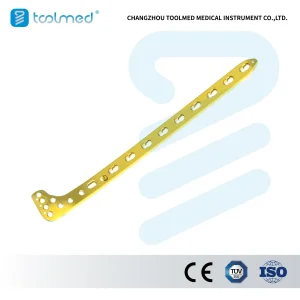
Poland has emerged as one of the most dynamic hubs for medical device manufacturing in Central Europe. The demand for Locking Plates & Screws has seen an exponential rise, driven by a sophisticated healthcare infrastructure and an aging demographic requiring advanced orthopedic interventions. In cities like Warsaw, Kraków, and Poznań, specialized orthopedic clinics are increasingly adopting locking compression plate (LCP) technology to treat complex fractures.
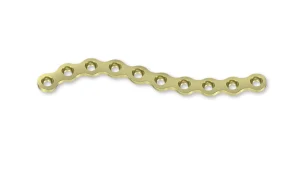
Unlike traditional non-locking systems, the locking plates used by Polish surgeons offer superior stability, particularly in osteoporotic bone. This is critical in the Polish clinical landscape where trauma surgery accounts for a significant portion of hospital admissions. Factories and suppliers in Poland are now prioritizing CE-certified titanium implants to meet the rigorous standards of the European Medical Device Regulation (MDR).
The industrial landscape in Poland for medical manufacturing is characterized by a blend of local innovation and international cooperation. Polish engineering talent, combined with strategic investments in CNC 5-axis machining, allows for the production of anatomically contoured plates that fit the unique morphology of the European population. This localized approach ensures that "Locking Plates & Screws Factories & Suppliers in Poland" are not just distributors, but vital partners in the surgical outcome.

FT2 Workshop Area

Years of Excellence

Expert Engineer Team

Countries Served
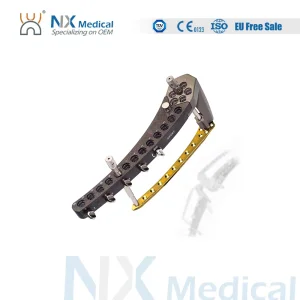
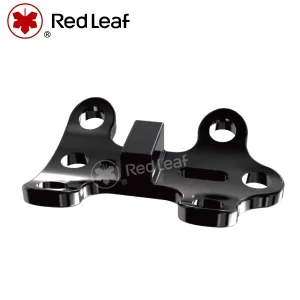
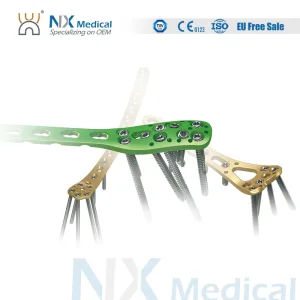
The core advantage of locking plates is their ability to act as "internal fixators." For Polish orthopedic surgeons, this means less disruption to the periosteal blood supply, which is vital for bone healing. Suppliers in the Polish market are focusing on Multi-Axial Locking Systems, which allow for variable angle screw placement. This flexibility is indispensable when dealing with peri-articular fractures where bone fragments are small and difficult to capture.
Most high-end locking plates supplied in Poland are manufactured from Grade 5 Titanium Alloy (Ti-6Al-4V ELI). This material offers the perfect balance of fatigue strength and biocompatibility. In the context of the Polish National Health Fund (NFZ) requirements, hospitals are looking for implants that reduce the risk of secondary surgeries. Titanium's MRI compatibility is also a significant factor for diagnostic follow-ups in Polish radiology departments.
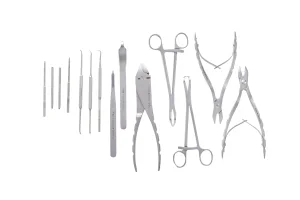
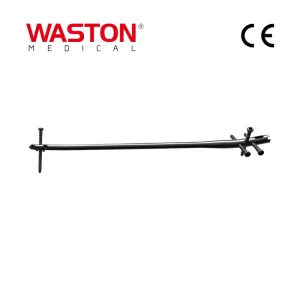
Poland's vibrant sports culture—from skiing in the Tatra Mountains to football in Silesia—leads to a high incidence of sports-related trauma. Locking plates for the distal radius, tibia, and clavicle are in high demand. Modern suppliers are now providing "Surgical Kits" that include not just the plates, but also the precision-engineered screws and instrumentation required for Minimally Invasive Plate Osteosynthesis (MIPO), a technique gaining rapid popularity in Poland.
MGMT stands as a premier OEM/ODM manufacturer, serving as your preferred medical instruments contract manufacturing partner. We understand that for suppliers in Poland, consistency and precision are non-negotiable. Our expertise lies in crafting highly efficient, innovative, and fully customized orthopedic medical devices. By leveraging advanced technologies and a deep understanding of industry needs, our divisions will partner with you to refine your designs, improving performance and reducing cost while ensuring compliance with established and emerging regulations. Trust us to transform your concepts into state-of-the-art orthopedic products that enhance patient care and drive your business forward.
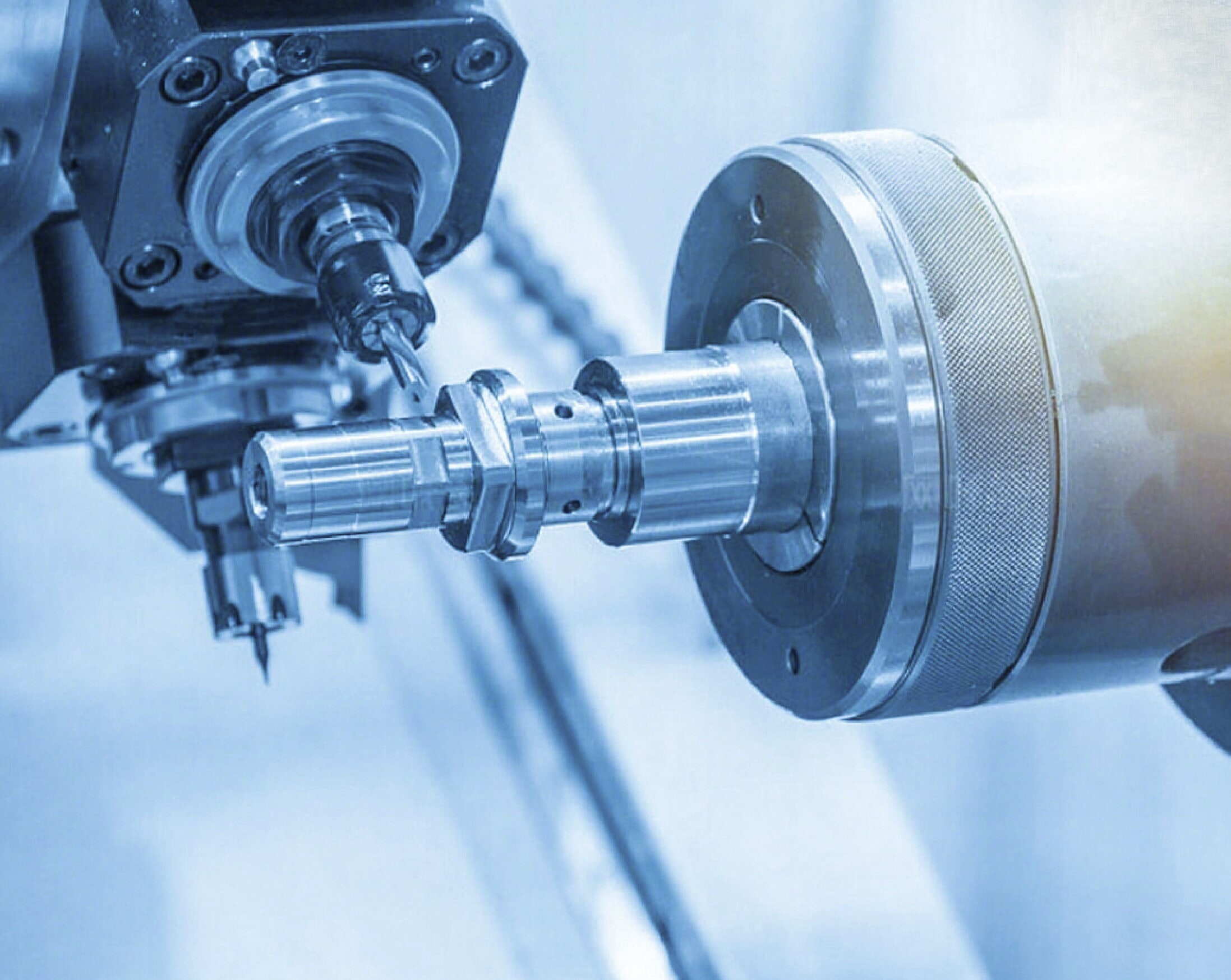
Our commitment to Precision Medical Manufacturing is reflected in our strategic investment in state-of-the-art manufacturing technologies. To deliver unmatched precision machining capabilities for orthopedic medical instruments, our commitment to innovation spans advanced CNC systems, five-axis machining centers, and automated inspection tools, enabling us to achieve micron-level tolerances critical for medical device accuracy.
Looking ahead, the Polish market is moving toward digital integration. This includes 3D-planned surgical guides that work in tandem with standard locking plates. Suppliers are also exploring antimicrobial coatings for locking screws to combat hospital-acquired infections, a priority for the Polish Ministry of Health. As a factory or supplier, staying ahead of these trends involves a deep vertical integration—from design validation to rapid prototyping.
Our vertically integrated approach accelerates time-to-market while adhering to ISO 13485 standards. Whether machining multi-faceted components or micro-machined features requiring high precision, we leverage automated quality control systems (e.g., CMM inspection) to ensure every part meets rigorous medical device requirements. This level of quality assurance is what allows Polish distributors to compete on a global scale.