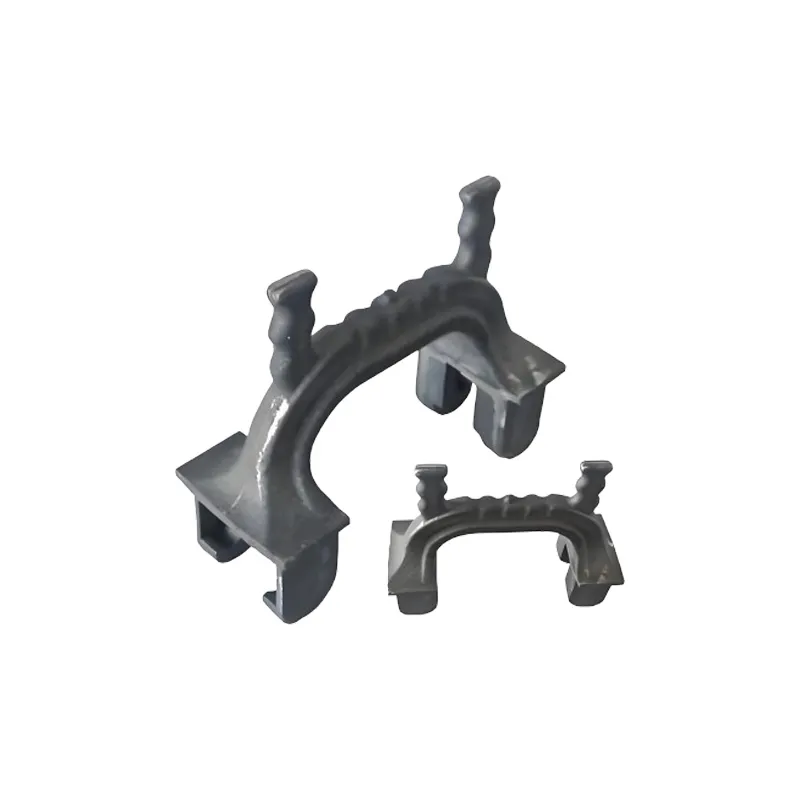
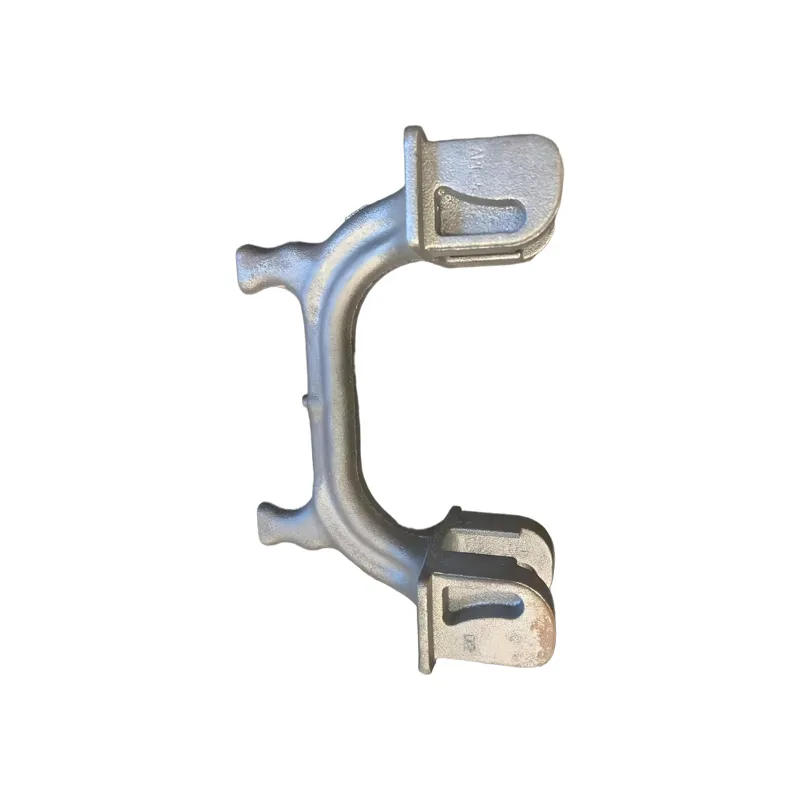
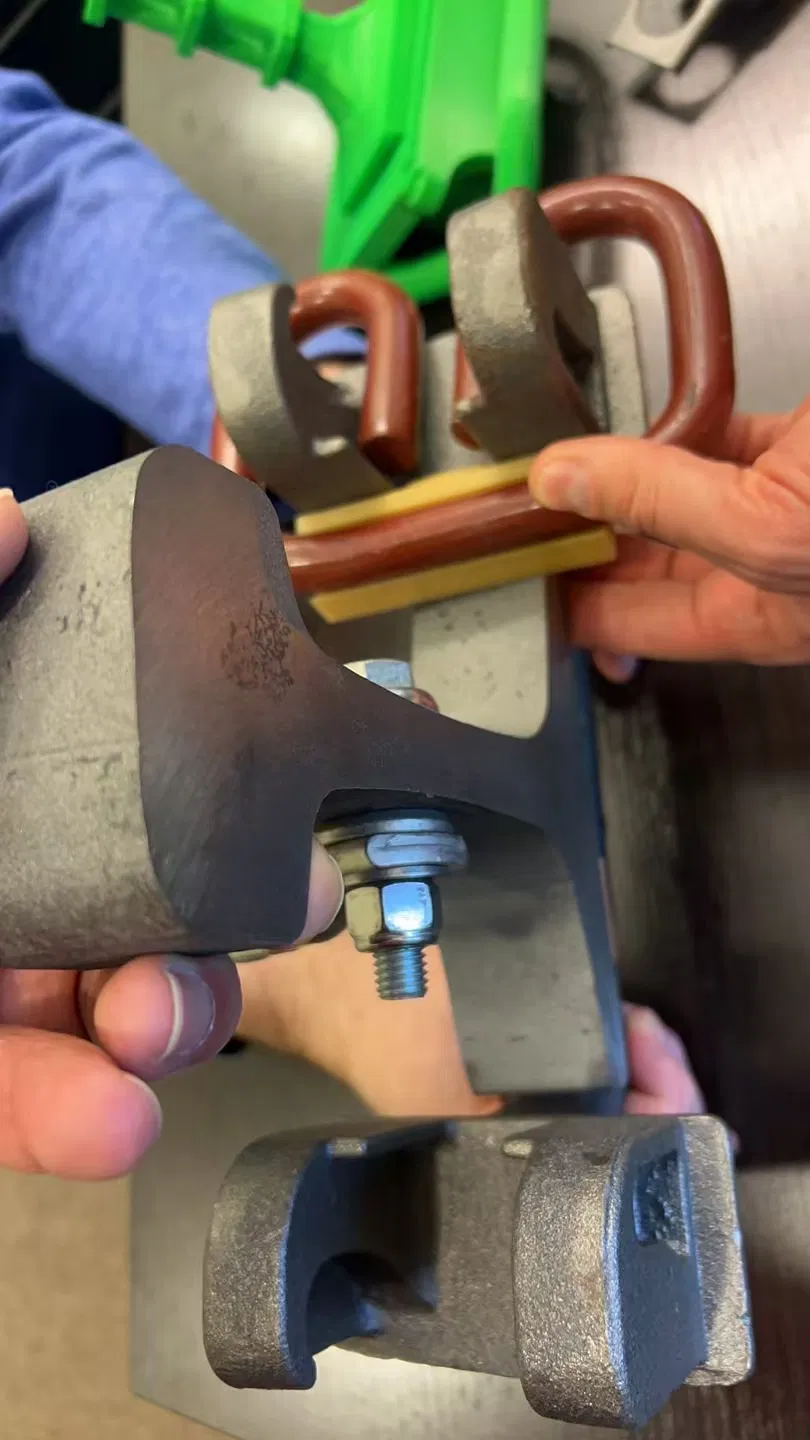
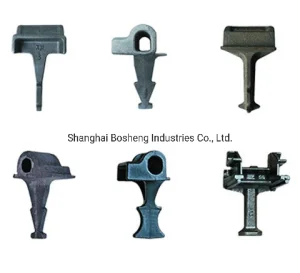
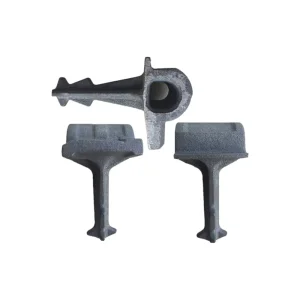
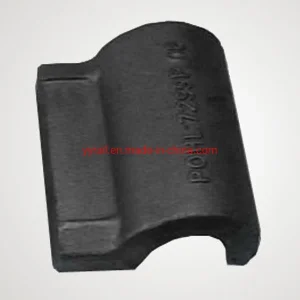
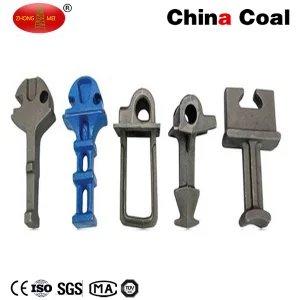
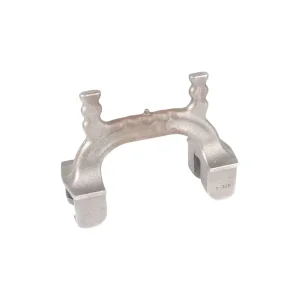
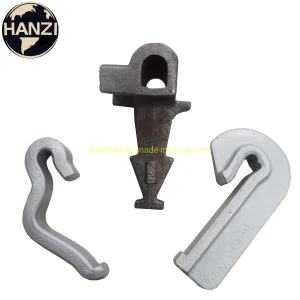
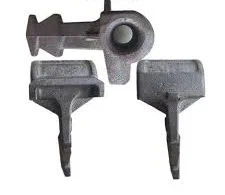
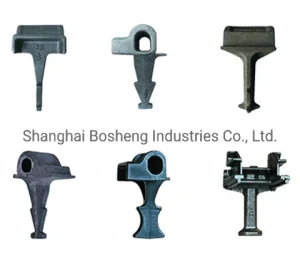
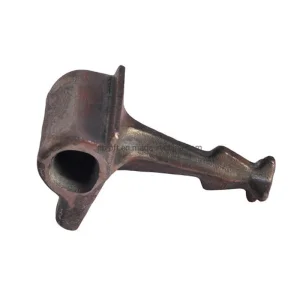
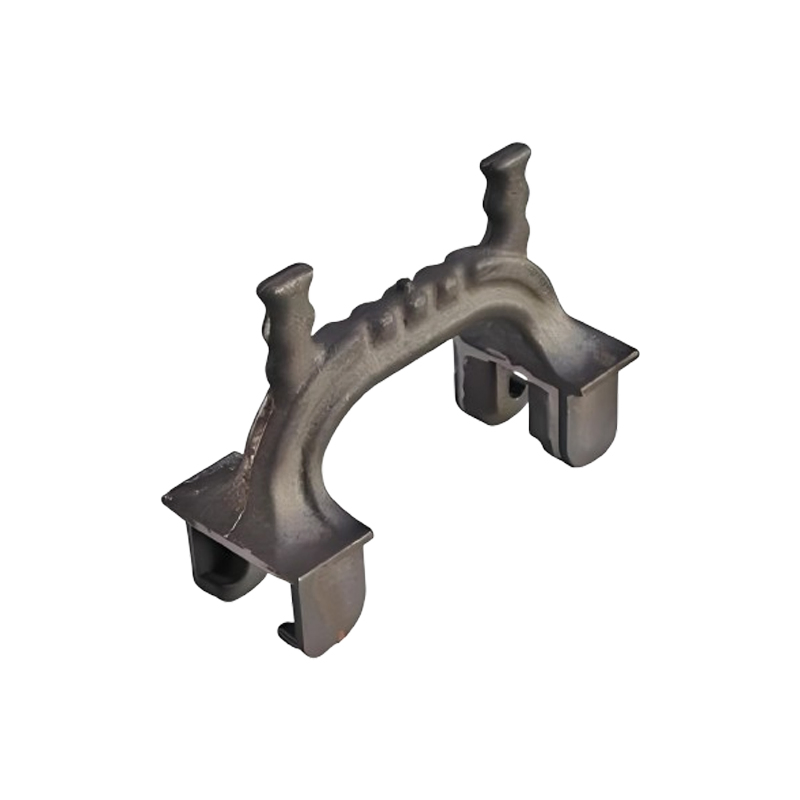
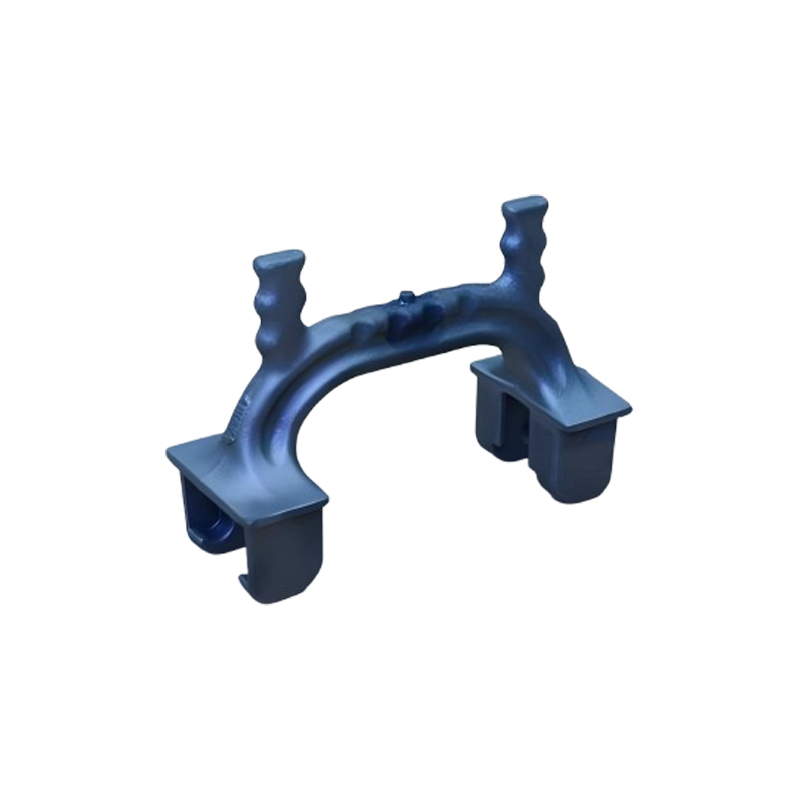
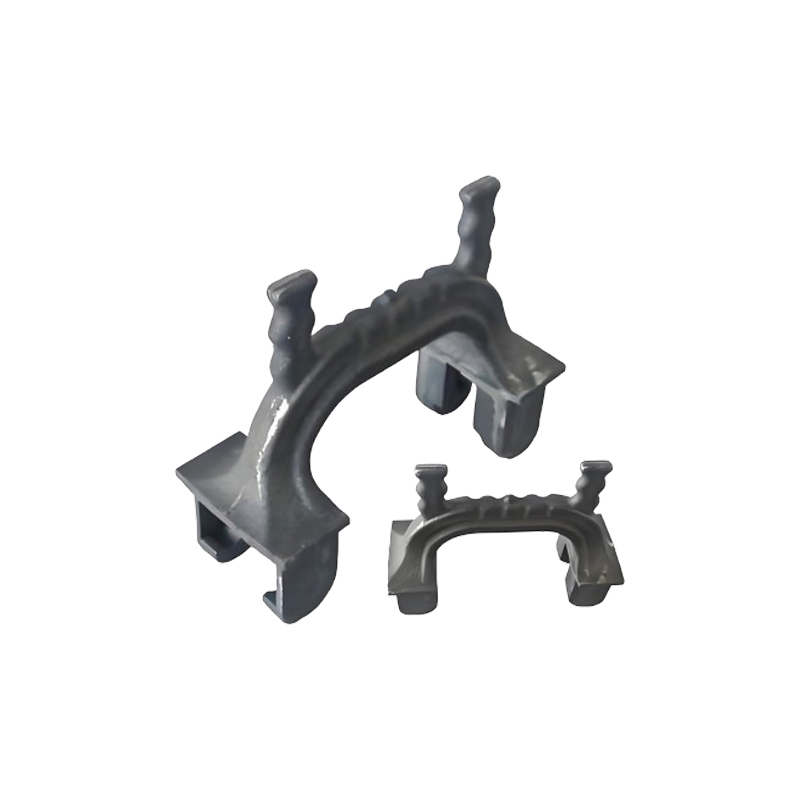
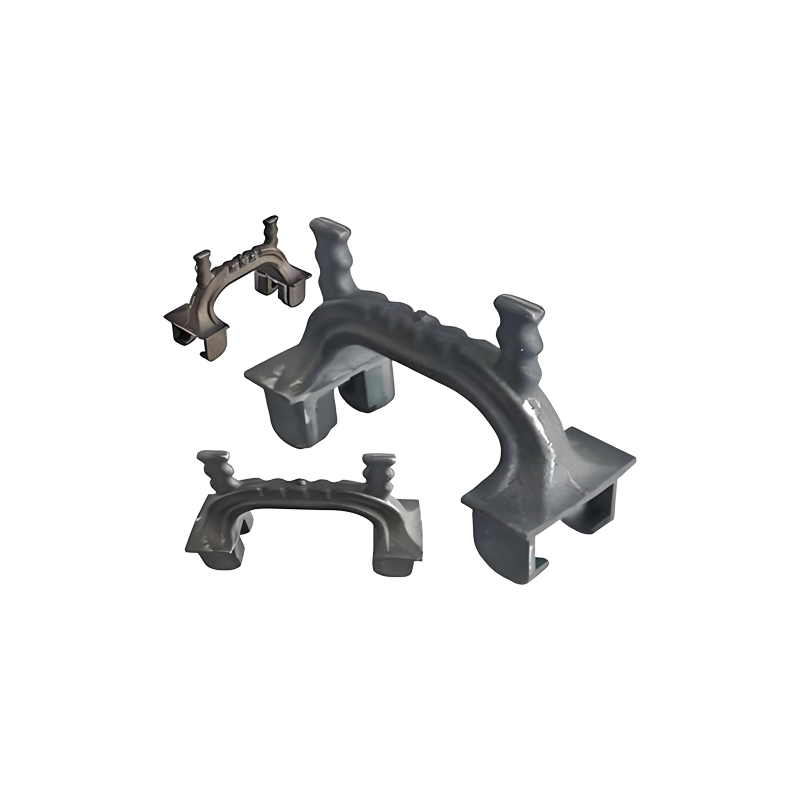
Rail shoulder is cast in the concrete rail ties to fix the elastic rail clips. There are two types of rail shoulders available, the cast-in shoulder and the weld-on rail shoulder, both of which are used for the fixing of elastic rail clips.
Model NO.
APC-4 Rail Shoulder
Material
Ductile Iron
Process
Sand Casting
Certification
ISO9001
Standard Weight
4.2 Kg/PC
Surface
Nature Color/HDG
Product Details
Material and Manufacturing Process
The Pre-embedded Iron Base is usually made of high-quality cast iron or steel, which provides the necessary strength and durability to withstand the forces exerted by trains and maintain the integrity of the railway system. The manufacturing process involves precision casting or forging techniques to ensure the accuracy and reliability of the product.
Installation and Application
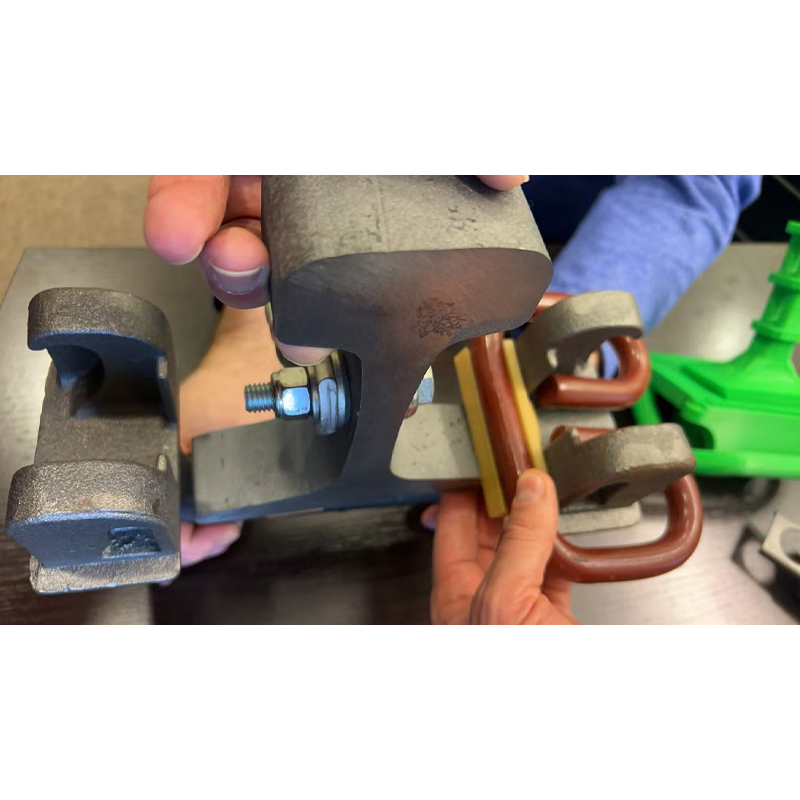
During railway construction, the Pre-embedded Iron Base is installed in the designated position within the concrete sleeper, usually during the pouring of the concrete. Once the concrete has set, the base provides a stable platform for attaching elastic fasteners, which in turn secure the rail to the sleeper.
Importance in Railway Safety
The Pre-embedded Iron Base plays a vital role in maintaining the safety and reliability of railway transportation. By providing a secure and stable foundation for the rail, it helps to prevent track movements and deformations, which can lead to serious accidents.
Technical Specifications
Product Name
Rail Shoulder
Type
APC Rail Shoulder
Casting Standard
GOST 7293-85
Processing
Sand casting
Surface Treatment
Nature Color/HDG
Feature
Good Hardness & Anti-Corrosion
Application
APC Clip Rail Fastening System
Warranty
1 Year
Why Choose Our Solutions
Superior Quality Control: Ensuring products meet the highest international standards.
Competitive Pricing: Get the best value for your infrastructure investment.
Expert Engineering: Professional team dedicated to rail transit innovations.
Q1: What are the main factors to consider when selecting track accessories?
Key factors include compatibility with existing track specifications, adherence to international quality standards, material durability for specific loads, and overall cost-effectiveness for long-term maintenance.
Q2: How is the quality of the rail shoulders ensured?
Quality is ensured through rigorous testing procedures, sourcing from certified manufacturers, and strict compliance with industry regulations such as GOST and ISO standards.
Q3: Are customized solutions available for specific railway projects?
Yes, we provide tailored products and customized engineering solutions based on the unique technical requirements and environmental conditions of your specific project.
Q4: What kind of technical support is provided?
We offer comprehensive technical assistance, including guidance on installation, maintenance protocols, and troubleshooting to ensure optimal performance of the track system.
Q5: Do you support international shipping for bulk orders?
Yes, we arrange international shipping to a wide range of global destinations. Arrangements and logistics costs are calculated based on the order volume and destination.
Q6: What materials are typically used for rail shoulders?
Most rail shoulders are manufactured from high-grade ductile iron or cast steel, chosen for their superior strength-to-weight ratio and resistance to fatigue and corrosion.
 MGMT Orthopedic Implants